The message hit my phone at 5:12 a.m., all caps energy from a client who had finally slept through the night: “Fever gone. Legs feel weird but I’m going to crush a tempo run so I don’t lose the week.” I called him before he laced up. Flu is not a missed Monday you make up on Tuesday. It is a full-system hit that can leave your resting heart rate high, your HRV flat, and — in rare but real cases — your heart muscle temporarily less happy than your ego wants it to be.
This fall is already punching harder than most of us expected. Flu hospitalizations jumped early, FluSight has been forecasting more of the same into mid-November, and my inbox is filling with the same question in different fonts: when can I train again? The short answer is not “the morning you feel bored.” The useful answer is a five-day graded return that starts with a checklist, uses your wearable as a brake instead of a trophy, and keeps intensity for last. My team and I built this ramp from sports-medicine return-to-play rules, the old “neck check” (with the caveats it deserves), and years of watching athletes try to PR their way out of a virus.
If you still need to figure out whether what you have is flu, COVID, or a cold, start with the flu-and-COVID home test plan I published earlier this season. This article picks up after the test, after the fever, and after the urge to “make up” the miles.

Flu Is Not a Cold With Better Marketing
Coaches love the neck check because it is memorable. Symptoms above the neck — runny nose, mild sore throat, sneezing — often allow light movement. Symptoms below the neck — fever, body aches, chest congestion, gut trouble, profound fatigue — mean you sit. That rule of thumb still helps for a mild cold. Flu usually fails it on purpose.
Influenza is a systemic illness. Your immune system is spending energy you cannot spare on a hard interval. Fever raises your metabolic rate and dehydrates you. Muscle aches are not “soreness you can train through”; they are a signal that tissue repair is already busy. Harvard clinicians and sports-medicine reviews make the same point in calmer language: after fever and body-wide fatigue, the first workout should be very light, short, and conversational. You progress over days, not hours. Trying to sweat the virus out is a myth that wastes a recovery week.
One more hard truth my clients hate hearing. Viral illnesses can temporarily affect heart muscle. True myocarditis is uncommon, but the reason we do not sprint back is that strenuous exercise on a heart still settling from a virus is a risk we do not need. Chest pain, unusual breathlessness, palpitations, dizziness, or fainting are not “tough it out” symptoms. They are stop-and-call-a-clinician symptoms. I am a coach, not your doctor. This ramp is a framework for uncomplicated recovery, not a diagnosis.

The Green-Light Checklist Before Day One
I will not start the five-day clock until a client clears this list. Print it. Stick it on the fridge. Argue with it later.
- Fever-free for 24 to 48 hours without acetaminophen or ibuprofen masking the number. Twenty-four hours is the sports-medicine floor. Forty-eight is what I prefer after a rough flu.
- You can do normal household chores without needing a nap afterward. If unloading the dishwasher wipes you out, you are not ready for a “recovery jog.”
- No chest symptoms. No tight chest, no wet productive cough that worsens when you walk upstairs, no wheeze that is new for you.
- Hydration is back. Urine is pale, you are not dizzy when you stand, and you can keep fluids down.
- Resting heart rate is drifting toward your baseline. A wearable that still shows +10 to +15 bpm over your usual morning resting rate is a yellow light, not a green one.
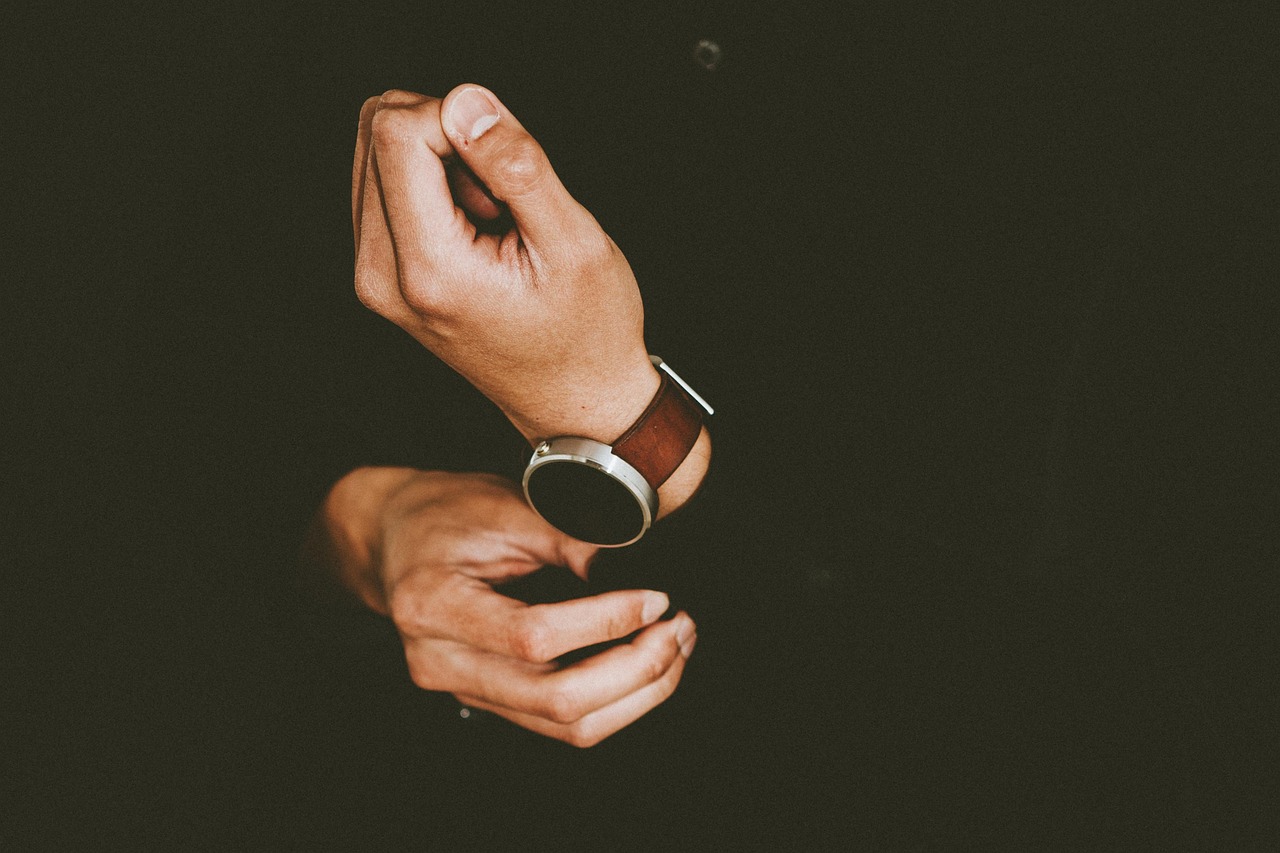
Keep a simple Fast-Reading Digital Oral Thermometer on the nightstand so you are not guessing. Take it the same way each morning before coffee, before a hot shower, before you talk yourself into being fine. Write the number down. Memory is a terrible epidemiologist when you want to train.
If your oxygen sats have been a concern during the illness, a fingertip Fingertip Pulse Oximeter is useful context for a clinician — not a DIY clearance badge. Numbers that worry you belong in a phone call, not a Strava caption. I tell clients the same thing I tell myself after a rough week: data is for decisions, not for bravado.
One more checklist item people skip because it feels soft. Mood and motivation are part of the picture. If you feel flattened, foggy, or strangely irritable in a way that is not your normal pre-workout edge, give yourself another quiet day. The nervous system is part of recovery. Pushing through emotional depletion is how people turn a five-day ramp into a three-week slog.

Red Flags That End the Ramp
Stop the return and get medical advice if any of these show up once you start moving again:
- Chest pain, pressure, or tightness that is new
- Breathlessness out of proportion to an easy effort
- Palpitations, racing heart that will not settle, or skipped beats that feel wrong
- Dizziness, lightheadedness, or near-fainting
- Fever that returns after you thought you were clear
- A resting heart rate that climbs again instead of settling across two mornings
Athletes sometimes treat these as “deconditioning.” Deconditioning feels like being out of shape. Cardiac warning signs feel like your body sending a different kind of alarm. Respect the difference.
The Five-Day Return Ramp
This is the plan I text clients once they clear the checklist. It assumes an uncomplicated flu in an otherwise healthy adult. If you had a hospital stay, pneumonia, known heart disease, or symptoms that scared your clinician, you need an individualized clearance — not this blog post.
Day 1: Ten Quiet Minutes
Walk around the block or move gently on a mat for ten minutes at a pace where you can speak in full sentences. No heart-rate zones. No “just a little tempo.” No podcast that makes you speed up without noticing. If symptoms worsen during or after, you failed Day 1 and you rest another day. Success looks boring: you finish, hydrate, and feel roughly the same an hour later.
I have clients rate Day 1 on three questions when they get home: Did anything below the neck get worse? Did your heart rate feel out of proportion to a stroll? Do you need to lie down? One yes means you rewind. Zero yeses means you earned Day 2. This is not a personality test. It is a filter.
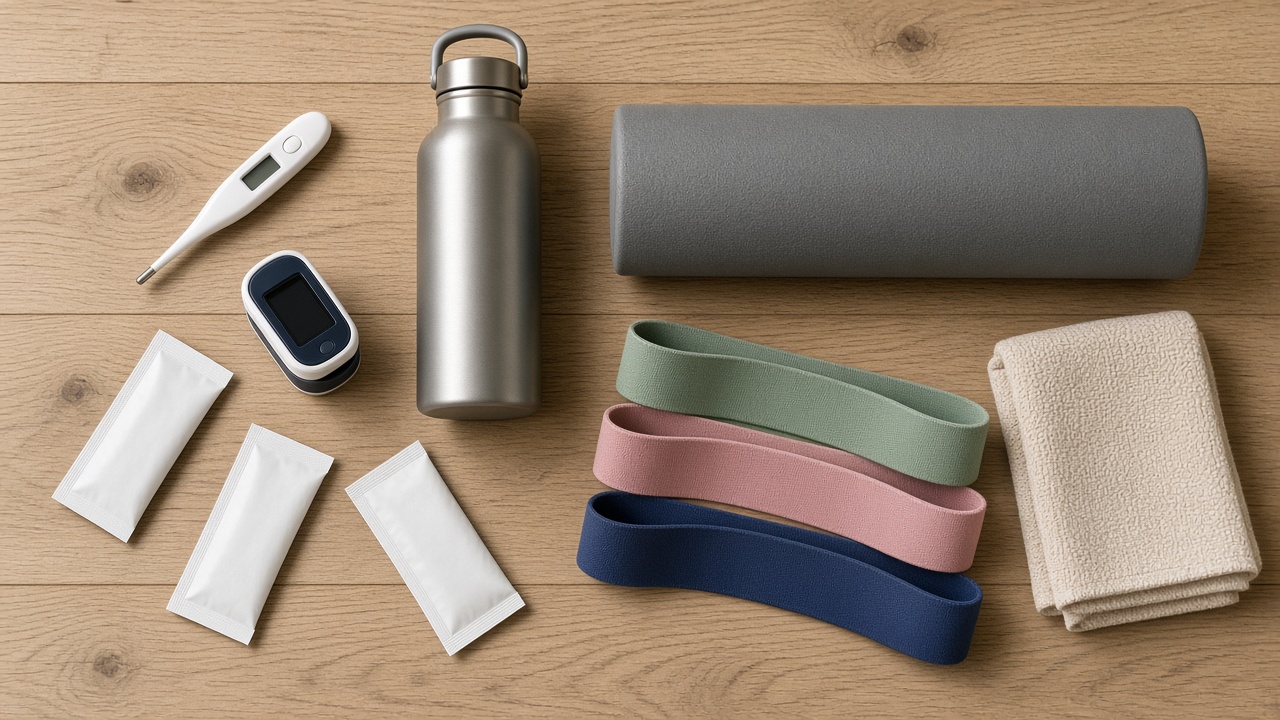
This is a great day for mobility instead of ego. A soft Thick Non-Slip Yoga Mat and a gentle stretch sequence beat a garage workout. Keep the room comfortable; if nights are still restless while you convalesce, the warm-sleep habits in Elena’s heated-blanket rules for cool-thermostat sleep are friendlier than blasting the furnace and waking dried out.

Day 2: Easy Movement, Same Intensity, Slightly Longer
Repeat Day 1’s intensity and add five to ten minutes. Still conversational. Still no intervals. If your wearable shows heart rate spiking for the same easy pace you did yesterday, shorten the session and add a rest day. Frequency comes back before duration; duration comes back before intensity. That order is not optional.
Hydration earns its keep here. Flu depletes fluids and electrolytes even when you think you are “just sipping tea.” I point clients toward a simple packet they will actually mix, like Liquid I.V. Hydration Multiplier Packets or a lower-sugar option such as LMNT Electrolyte Drink Mix. For the deep dive on how I think about sodium and training, my electrolyte field guide still holds. During a return week, think “replace what fever stole,” not “optimize a race.”
Day 3: Light Strength Returns, Intensity Stays Home
Add a short strength session at roughly half your usual volume. Bodyweight, light dumbbells, or easy band work. No heavy singles. No failure sets. No HIIT finisher you “deserve.” A set of Fabric Resistance Loop Bands is enough to wake tissue without burying you. Stop any set that makes you feel chesty, dizzy, or strangely exhausted.
Protein matters more than people think after a week of toast and tea. Muscle protein synthesis does not pause because you were sick; appetite does. A reliable Unflavored Whey Protein Isolate stirred into yogurt or a blender bottle helps you hit a floor without forcing a steak you cannot face. Pair that with the maintenance-season protein targets I outlined in Hold the Line, Pass the Pie — this is the exact moment those targets stop being theoretical.
Day 4: Duration Creeps Up, Intensity Still Waits
Extend the easy cardio to something closer to half or two-thirds of your normal easy session. Still no hard intervals. Still no race-pace work. If Day 3 strength left you wiped, make Day 4 a walk-only day. The goal is consecutive green mornings, not a heroic calendar.
This is also when I reintroduce gentle tissue work. A basic High-Density Foam Roller for calves, quads, and mid-back can ease the “I slept wrong for a week” feeling without the intensity of a deep-tissue appointment you are not ready for. Keep pressure moderate. If rolling makes you feel ill, you are done for the day.
Day 5: One Controlled Step Toward Normal
If Days 1 through 4 were clean — no symptom rebound, resting heart rate trending down, energy okay the next morning — you may add a small intensity tip: short strides at the end of an easy run, one light circuit at 70 percent of usual loads, or a slightly faster walk finish. Cap it. Two or three strides. One circuit. Then stop while you still feel like you could do more. That leftover appetite is the point.
You are not “back.” You are proving the engine can take a little more load. Full training resumes only after another few easy days feel ordinary again. A common sports-medicine heuristic is two to three return days for every training day you lost. Flu weeks are not the place to negotiate that math down. If you missed six training days, plan on roughly two calm weeks before your old Tuesday looks like your old Tuesday.
Group classes deserve a special warning. The energy of a room will pull you past the effort you planned. If you love a class, go as a modifier: lower loads, skip the all-out finishers, leave early if needed. Your future PR does not live inside a Day-5 hero set.
Wearable Guardrails: Let the Watch Be the Adult
Your ego will lie. Your morning numbers are less poetic and more useful. I care about three signals during a return week:
- Resting heart rate. Elevated and stuck means not ready. Drifting toward your personal baseline across mornings is a green light.
- HRV trend. Absolute numbers vary by device and person. Direction matters. A crushed HRV that refuses to rebound is a reason to keep intensity on the shelf.
- Sleep. If you cannot sleep, you cannot rebuild. Protect the night the way you protect the workout.
Any decent tracker that shows morning resting heart rate will do. Clients who already live on a wrist device can lean on what they have; if you need a simple read on pulse during easy sessions, a basic Bluetooth Heart Rate Monitor Chest Strap paired to your phone is enough. Fancy readiness scores are optional. Consistent morning check-ins are not.
Compare yourself to yourself. A “yellow” readiness badge means nothing if you do not know your own normal. Spend thirty seconds each morning noting resting heart rate, how sleep felt, and whether stairs felt ordinary. Three data points beat one mysterious score. When those three look like your baseline for a few days in a row, intensity can start whispering again.
For early-season context on training when you are only lightly congested — not full flu — my three-light plan for cold season covers the “above the neck” case. Do not mash those rules together. Flu earns the slower ramp.
Fuel, Fluids, and the Kitchen That Helps You Come Back
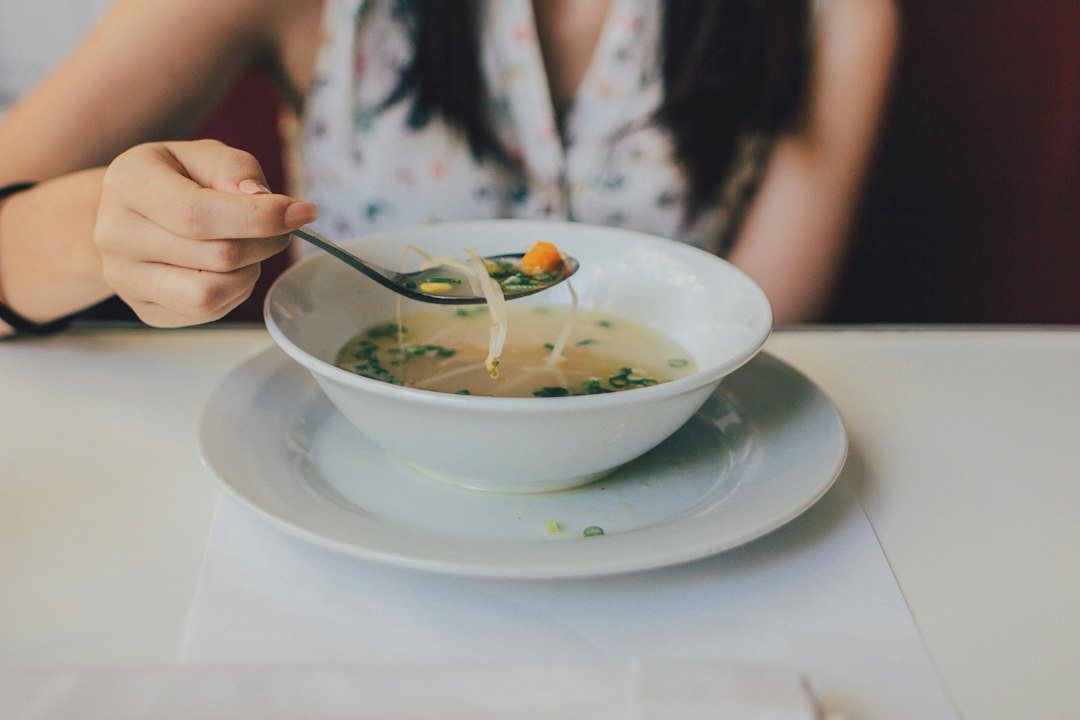
Training returns on a foundation of boring nutrition. You need fluids, electrolytes, protein, and warm meals you will actually finish. This is where the Sunday pot earns its keep. If you have the energy to simmer something once, the batch-pot soup system I use in the dark months is built for weeks exactly like this: protein, broth, vegetables, and leftovers that do not ask much of a tired cook.
Keep a large 32-Ounce Insulated Water Bottle filled where you can see it. Thirst cues lag when you have been sick. Sip on a schedule for a few days. If appetite is still shy, oral rehydration solutions beat another black coffee. A ready-to-drink option like Pedialyte Electrolyte Solution is unglamorous and effective when packets feel like too many steps.
Sleep environment matters as much as macros. Cool room, warm extremities, dark, quiet. Compression can help legs that feel heavy from days in bed — a pair of Mild Compression Socks 15–20 mmHg for daytime walking is plenty; save aggressive recovery boots for when you are actually training hard again.
My Five-Day Return Short List
Every item below earns a place because it supports a checklist, a recovery day, or a cautious first week — not because it looks impressive in a gym selfie.
- Fast-Reading Digital Oral Thermometer — so “fever-free” is a number, not a vibe
- Fingertip Pulse Oximeter — context for you and your clinician if breathing felt off
- Liquid I.V. Hydration Multiplier Packets — easy fluids when tea is not enough
- LMNT Electrolyte Drink Mix — lower-sugar electrolyte option for the same job
- Pedialyte Electrolyte Solution — grab-and-sip when mixing packets feels like a project
- Unflavored Whey Protein Isolate — quiet protein while appetite rebuilds
- Thick Non-Slip Yoga Mat — Day 1 and Day 3 live here
- Fabric Resistance Loop Bands — light strength without heavy iron
- High-Density Foam Roller — gentle tissue work on Day 4
- Bluetooth Heart Rate Monitor Chest Strap — honest effort data on easy days
- 32-Ounce Insulated Water Bottle — visible hydration cue
- Mild Compression Socks 15–20 mmHg — daytime comfort for heavy legs
What I Tell Clients Before They Lace Up
You do not lose a fitness base in five careful days. You can lose a month by forcing a workout your immune system and heart were not ready for. The athletes who come back cleanest treat Day 1 like a test they want to pass, not a penance they want to crush. They clear the checklist. They watch morning numbers. They eat the soup. They save the tempo run for a week that has earned it.
I also ask them to tell one person their plan. Accountability works differently during a return week. You do not need a hype friend. You need someone who will text “Did you keep it easy?” and mean it. My team does that for clients. You can appoint a spouse, a training partner, or your own notes app with a calendar reminder. The method matters less than the pause it creates between impulse and lace-up.
If you are still in the thick of symptoms, rest is the training. If you are fever-free and restless, start with ten quiet minutes and tell me how you feel an hour later. That message — calm, specific, a little bored — is the one I like getting at 5:12 a.m.