The first winter after I missed the Olympic team, I tried to “cut” through the holidays. I had a spreadsheet, a food scale and a jaw set like a closed gate. By the second week of December I was grumpy at every family dinner, my training numbers were sliding, and I had snapped at my own grandmother over a dinner roll. My old coach took one look at me in January and said something I have repeated to every client since: “You don’t have to win the holidays. You just have to not lose them.”
That is the whole philosophy behind what my team and I call maintenance season. It runs from the morning the clocks fall back (today, as it happens) until the first workday of January. For these eight-ish weeks, we stop chasing fat loss, we stop chasing personal records, and we put all of our energy into holding what we have built. Thanksgiving lands on Thursday, November 26 this year, which gives you a little more than three weeks to set this up before the first big plate arrives.
Lifting forums are full of panic posts right now: “Should I cut before Thanksgiving?” “Will travel erase my gains?” The short answers are no and no. Here is the full plan.

Why I Stop Cutting Every November
A calorie deficit is a tool, and like every tool it works best when conditions are right. The holidays are the opposite of right. You have work parties, travel days, short sleep and people you love handing you food they made themselves. Holding a hard deficit through all that takes enormous willpower, and when willpower runs out, it rarely runs out gently. It tends to run out on December 23 with a sleeve of cookies.
Maintenance, on the other hand, is forgiving. You are aiming to eat roughly what your body burns, which means a big Thursday dinner simply gets balanced across the week instead of becoming a moral failure. You keep enough fuel in the tank to train hard, sleep well and stay in a good mood. And psychologically, it is a relief. My clients say official permission to maintain makes them more consistent, not less.
There is research behind the “don’t lose them” idea, too. A well-known study published in the New England Journal of Medicine followed adults through the fall and winter and found that the average holiday weight gain was smaller than most people fear, a bit under a pound. The catch was that most people never lost it afterward, so the pounds quietly stacked up year after year. That tells me the goal is not to undo the holidays with a heroic January diet. The goal is to walk out of December roughly where you walked in.
The Rule of One-Third: How Little Training Holds Your Strength
This is my favorite piece of exercise science to share in November, because it takes so much pressure off. In a study led by Marcas Bickel and colleagues at the University of Alabama at Birmingham, adults trained hard for sixteen weeks and then cut their training way back for thirty-two more. Younger adults kept their strength and muscle size on just one-third of their original training volume, with a single session a week. Older adults held their strength too, but keeping their muscle size took a larger dose. The magic ingredient was intensity: the weights stayed heavy even as the number of sets dropped.
So here is how I translate that for maintenance season:
- Keep the load, trim the sets. If you were doing four sets of squats, do two. But do them with the same weight you were using in October, stopping one or two reps short of failure.
- Two full-body sessions a week is plenty. Three is lovely if life allows. One is a perfectly good holding pattern for a travel week.
- Thirty to forty minutes, door to door. A squat or lunge, a hinge, a push, a pull and a carry. That covers almost everything.
- Older lifters, lean toward more. If you are past fifty, aim for two sessions instead of one whenever you can, since your muscle is a little more stubborn to keep.
Even a full break is less scary than it feels. Most research on detraining shows strength holds up well for about three weeks of complete rest. You are not going to “lose everything” because your flight got delayed and you missed a Tuesday.
My Two-Day Holding Pattern
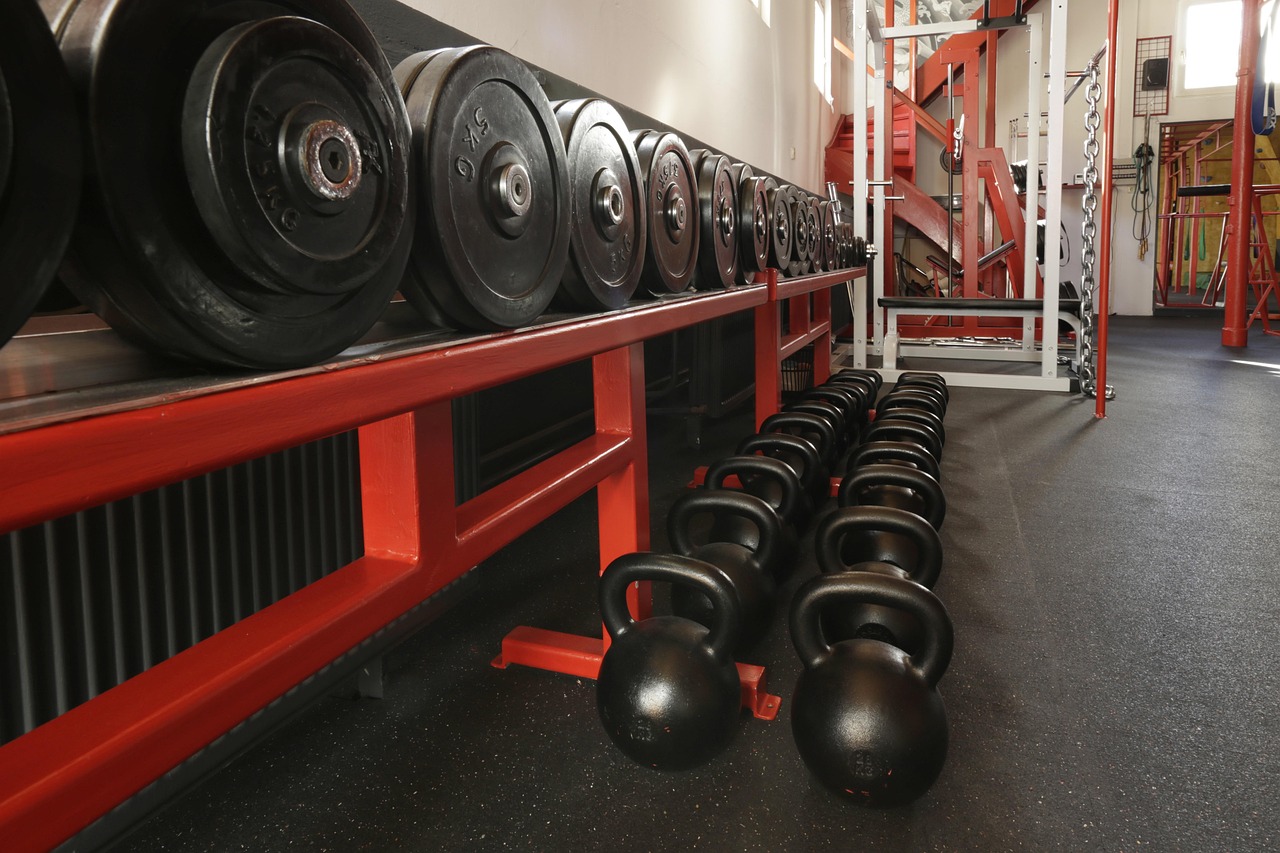
When I write plans for maintenance season, I give everyone the same skeleton and adjust the exercises to the equipment they have. If you already have a home setup, you are in great shape. If you are building one before Black Friday, an adjustable pair like the Bowflex SelectTech 552 Adjustable Dumbbells replaces a whole rack and fits in a closet. If you are a one-bell person, my one-kettlebell fall program drops right into this template.
Day A (Monday or Tuesday):
- Goblet squat or back squat: 2 sets of 5 to 8, heavy
- One-arm row: 2 sets of 8 to 10 per side
- Push-up or dumbbell bench press: 2 sets of 8 to 12
- Farmer carry: 3 trips of 30 to 40 steps
Day B (Thursday or Friday):
- Romanian deadlift: 2 sets of 6 to 8
- Split squat: 2 sets of 8 per leg
- Overhead press: 2 sets of 6 to 10
- Band pull-apart or face pull: 2 sets of 15
That is it. Warm up, do the work, and go live your life. Extra energy? Add a third set to your favorite lift. No energy? Walk away with a clear conscience. I want this to feel almost too easy, because “almost too easy” is what survives December.
Thanksgiving Week, Day by Day
The week itself deserves its own plan, because it is where most good intentions fall apart. Here is the rhythm I follow and coach.
Monday and Tuesday: Get both of your strength sessions done early in the week. Once family arrives or you hit the road, your schedule is no longer your own. I want the important work in the bank before the chaos starts.
Wednesday: Travel day or prep day for most people. Keep it simple: a walk, plenty of water, and a protein-forward breakfast and lunch so you are not running on airport pretzels. If you are hosting, my team swears by the oven-sharing schedule in this small-kitchen Thanksgiving plan from our sister site, because a calm cook is a cook who eats like a human.
Thursday: Move in the morning. If you signed up for a race after reading my turkey trot briefing, this is your day to shine. If not, a brisk family walk counts. Eat a real breakfast with protein in it. Please do not “save up” for dinner by skipping meals; it almost always leads to eating fast and eating past full. Then enjoy the meal, all of it, slowly.

Friday: This is the day I see the most people give up, because they wake up feeling puffy and assume the week is ruined. It isn’t. Most of that scale jump is water and food volume from salty, carb-heavy meals, not fat. Take a long walk, drink water, and build your leftovers around the turkey rather than the stuffing.
Weekend: Back to normal. No punishment workouts, no juice cleanses, no “starting over Monday.” You never stopped, so there is nothing to start over.
Protein Is the Anchor That Holds Everything in Place
If there is one nutrition habit I refuse to let slip during maintenance season, it is protein. When protein stays high, muscle holds, hunger stays calmer, and those extra cookies have less room to sneak in. A large review led by Robert Morton at McMaster University found that the benefits of protein for strength training topped out around 1.6 grams per kilogram of body weight per day, with some people benefiting from a bit more. For maintenance, I coach most people into a range of about 1.2 to 1.6 grams per kilogram, which works out to roughly 0.55 to 0.75 grams per pound.
Just as important is how you spread it. Aim for roughly 25 to 40 grams at each meal rather than a tiny breakfast and a giant dinner. I made the case in why you should stop saving the chicken for dinner, and it matters even more when holiday dinners are huge and unpredictable.

My holiday breakfasts are boring on purpose: Greek yogurt with berries, eggs with leftover vegetables, or a shake when the kitchen is a war zone. A scoop of Optimum Nutrition Gold Standard 100% Whey in a BlenderBottle Classic Shaker Bottle gets you about 24 grams of protein in under a minute, and you can mix it into oatmeal or yogurt if you are not a shake person. For lactose-sensitive folks, an isolate is usually gentler.
For travel days and long afternoons of cooking, I keep a few ready-to-drink options around. Premier Protein Shakes pack 30 grams into a bottle that survives a car trip, and a box of Quest Protein Bars lives in my carry-on. Both beat the vending machine at gate B14.
A Food Scale for Three Weeks, Not Forever
I am not a fan of weighing every bite for the rest of your life. I am a big fan of weighing for a short window to recalibrate your eyes. Portions drift upward, especially with nut butter, granola and oil. Spend the first three weeks of November weighing your usual breakfasts and lunches on a simple Etekcity Digital Kitchen Scale, note the protein in each one, and then put the scale back in the drawer. By Thanksgiving you will know exactly what 30 grams of protein looks like on your plate, which is a skill that travels with you to every relative’s house.
How to Build the Big Plate
Here is the method I teach for every holiday meal, from Thanksgiving through New Year’s Day. It is simple enough to remember after a glass of cider.
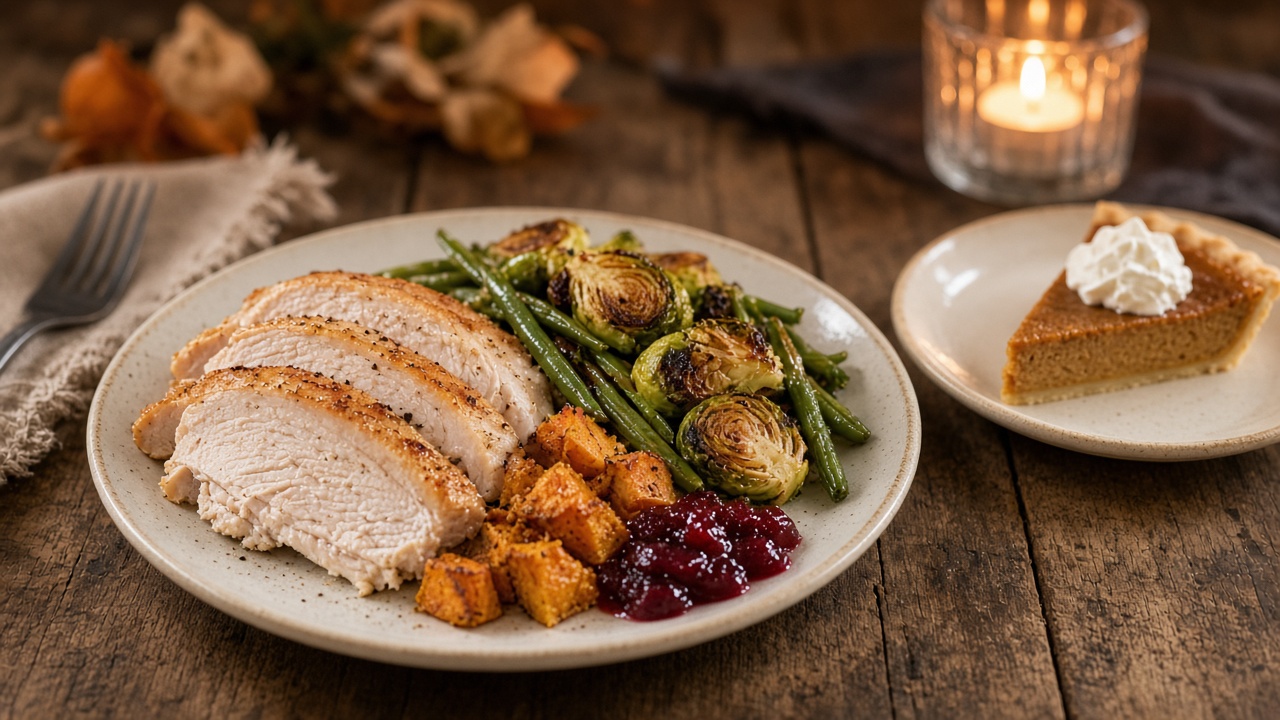
- Protein first. Put a generous portion of turkey, ham, fish or whatever the main is on your plate before anything else. A palm-and-a-half is a good target.
- Color second. Green beans, roasted Brussels sprouts, salad, roasted carrots. Fill about a third of the plate.
- Then the favorites, on purpose. Pick the two or three dishes you truly look forward to all year and take a real serving. Skip the ones you only eat because they are there.
- Pause before seconds. Wait ten minutes, have some water, talk to someone. If you still want more, have it.
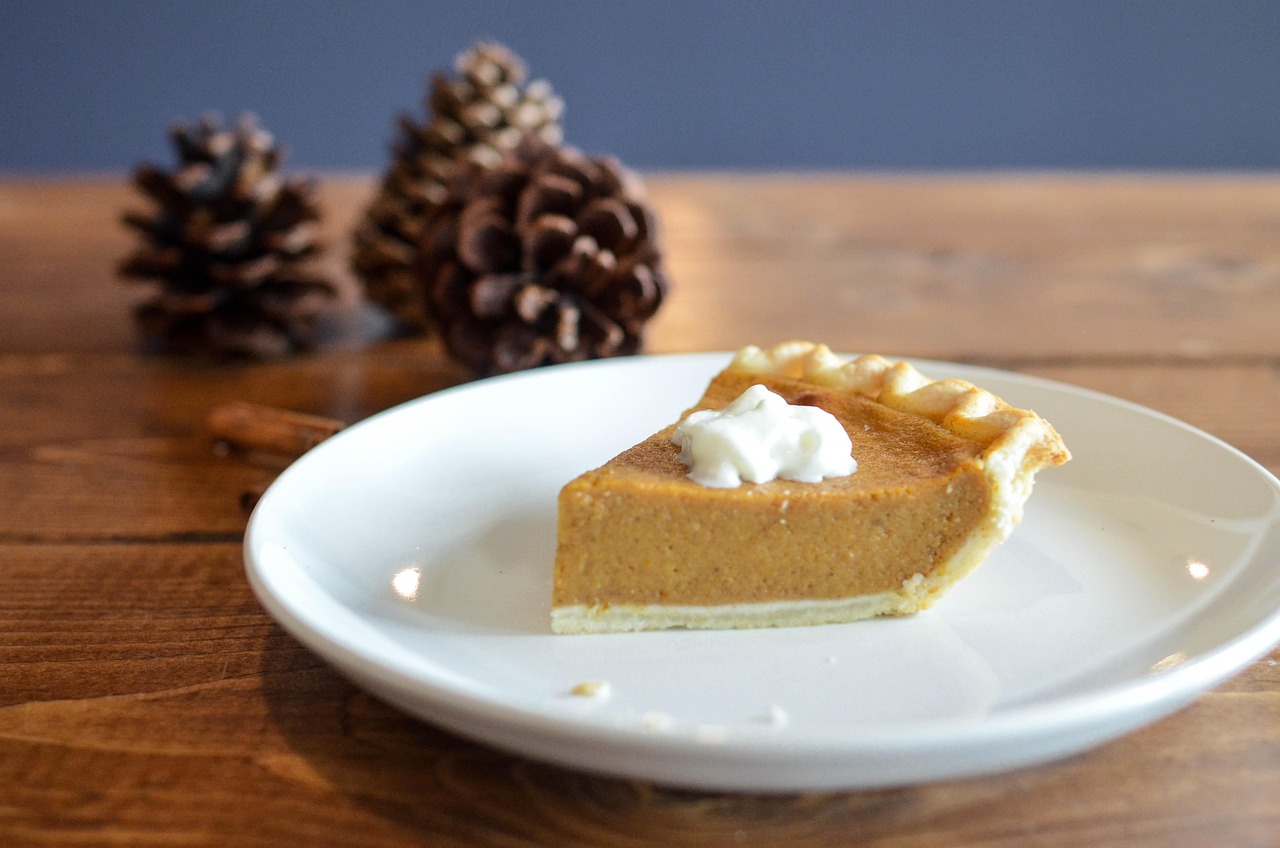
- Dessert is part of the meal. One slice, sitting down, on a plate, savored. No guilt, no grazing.
The sweets will keep coming after Thursday, of course. If you already have a candy bowl that refuses to empty, I wrote a whole plan for it in the candy bowl has a half-life. The short version: put the treats somewhere you have to decide to go, not somewhere you walk past twenty times a day.
The Carry-On Gym
Travel is the other big threat to maintenance season. Hotel gyms range from decent to one dusty treadmill, and your aunt’s guest room has no squat rack. The fix is a kit that weighs less than a pair of shoes.
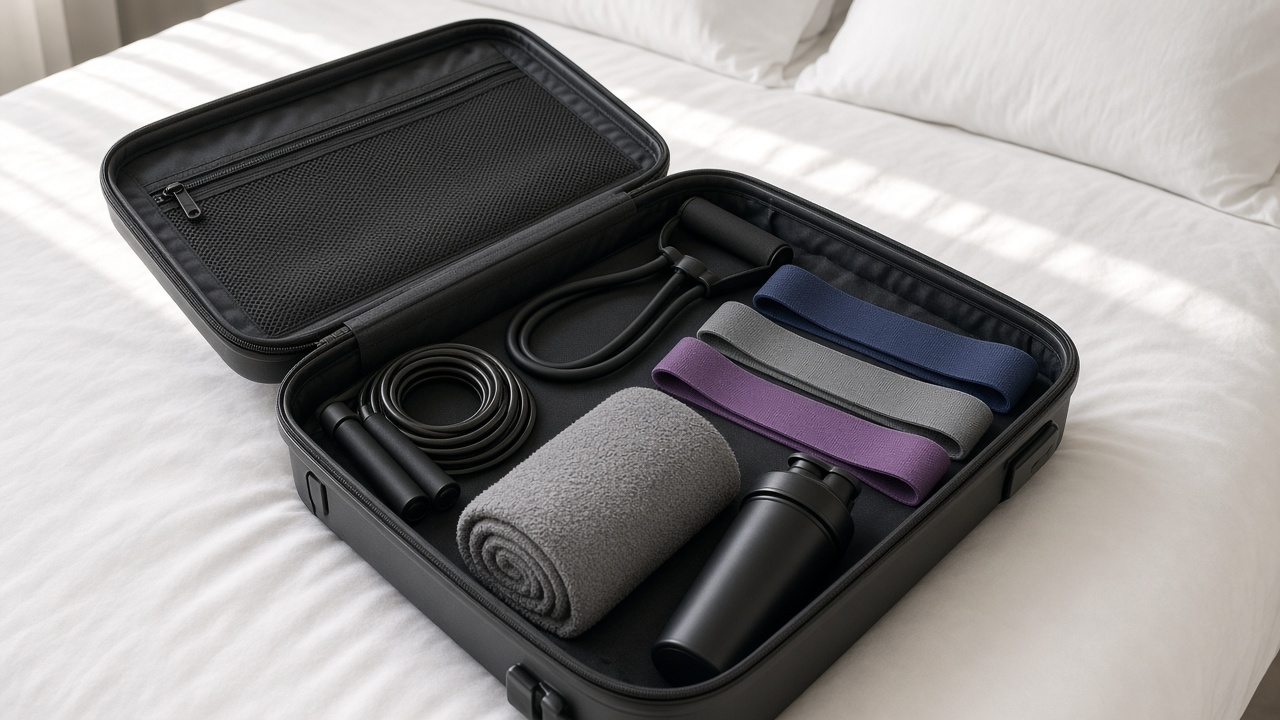
My must-have is a set of Fit Simplify Resistance Loop Bands. They weigh almost nothing and turn bodyweight squats, glute bridges and lateral walks into real work. For upper body, I pack a Whatafit Resistance Band Set with Handles; the door anchor lets you do rows, presses and face pulls from any hotel door. If you want the full upgrade, the TRX GO Suspension Trainer packs into a pouch smaller than a sweater and gives you rows, push-ups, lunges and core work from any sturdy door.
Here is a twenty-minute hotel-room session I use all the time. Do three rounds, resting about a minute between rounds:
- Banded squat: 15 reps, slow on the way down
- Band row from the door anchor: 12 to 15 reps
- Rear-foot elevated split squat on the bed frame: 10 per leg
- Push-ups, hands on the desk if needed: 10 to 15
- Banded glute bridge: 20 reps
- Plank: 30 to 45 seconds
Lighter loads mean you work closer to fatigue and slow the tempo. You will feel it.
Steps Are the Quiet Workhorse
The other thing that slips in winter is daily movement outside of workouts. Shorter days and colder weather mean fewer steps, and fewer steps mean your maintenance calories quietly shrink. I ask my clients to pick a daily step floor, not a goal. Seven thousand is a common one. On bad days you hit the floor; on good days you blow past it.
A basic tracker like the Fitbit Inspire 3 makes this almost automatic, and after-dinner walks are the easiest way to hit your number. A ten-minute stroll after a big meal also helps blunt the blood sugar spike, which is exactly what you want after a plate of stuffing and pie.
Sleep, Stress and the Mental Side
I’d be doing you a disservice if I didn’t mention the two things that wreck maintenance more than any meal: short sleep and high stress. Poor sleep turns up hunger and cravings and makes every workout feel heavier, so protect your bedtime like a training session, especially around travel.
And please be kind to yourself. One big meal does not undo months of work. One missed week does not erase your strength. The people who come through December in the best shape are not the ones with perfect discipline. They are the ones who never quit for longer than a day or two.
My Maintenance-Season Short List
If you want the whole kit in one glance, here is what my team and I recommend for holding steady from now through New Year’s:
- Home strength: Bowflex SelectTech 552 Adjustable Dumbbells, for heavy-enough sets in a small footprint.
- Travel lower body: Fit Simplify Resistance Loop Bands, for squats, bridges and lateral walks anywhere.
- Travel upper body: Whatafit Resistance Band Set with Handles, for rows and presses from a hotel door.
- Full travel upgrade: TRX GO Suspension Trainer, for a complete workout from a pouch.
- Protein at home: Optimum Nutrition Gold Standard 100% Whey mixed in a BlenderBottle Classic Shaker Bottle.
- Protein on the road: Premier Protein Shakes and Quest Protein Bars.
- Portion recalibration: Etekcity Digital Kitchen Scale, for three weeks, then back in the drawer.
- Daily step floor: Fitbit Inspire 3, to keep winter walks honest.
Walk Into January Strong
When my old coach told me to “not lose” the holidays, I thought she was letting me off easy. She was handing me the smartest strategy in the sport. Hold your strength with two short sessions a week. Anchor every meal with protein. Move every day, especially after the big ones. Enjoy the pie without a side of guilt.
Do that, and on January 2, while everyone else is starting over, you’ll simply be picking up where you left off, a little fresher in body and spirit, and ready to build. That is the kind of New Year’s head start I want for every single one of you.