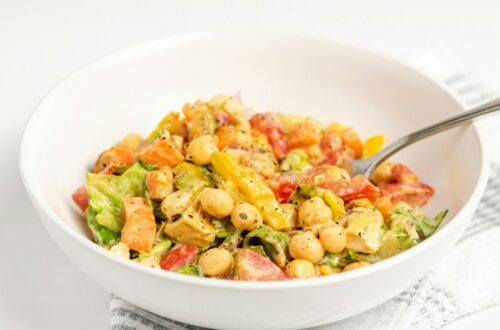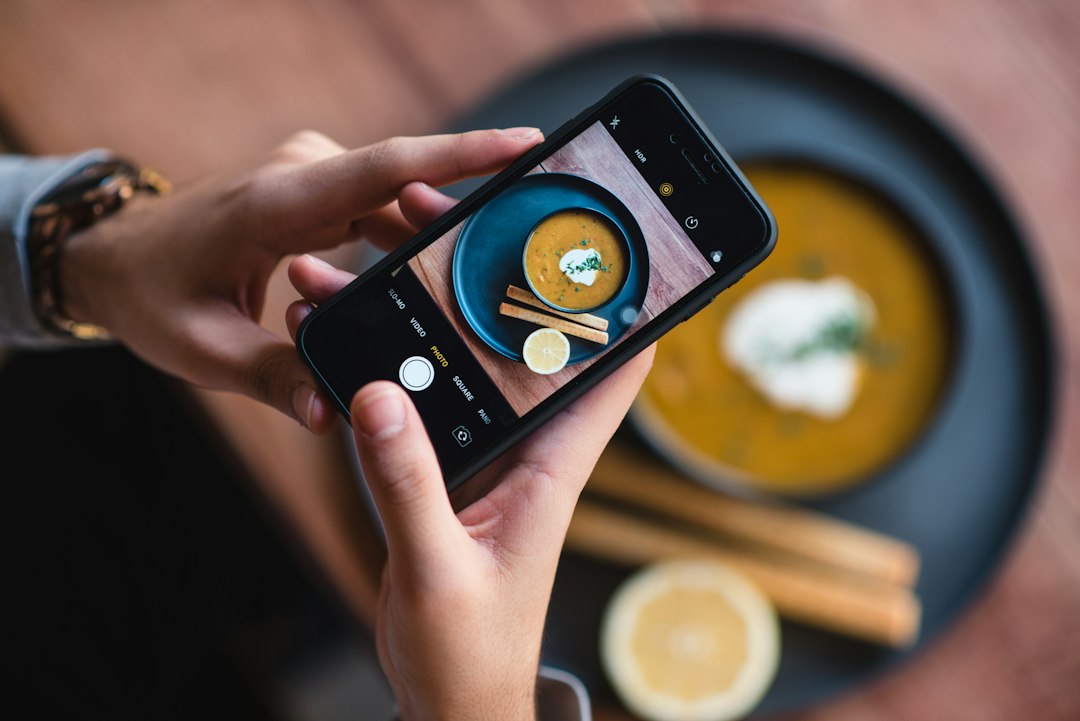
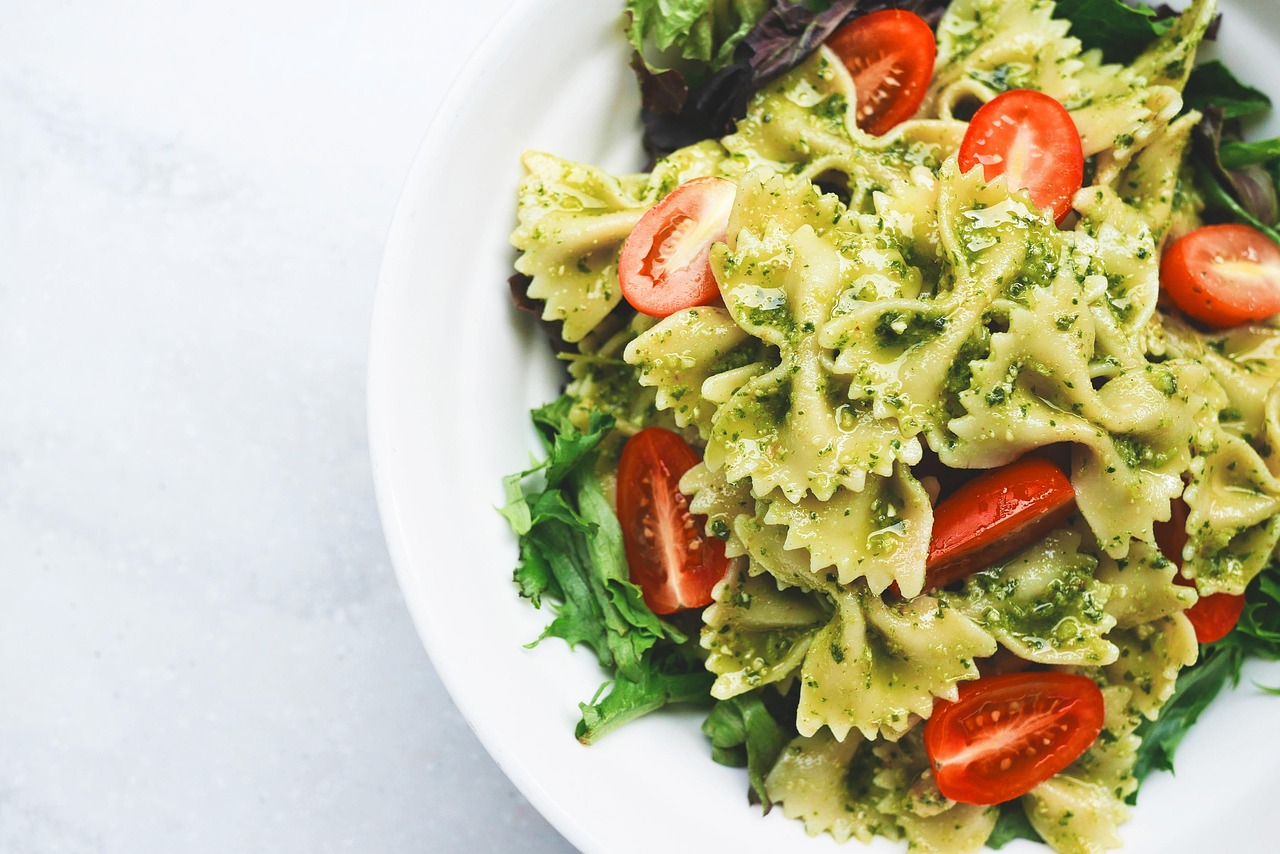
A client sent me a screenshot last week with three exclamation points. She’d photographed her lunch, a big bowl of pesto pasta with cherry tomatoes over greens, and her calorie app had confidently stamped it at 480. “That can’t be right,” she wrote, “I’ve been eating this all month and the scale won’t budge.” She was right to be suspicious. When she weighed the same bowl the next day and measured the pesto, it came out closer to 800. Nothing about the photo was wrong. The camera just can’t see oil.
Photo-based calorie tracking is having a moment. Snap your plate, get a number, move on with your day. I love anything that lowers the friction of paying attention to food, and for plenty of people a quick photo log is better than no log at all. But we’re two weeks from Thanksgiving, which is the most butter-soaked, gravy-glazed, sauce-hidden stretch of the eating year, and that’s exactly where these apps tend to stumble. So my team and I dug into the research, I ran my own week of weigh-versus-snap meals, and I rebuilt the simple kitchen-scale routine I give clients before the holidays.
What the Research Actually Found
This isn’t just a hunch from my inbox. A 2026 controlled feeding study published in Current Developments in Nutrition took photographs of 102 meals whose contents were known exactly, then ran them through the photo features of four popular calorie-tracking apps. Every app came in low. On average the apps underestimated energy by roughly a third, missing somewhere between about 250 and 345 calories per meal, and fat was underestimated by around 30 grams across the board. The authors noted that this is about the same size of miss we already see when people self-report what they ate, which is a polite way of saying the photo didn’t fix the problem. It just made it faster.
A separate 2025 study tested general-purpose AI chat models on standardized food photos, using plates and cutlery as size references. The best performers were off by roughly 36 percent on calories, and every model showed the same pattern: the bigger the portion, the more it underestimated. If you’re thinking “holiday plates are big,” you’ve already spotted my concern.
None of this means the technology is useless. Carbohydrate estimates were reasonably consistent in the app study, and simple, visible foods like a banana or a grilled chicken breast are easy wins. The trouble lives in three places a lens can’t reach: fat that’s been absorbed or poured, portions piled deep instead of wide, and mixed dishes where five ingredients become one beige shape.
Three Things a Camera Can’t Weigh
1. Oil, butter and anything glossy
A tablespoon of olive oil is about 120 calories, and a tablespoon of butter is about 100. On a plate, though, they’re invisible. They’ve soaked into the roasted vegetables, coated the pasta, and pooled under the salmon where the photo never looks. When an app sees “roasted carrots,” it guesses a typical recipe, and your recipe might have twice the oil. This is the single biggest reason photo logs run low, and it matches that 30-gram fat gap in the study almost perfectly. Thirty grams of fat is two tablespoons of oil, roughly 270 calories, gone missing from a single meal.
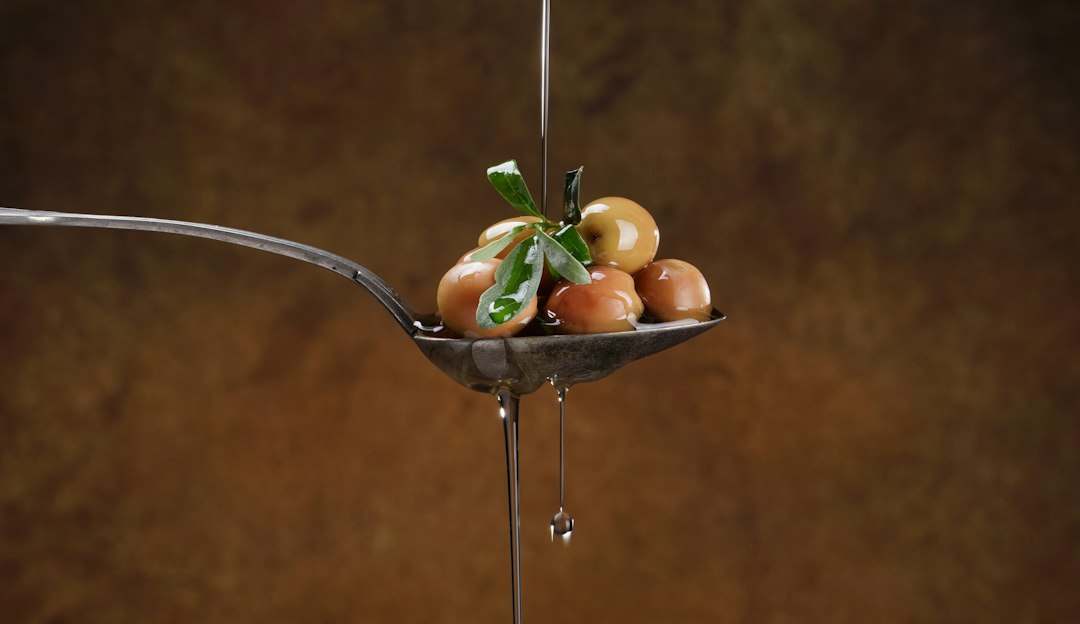
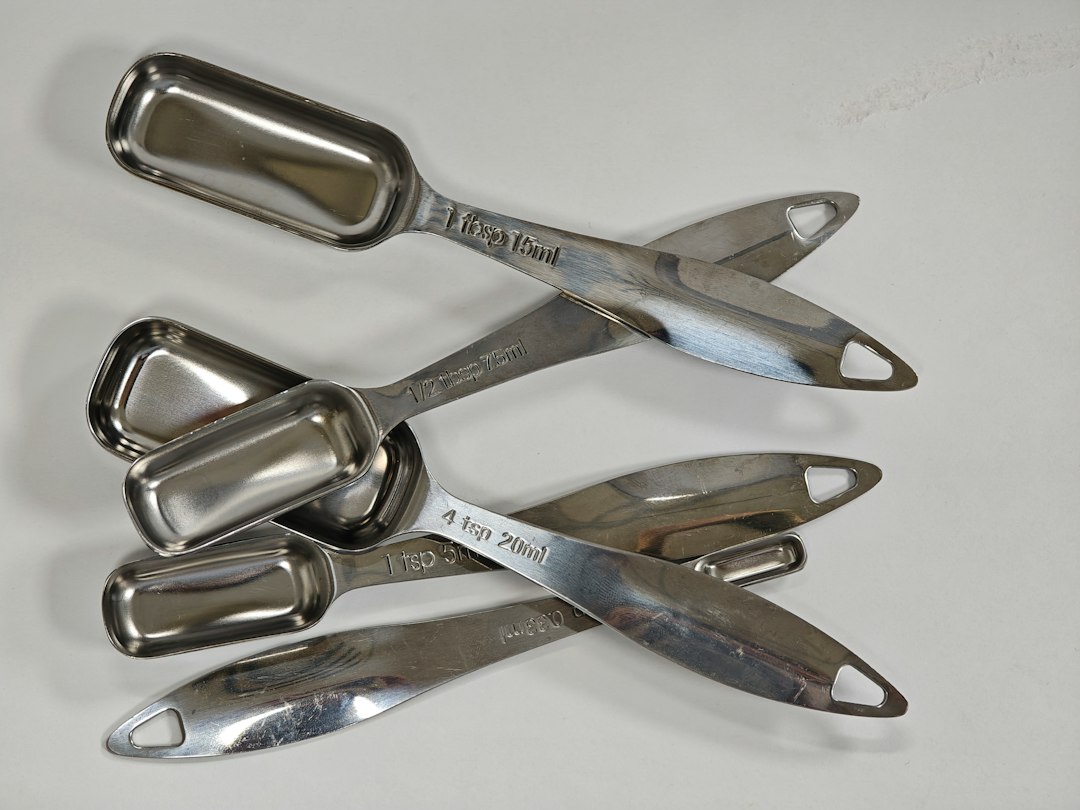
The fix here isn’t to fear fat. I eat plenty of it, and good fats belong in a training diet. The fix is to measure it on the way into the pan instead of guessing it on the way out. I keep a set of OXO Good Grips Stainless Steel Measuring Spoons hanging right next to the stove, and when I want a thin, even coat for roasting, an EVO Oil Sprayer Bottle lets me cover a whole sheet pan with a fraction of what I’d pour from the bottle.
2. Depth
Photos are flat. A camera looking down at a bowl of mashed potatoes sees the surface area, not the fact that the bowl is deep and packed. That’s why underestimation grows with portion size in the research: a heaping plate and a modest plate can look surprisingly similar from above. Holiday plates are the worst offenders because we build them up, not out.
3. Sauces, dressings and the “beige problem”
Gravy, cream sauces, cheese dips and salad dressings are dense, delicious and almost impossible to judge by eye. A ladle of gravy might be 25 calories or 150 depending on how much fat came off the roasting pan. Casseroles are even harder, because the app has to guess what’s under the crispy onions. My rule of thumb is that anything creamy, cheesy or glossy gets measured or weighed, and anything plain and whole can be photographed.
My Week of Weigh-and-Snap
I wanted to feel this for myself, so for seven days I photographed every meal with a calorie app first, then weighed the components on a kitchen scale and logged them properly. My own meals are fairly simple, which should have made the app look good. For the plain stuff, it did: Greek yogurt with berries, eggs and toast, a grilled chicken salad with the dressing on the side. Those came in close enough that I wouldn’t lose sleep over the difference.
The misses were exactly where the research predicted. My Sunday sheet-pan vegetables, roasted with what I would have sworn was “a little” oil, ran well over what the app guessed once I measured the oil I’d actually used. A homemade chili came in low because the app read a bowl as a standard serving when my bowl holds closer to two. And a slice of my neighbor’s pumpkin bread was simply unknowable from a photo, so I asked for the recipe and did the math. By the end of the week, the gap between my photo log and my weighed log was big enough to fully explain a stalled cut for anyone who relied on the photo alone.
That’s the real-world takeaway I share with clients. If you’re maintaining, a photo log that runs a bit low is fine, because you’re watching trends and the scale will tell you if things drift. If you’re trying to lose fat, gain muscle on purpose, or hit a protein target for training, those quiet misses add up to a full meal’s worth of calories most days.
The Kitchen-Scale Calibration Week
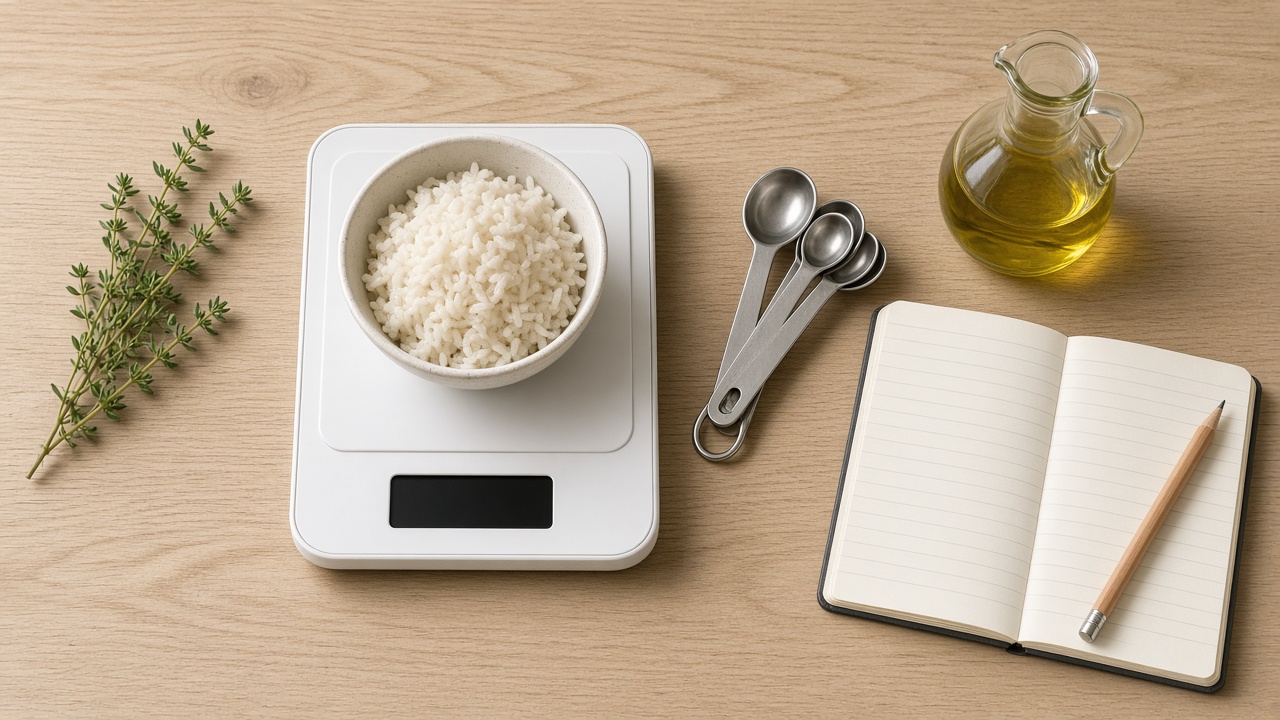
Here’s the part I love, because it’s quick, it’s cheap, and it makes you better at eyeballing for the rest of your life. You don’t need to weigh food forever. You need to weigh it for about one week, so your eyes learn what a real portion of your own favorite foods looks like on your own plates.
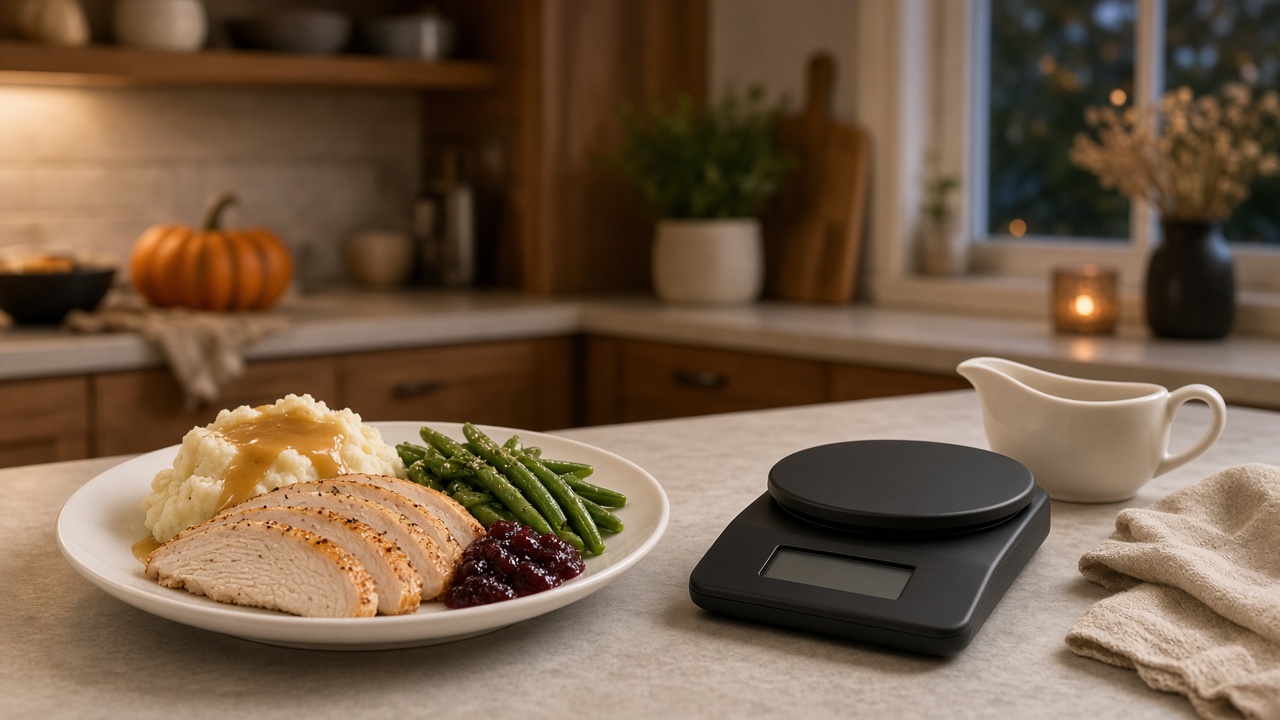
Start with a basic digital scale that reads in grams and has a tare button. The Etekcity Digital Food Kitchen Scale is the one I hand to most clients because it’s slim, accurate enough for food, and lives on the counter without taking over. If you weigh big bowls or dinner plates, the OXO Good Grips 11-Pound Food Scale with Pull-Out Display is worth the upgrade, because the display slides out so a wide plate doesn’t hide the number. And if you know you’ll actually use an app, the Etekcity Smart Nutrition Scale sends weights straight to your phone, which removes a lot of the typing.
Then follow this routine for seven days:
- Weigh your top five foods. Pick the foods you eat most often, like rice, oats, pasta, nut butter and cooking oil, and weigh what you normally serve. Most people discover that their “serving” is one and a half to two servings of the label.
- Measure fat on the way in. Every pour of oil, pat of butter and drizzle of dressing gets a spoon. This is where the biggest surprises hide.
- Photograph, then weigh. Keep snapping your plates if you like the app, but weigh the same plate and compare. You’re training your eye, not punishing yourself.
- Use the same plates and bowls. Consistency makes portions easier to judge later. A Pyrex 2-Cup Glass Measuring Cup is handy for soups and chili so you can see what a cup actually looks like in your bowl.
- Write down what surprised you. I keep notes in a Clever Fox Food Journal, because a written “my pasta bowl holds 2 cups” sticks in my head far better than another number in an app.
After a week, you’ll find you can glance at a bowl of oats and know it’s closer to a cup than half a cup, or see a drizzle of olive oil and recognize it as a tablespoon. That skill travels with you to restaurants, office parties and your mother-in-law’s kitchen, where no scale is allowed.
The Thanksgiving Plate, Honestly
I’m not going to tell anyone to weigh their Thanksgiving dinner at the table. That’s a holiday, not a lab, and I want you to enjoy every bite. If you’d like a practical way to keep the season in balance, my maintenance-season training and protein plan walks through how I think about these six weeks as a whole. What I do suggest is using the calibration week before the holiday so your eye is sharp when the platters come out.
If you’re the cook, you also have a quiet superpower. The biggest hidden calories on the holiday table usually come from fat in the gravy and butter in the sides, and both are easy to trim without anyone tasting a difference. An OXO Good Grips 4-Cup Fat Separator pours the rich pan juices out from the bottom and leaves most of the fat behind, so your gravy still tastes like turkey. Mashed potatoes made with measured butter and some of the cooking water taste just as good, and nobody at my table has ever noticed.
For guests, my favorite approach is the one our home-kitchen writer described over on home.omnux.com: a tasting-plate Thanksgiving with three bites of everything. Smaller portions of every dish let you taste the whole spread, and they’re much easier to estimate than one towering mountain plate. A slightly smaller dish helps too. I keep a stack of Corelle Winter Frost White Lunch Plates for holiday buffets, because an 8.5-inch plate holds a full meal without inviting a second layer.
Leftovers Are Where the Scale Earns Its Keep
The day after is when portion drift really sneaks in. You’re standing at the fridge, picking at stuffing straight from the dish, and nobody is photographing anything. This is where I lean on the scale again for ten minutes. I portion leftovers into single servings while I’m cleaning up, weighing each container once, so a “leftover lunch” is a real lunch and not half the casserole.
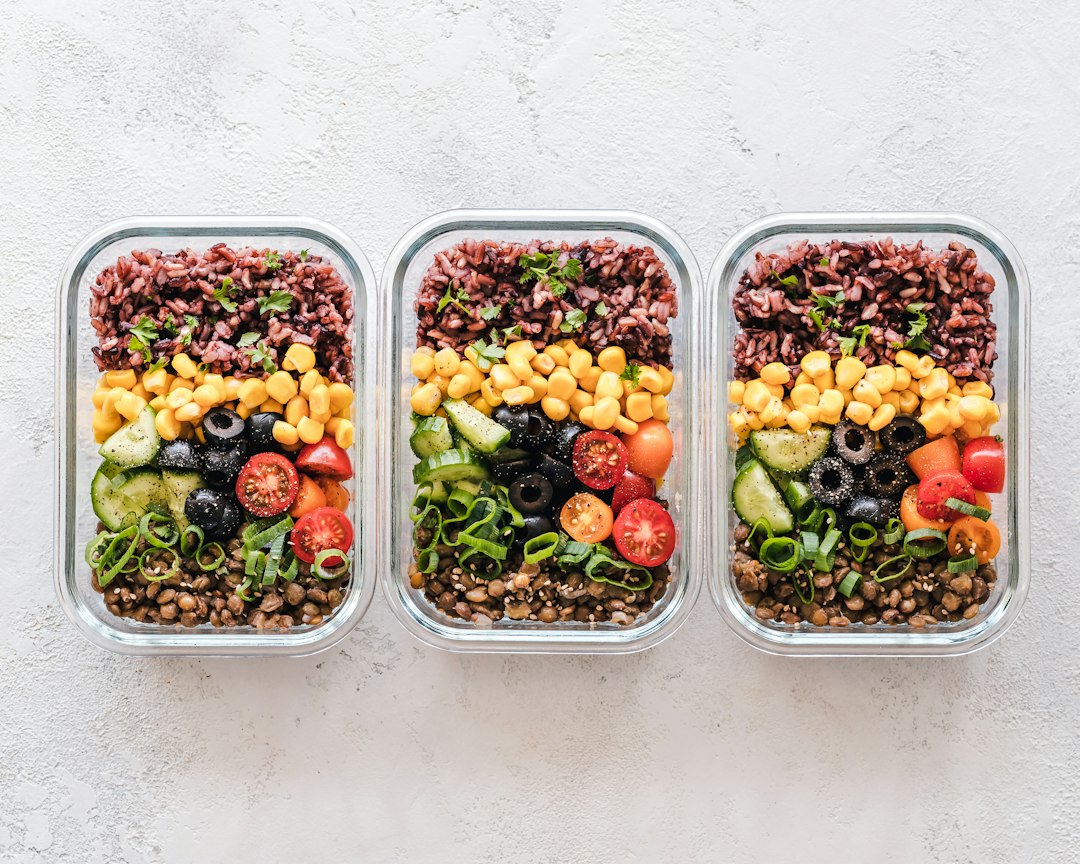
Glass containers make this easy, because you can see what’s inside, reheat in the same dish and stack them neatly. I use a Pyrex Simply Store Glass Food Storage Set and label the lids with a quick note on what’s inside. It also pairs well with the protein-forward habits I wrote about in Stop Saving the Chicken for Dinner: portion the turkey into lunch-sized containers, and you’ve already solved tomorrow’s protein.
The same logic applies to the sweet stuff that shows up after the holiday. My Halloween-to-New-Year sweet-tooth plan covers how I handle pie and cookies without treating them like contraband. Portion it, plate it, enjoy it, and move on.
When a Photo Log Is Good Enough
I want to be fair to the technology, because I don’t believe in all-or-nothing rules. A photo log is a great fit when:
- You’re building awareness, not chasing a precise number, and the habit of logging matters more than the total.
- Your meals are simple and visible, like whole fruit, plain proteins, eggs and vegetables without sauce.
- You’re maintaining your weight and watching weekly trends instead of daily targets.
- You’ve already done a calibration week and use the photo as a reminder, then adjust the guess yourself.
Weigh instead, at least for a while, when you’re trying to lose fat and progress has stalled, when you’re fueling serious training and need to hit protein or carb targets, or when most of your meals are home-cooked, mixed or sauce-heavy. And if a food app ever makes you feel anxious or obsessive, put it down. Tracking is a tool to learn from, and plenty of people do best with a calibration week once or twice a year and no app the rest of the time.
My Short List for Honest Portions
If you only set up a few things before the holidays, make it these. Each one is linked so you can have it on the counter before the pies come out.
- The scale that started it all: the Etekcity Digital Food Kitchen Scale for a week of honest weighing.
- Fat, measured: OXO Good Grips Stainless Steel Measuring Spoons next to the stove for every pour of oil and pat of butter.
- A lighter coat: the EVO Oil Sprayer Bottle for sheet pans and air-fryer baskets.
- Better gravy: the OXO Good Grips 4-Cup Fat Separator so the flavor stays and most of the fat doesn’t.
- Leftovers with limits: the Pyrex Simply Store Glass Food Storage Set for single-serving portions the day after.
I’m not anti-technology, and I’m genuinely excited about where food recognition is heading. But for now, the most accurate nutrition tool in my kitchen costs less than a holiday pie and doesn’t need a software update. Use the camera to stay consistent, use the scale to stay honest, and let your trained eye do the rest. Walk into this holiday season knowing what’s actually on your plate, and you get to enjoy all of it.
This article is general wellness information, not medical advice. If you have diabetes, a history of disordered eating or specific medical nutrition needs, work with a registered dietitian or your healthcare provider before changing how you track food.