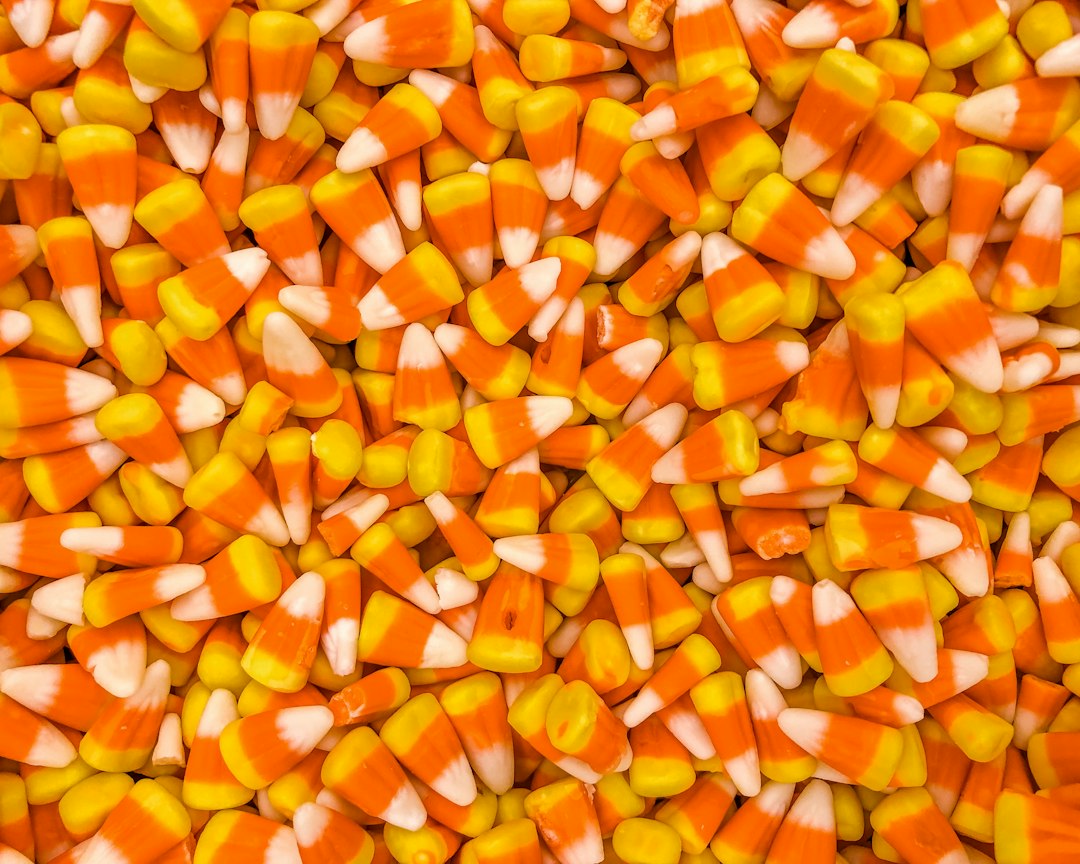
Every year around this week, a giant bag of fun-size candy shows up in my house, and every year I tell myself it’s “for the kids on Saturday night.” By Tuesday, the bag has a suspicious dent in it. Sound familiar?
I spent most of my twenties training for the heptathlon, which means I spent most of my twenties eating like a scientist and craving like a toddler. What I learned back then still holds: the sweet tooth is not a character flaw, and you don’t beat it with willpower. You beat it with a plan. And the stretch from Halloween to New Year’s is the one time of year where you really, truly need one.
So here’s mine. It’s the same plan I walk my clients through every October, and this year I’m writing it down so you can steal it.
Why This Week Matters More Than December
Most people brace themselves for holiday eating somewhere around the middle of December. I think that’s about seven weeks too late. The candy bowl is the opening act, and the habits you build between now and November 1 tend to set the tone all the way through the cookie tins and the New Year’s Eve dessert table.
The numbers back this up. The National Retail Federation expects Americans to spend about $13.5 billion on Halloween this year, and roughly $4.1 billion of that is candy. Ninety-six percent of people who celebrate buy candy. Candy prices have climbed too, with candy and gum up about 8% year over year in the latest government price data, and some industry trackers say Halloween candy costs around 44% more than it did five years ago. That’s a lot of money going into a bowl that mostly gets eaten by the adults standing next to it.
Here’s what I keep coming back to: we don’t buy candy for ourselves, we buy it “for the trick-or-treaters,” and then we eat the leftovers out of guilt and convenience for the next three weeks. That’s the half-life I’m talking about. The bowl doesn’t disappear on November 1. It just slowly decays into your afternoons.
What Three Fun-Size Bars Actually Cost You
Let’s do some quick math, because this is where most people get surprised. A typical fun-size chocolate bar has somewhere around 8 to 10 grams of sugar. Three of them, which is about what disappears during a single “I’ll just grab one” moment, lands you near 27 grams of sugar and roughly 3 grams of protein.
The American Heart Association suggests women keep added sugar to about 25 grams a day and men to about 36. So three tiny bars eaten while you wait for the doorbell can use up an entire day’s added-sugar budget before dinner.
I’m not telling you that to scare you off chocolate. I love chocolate. I’m telling you because the problem with fun-size candy isn’t any single piece. The problem is that the portion is so small it never registers as eating. You don’t sit down, you don’t put it on a plate, and your brain never gets the memo that you had dessert. So you have dessert again at 9 p.m.
The fix is not to never eat it. The fix is to make it count.
My Three Rules for the Candy Bowl Season
These are simple on purpose. Complicated rules don’t survive a Tuesday afternoon slump.
Rule one: protein before treats
If you’re going to have something sweet, have it after a meal with real protein, not on an empty stomach in the middle of the afternoon. A sweet treat eaten after 30 grams of protein and some fiber hits your blood sugar very differently than one eaten solo at 3 p.m. Your energy dips less, and the “one more” voice gets a lot quieter.
This is the same reason I wrote about spreading your protein across the day instead of saving it all for dinner. If your breakfast and lunch are light on protein, your afternoon sweet tooth is going to be loud. If they’re solid, the cravings get noticeably easier to manage.
Rule two: put it on a plate
Every treat goes on a plate or in a bowl. No eating from the bag, no eating standing at the counter, no eating from the bowl by the front door. It sounds silly, but plating it makes it a decision instead of a reflex, and decisions are something you can actually manage.
Rule three: out of sight on purpose
Whatever is visible gets eaten. That’s not a willpower problem, it’s just how people work. Leftover candy goes into an opaque container on a high shelf, and the fruit bowl takes its spot on the counter. My friend over at our home and kitchen blog wrote a great piece on giving your kitchen’s busiest corner an actual system before the holidays, and I’d add one thing to it: decide where the sweets live before they walk in the door.
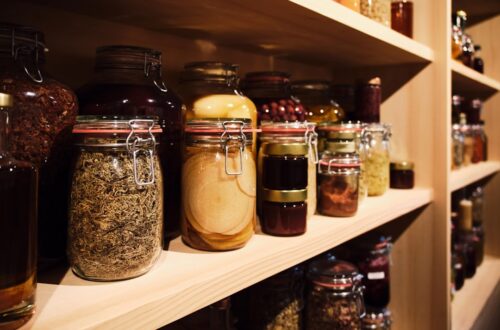
A simple opaque airtight food storage canister on the top shelf of the pantry works better than any amount of motivation. Out of sight genuinely means out of mind.

Trick-or-Treat Night Without the Crash
Saturday night is the big one. Here’s how I handle it, and how I suggest families handle it too.
Eat a real dinner first. Before anyone puts on a costume, everybody eats. Something with protein, a vegetable, and a slow carb. Kids who head out hungry come back and eat candy like it’s dinner, because to their body, it is. Same goes for the grown-ups.
Buy the candy late, and buy less. If you haven’t bought yet, wait until Friday. Fewer days in the house means fewer days of “just one.” And with sales reportedly down this year as prices climb, you probably don’t need the giant bag anyway. Buy what you think you need, and if you run out, turn off the porch light. Nobody’s going to write a review.
Give out something you won’t eat. This is my sneakiest tip. If you love peanut butter cups, don’t hand out peanut butter cups. Pick something that’s fine but not your favorite. The leftovers won’t call your name nearly as loud.
Walk the route. If you’re out with kids, you’re probably logging a couple of miles. Count it. That’s real movement, and it’s a nice reminder that the holiday is about getting outside together, not just the haul.
Do the sort-and-trade the next morning. Let the kids pick their favorites to keep, and trade the rest. Some families do a “switch witch” swap for a small toy or a book. Whatever’s left over goes into that opaque container on the high shelf, or straight to a coworker’s break room.
The Swap Shelf: Treats That Actually Earn Their Spot
I keep a little “swap shelf” in my pantry from now through January. These are sweet things I actually enjoy that bring something useful with them, whether that’s more protein, more fiber, or a lot less added sugar. None of them are magic, and you still want to eat them on a plate, but they make the 3 p.m. moment a lot easier.
Dark chocolate, the grown-up way
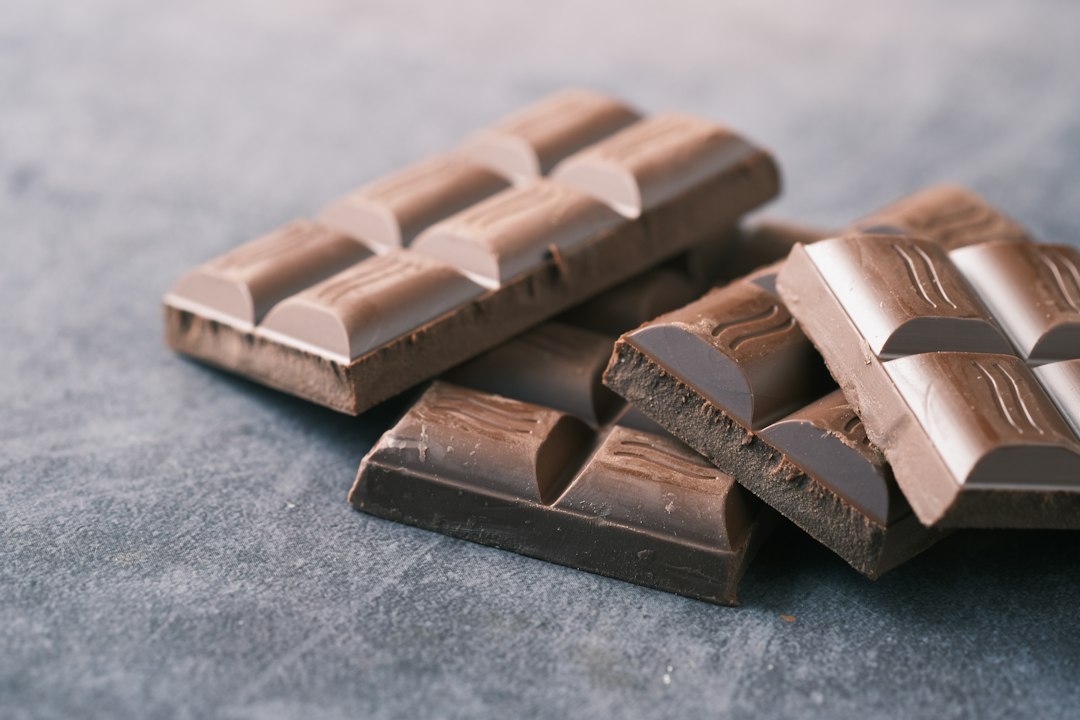
A couple of squares of 70% or darker chocolate scratch the itch better than three milk chocolate bars, at least for me. It’s richer, so you eat less of it, and you get some fiber and minerals along for the ride. I like a good 70% dark chocolate bar broken into squares and stored in the fridge so each piece takes a minute to enjoy.
If peanut butter cups are your weakness, Unreal Dark Chocolate Peanut Butter Cups are a solid switch. They use less sugar than the classic version and taste like the real thing. For something crunchy, SkinnyDipped Dark Chocolate Almonds give you a little protein and healthy fat with your chocolate, which helps it feel like a snack instead of a sugar hit.
Gummies and chewy candy
Gummy candy is the one that gets me. A handful turns into the bag almost every time. These days, I keep SmartSweets Sweet Fish low-sugar gummies around instead. They’re sweetened without much added sugar and have a good amount of fiber, so they’re far more filling than regular gummies. Joyride low-sugar gummy candy is another family favorite, and kids genuinely don’t seem to notice the difference.
One honest note: a lot of these use sugar alcohols or added fiber, and some people’s stomachs don’t love that in large amounts. Start with a small portion and see how you feel.
Protein and fat to blunt the craving
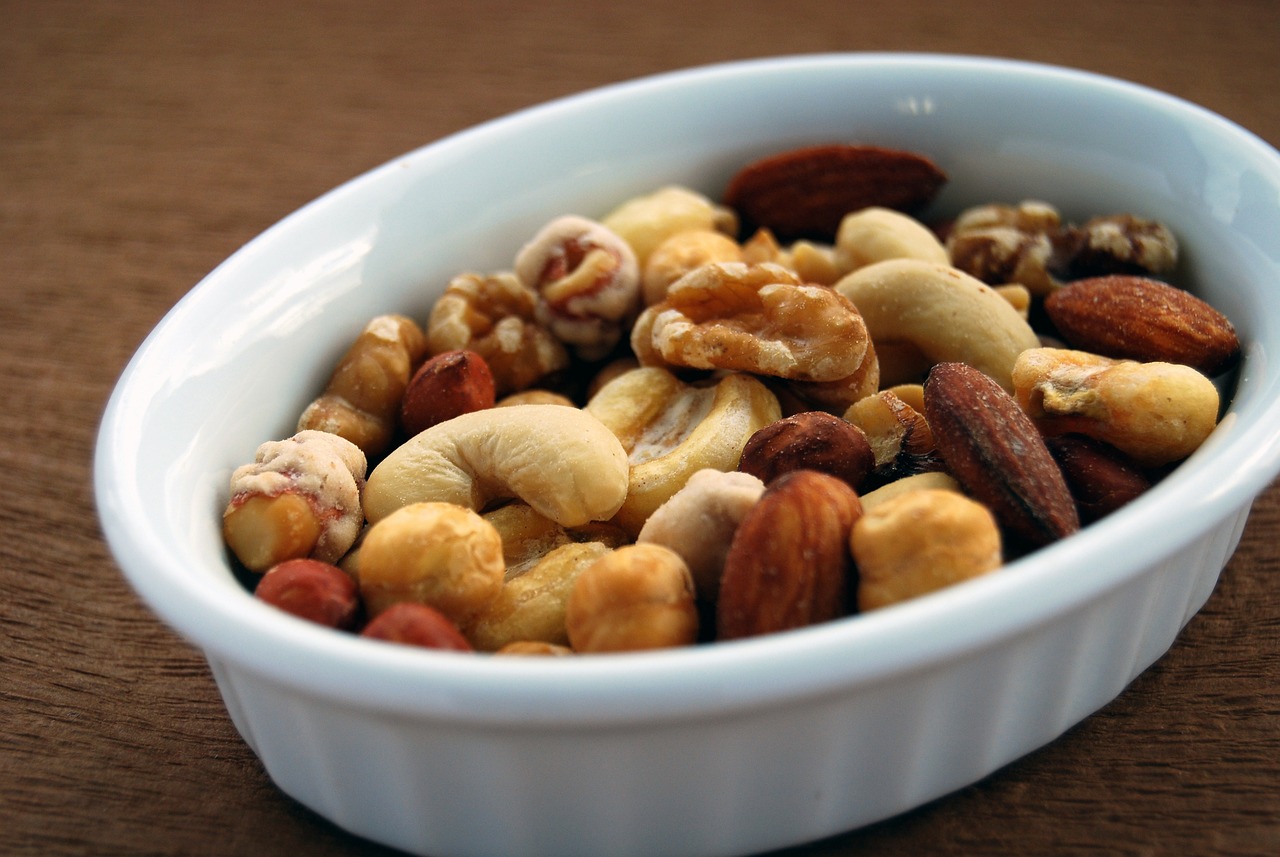
Sometimes what feels like a sweet tooth is really just hunger wearing a costume. Before you reach for the candy, try a handful of nuts or a protein snack and wait ten minutes. Half the time, the craving fades.
I keep Justin’s Almond Butter Squeeze Packs in my bag and my car for exactly this reason. One packet with an apple is my favorite afternoon reset. A low-sugar dark chocolate protein bar is another good option on busy days, and it actually feels like dessert. Look for bars with more protein than sugar, and check the label for added sugar, not just total sugar.
And yes, protein powder belongs on this list. Protein powder has been one of the most searched wellness products this fall, and I get the appeal. A scoop of low-sugar chocolate whey protein powder blended with frozen banana and a splash of milk tastes like a milkshake and keeps you full for hours. If you’re shopping, taste matters more than people admit, because a protein powder you don’t enjoy just sits in the cupboard.
Five-Minute Desserts I Make Instead
When I want dessert, I want dessert. Not a sad rice cake. Here are the quick ones I lean on all season.

The “candy bowl” parfait. Greek yogurt, a handful of berries, a sprinkle of granola, and a few dark chocolate chips on top. You get about 20 grams of protein, plenty of crunch, and enough chocolate to feel like a treat. I keep a bag of Lily’s Dark Chocolate Baking Chips just for this.
Chocolate protein mug cake. One scoop of chocolate protein powder, one egg, a tablespoon of cocoa, a little baking powder, a splash of milk. Microwave for about a minute. It’s warm, it’s chocolate, and it actually fills you up.
Frozen yogurt bark. Spread Greek yogurt on a lined tray, top with berries, chopped nuts, and a drizzle of melted dark chocolate. Freeze, break into pieces, and keep in the freezer. Kids love making this one, and it’s a great after-school project during candy season.
The ice cream that isn’t quite ice cream. If you’ve got a ninja-style ice cream maker gathering dust, now’s its moment. I wrote about a month of high-protein desserts I made in mine over the summer, and the chocolate peanut butter version is basically a peanut butter cup you can eat with a spoon.
Walk It Off, Literally
This is the simplest habit on the whole list, and it might be the most powerful. After dinner, especially after dessert, go for a ten-minute walk. No gear, no tracking, just a loop around the block.

Light movement after a meal helps your muscles pull sugar out of your bloodstream, which can flatten the spike you’d otherwise get from dessert. I talked about this in detail in my post on the ten-minute after-dinner walk, and it’s one of the habits my clients stick with longest because it barely feels like effort. The fall air helps too. There’s no better time of year to be outside after dinner.
If you’re training for a holiday race, this is also great low-key mileage. A short evening walk adds up across a couple of months without beating up your legs.
The Long Game: Halloween to New Year’s
The candy bowl is just the beginning. Thanksgiving pie, office cookie trays, holiday parties, and the classic “it’s only once a year” mindset are all on the way. Here’s how I think about the next nine weeks.
Pick your moments. Not every sweet is worth it. Your grandmother’s pecan pie at Thanksgiving? Absolutely, have a real slice and enjoy every bite. The grocery store cookies in the break room on a random Wednesday? Probably not. When you save your sweets for the treats you genuinely love, you end up eating less and enjoying it more.
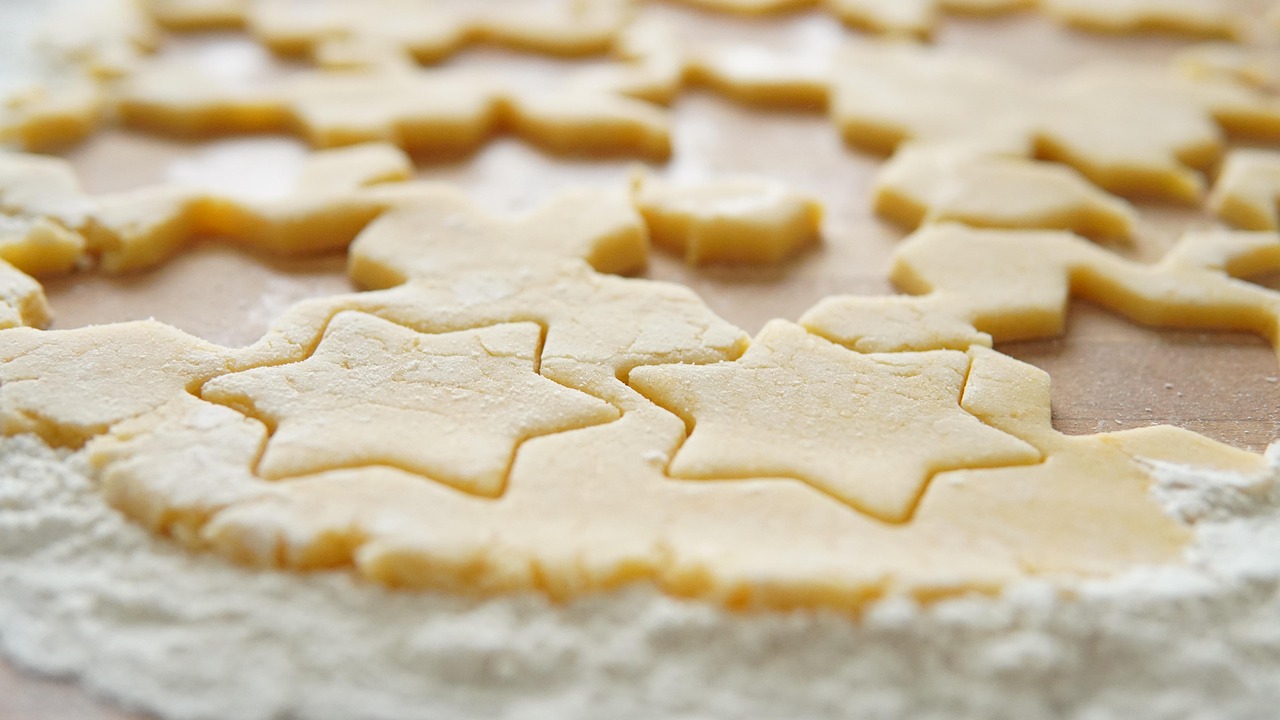
Bake smarter, not sadder. When I bake holiday cookies, I don’t try to turn them into health food. I just make them a little smaller, cut the sugar by about a quarter (most recipes don’t miss it), and add things like nuts, oats, or dark chocolate. If you like a lighter sweetener for some recipes, a granulated monk fruit sweetener can stand in for part of the sugar without a weird aftertaste.
Weigh it once. If you have no idea how much you’re actually eating, use a digital kitchen food scale for one week. Weigh your usual “handful” of candy or nuts. Most people are shocked. You don’t have to weigh forever, just long enough to recalibrate your eyes.
Keep the protein steady. The weeks when your protein is solid and your sleep is decent are the weeks your sweet tooth stays quiet. When both slip, sugar starts looking like the answer to everything. Treat protein and sleep as your sweet-tooth defense team.
What I Tell Clients When They Slip
You will eat the candy at some point. Maybe a lot of it. Maybe at 10 p.m. standing over the bag. That’s fine. Really.
When it happens, don’t compensate by skipping breakfast or doing a punishing workout the next day. That just sets up the next binge. Instead, get right back to normal: a protein-forward breakfast, a glass of water, a walk, and a real plan for the next treat. One evening of candy doesn’t undo anything. A week of guilt-driven chaos can.
The goal here was never perfection. The goal is to reach January feeling strong, energized, and in control, without feeling like you missed out on the best parts of the season.
Your Candy Bowl Game Plan, In Short
- Buy the Halloween candy late, buy less, and pick something you don’t love.
- Eat a real dinner before trick-or-treating.
- Have protein first, then sweets, and always on a plate.
- Store leftovers in an opaque container out of sight.
- Stock a swap shelf with dark chocolate, lower-sugar gummies, nut butter, and protein snacks.
- Take a ten-minute walk after dinner, especially after dessert.
- Save your sweets for the treats you truly love between now and New Year’s.
The candy bowl has a half-life, but so does a good habit, and the habits you start this week are the ones still running on New Year’s Day. Start with one rule. Just one. Then let me know how it goes.