
I thought I had my nutrition dialed in. After two decades of competitive athletics, coaching, and writing about wellness, I could recite my macros in my sleep. Protein? Covered. Carbs? Timed to perfection around training. Fats? Avocado, olive oil, almonds — all the right sources. But there was one number on my daily tracker that I kept glossing over, week after week, the same way you skip a stretch you know you should do. Fiber. And it turns out, that single oversight was quietly shaping how my body processed everything else I was putting into it.
It wasn’t until a routine checkup last spring — when my doctor asked me to track my intake for two weeks and come back with the data — that the gap became impossible to ignore. I was hitting maybe 12 to 15 grams of fiber on a good day. The daily recommendation for women sits around 25 grams, and many gut health researchers now suggest 30 or more for optimal microbial diversity. My protein-obsessed, vegetable-light approach had quietly starved the very system responsible for absorbing all those expensive supplements I was taking.
What followed was a deep dive into gut health that rewired my entire supplement routine. Here’s what I learned, what I changed, and the specific products that earned a permanent spot on my counter.
The Fiber Gap Nobody Talks About
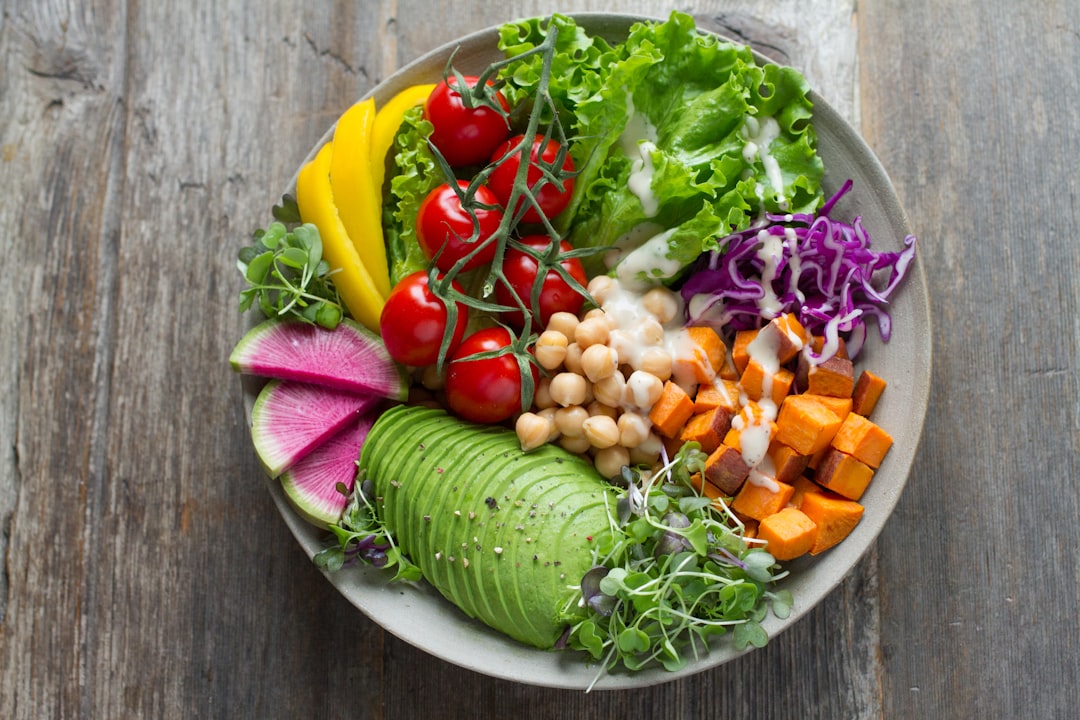
Here’s what surprised me most: fiber isn’t just about keeping things moving through your digestive tract, though that’s certainly part of it. Soluble fiber acts as a prebiotic — essentially food for the beneficial bacteria living in your gut. When those bacteria ferment fiber, they produce short-chain fatty acids like butyrate, which literally fuel the cells lining your intestinal wall. Without enough fiber, that entire ecosystem starts to struggle. The good bacteria dwindle. The lining weakens. Inflammation creeps in. And suddenly, the nutrients from your carefully curated meals and supplements aren’t being absorbed efficiently because the infrastructure is compromised.
My team and I spent a week reviewing the latest research, and the data was eye-opening. Studies show that increasing fiber intake can positively impact everything from immune function and mood regulation to blood sugar stability and hormone balance. One meta-analysis published in The Lancet found that every 8-gram increase in daily fiber was associated with a reduction in total mortality. That’s not a marginal benefit — that’s a foundational pillar of health sitting in the cereal aisle, ignored.
But here was my problem: I didn’t want to eat 30 grams of fiber through food alone. That’s roughly six cups of broccoli or four cups of lentils daily — not exactly compatible with a high-protein athletic diet that already keeps me full. I needed to bridge the gap strategically.
That’s where a clean soluble fiber supplement enters the picture. I started with Benefiber’s unflavored prebiotic powder because it dissolves completely in water without any grit or taste, making it the easiest addition to my existing morning routine. One teaspoon adds 3 grams of soluble fiber — not a replacement for food, but a reliable bridge when I’m traveling or training hard and my meals aren’t as vegetable-dense as I’d like.
Rebuilding From the Inside Out: Probiotics That Actually Deliver
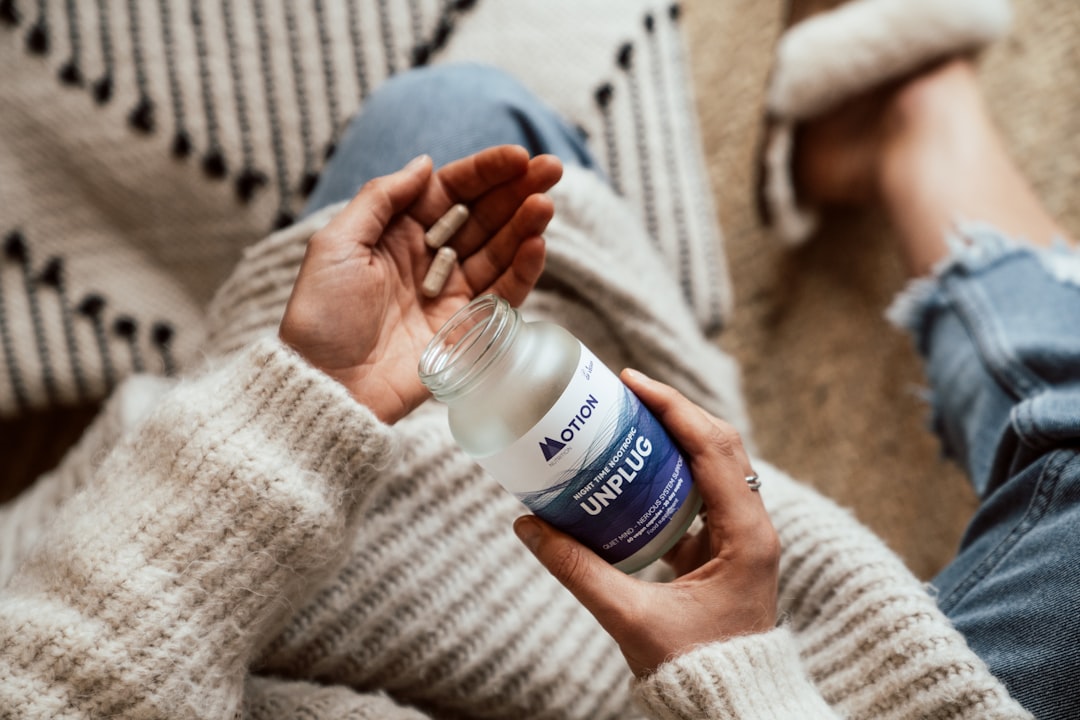
Adding fiber without introducing beneficial bacteria is like setting a table without inviting guests. The prebiotic fiber needs something to feed. So I revisited my probiotic strategy, which had been nonexistent for the better part of a year after I got burned out on supplement fatigue.
Not all probiotics are created equal — something I learned the hard way after trying a shelf-stable grocery store brand that did absolutely nothing for eight weeks. The two that genuinely moved the needle for me were Physician’s CHOICE 60 Billion CFU, which packs ten diverse strains alongside organic prebiotics, and Seed’s DS-01 Daily Synbiotic, which combines both prebiotics and probiotics in a single capsule with a delivery system designed to survive stomach acid. The Seed starter pack costs more upfront, but the convenience of a true synbiotic — meaning it includes the food source and the bacteria in one — made it my everyday choice after testing both for a month each.
The difference was subtle at first. Less bloating after meals. More consistent energy through the afternoon dip. A regularity I hadn’t realized I was missing. Within three weeks, my body was processing food more efficiently and I felt lighter, less sluggish, genuinely better. That’s when it clicked: I had been spending hundreds on recovery tools and wearables while ignoring the foundational system that determines whether any of that investment actually gets absorbed.
The Digestive Enzyme Game-Changer I Was Missing

Even with fiber and probiotics sorted, something still felt off when I ate larger meals — particularly protein-heavy post-workout dinners. My stomach would feel heavy for hours, and occasionally I’d get that uncomfortable fullness that made evening training sessions miserable. A nutritionist friend suggested I look into digestive enzymes, and after rolling my eyes at yet another supplement, I reluctantly gave it a shot.
I went with Physician’s CHOICE Digestive Enzymes because the formula includes 16 different enzymes alongside prebiotics and probiotics — covering all the bases in one capsule. I take one about fifteen minutes before heavier meals, and the difference in how quickly and comfortably I digest has been remarkable. For my athletes who travel and eat restaurant food regularly, I’ve also recommended Zenwise’s enzyme blend with bromelain and papaya, which comes in a larger 180-count bottle that’s more economical if you’re using them daily.
Enzymes aren’t a magic pill, and they won’t fix a genuinely poor diet. But if you’re eating well and still feeling like your digestion is sluggish — especially as you age and natural enzyme production decreases — this is one category worth exploring. I wish someone had told me about it five years ago.
Why Greens Powder Earned a Permanent Spot

I wrote previously about ditching my multivitamin for a daily greens drink, and that experiment has held up for over a year now. What I didn’t fully appreciate at the time was how much the greens powder was contributing to my fiber intake and gut microbiome diversity. The best greens formulas include dozens of plant species, and research increasingly shows that microbial diversity thrives on — you guessed it — dietary diversity. Eating thirty different plants per week is the gold standard, but realistically, most of us rotate through the same ten or fifteen.
My go-to is Country Farms Organic Super Greens, which blends 50 organic superfoods including fruits, vegetables, fiber, probiotics, and mushrooms into a single scoop. It’s not the fanciest option on the market, but the ingredient list is impressive for the price and the taste is genuinely good mixed into cold water or a smoothie. For clients who want a cleaner-label alternative, Orgain’s Organic Greens with 50 superfoods includes a billion CFU of probiotics and is completely plant-based and gluten-free.
Bone Broth and Collagen: The Gut Lining Connection

This is where things get interesting. I’d been using collagen peptides for years — mostly for joint health and skin, which I wrote about after a 90-day experiment — but I hadn’t connected the dots between collagen and gut health. The connective tissue in your intestinal lining is partly composed of collagen and gelatin. When I started reading about how bone broth and collagen could support that lining, I began looking at my morning scoop differently.
I now rotate between two products. Paleovalley’s Grass-Fed Beef Bone Broth Protein is my recovery-day choice — it delivers 15 grams of protein alongside naturally occurring collagen, glucosamine, and gelatin. On training days, I use Orgain’s Collagen Peptides with added prebiotics and probiotics because it blends cleanly into my post-workout shake and adds another billion CFU of beneficial bacteria. The combination of amino acids, collagen-specific proteins, and gut-supporting compounds creates a synergy that neither delivers alone.

If you’re building a gut-focused routine from scratch, I’d start with bone broth protein before adding a separate collagen product. The naturally occurring gelatin and amino acid profile in quality bone broth targets gut lining support more directly than collagen peptides alone. I touched on this in my earlier piece on colostrum and recovery supplements — the foundational, food-derived nutrients often outperform their isolated counterparts.
The Mineral That Ties It All Together
While I was rebuilding my gut health stack, my doctor flagged something else: my magnesium levels were consistently low, even though I ate magnesium-rich foods regularly. The connection between magnesium and digestive function isn’t obvious, but it matters more than you’d think. Magnesium plays a role in muscle relaxation throughout your digestive tract — including the smooth muscles responsible for moving food through your system. Low magnesium can contribute to sluggish digestion and uncomfortable tightness that mimics other gut issues.
I added Pure Encapsulations Magnesium Glycinate to my evening routine specifically because the glycinate form is gentle on the stomach and highly bioavailable. It also doubles as a sleep aid, which ties into the recovery side of my wellness equation. If you want the full breakdown of why magnesium quietly runs your entire recovery system, I wrote about it after stopping it for a month and regretting everything.

How I Stacked It All Without Losing My Mind

Here’s the honest truth: none of this works if you can’t stick with it. I’ve tried elaborate supplement protocols that required a spreadsheet and three alarms, and I abandoned every single one within two weeks. What finally stuck was a stripped-down approach I detailed in my guide to building a supplement routine that actually lasts. Here’s my current daily framework:
- Morning: Soluble fiber in water, probiotic capsule, and a scoop of greens powder mixed with collagen peptides
- Pre-workout: Light snack — no supplements needed
- Post-workout: Protein shake with bone broth protein on recovery days
- Before heavier meals: One digestive enzyme capsule, fifteen minutes prior
- Evening: Magnesium glycinate, thirty minutes before bed
That’s it. Five touchpoints throughout the day, none of which requires more than sixty seconds. I keep everything in a small tray on my kitchen counter — visible, accessible, and impossible to forget. The journal stays nearby for tracking how I feel, which keeps me honest about what’s actually working versus what I’m just taking out of habit.
What Thirty Days of Consistency Actually Looked Like
By the end of the first week, the most noticeable change was regularity — not a glamorous topic, but if you’ve ever struggled with it, you know how much it affects everything else. My energy stabilized. The afternoon brain fog I’d attributed to overtraining started lifting. My skin looked clearer, which I attribute to the combination of improved gut function and the collagen peptides working synergistically.
By week three, I noticed I was recovering faster between training sessions. Less soreness, less stiffness, better sleep quality. The magnesium likely deserves credit for the sleep improvements, but the gut changes amplify everything — when your body actually absorbs what you’re consuming, every other investment compounds. My go-to fiber powder costs less than a dollar per serving. The return on that investment is outsized compared to most of the expensive gear I’ve tested over the years.
At the thirty-day mark, I had my follow-up bloodwork done. Inflammatory markers had dropped. Vitamin D absorption had improved despite no change in my D3 intake. My doctor noted better overall nutrient panels across the board — a direct reflection of a gut that was finally doing its job as a delivery system.
The Takeaway I Wish I’d Had Fifteen Years Ago
If I could go back and tell my twenty-something self one thing about nutrition, it wouldn’t be about protein timing or carb cycling. It would be this: your gut is the gatekeeper for everything else you do. You can eat the cleanest diet, take the best supplements, and follow the smartest training program — but if your digestive system isn’t functioning optimally, you’re leaving an enormous amount of potential on the table.
You don’t need to overhaul your entire life overnight. Start with fiber — it’s the cheapest, most accessible supplement on this list, and it has the broadest impact. Add a quality probiotic. Consider digestive enzymes if larger meals leave you feeling weighed down. Layer in the other pieces as you dial in what your body responds to. Track how you feel. Adjust. Repeat.
Wellness doesn’t have to be complicated. Sometimes the most powerful changes come from addressing the fundamentals you’ve been overlooking all along.





2 Comments on “The Nutrient I Overlooked for Twenty Years — and Why Your Gut Is Running Everything”