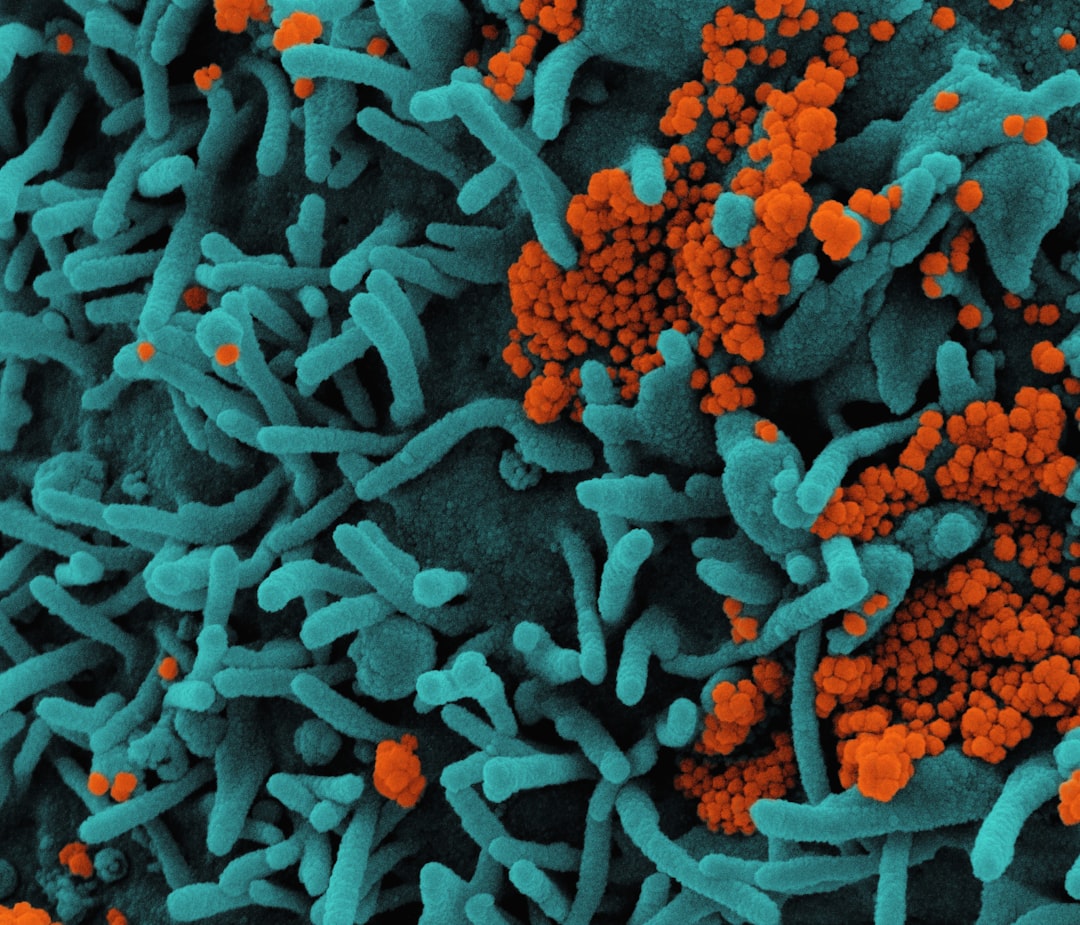
I have been staring at the same shelf of probiotic bottles in my pantry for the better part of a decade. Thirty billion CFUs in the blue bottle. Fifty billion in the white one. A refrigerated capsule that cost me seventy dollars and promised to repopulate my gut with strains I could barely pronounce. And for most of those years, I swallowed them faithfully, trusting that I was doing something profoundly good for my body.
Then my nutritionist drew me a diagram on the back of a napkin that made every one of those bottles feel like a detour.
She sketched a simple chain: prebiotics feed probiotics, probiotics produce postbiotics, and postbiotics are the compounds that actually do the work. The short-chain fatty acids. The antimicrobial peptides. The cell-wall fragments that signal to your immune system. She looked at me and said, “You’re spending all this energy shipping in live bacteria, hoping they survive stomach acid, hoping they colonize, hoping they produce the right metabolites. What if you just skipped the middleman?”
I sat with that for a moment. Then I went home and started reading.
What Postbiotics Actually Are (And Why the Science Is Moving Fast)
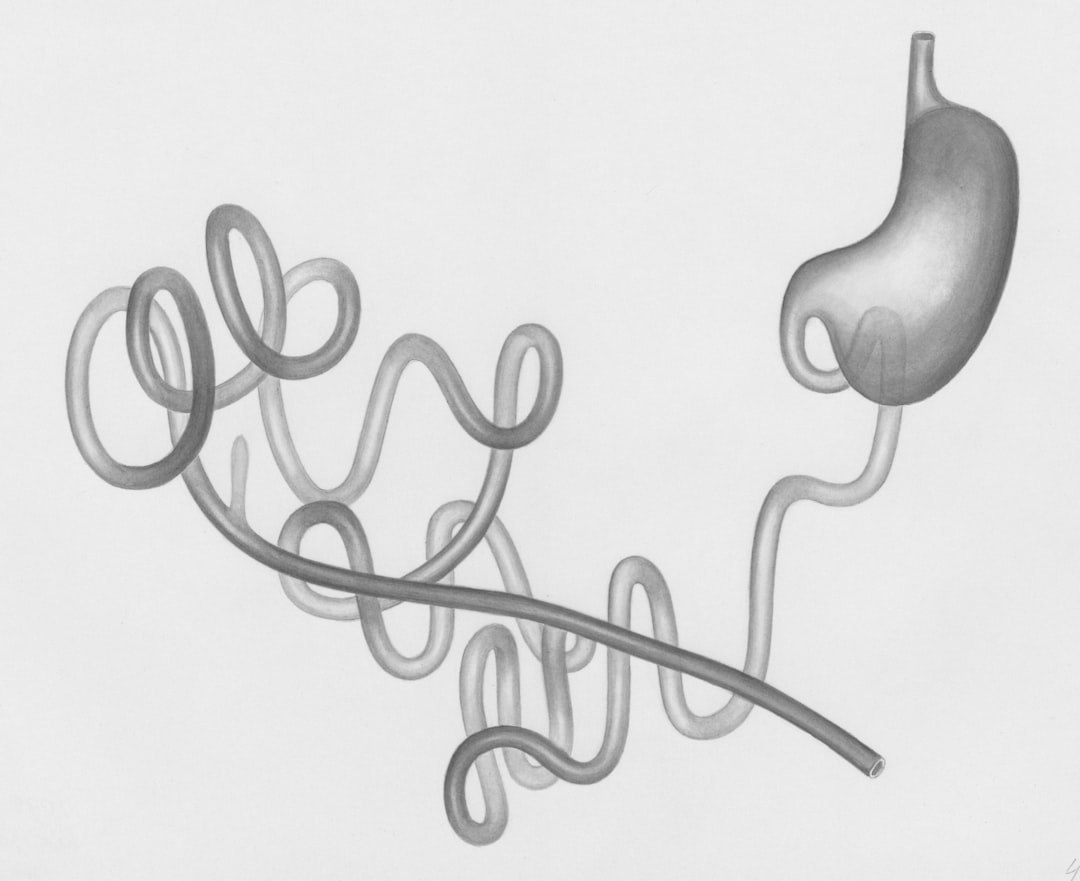
Postbiotics are the bioactive compounds that beneficial bacteria produce when they ferment fiber in your gut. Think of them as the exhaust pipe of a healthy microbiome — except this exhaust is incredibly valuable. The most studied class is short-chain fatty acids, particularly butyrate, which serves as the primary energy source for the cells lining your colon. Without sufficient butyrate, that lining weakens, and you start dealing with the cascade of issues loosely grouped under “leaky gut.”
A 2026 review published in Frontiers in Microbiology laid out the case plainly: postbiotics offer the therapeutic benefits of probiotics without the logistical nightmares. They do not require refrigeration. They survive gastric acid. They are stable at room temperature and standardized in dosing. And critically, they are safe for people with compromised immune function — a population that should be cautious with live probiotic strains. The researchers noted that postbiotics are particularly well-suited for clinical settings because you get consistent, measurable compounds every single time.
Another study from MDPI, published in February 2026, characterized postbiotics as “preparations of inanimate microorganisms and/or their components that exert biological effects on the host.” In plain English: dead bacteria and their metabolic byproducts can be just as therapeutic as the living version. Sometimes more so, because you can control exactly what you are getting.
My team started digging into the research and what we found was a supplement category that is quietly exploding — not with hype, but with data. Studies showing that postbiotic supplementation improves gut barrier function. Trials linking tributyrin (a sustained-release form of butyrate) to reduced intestinal inflammation. Research connecting short-chain fatty acid production to better metabolic health, improved appetite signaling, and even mood regulation.
My Ninety-Day Postbiotics Experiment

I decided to run the experiment on myself. For ninety days, I replaced my daily probiotic capsule with a tributyrin-based postbiotic supplement. I kept everything else constant — my diet, my training schedule, my sleep protocol. I wanted to isolate the variable as cleanly as a real-life n=1 study allows.
The first two weeks were unremarkable. I did not feel worse, which was a relief, but I did not feel dramatically different either. By week three, something shifted. The afternoon bloating that had been a low-grade companion for years started thinning out. My bowel movements became more regular — not in a dramatic, urgent way, but in a quiet, dependable rhythm that I had not realized I was missing.
By week six, my energy crashes disappeared. You know that 3 PM wall that sends you hunting for coffee or sugar? It just was not there. I cannot prove this was the postbiotic, but the timing was suspicious. Short-chain fatty acids are involved in appetite regulation and blood sugar stability, and my glucose patterns — tracked on my wearable — showed measurably less variability throughout the day.
By the end of the ninety days, I ran a stool test through my functional medicine practitioner. The results showed increased microbial diversity and a notable rise in butyrate-producing species. My practitioner was not surprised. She said she had been seeing this pattern in clients who shifted toward postbiotic supplementation — the gut environment becomes more hospitable to the very bacteria that produce butyrate naturally. It is a virtuous cycle.
I was converted. Not in a dramatic, throw-everything-away way, but in a quiet, reshuffle-the-shelf way. The expensive refrigerated probiotic went into the donation bin at my local YMCA. The CoreBiome tributyrin supplement I had been testing earned a permanent spot in my morning lineup. And I started thinking differently about how to feed the entire ecosystem.
The Food-First Approach: Your Kitchen Is a Postbiotic Factory
Before I dive into the supplement side, I want to be clear about something: you can produce postbiotics in your own gut without spending a dime on capsules. The process is simple in theory. Eat enough diverse fiber, and your bacteria will ferment it into short-chain fatty acids. The problem is that most people are not eating enough fiber — not even close.
The daily recommendation sits somewhere between 25 and 38 grams of fiber, depending on your sex and activity level. The average American consumes about 15. That gap matters because fiber is the raw material your bacteria need to manufacture butyrate, propionate, and acetate. Starve them of fiber, and they cannot produce the compounds that keep your gut lining intact and your inflammation in check.
This is where fermented foods earn their place. A study highlighted by Verywell Health found that consuming just half a cup of kefir daily altered gut bacteria in ways that increased short-chain fatty acid production. Kefir is one of the most concentrated food sources of beneficial bacteria and their metabolites — it is essentially a postbiotic delivery system in a glass. If you have never tried making it at home, a good kefir starter kit makes the process surprisingly approachable, and the flavor blows store-bought versions out of the water.

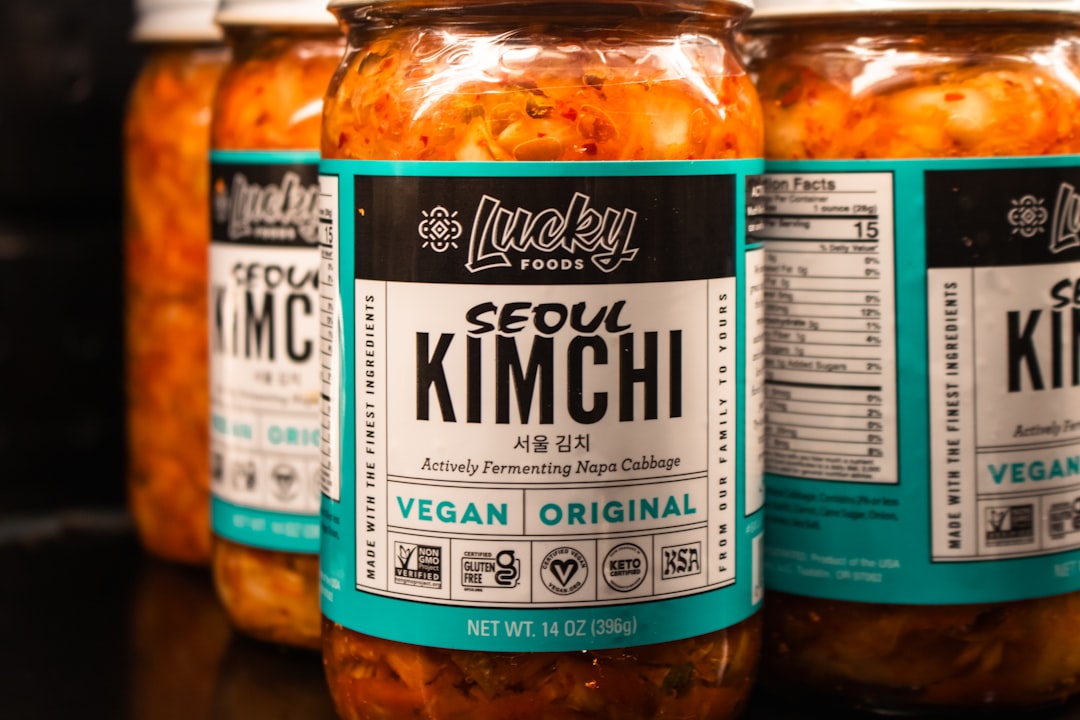
Sauerkraut, kimchi, miso, and kombucha operate on the same principle. These foods contain both the bacteria and the postbiotic compounds they produced during fermentation — you are getting the entire package in every bite. I have been running a fermentation station on my counter for about three years now, and a quality mason jar fermentation kit makes it almost effortless. Wide-mouth jars with airlock lids keep everything anaerobic and safe while the good bacteria do their work.
The beautiful thing about fermented foods is that they give you the full spectrum — prebiotics, probiotics, and postbiotics in a form your body recognizes as food. Supplements fill gaps. Food builds the foundation. I wrote about this same philosophy in my deep dive on the nutrient I overlooked for twenty years, and the more I learn about gut health, the more convinced I am that consistency with the basics outperforms any single supplement.
Building a Postbiotic-Friendly Supplement Stack

Once your nutritional foundation is solid, supplements can amplify the process. I view them as a three-layer system: fiber to feed your bacteria, postbiotics to deliver the compounds directly, and digestive enzymes to make sure you are actually absorbing everything you eat.
Layer one is fiber. If you cannot consistently hit 30-plus grams per day through food alone, a prebiotic supplement is the most efficient bridge. I have been using a soluble fiber supplement with prebiotics that dissolves invisibly into my morning smoothie. It feeds the butyrate-producing bacteria in my colon, which then manufacture their own postbiotics on-site. If you want a pharmacy-aisle option, Benefiber’s unflavored prebiotic powder is a budget-friendly staple that does the same job without altering the taste of whatever you mix it into.
Layer two is the postbiotic itself. The most clinically validated form is tributyrin, a triglyceride molecule that delivers butyrate in a sustained-release format. I tested the CoreBiome tributyrin formulation during my experiment and saw the best results, but there are solid alternatives. The Doctor’s Best High Absorption Postbiotic uses the same CoreBiome ingredient in a liquid veggie cap, and Designs for Health Tri-Butyrin Supreme adds an odor-minimizing innovation that makes it more pleasant to take. For anyone who wants the all-in-one approach, a combined probiotic, prebiotic, and postbiotic blend covers all three bases in a single capsule.
Layer three is digestive enzymes. This is the layer most people skip, and it is the one that made the biggest difference in my day-to-day comfort. Enzymes break down food into absorbable units, which means more nutrients reach your gut bacteria and fewer ferment in the wrong place, causing gas and bloating. A broad-spectrum digestive enzyme blend with prebiotics and probiotics covers every meal, and the classic NOW Super Enzymes formula has been a workhorse in the wellness community for years.
The goal is not to take all of these forever. It is to create the conditions where your gut eventually does all of this on its own. I talk about this iterative approach to supplement stacking in my guide to building a wellness stack that actually sticks — start with the gaps, fill them, and then simplify as your body recalibrates.
Who Should Actually Consider Postbiotics?

Postbiotics are not a magic bullet, and I am not here to tell you they will transform your life overnight. But there are specific situations where they make a compelling case.
If you have been on long-term probiotics without noticeable improvement, postbiotics offer a different mechanism of action. Instead of introducing new bacteria and hoping they colonize, you are delivering the beneficial compounds directly. For people with sensitive guts who react to live probiotic strains — bloating, histamine responses, or immune concerns — postbiotics eliminate that risk entirely because the bacteria are no longer alive.
Athletes and active adults are another group worth paying attention to. Intense training diverts blood flow away from the gut, which can compromise intestinal barrier function over time. Butyrate is the primary fuel for colonocytes, and maintaining adequate levels supports the integrity of that barrier — potentially reducing the inflammation and gastrointestinal distress that endurance athletes know all too well. If you are training hard in the heat this summer, this matters more than you might think.
And anyone dealing with the aftermath of antibiotic use, chronic stress, or a period of poor eating should consider postbiotics as part of their rebuilding protocol. The gut lining takes a beating from all three, and butyrate is one of the most effective tools for helping it recover. I covered a similar recovery framework in my article on colostrum and gut repair, and postbiotics operate in the same space — complementary tools that support the same goal.
The Verdict After Three Months
Here is what I can say with confidence after my experiment: postbiotics are not a replacement for a fiber-rich diet, regular movement, and consistent sleep. Nothing replaces those foundations. But they are one of the most effective targeted supplements I have added to my routine in years.
The bloating reduction alone was worth it. The energy stability was an unexpected bonus. And the stool test results gave me objective confirmation that something measurable had shifted in my gut ecology. I still eat fermented foods daily — kefir in my smoothie, sauerkraut with lunch, kimchi on everything — but the tributyrin capsule has earned its place alongside them.
If you have been cycling through probiotics without results, or if you are simply curious about the next evolution in gut health science, postbiotics are worth a serious look. The research is accelerating, the supplement formulations are improving, and the mechanism of action makes more intuitive sense than swallowing billions of live bacteria and hoping for the best.
Your gut bacteria have been making these compounds your entire life. Maybe it is time to give them a direct line.





3 Comments on “The Compound Your Gut Bacteria Make That Nobody Told You About — and Why I Switched to Postbiotics”