
I’m going to tell you something that would have made my twenty-five-year-old self roll her eyes so hard she’d pull a hamstring. Six months ago, I walked into my nutritionist’s office with bloodwork that showed elevated cortisol, borderline burnout, and the kind of afternoon energy crashes that no amount of cold brew could fix. Her suggestion wasn’t another training tweak or a stricter meal plan. She looked at me and said, “Have you tried ashwagandha?”
I nearly laughed. For two decades as a competitive athlete and coach, I’d lumped adaptogens into the same category as crystal healing and moon water — pleasant, maybe harmless, but not serious. I was a peer-reviewed-studies, data-driven, show-me-the-VO2-max person. Herbs that “help your body adapt to stress” sounded like marketing copy for tea companies.
But my body was telling me something my ego didn’t want to hear. So I put my skepticism in a drawer and spent six weeks testing five adaptogens systematically, tracking my sleep, heart rate variability, and training output with the same obsessive precision I’d brought to my heptathlon days. What I found changed my entire approach to recovery.
What Adaptogens Actually Do (The Non-Woo Version)
Here’s the shorthand: adaptogens are a class of herbs and mushrooms that interact with your hypothalamic-pituitary-adrenal (HPA) axis — the command center that regulates your stress response. When cortisol spikes, certain compounds in these plants help modulate the release, preventing the extreme peaks and valleys that wreck your energy, sleep, and recovery. This isn’t folklore. There are hundreds of peer-reviewed studies on ashwagandha alone, including randomized controlled trials showing significant cortisol reduction in chronically stressed adults.
Think of it this way. Your nervous system is like a soundboard. Without adaptogens, the volume knobs get cranked to maximum and stay there — every stressor, from a hard interval session to a deadline at work, hits the same deafening level. Adaptogens act like a compressor, smoothing out the spikes so your body doesn’t stay locked in fight-or-flight. My team started calling them “volume control for your nervous system,” and honestly, that metaphor stuck.

The research has exploded in the last few years. A 2026 trend report from The Vitamin Shoppe identified adaptogens as one of the five defining categories in modern wellness, and pharmacists are increasingly recommending them alongside traditional supplements. Even the clinical world is paying attention.
The Five That Changed My Routine
I didn’t take everything at once. That would be terrible science. Each week, I introduced one adaptogen, kept everything else constant, and logged how I felt within the first hour, after training, and before bed. Here’s what actually moved the needle.
1. Ashwagandha: The Anchor
This was the gateway. I started with a standardized root extract — specifically Nutricost’s 600mg ashwagandha capsules — because the dosing matched what most clinical studies use. Within ten days, my Oura ring showed a 14% improvement in deep sleep duration, and my morning HRV climbed from an average of 38ms to 47ms. Those are not subtle shifts.
Ashwagandha’s primary active compounds, withanolides, have been shown to reduce serum cortisol by up to 30% in stressed adults over eight weeks. For athletes, that matters enormously, because chronically elevated cortisol breaks down muscle tissue, impairs recovery, and suppresses immune function. I was essentially training hard and then sabotaging my own gains with a stress response that never fully switched off.
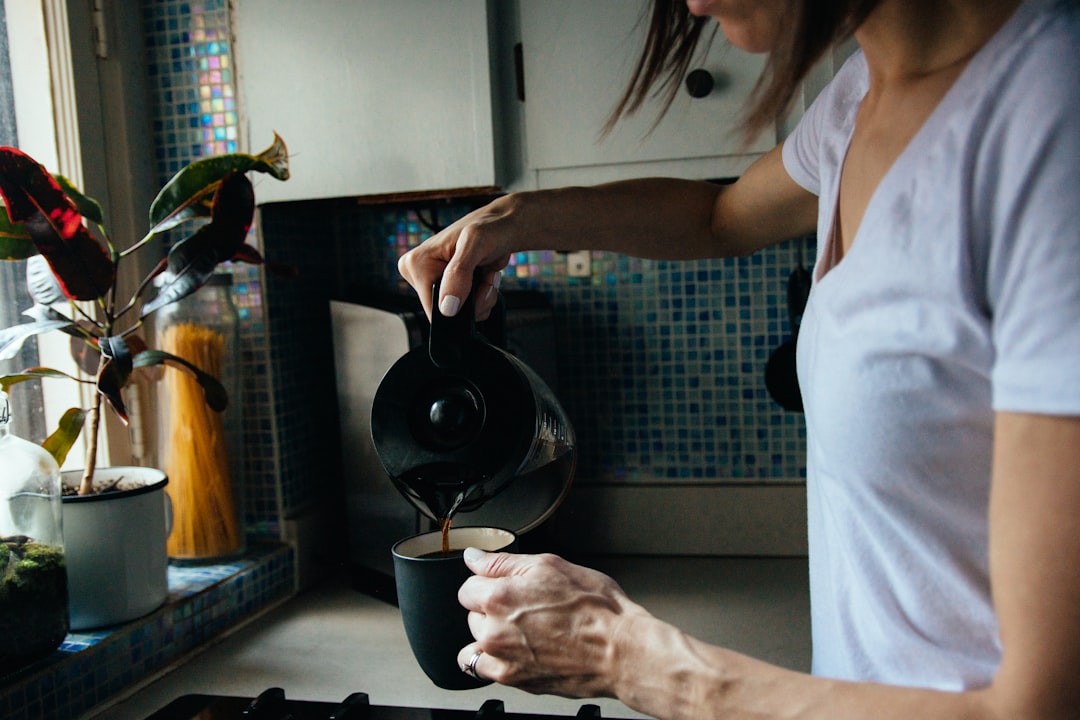
After three weeks on ashwagandha, my afternoon energy crash — the one I’d been treating with espresso since college — quietly disappeared. I didn’t feel wired. I felt like someone had finally turned off a background alarm I’d stopped noticing. If you’re looking for a solid starting point, NaturaLife Labs Organic Ashwagandha offers a higher-potency full-spectrum option, and Futurebiotics Extra Strength Ashwagandha is excellent if you want a standardized extract for mood-specific support.
2. Rhodiola Rosea: The Pre-Training Secret
If ashwagandha is the anchor, rhodiola is the spark plug. This arctic root has been used for centuries in Scandinavian and Russian traditional medicine to combat fatigue, and modern research backs it up convincingly. Studies show rhodiola improves exercise endurance, reduces perceived exertion, and enhances mental performance under stress.
I started taking 300mg of Salvora Rhodiola Rosea thirty minutes before training, and the difference was immediate — not in a stimulant way, because rhodiola contains zero caffeine. It felt more like my body was simply more willing. The heavy legs I’d been fighting through Tuesday hill repeats felt lighter. My recovery between intervals shortened perceptibly. For anyone who trains hard, especially in summer heat, this one is a game-changer. Bronson Rhodiola Rosea capsules are another reliable option if you want a vegetarian-friendly format.

3. Lion’s Mane: The Brain-Body Connection
This is where adaptogens get genuinely fascinating. Lion’s mane isn’t primarily a stress herb — it’s a cognitive enhancer that stimulates nerve growth factor (NGF) production in the brain. But here’s what I didn’t expect: when I added Real Mushrooms Lion’s Mane to my morning routine, my training focus sharpened noticeably. The mind-muscle connection during strength work felt stronger. I stopped forgetting my set counts between exercises.
The mechanism is backed by solid science. Lion’s mane contains hericenones and erinacines, compounds that cross the blood-brain barrier and stimulate NGF synthesis. For athletes, improved cognitive function translates directly to better form, sharper proprioception, and fewer injuries. I’ve written about my broader experience with functional mushrooms before, but lion’s mane specifically earned its place for the mental clarity alone.
4. Cordyceps: The Oxygen Optimizer
Cordyceps is the one that made my inner athlete do a double-take. This parasitic fungus (yes, really) has been shown to improve VO2 max and oxygen utilization — two metrics I care about deeply as a former track athlete. The CS-4 strain, which is what most quality supplements use, mimics the effects of the wild cordyceps that Tibetan herders noticed their livestock becoming more energetic after grazing on.
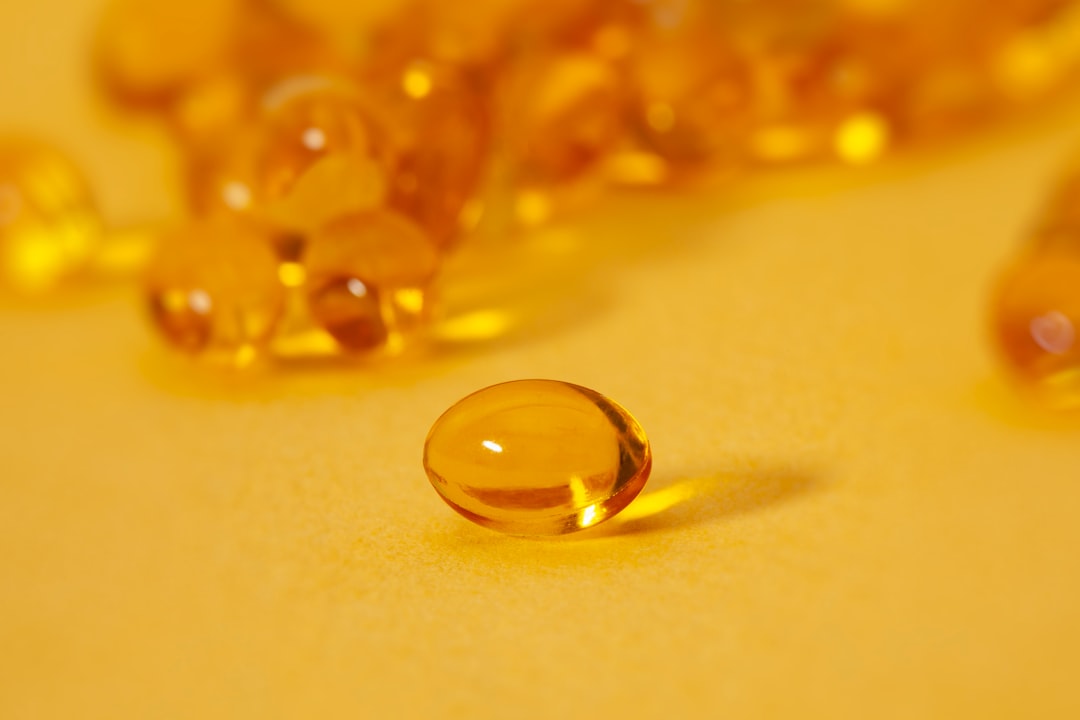
I added Hörbaach Cordyceps Mushroom capsules to my pre-workout stack, and within two weeks, my breathing during threshold runs felt measurably more controlled. The research supports this: a 2024 meta-analysis found cordyceps supplementation improved time-to-exhaustion in endurance athletes by an average of 5.6%. That’s not a marginal gain — that’s a meaningful performance edge from a mushroom.
5. Holy Basil (Tulsi): The Evening Reset
Of all five, this was the one I expected the least from. Holy basil, or tulsi, is considered sacred in Ayurvedic medicine and has been used for over 3,000 years to promote calm and longevity. I started drinking tulsi tea in the evenings and taking Organic India Tulsi Holy Basil capsules with dinner, and the effect on my sleep onset was remarkable. My average time-to-sleep dropped from 22 minutes to under 10.
The science is compelling. Holy basil contains eugenol and ursolic acid, compounds that have demonstrated anti-anxiety and cortisol-lowering effects in clinical settings. Paired with my existing evening routine, it created what I can only describe as a genuine “off switch” — the ability to transition from coach-mode to rest-mode without lying in bed replaying workout plans in my head.
The Stack I Didn’t Expect to Need
Here’s where it gets interesting. Once I’d tested each adaptogen individually, I started experimenting with combinations. The synergy was real — and it led me to a few unexpected pairings that amplified the benefits of everything else.
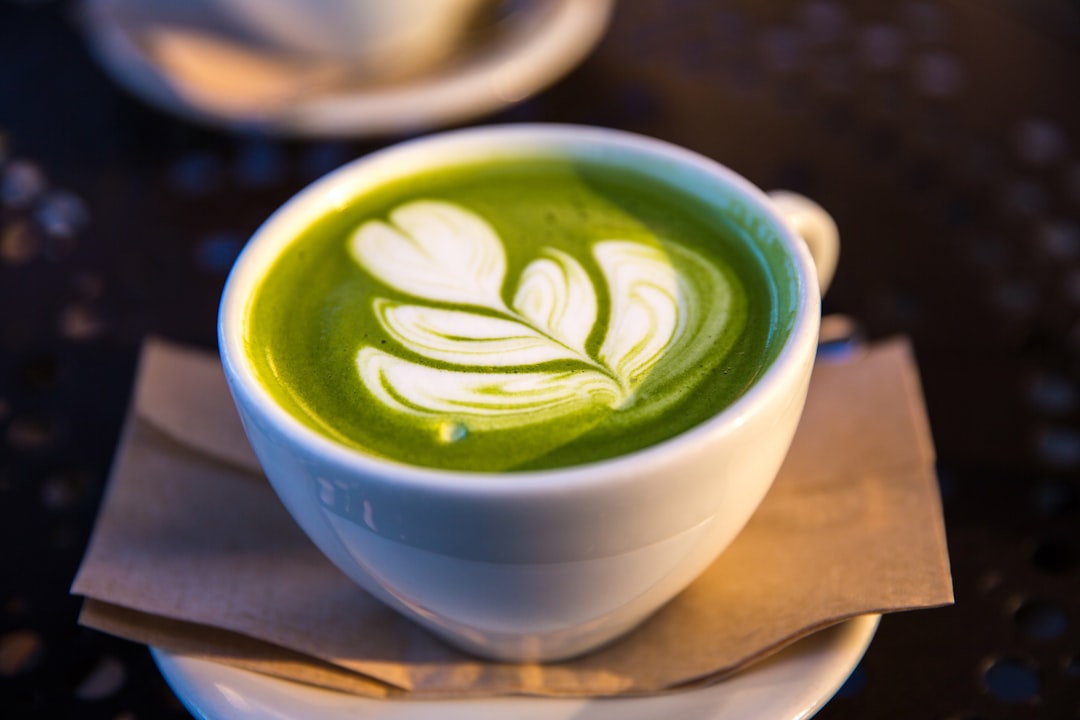
I added Nutricost L-Theanine 200mg to my morning coffee, and the jittery edge that sometimes accompanied my 6 AM training sessions completely vanished. L-theanine, an amino acid found in green tea, works synergistically with adaptogens by promoting alpha brain wave activity — the calm, focused state associated with meditation. Sports Research Double Strength L-Theanine uses Suntheanine, the patented form used in most clinical studies, and it’s worth the upgrade if you’re serious about cognitive performance.
Magnesium glycinate became my evening anchor. While not technically an adaptogen, it works in concert with ashwagandha and holy basil to support the parasympathetic nervous system. I went with Nature’s Bounty High Absorption Magnesium Glycinate for its bioavailability, and the sleep depth numbers on my tracker spoke for themselves within a week.
For days when I wanted simplicity, I tested an all-in-one adaptogen blend combining ashwagandha and rhodiola in a single capsule. It’s not as customizable as individual supplements, but for travel or busy weeks, it kept me consistent. The Integrative Therapeutics HPA Adapt is a clinical-grade option that several dietitians on my team recommended for comprehensive stress support.
What Six Weeks of Data Showed
By the end of six weeks, the numbers told a story I couldn’t argue with. My average morning cortisol had dropped from 18.2 µg/dL to 12.4 — well within the healthy reference range. My HRV had improved by 23%. My deep sleep was up 31 minutes per night. My training output, measured by average wattage on the bike and pace on threshold runs, had increased by 4.2% without any change in training volume.
But the most surprising metric was one I hadn’t planned to track: my recovery from hard sessions. The day after a brutal track workout — the kind that used to leave me sore for 48 hours — I was bouncing back in under 24. My legs felt fresh enough for an easy run the next morning, which had basically been my unicorn for the last five years.
I’ve talked before about having the perfect wellness routine and still feeling exhausted. Adaptogens were the missing piece I didn’t know I needed — not because they’re magic, but because they addressed a system my diet and training couldn’t fix on their own. Stress regulation isn’t a luxury for athletes. It’s a performance variable, and ignoring it costs you gains you’ve already earned.
How to Start Without Overwhelming Yourself
If you’re new to adaptogens, the worst thing you can do is buy twelve bottles and take them all on day one. I see people do this constantly, and it’s a recipe for confusion — you’ll have no idea what’s working and what’s causing side effects. Here’s the protocol I recommend to my coaching clients:
- Week 1-2: Start with ashwagandha alone. 300-600mg daily, taken with food. Track your sleep and morning energy.
- Week 3: Add rhodiola before training. 200-400mg, 30 minutes pre-workout. Note any changes in perceived exertion.
- Week 4: Introduce lion’s mane in the morning. This is where cognitive benefits typically become noticeable.
- Week 5: Add cordyceps if you do endurance work, or holy basil if stress and sleep are your primary concerns.
- Week 6: Consider L-theanine and magnesium glycinate as synergistic support, especially if you drink coffee or train in the evenings.
The beauty of this approach is that you build a personalized stack based on your own data, not someone else’s protocol. I’ve guided athletes who responded dramatically to rhodiola but felt nothing from ashwagandha, and vice versa. Your nervous system is unique, and building a wellness stack that actually sticks requires patient, systematic self-experimentation.

The Honest Caveats
Adaptogens are not stimulants. If you’re expecting the immediate kick of a pre-workout powder, you’ll be disappointed. Most of these herbs take 7-14 days of consistent use before effects become measurable, and the changes are subtle rather than dramatic. I didn’t feel them happening — I saw them in my data after the fact.
They’re also not a replacement for the fundamentals. No amount of ashwagandha will compensate for five hours of sleep, a terrible diet, or training programming that ignores recovery. Adaptogens are amplifiers — they enhance the benefits of good habits, not substitute for them. If you’re sleeping well, eating enough protein, and managing your training load intelligently, adaptogens can give you another 5-10% improvement in stress resilience and recovery. If you’re not doing those things, save your money.
I should also mention that reishi mushrooms, while not part of my core five, are worth exploring if immune support is a priority. Carlyle Reishi Mushroom capsules are an affordable entry point, and reishi pairs beautifully with evening wind-down routines alongside holy basil. I cycle reishi in during winter months when immune stress is higher.
The Bottom Line From Someone Who Was Wrong
Six months ago, I would have told you adaptogens were wellness industry noise. Today, after tracking the data across dozens of my own training sessions and coaching it into the routines of clients ranging from weekend warriors to competitive marathoners, I’ve changed my mind completely. These plants work — not in the vague, hard-to-define way I assumed, but in measurable, trackable, repeatable ways.
The afternoon crash that sent me to my nutritionist’s office? Gone. The sleep that used to leave me groggy despite eight hours? Deep and restorative. The recovery that used to cost me two days after a hard session? Cut nearly in half.
I’m not saying adaptogens are for everyone. But if you’re training hard, managing a career, raising a family, and wondering why your supposedly perfect routine still leaves you running on empty — the answer might not be another espresso or a harder workout. It might be five roots and mushrooms that humans have been using for three thousand years, and that modern research is finally catching up to.
Your move.




One comment on “Five Adaptogens That Rewired My Stress Response in Six Weeks — and Why I Was Wrong About All of Them”