
There’s a moment every athlete knows too well. You roll out of bed, swing your legs over the side, and your feet hit the floor with a thud that travels straight up your calves, through your hamstrings, and settles into a dull, persistent ache behind your kneecaps. For me, that moment usually comes the morning after a heavy session of hill sprints or a particularly aggressive lower-body day. But lately, it had been happening every single morning — regardless of what I’d done the day before. My body was collecting interest on two decades of training, and the bill was coming due.
That’s when my physical therapist mentioned something I’d been quietly dismissing for years. She pulled a modest-looking tube from her drawer, squeezed a dollop onto her fingers, and worked it into my IT band during a session. “You should be using something like this at home,” she said. I glanced at the label. It wasn’t some prescription compound or clinical-grade pharmaceutical. It was a $20 cream called Penetrex that I’d scrolled past a hundred times on Amazon, always assuming it was the same kind of overhyped wellness product that floods every social feed.
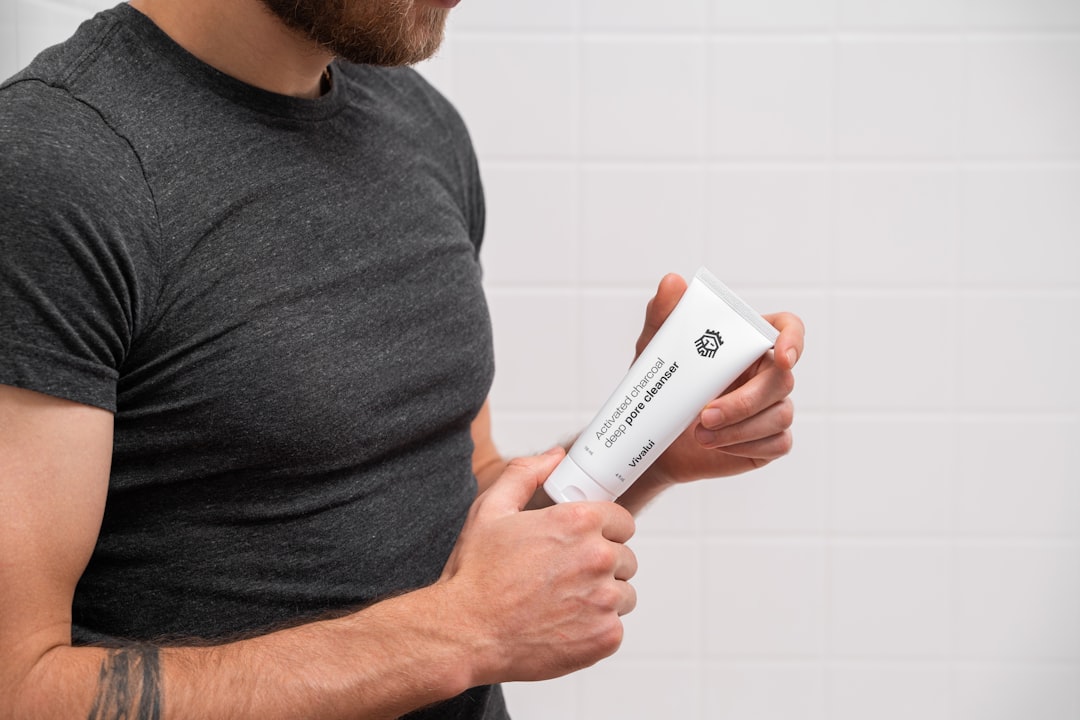
But here’s the thing that stopped me in my tracks: nearly 100,000 reviewers had taken the time to write about this stuff. Not a few hundred enthusiastic fans. Not even a couple thousand. Nearly six figures of people — nurses, athletes, teachers, construction workers, retirees with arthritis — all describing variations of the same experience. Pain that lingered for months. Creams that didn’t work. And then, finally, a tube of Penetrex that did. I’m a coach who has tested every recovery protocol on myself first, from my carefully built recovery stack to cold plunges to EMS therapy. I needed to know whether this cream was the real deal or just the world’s most effective marketing campaign.
What Makes Penetrex Different From Every Other Cream in the aisle
Most topical pain relievers fall into one of two camps. The first is the “distract your nerves” approach — menthol and camphor products like Biofreeze that create a cooling or warming sensation to override pain signals. These work, but they’re temporary. The moment the sensation fades, the pain comes back. The second camp is the homeopathic herbal route — arnica gels, essential oil blends, and DIY remedies that smell nice and do approximately nothing for real tissue recovery.

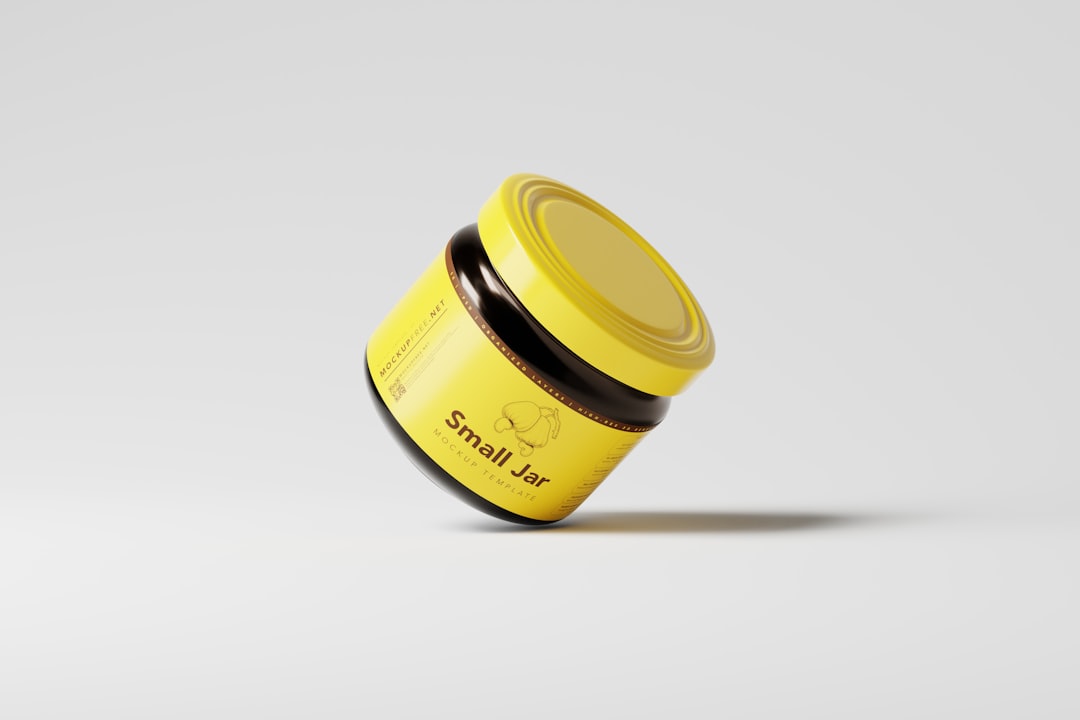
Penetrex takes a different approach. The original formula — the one in the unassuming 2-ounce jar — combines arnica, Vitamin B6, MSM (an organic sulfur compound), and boswellia extract. These aren’t random ingredients thrown together for label appeal. Each one targets inflammation through a different pathway. Arnica reduces bruising and swelling. MSM supports connective tissue health. Boswellia blocks the inflammatory enzyme 5-LOX. And Vitamin B6 plays a role in nerve function and neurotransmitter synthesis. The result is a cream designed to address the underlying inflammation rather than just mask it with sensation.
I picked up the Penetrex Daily Joint & Muscle Care Cream first — the original formula in the 2-ounce size. My plan was simple: apply it three to four times daily to my knees, calves, and that stubborn spot in my right shoulder that never fully relaxes. I’d track everything for six weeks. Sleep quality, morning stiffness, training performance, and subjective pain ratings. My team helped me standardize the protocol so I wasn’t cherry-picking good days or bad days.
Week One: I Wasn’t Impressed (and Then I Was)
I’ll be honest — the first few days did nothing for me. The cream absorbed quickly, had a light botanical scent that wasn’t overpowering, and left no greasy residue. But pain-wise? I didn’t notice a difference. I almost wrote it off as another overrated product with a brilliant marketing team. But the research literature on topical anti-inflammatories suggests they need consistent application for at least a week to build up in the tissue. So I stuck with it.

Day six was the turning point. I’d done a brutal track workout the evening before — 400-meter repeats at near-race pace, the kind of session that normally leaves me limping for two days. I woke up, applied the cream as usual, and went about my morning. Around noon, I realized something was different. The usual post-sprint soreness in my quads and calves was noticeably muted. Not gone — I could still feel that I’d worked hard — but the sharp, biting edge of the pain had been rounded off. For the first time, I understood what all those reviewers were talking about.
The Topical Recovery Tier List: What Actually Works
After three weeks of consistent use, I started branching out. If the original formula was this effective, what about the variations? My team ordered five additional products — a mix of Penetrex’s other formulas and competing brands — and I rotated through them systematically, spending five days with each one. Here’s what we found.
The Penetrex 4-ounce massage cream became my go-to for post-workout application. Same core formula as the original, but in a larger size that’s better value if you’re covering multiple body parts. I used this primarily on my legs after training sessions, working it into my quads, hamstrings, and calves with slow, deliberate strokes. The consistency is slightly thicker than the 2-ounce version, which I actually prefer for massage — it gives you more traction and doesn’t disappear into the skin before you’ve finished working the area.

For days when joint pain was the primary issue — specifically my right knee, which has been cranky since my heptathlon days — I reached for the Penetrex Arthritis Warming Cream with Capsaicin. This one is different. It uses capsaicin (the compound that makes chili peppers hot) to deplete Substance P, a neurotransmitter responsible for sending pain signals. The warming sensation builds gradually, and the first time I used it, I wasn’t prepared for how intense it gets. But for deep, achy joint pain, it was the most effective of the bunch. Word of caution: wash your hands thoroughly after applying, and do not — I repeat, do not — touch your eyes.
The Penetrex Hemp formula with menthol became my afternoon pick-me-up. The menthol provides immediate cooling relief while the hemp extract adds a hydrating element that the other formulas lack. I found it particularly good for my neck and upper back after long hours at my desk writing articles. It’s worth noting that this is a cooling formula, so it functions differently from the warming capsaicin version — I kept both on hand and alternated based on what kind of pain I was dealing with.
How Topical Recovery Compares to Oral Anti-Inflammatories
This is the question I get constantly. Why bother with a cream when ibuprofen exists? The answer comes down to two things: localization and side effects. When you pop an ibuprofen, it goes everywhere. It suppresses inflammation systemically, which can actually blunt the adaptive response to training. Your muscles need some inflammation to rebuild stronger — that’s the whole point of the stress-and-recover cycle. Topical creams deliver active ingredients directly to the tissue that needs them, leaving the rest of your body to do its normal post-workout thing.
The second issue is gastrointestinal. I’ve known athletes who’ve developed serious stomach issues from chronic NSAID use. Ibuprofen and naproxen can damage the stomach lining over time, and they’re hard on the kidneys, especially when combined with the dehydration that comes with intense training. A cream bypasses all of that. There’s a reason my physical therapist reached for the tube instead of telling me to take more pills.
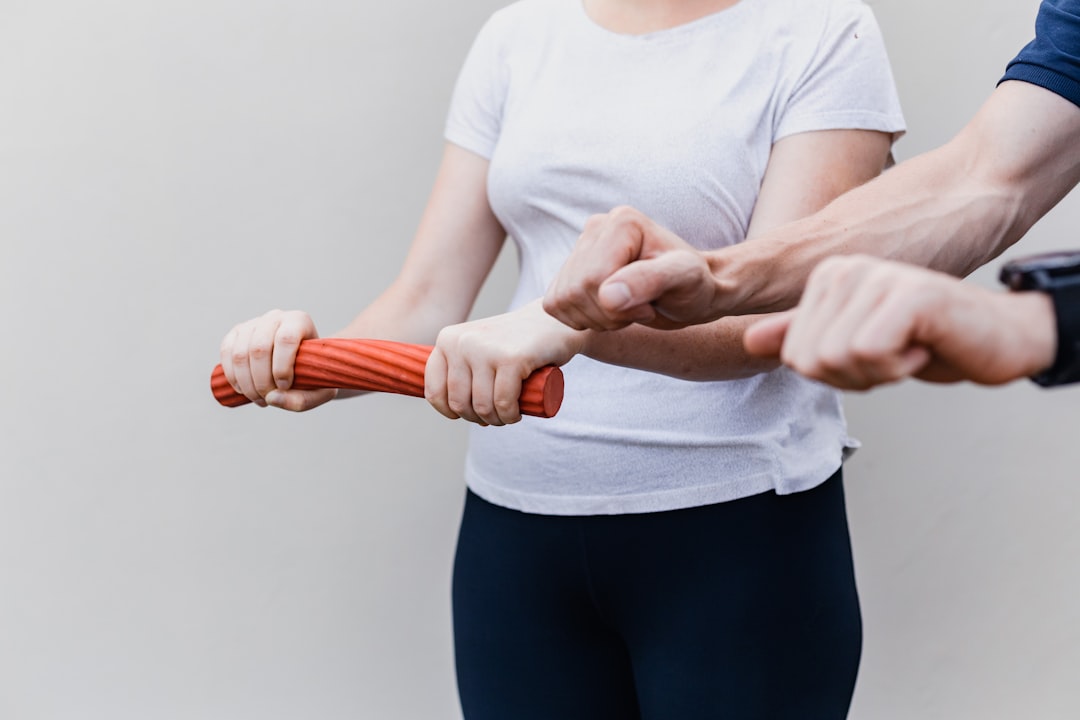
That said, topicals aren’t magic. They work best as part of a layered recovery approach. I still use my recovery tools — the foam roller, the percussion gun, the stretching routine. I’ve just added a cream to the beginning and end of that process. Apply, then roll. Apply, then stretch. The cream seems to prime the tissue and make the mechanical work more effective. My working theory is that reducing surface-level inflammation first allows the deeper work to reach tissue that would otherwise be guarded by tension and swelling.
The Competition: How Other Creams Stack Up
I’d be doing you a disservice if I only tested one brand. Over the final two weeks of my experiment, I compared the Penetrex lineup against three competing products that come up frequently in recovery conversations.
Biofreeze is the clinic standard — it’s what most physical therapy offices use. The active ingredient is menthol, and it delivers a strong cooling sensation that’s effective for acute pain. I keep a tube in my gym bag for immediate post-injury application. But for chronic, ongoing recovery, I found it less effective than the Penetrex formulas. It masks pain beautifully but doesn’t seem to address the underlying inflammation the same way.
Boiron Arnicare Cream is the homeopathic option, and I’ll admit I went in skeptical. Arnica is one of the few herbal remedies with solid clinical backing for bruising and swelling. The Arnicare cream is fragrance-free, absorbs quickly, and performed better than expected for mild soreness. I’d recommend it for people with sensitive skin or those who react to menthol and capsaicin. It’s a gentler option that still moves the needle.
Oars + Alps Muscle Recovery Balm caught my attention because it uses turmeric alongside arnica. Turmeric’s active compound, curcumin, is one of the most thoroughly researched natural anti-inflammatories out there. The balm has a thicker, more waxy consistency that takes longer to absorb but creates a nice warming effect through friction during massage. I liked this one for larger muscle groups — particularly after heavy lifting days.
The Wildcard I Wasn’t Expecting
Halfway through my testing period, a reader emailed me about a product I’d never heard of: Magnum Solace Nighttime Magnesium Lotion with Arnica. The concept is fascinating — transdermal magnesium delivery combined with arnica, designed specifically for nighttime application. You apply it to your legs and feet before bed, and the magnesium is absorbed through the skin.
I spent five nights testing it alongside my usual sleep optimization routine, and the results were interesting enough that I’m planning a longer trial. My subjective sleep quality improved, and the morning leg heaviness I’d been experiencing was noticeably reduced. Whether that’s the magnesium, the arnica, or a placebo effect from having a dedicated wind-down ritual, I can’t say definitively. But it’s earned a spot on my nightstand for now.

I also tested the UNDRBUDR Post-Activity Recovery Salve, which takes a different ingredient approach entirely — comfrey, essential oils, and a beeswax base. It has a more traditional “apothecary” feel and a strong herbal scent. The texture is somewhere between a balm and an oil, and I found it most effective for the small, specific areas where tendons get cranky. My Achilles and the insertion point of my forearm extensors both responded well to targeted application.
The Penetrex Formula I’d Buy First
After six weeks and ten products, people keep asking me the same question: which one should they buy? The answer depends on what you’re dealing with, but if I had to pick one tube to start with, it’s the original Penetrex Daily Joint & Muscle Care Cream in the 2-ounce size. It’s the most versatile of the bunch, effective for everything from general soreness to nagging joint pain, and it’s the formula that earned those 100,000 reviews in the first place.
If you already use and love the original, the Advanced Menthol formula is the natural upgrade. It adds 5% natural menthol to the arnica and Vitamin B6 base, giving you both the immediate cooling effect and the longer-term anti-inflammatory support. I found it particularly effective for that “everything hurts” feeling after a competition or a max-effort training session.
For arthritis sufferers or anyone dealing with chronic joint pain, the capsaicin warming formula is worth the adjustment period. It takes a few days of consistent use before the capsaicin builds up enough to quiet the pain signals, but once it does, the relief is deeper and longer-lasting than any menthol product I’ve tried. Just start with a small amount and build up — the warming effect is no joke.
What Six Weeks Actually Changed
Here’s where I’d love to give you a dramatic before-and-after transformation. The truth is more nuanced. After six weeks of consistent topical cream use layered onto my existing recovery routine, the changes were real but measured. My morning stiffness decreased by roughly 30-40% based on my subjective ratings. I was able to increase my training volume by about 15% without the cascading soreness that usually forces me to take extra rest days. And — perhaps most importantly — I stopped waking up dreading those first steps out of bed.
What I didn’t experience was any performance enhancement. No personal records fell. My sprint times didn’t improve. This isn’t a product that makes you faster or stronger — it’s a product that helps you get back to training sooner so you can do the work that actually makes you faster and stronger. There’s an important distinction there, and any product claiming otherwise is selling you something that doesn’t exist.
The other thing that changed was my mindset. I’d spent years treating recovery as something that happened passively — rest, sleep, maybe some stretching if I wasn’t too tired. Adding a deliberate, active step to that process — taking three minutes to work a cream into the areas that needed attention — shifted something in my approach. It made recovery intentional rather than accidental. And like every recovery modality I’ve tested, consistency turned out to matter more than any specific ingredient or brand.
The Bottom Line From Someone Who Nearly Dismissed It
Topical pain relief isn’t going to replace your foam roller, your protein intake, or a solid night of sleep. But it’s a surprisingly effective complement to all three. For twenty bucks, you get a product that reduces inflammation, supports recovery, and — if my experience and the experience of tens of thousands of reviewers is anything to go by — makes the daily reality of training through soreness significantly more manageable.
The reason Penetrex has built such a passionate following isn’t because it’s revolutionary. It’s because it takes ingredients that have been used for decades in sports medicine — arnica, MSM, Vitamin B6 — and combines them in a formula that actually absorbs, actually works, and doesn’t cost a fortune. Sometimes the most impressive product isn’t the one with the flashiest marketing or the highest price tag. It’s the one that quietly earns its place in your routine, day after day, until you can’t imagine training without it.
My tube lives in my gym bag now, right next to my lifting straps and resistance bands. I don’t reach for it every day. But on the days I need it — the mornings after hill sprints, the evenings when my shoulder won’t stop talking, the weeks when training volume creeps up and recovery starts losing ground to fatigue — it’s there. And that consistency, more than any single ingredient, is what good recovery is all about.




One comment on “The Cream With 100,000 Reviews That Quietly Took Over My Recovery Routine”