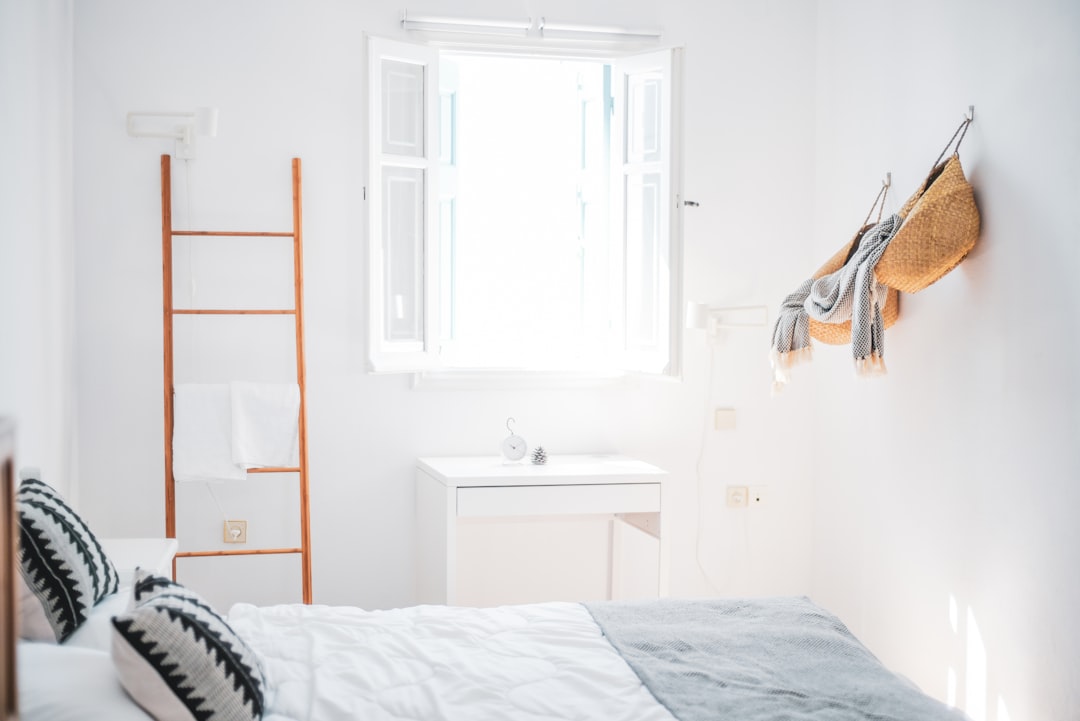
Last July, I hit a wall. Not the kind where you push through a tough workout and feel accomplished — the kind where your body simply stops responding. My reaction time was sluggish, my lifts felt fifty pounds heavier than they should have, and I was waking up at 3 AM with the sheets twisted around me like a soggy burrito. For two straight weeks, I chalked it up to overtraining. Then I looked at my sleep tracker.
I was getting maybe five hours of real rest per night. Not because I was staying up late or stressing about anything in particular. The heat had quietly crept into my bedroom, settled into my mattress, and was stealing my recovery one sweaty night at a time. And I’m willing to bet it’s doing the same thing to you right now.
Summer gets all the hype — beach days, trail runs, early morning sunrises that make you want to leap out of bed. But nobody talks about the dark side of June through August: your core body temperature is fighting a losing battle against your environment, and the quality of your sleep plummets even when you’re technically “in bed” for eight hours. Let me walk you through what I changed, what actually worked, and which products earned a permanent spot in my summer routine.
The Thermoregulation Problem Nobody Explained to Me
Here’s something that took me far too long to understand: your body needs to drop its core temperature by about one to two degrees Fahrenheit to initiate and maintain deep sleep. That’s not optional — it’s biology. When the ambient temperature in your bedroom sits above 70 degrees, your body works overtime trying to shed heat through vasodilation (expanding blood vessels near the skin), sweating, and shifting position constantly.
You might fall asleep fine. I did. But the architecture of your sleep — the ratio of deep sleep to light sleep, the frequency of micro-awakenings you don’t even remember — takes a beating. I was technically unconscious, but my nervous system was running a marathon all night trying to keep me cool. No wonder I felt destroyed by Friday.
The athletes I coach training through summer heat already know that recovery is where gains happen. But recovery doesn’t start with a foam roller or a protein shake. It starts with whatever’s happening between 10 PM and 6 AM in a room that might be fifteen degrees warmer than ideal.
The Mattress Pad That Paid for Itself in One Week
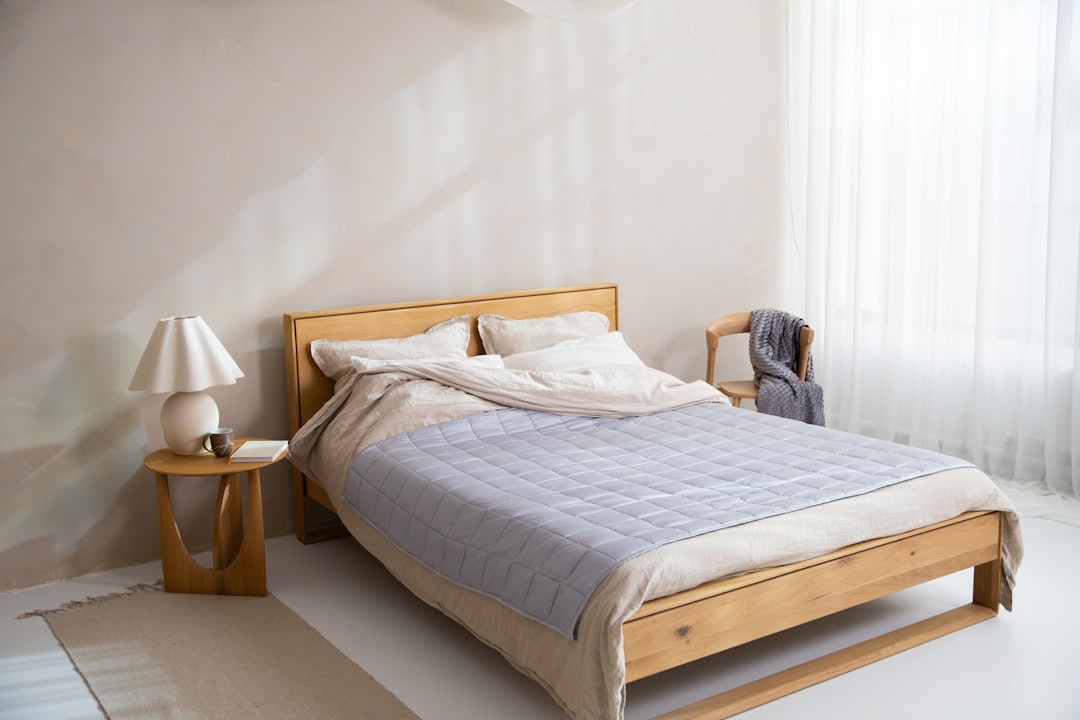
The first change I made was swapping out my regular mattress pad for a cooling one. I’ll be honest — I was skeptical. I’d tried “cooling” sheets before that felt like sleeping on plastic wrap, which defeated the purpose because I’d just sweat more. But the EASELAND Cooling Mattress Pad uses a quilted pillow-top design that’s breathable and actually feels like a normal mattress surface. The magic is in the materials: phase-change fabrics and bamboo-derived fibers that pull heat away from your body rather than trapping it.
The difference was night one. I’m not exaggerating. I woke up with the blankets still on me — not kicked to the floor — and my sleep tracker showed forty more minutes of deep sleep than I’d averaged the previous two weeks. Over the next several nights, that number climbed even higher as my body stopped bracing for the nightly sauna.
If you’re a hot sleeper year-round, this thing is a no-brainer. But if you only struggle during summer, consider it a seasonal investment that pays dividends in how you feel during your morning training sessions. When your muscles actually recover overnight, everything downstream gets easier.
Your Pillow Is a Heat Trap
I didn’t want to admit my pillow was part of the problem. I’d had it for three years. It was perfectly molded to my head. It was also, apparently, a sponge that absorbed and held body heat like a thermal battery.
The QUTOOL Cooling Pillow caught my attention because it uses shredded memory foam infused with cooling gel — meaning it still gives me the support and adjustability I need as a side sleeper, but the materials are actively pulling heat away instead of storing it. You can add or remove foam to dial in the loft, which matters more than you’d think when your sleep position shifts throughout the night.
Pair it with a set of Ultra-Chill Cooling Pillowcases and you’ve built a microclimate around your head that stays noticeably cooler than the rest of the room. Your head and neck are where your body does most of its thermoregulation work, so this isn’t a minor upgrade. It’s the frontline.
Stop Relying on Your Ceiling Fan Alone
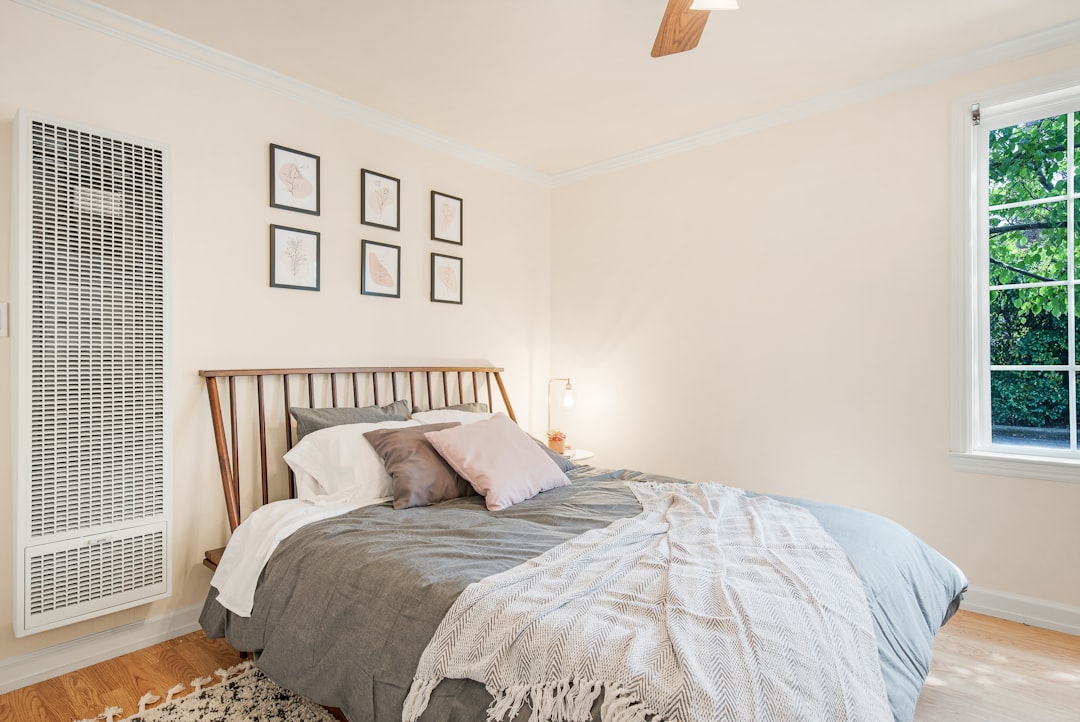
Here’s a confession: I used to think a ceiling fan on high was sufficient. It moves air around, right? Technically yes, but ceiling fans create a broad, diffuse airflow that doesn’t do much for targeted cooling. What actually changed my nights was adding a DREO Tower Fan at the foot of the bed, set to oscillate across the lower half of my body where heat tends to pool.
The DREO runs at 20 decibels on its lowest setting — that’s quieter than a whisper. I’m sensitive to noise when I sleep, and this thing disappeared into the background immediately. The DC motor pushes air up to 28 feet per second, which means even in a larger bedroom, you’re getting genuine air circulation rather than a gentle breeze that peters out two feet from the unit.
The strategy that works best for me: crack the window an inch after the sun goes down, position the tower fan to pull cooler air across the room, and let it run on low all night. By 2 AM, the room is five to eight degrees cooler than it was when I started, and I’m not waking up in a pool of sweat.
The Sun Is Not Your Friend at 5:47 AM
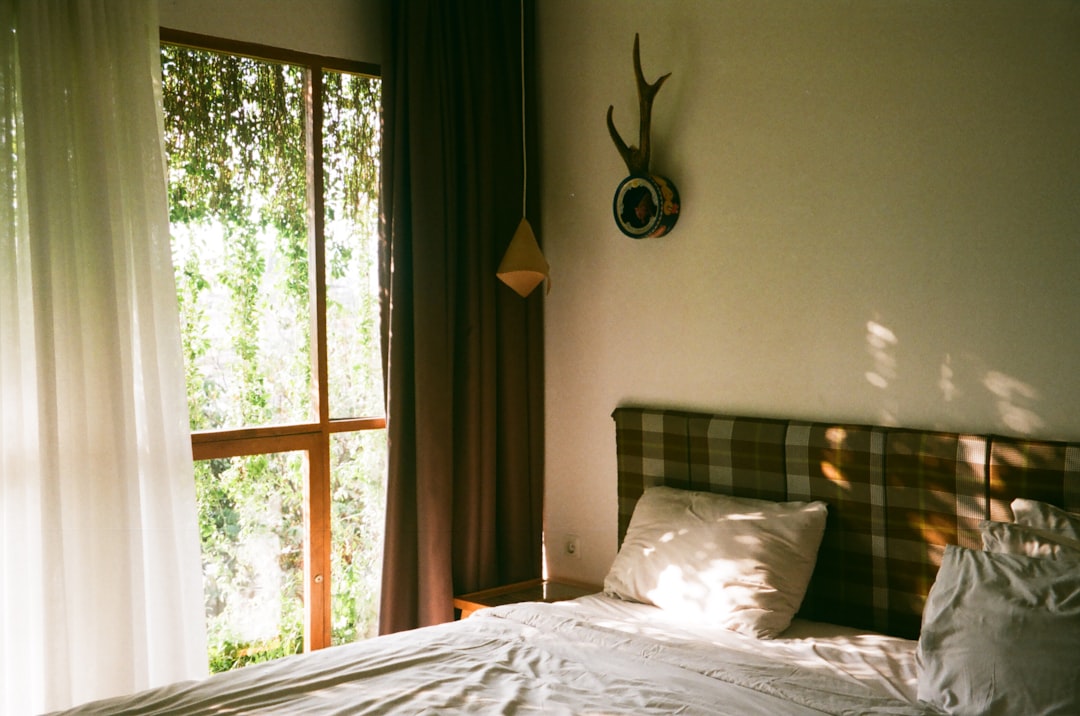
Summer mornings in my neighborhood are brutal. The sun comes up before 6 AM, and if your bedroom faces east, that light starts hitting your eyelids right in the middle of your last REM cycle. Your brain interprets light as a signal to stop producing melatonin, and suddenly you’re wide awake two hours before you needed to be.
I resisted blackout curtains for a long time because I like waking up to natural light. But there’s a difference between gentle dawn light filtering through trees and a full solar assault through thin curtains. The Sun Zero Easton Blackout Curtains are the compromise I wish I’d made years ago. They block 99% of light and have thermal insulation, meaning they also keep the room cooler during the day by preventing solar heat gain through the glass.
My routine now: blackout curtains closed by 9 PM, and I use a sunrise alarm clock to simulate a natural dawn when it’s actually time to wake up. I get the psychological benefit of a gradual morning without having my sleep architecture shredded by early photons.

Hydration Isn’t Just for Your Workout
This one surprised me. I’ve written about nutrition and supplements extensively, and I know that hydration matters for recovery. But I was treating it as a daytime activity. Drink water all day, show up to training hydrated, and call it done.
What I missed is that your body continues to lose fluids throughout the night — especially in summer when you’re sweating even if you don’t realize it. You can wake up mildly dehydrated, which spikes cortisol, increases heart rate, and makes you feel groggy even after eight hours of decent sleep.
I started keeping a glass of water with a SALTT Electrolytes packet on my nightstand. Not to chug right before bed — that’s a recipe for 2 AM bathroom runs — but to drink about thirty minutes before I start winding down. The zero-sugar formulation gives me sodium, potassium, and magnesium without the sugar crash that comes from sports drinks. My morning resting heart rate dropped four points within a week of making this one change.
The Pre-Bed Cool-Down Protocol
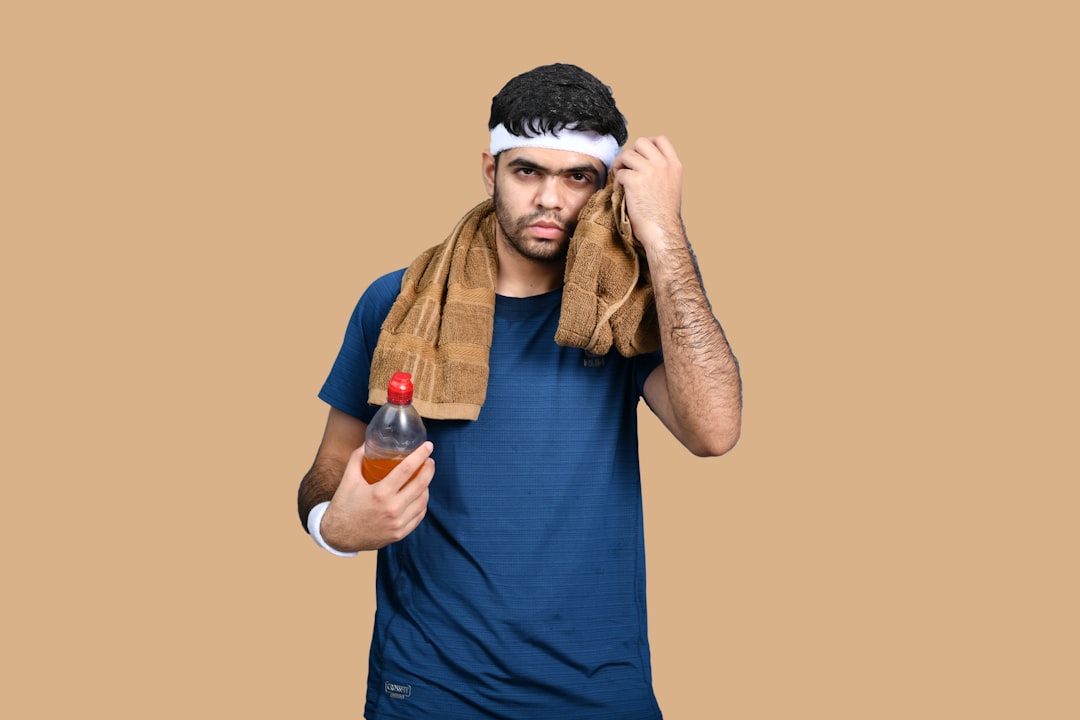
Body temperature doesn’t just drop because you want it to. You can help the process along, and this is where I’ve had the most fun experimenting. About an hour before bed, I do a deliberate cool-down routine that signals to my nervous system that it’s time to shift into recovery mode.
Step one: a lukewarm shower — not cold, not hot. This brings your skin temperature down gradually without the shock of a cold plunge, which would actually spike your sympathetic nervous system. Step two: I wrap a dampened Sukeen Cooling Towel around my neck while I read or do some light stretching. These towels stay cool for up to two hours once activated, and the neck is one of the most effective places to apply targeted cooling because of the blood vessels close to the surface.
If you’ve explored contrast therapy, you already know the power of temperature manipulation for recovery. Think of this as the gentler, sleep-focused version. You’re not trying to shock your system — you’re easing it into the temperature range where deep sleep happens naturally.
The One Supplement I Won’t Skip in Summer
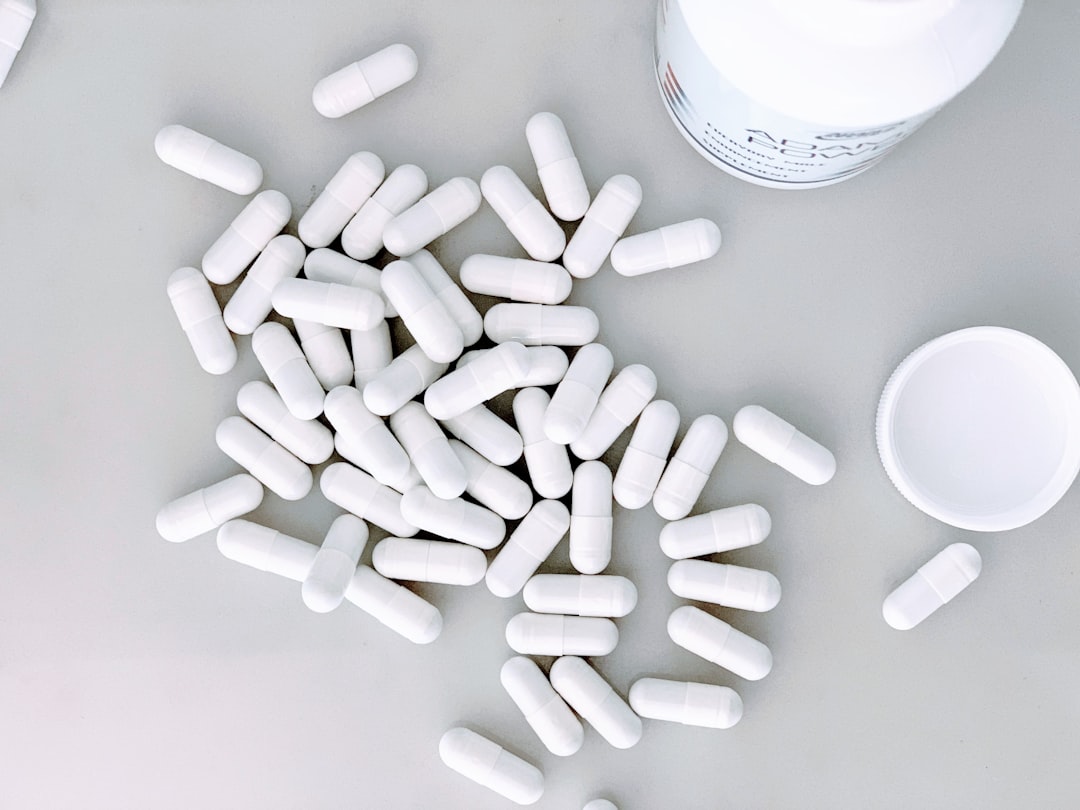
I keep my supplement stack lean year-round. Most of what I need comes from food, sunlight, and smart training. But summer sleep is the exception, and magnesium glycinate is the reason.
Magnesium is involved in over 300 enzymatic reactions in your body, including the regulation of GABA — your brain’s primary inhibitory neurotransmitter. GABA is what quiets your nervous system down enough to transition from light sleep into deep, restorative slow-wave sleep. When you’re hot and slightly dehydrated, your nervous system stays slightly elevated, and that transition gets harder.
I take 400mg of magnesium glycinate about forty-five minutes before bed. The glycinate form is gentle on the stomach and has a calming effect that goes beyond what other forms of magnesium offer. Within about a week of consistent use, I noticed fewer nighttime awakenings and a measurable improvement in sleep efficiency. It’s one of the few supplements where the research, client feedback, and my own experience all point the same direction.
If you’re monitoring your metabolic health — which I started doing after a CGM experiment opened my eyes — you already know that poor sleep directly impacts insulin sensitivity the next day. Summer sleep loss creates a compounding effect: worse sleep leads to worse glucose regulation, which leads to energy crashes, which leads to worse sleep. Breaking that cycle starts the night before.

The Morning-After Test
How do you know if any of this is actually working? For me, the proof wasn’t in the sleep tracker data — it was in how I felt during my first working set of squats at 7 AM. When I’m sleeping well, 135 pounds feels like a warmup. When I’m not, it feels like the bar is made of concrete.
Here’s what I’d encourage you to try: pick three of the changes above and commit to them for ten days. Not thirty. Not a full month. Ten days is enough to feel a difference, and it’s short enough that you won’t lose motivation. Start with the mattress pad, the fan, and the electrolytes. Those three gave me the biggest return on investment.
Summer should feel like your peak season — strong, energized, alive. Not like you’re dragging yourself through a heat haze waiting for October. Your body is incredibly resilient when you give it the conditions it actually needs. The heat isn’t going anywhere. But your sleep doesn’t have to be a casualty of it.
Take it from someone who lost two weeks of training before she figured it out. The fixes are simpler than you think — you just have to actually use them.



3 Comments on “The Summer Sleep Fix That Changed My Recovery (And Why Your Bedroom Is Sabotaging Your Gains)”