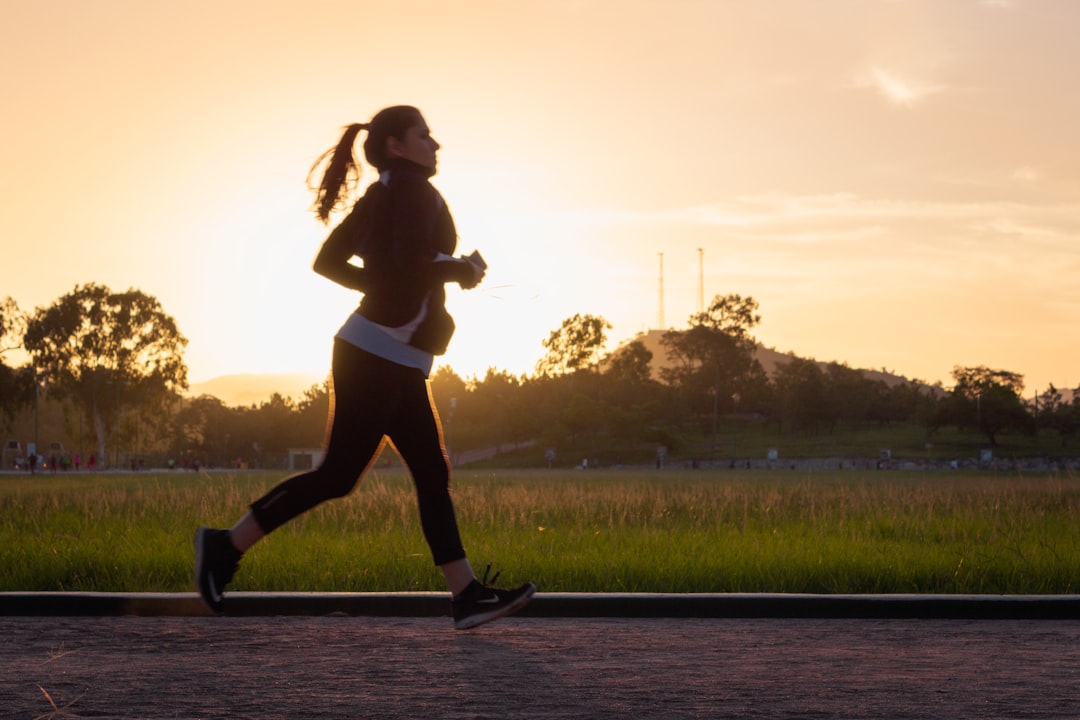
September almost ended my track career before it started. I was twenty, two weeks into fall heptathlon training, and I couldn’t finish a set of 400-meter repeats without stopping mid-lap, eyes streaming, sneezing so hard my teammates started timing the fits like they were part of the workout. My spike bag carried more tissues than energy gels. My coach kept telling me to “run through it,” and I did — straight into the worst month of my athletic life.
What nobody told me then, and what I’ve spent two decades coaching clients through since, is that ragweed season is a calendar event you can prepare for the same way you prepare for a race. The pollen doesn’t sneak up on anyone. It shows up in mid-to-late August, peaks around the second or third week of September, and doesn’t quit until the first hard frost kills the plant. That means right now — the final days of August — is championship season for your nose. Miss this window and you spend six weeks reacting. Use it and you barely notice the season that used to flatten you.
Here’s the playbook my coaching team and I have refined over twenty years, tested on myself first (always), and validated on everyone from marathoners to YMCA boot-camp regulars who refuse to move their workouts indoors.
The Calendar Your Nose Already Knows
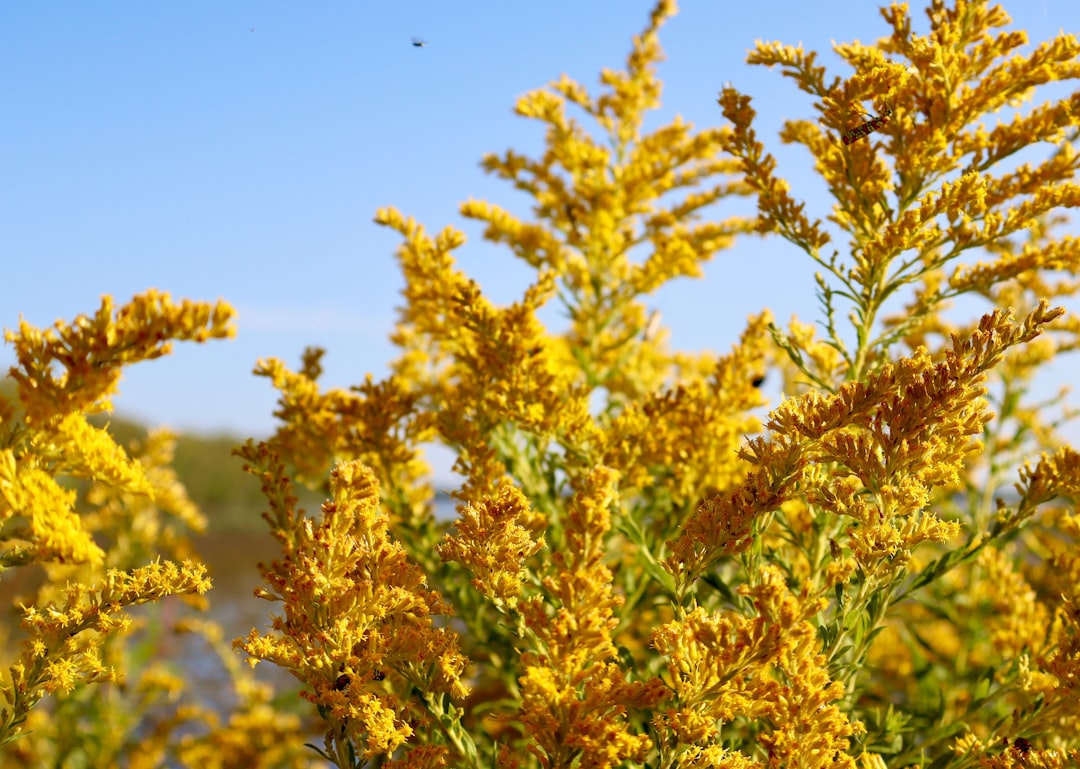
Ragweed is almost comically efficient at its job. A single plant can release up to a billion pollen grains in one season, and the grains are light enough to travel hundreds of miles on a breeze — which is why you can suffer in a city with not a ragweed plant in sight. Goldenrod gets the blame every year because it blooms in showy yellow piles at the same time, but its pollen is heavy and insect-carried. The ragweed doing the damage is the drab green plant along fence lines nobody photographs.
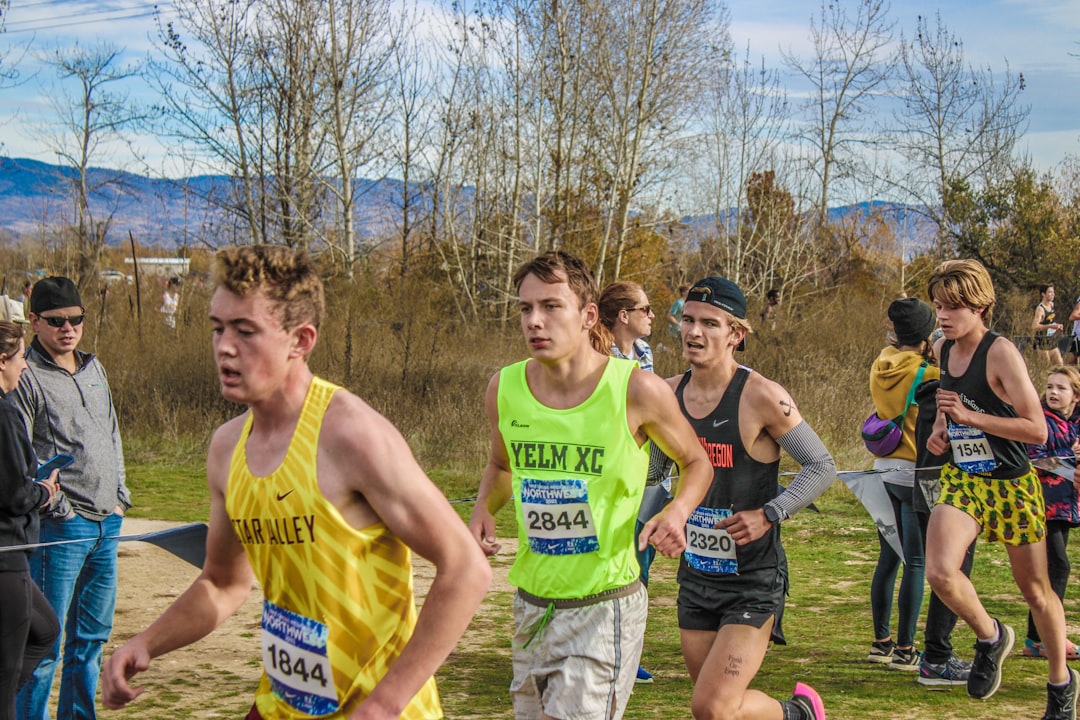
Athletes get hit harder than the general population, and the reason is simple math. At rest, you breathe about six liters of air per minute, most of it filtered through your nose. During hard intervals, that jumps to 100 liters or more — much of it through your mouth, which has zero filtration. You’re essentially mainlining the season. One of my runners logged her worst August in three years and swore she was getting sick. Her resting heart rate was fine, her sleep was fine. It wasn’t a cold. It was pollen, and once we treated it like pollen, her September came back.
Start the Meds Before the First Sneeze
The single biggest mistake I see every year: people wait until they’re miserable, then start medicating from behind. Second-generation antihistamines work far better as a standing defense than as a rescue effort. I start my daily cetirizine — the generic behind Zyrtec, about fifteen cents a day if you buy the store-brand version — in the last week of August, a full two weeks before peak, so the drug is already on the field when pollen counts spike.
For anything beyond mild symptoms, I add a steroid nasal spray, and here timing matters even more. Fluticasone propionate (the generic Flonase) takes several days to a week of consistent daily use to reach full effect — it’s building an anti-inflammatory effect in the tissue, not masking symptoms on contact. Clinical guidelines actually favor the intranasal steroid over oral antihistamines for moderate symptoms, and the combination beats either alone. My evening spray-and-tablet routine takes ninety seconds and has kept me off the sidelines through twenty Septembers.
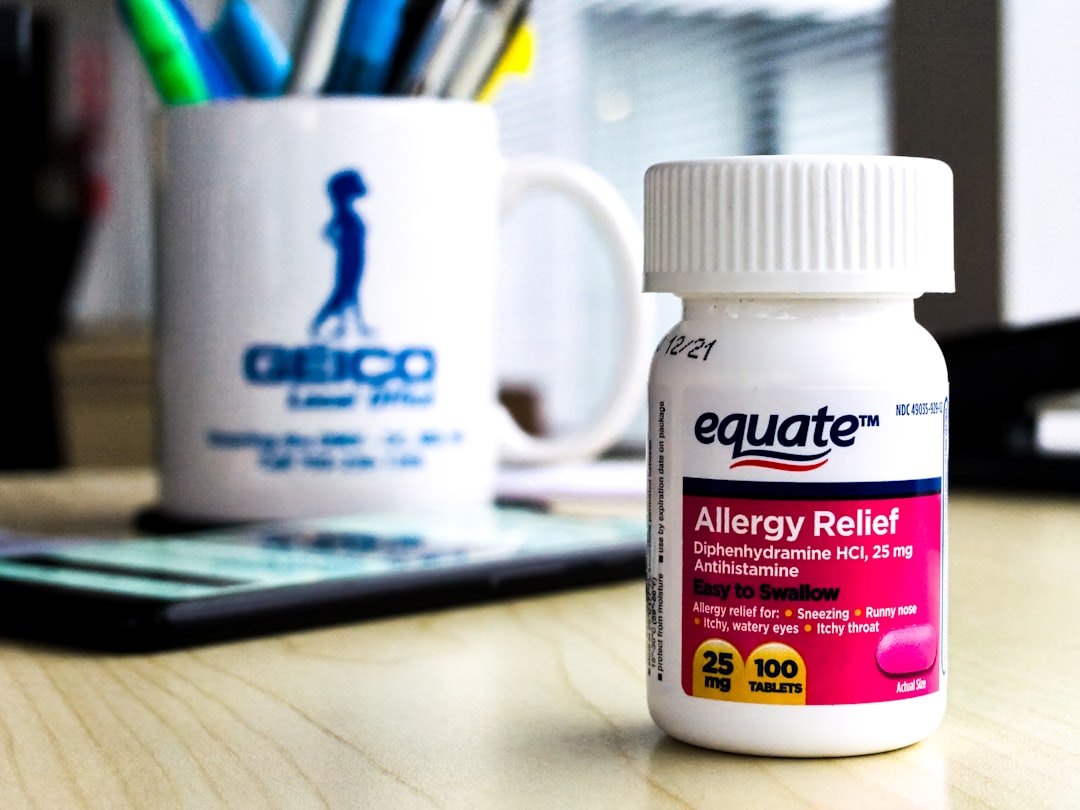
One caution from hard experience: the old first-generation antihistamines like diphenhydramine will absolutely knock you out, and groggy training is bad training. If a med makes you drowsy, it’s the wrong med for an athlete’s season. Stay with the non-drowsy generation and be patient with the buildup period.
The Five-Minute Rinse That Outperformed Its Price Tag
If I could keep only one tool from this entire article, it would be the humble saline rinse. A large Cochrane review found saline irrigation produced meaningful reductions in allergy symptom severity, and a systematic review of nasal irrigation studies reported quality-of-life improvements around 27 percent — numbers in the same neighborhood as some pharmacotherapy. That from salt water and a squeeze bottle.
The mechanics are beautifully simple: you’re flushing the pollen grains and inflammatory mediators out of your nasal passages before they can keep the reaction rolling. I rinse after every outdoor session and again before bed during peak weeks. The NeilMed Sinus Rinse kit runs about the cost of two coffees, includes fifty premixed packets, and the technique takes one YouTube video to learn. Two non-negotiables my team enforces with every client: use distilled or previously boiled water (never straight tap), and lean over the sink with your head tilted so the solution exits the other nostril, not your throat.
Turn Your Bedroom Into a Pollen Fortress
You spend a third of your life in your bedroom, and during ragweed season it’s either a recovery chamber or an eight-hour exposure session. Pollen rides in on your hair, your clothes, and your eyelashes, then transfers to your pillow — where it sits roughly two inches from your airway all night. Zippered allergy pillow covers are the cheapest fix in this entire playbook; mine get washed weekly in hot water during September and October along with everything else on the bed.
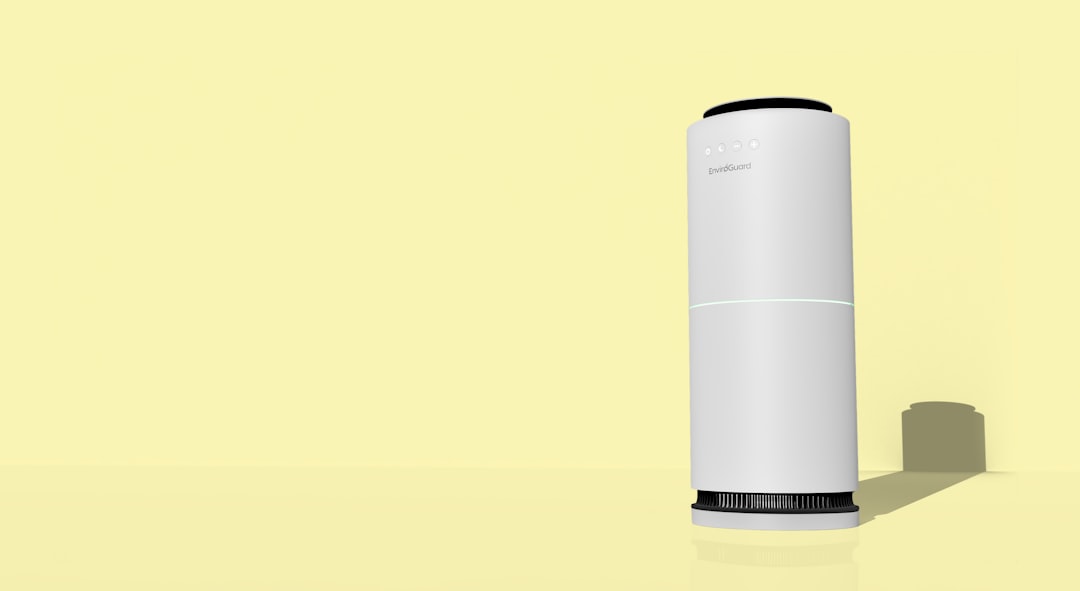
The shower rule is just as important: rinse off before bed, never after waking. Otherwise you’re spending all night marinating in the day’s pollen and re-depositing it on your bedding. For air cleaning, I keep a true HEPA unit running in the bedroom from August through November — I wrote about my bedroom Levoit setup in my late-summer immune protocol — and last year I added a Coway Airmega Mighty in the living room where I do my mobility work. If your home has forced air, upgrading the furnace filter to a MERV-13 rating like the Filtrete MPR 1900 turns your whole HVAC system into a whole-house filter for the cost of a pizza.
Train Around the Pollen Clock, Not Against It
You don’t need to move your workouts indoors. You need to move them around the clock. Pollen counts typically bottom out in the early morning before sunrise, climb through mid-morning, and peak in the afternoon heat before settling at dusk. Rain is your friend — a good shower knocks pollen out of the air for hours, making the window right after a front passes the best training slot of the week. Dry, windy days are the enemy; wind is a pollen delivery service with no delivery fee.
My hard sessions go at dawn during September, which pairs neatly with the light-exit training strategy I wrote about last week — if you’re already adapting to darker mornings, the reward is the cleanest air of the day. For easy runs, I wait for post-rain windows or take them indoors without guilt.
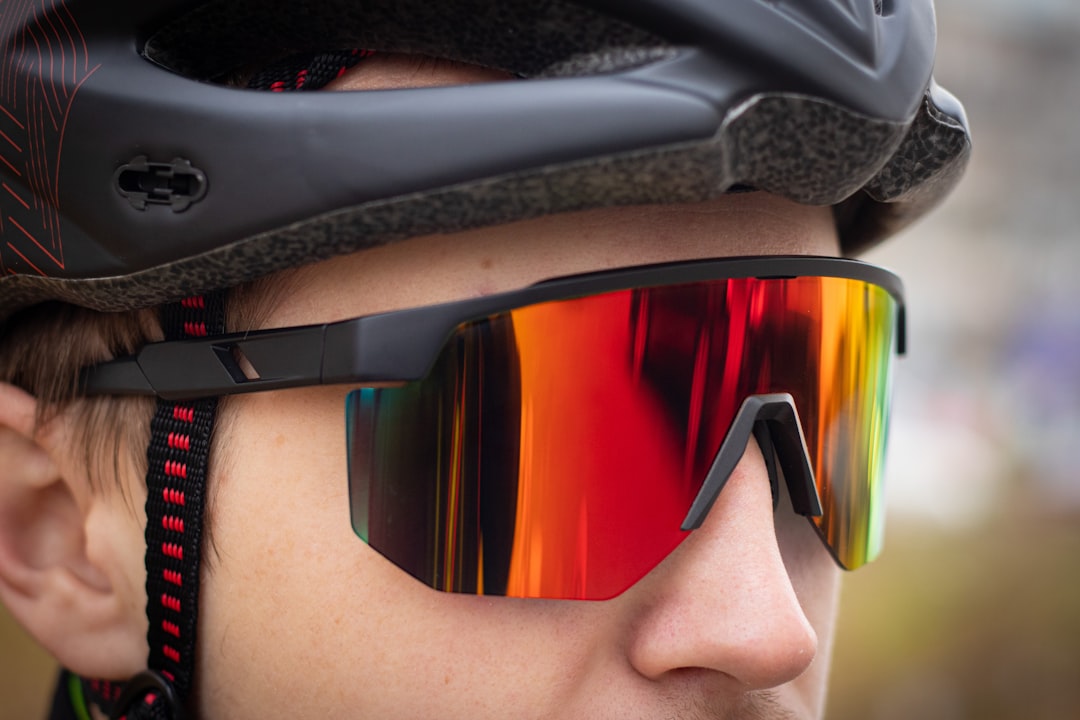
Two pieces of gear punch above their weight. Wraparound sport sunglasses aren’t just for glare — they’re a physical shield between airborne pollen and your tear film, and my itchy-eye clients notice the difference within days. When itch does break through, antihistamine eye drops like ketotifen work in minutes and are safe for daily use through the season.
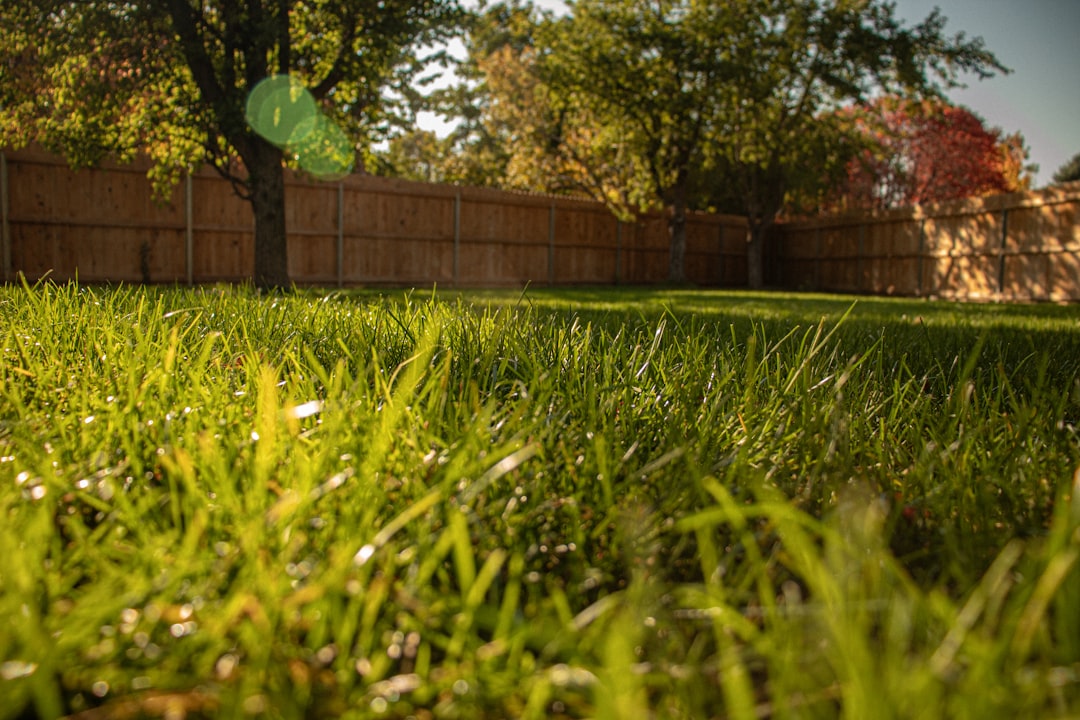
And the yard work rule: mowing stirs up everything settling on your lawn, plus mold spores from damp spots. My husband runs our mower, and whoever draws the short straw wears a valved N95 respirator — the 3M 8511 with the Cool Flow valve stays breathable enough for an hour of pushing a mower in late-summer humidity. A cheap price for skipping three days of sinus misery.
The Plate Piece: Quercetin and Steady Hydration
Food won’t out-train a billion pollen grains, but it quietly helps. Quercetin — a plant flavonoid found in onions, apples, capers, and berries — has been studied for its ability to stabilize mast cells, the ones that dump histamine in the first place. My favorite part: peak harvest season delivers quercetin-rich produce at exactly the moment you need it, which is one more reason I build my September plate from the farmers market haul. For clients who want a consistent dose, NOW’s quercetin with bromelain is the version my team has used longest.
Hydration is the other quiet lever. Well-hydrated mucus membranes stay thin and mobile, trapping and clearing irritants; dehydrated ones get sticky and useless. During late-summer training blocks I follow the same sodium-and-fluid discipline I laid out in my electrolyte field guide, and I’ve watched clients’ “allergy fog” improve partly because they were finally drinking like athletes.
My Condensed Ragweed Protocol
Here’s the whole system on a card, the same one pinned inside my clients’ training logs each August: start daily cetirizine the last week of August; add fluticasone nightly once counts climb and give it a week to build; saline rinse after every outdoor session and before bed; bedroom HEPA running by Labor Day with pillow covers washed weekly; shower at night, never morning; hard workouts at dawn or right after rain; sunglasses on every outdoor session; N95 for yard work; quercetin-rich produce at every meal and water bottle never empty.
And know when to escalate. If you’re doing all of this and still can’t train through September, that’s not a discipline problem — that’s an allergist referral. Immunotherapy, the allergy shots or under-the-tongue tablets that retrain your immune system, has genuinely changed seasons for two of my longtime clients, and it works best when started with lead time. Ask in October, not next August.
Twenty years ago I nearly let a weed bench me. Now September is one of my strongest training months of the year — crisp air, quiet dawn trails, and a nose that finally stopped voting against my goals. The season is coming whether we prepare or not. Prepare.