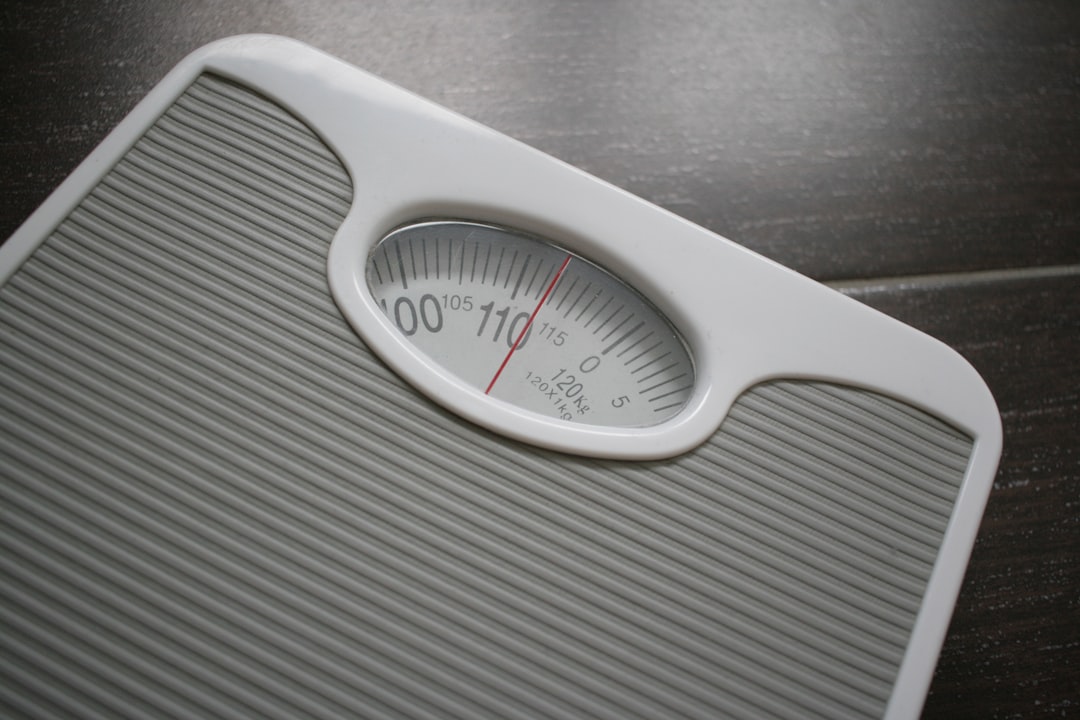
The first Tuesday after Labor Day has a smell to it. New sneakers, sharpened pencils, someone’s slow cooker bubbling at 6 a.m. In my house it also has a sound: the little beep of the bathroom scale waking up while I’m still half-asleep. September is when the reset happens, whether you planned one or not. The kids are back in school, the schedule firms up, and suddenly there’s room again for the version of you that got buried under popsicles and road trips.
So this year, my team and I decided to finally answer the question I get asked more than almost any other at the YMCA: should I buy a smart scale, and which one? I’ve been standing on some version of these gadgets since they were glorified calculators, and I’ve watched a lot of coaching clients buy the wrong one, stare at twelve numbers they don’t understand, and quietly retreat to the old dial scale their grandmother owned.
That’s backwards. A good body-composition scale is one of the cheapest, most durable pieces of health monitoring you can put in your house — and a bad one is a daily appointment with anxiety. Here’s everything we learned lining up eight of them on my bathroom floor.

What the Machine Is Actually Measuring
Every scale on this list uses the same trick, called bioelectrical impedance analysis — BIA if you want to sound impressive at brunch. A tiny, imperceptible electrical current travels up one leg and down the other. Muscle and water conduct electricity well; fat does not. The scale measures the resistance, runs it through a population-based equation, and estimates your body fat percentage, muscle mass, water, and a few other numbers from there.
Notice the word estimates. A consumer scale is not a DEXA scan, and I’ll never pretend otherwise. Hydration, a hard workout the day before, that second glass of wine — all of it moves the body-fat reading by a point or two in either direction. But here’s what I care about as a coach: the trend line. Day-to-day, a smart scale is guessing. Over eight weeks, it’s genuinely useful, because the errors average out and the direction of travel shows up loud and clear.
Why does that matter more than the pound you’ve been chasing since college? Because scale weight is a blunt instrument. One of my clients last fall gained three pounds over two months while dropping a jeans size — she was rebuilding muscle after years of cardio-only workouts, and the number on her old scale nearly talked her out of the exact program that was working. This is the whole reason I keep writing about home monitoring, from the blood pressure monitor showdown I did last month to the smart ring that replaced my watch. Different number, same principle: data you collect at home beats data you avoid.
Five Features That Separate the Winners From the Beep Machines
Before we get to specific models, the checklist. This is what my team whittled down after weeks of side-by-side testing, and it’s shorter than you’d think.
- Wi-Fi sync, not just Bluetooth. Bluetooth scales only record when your phone is nearby and the app is open. Wi-Fi means the data lands in your chart whether or not you remembered your phone — and for my household of four, that difference decided the whole contest.
- Multi-user profiles that actually work. The scale should recognize who’s standing on it. My teenage daughter does not need my resting stats skewing her charts, and I don’t need to be “guest.”
- A readable, long-lived app. You’re not just buying glass and electrodes; you’re buying the graph. If the app buries your trend line three taps deep, you’ll stop looking by October.
- Consistency over absolute accuracy. I’d rather have a scale that’s off by two points but off by the same two points every morning. Weigh-in repeatability was the metric that killed two models from this list.
- Weight capacity and platform size. Bigger platform, stabler reading, and every client of mine over 350 pounds deserves gear that treats them as the default, not the edge case.
The Contenders We Lined Up on My Bathroom Floor
Now the fun part. We ran eight scales through four weeks of morning weigh-ins, with my family and three of my coaching clients logging readings alongside their usual routines. Here’s how the tiers shook out.
The Full Clinic at Home: Withings Body Scan
The Withings Body Scan is the one that made my physical therapist laugh — in a good way. The retractable handle adds electrodes at hand-height, which means the current runs through your arms and torso instead of just your legs, giving segmental readings: torso fat versus leg fat, plus a nerve-assessment score most gym owners have never seen. It even reads a seated ECG. It is absolutely not the one I’d hand my dad “just to try,” but if you’re the type who read my CGM buyer’s guide and thought “yes, more data” — this is your scale.
One rung down sits the Withings Body Comp, which keeps the full-body composition analysis and the gorgeous Health Mate app but skips the handle. It’s the pick I installed in my own bathroom last spring, and it hasn’t given me a single reason to regret it. For most people who just want a serious scale without the clinic pricing, the Withings Body Smart hits a sweet spot: same app, same Wi-Fi reliability, accurate weight and body-fat trends, and it disappears into the floor when you’re not using it.
For the Garmin Household: Index S2
If your wrists already speak Garmin — and half the runners at my Tuesday track group do — the Garmin Index S2 makes a strong case for staying in one ecosystem. Weight and body composition flow straight into Garmin Connect, where your training load, sleep, and step counts already live. Seeing your weight trend plotted against your weekly mileage does something no standalone app has managed: it explains why the number moved. The display is a crisp color LCD that shows the weather, which sounds gimmicky until you’re deciding between the track and the treadmill.
The Budget Bench: Renpho, Etekcity, and One for the Fitbit Faithful
Here’s where I get to be the coach who saves you money. The Renpho Elis 1 has been the default answer in my “what should I buy under $50” texts for three years running. Thirteen measurements, an app that syncs to Apple Health and Google Fit without drama, and enough accuracy that my client Dana caught her post-strength-training muscle gain that plain weight would have hidden as a plateau.
The Etekcity smart scale plays in the same league and is often FSA-eligible, which quietly makes it the cheapest way to spend pre-tax dollars on your health this fall. And the Fitbit Aria Air earns its spot for one audience: people whose entire wellness life already lives in the Fitbit app. Everyone else should spend the same money elsewhere.
The Handle-Bar Middle Ground
Renpho also makes a version with a pull-out handle display that reads body fat at two heights, improving on the foot-only estimate — a genuinely clever middle option between the Elis and the Body Scan. And if you want maximum screen for minimum money, the GE smart scale surprised my whole testing crew: big display, sensible app, and readings that tracked our reference scale within a couple tenths of a pound all month.
The Fifteen-Dollar Reality Check
Every buyer’s guide I write has to include the part where I talk you out of spending money. A set of Accu-Measure body fat calipers costs less than lunch and, in experienced hands, measures a skinfold at the hip that tracks body fat about as well as a mid-range BIA scale. No, it’s not as fun. Yes, my college heptathlon coach preferred it, and the woman could eyeball your body fat percentage from across the track.
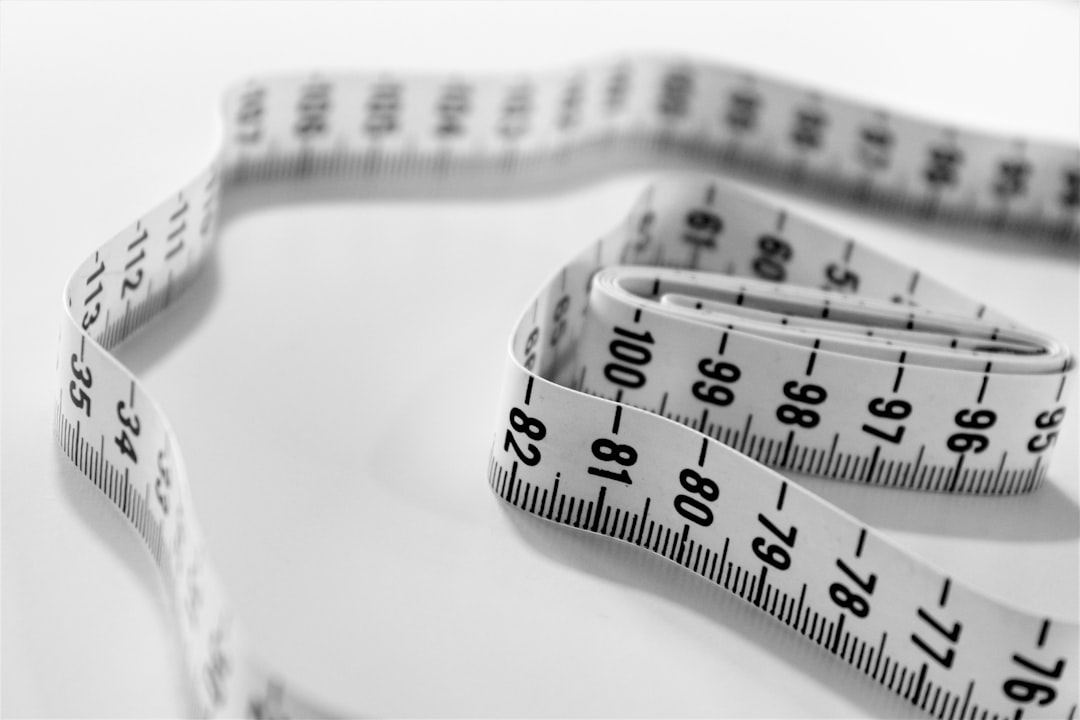
Pair the calipers with a smart measuring tape and you have my favorite fallback program: waist and hip circumference, logged monthly. If your waist is trending down, you are winning, regardless of what any impedance equation guesses. It’s the same lesson I keep relearning every time I write about tech — the boring habits beat the gadgets when the gadgets get boring.
How to Step On the Scale Without Losing Your Mind
The hardware is only half the system. The other half is the ritual, and I’m strict about it with every client. Same conditions, every time: morning, after the bathroom, before coffee or water, in roughly the same clothes (meaning none). Weigh daily if you like, but only read the seven-day rolling average — the single-day number is mostly a water report, and attaching feelings to it is like grading a river by one cup of it.
Keep the hydration honest, too. A dehydrated body reads leaner on BIA, which means the Sunday-morning-after-a-heatwave “drop” is often fiction. And log something qualitative next to the graph — sleep, soreness, stress on a one-to-five scale. Two months in, you’ll see patterns no scale prints on its own screen: the pre-deadline water retention, the strength-block muscle creep, the vacation bounce that always, always resolves by week three.
Who Should Politely Skip This Entire Category
I’d be a poor coach if I sold everyone the same tool. If you have a history of disordered eating, or the number on a scale has ever rented space in your head rent-free, a device that generates twelve numbers before sunrise is not a wellness upgrade — it’s a hazard. No gadget is worth your peace. A monthly waist measurement and a pair of jeans that fit are complete data for most goals, and a therapist or dietitian who knows your history is a better health investment than anything with Wi-Fi.
There’s a lighter version of the same caution for kids. Teens get growth spurts that make body-fat readings swing wildly, and my rule at home is weight-only mode until they’re old enough to want — and understand — the rest.
The Verdict From My Bathroom Floor
After a month of simultaneous stepping, the shakeout was cleaner than I expected. If money is no object and you love data like I love a track meet, the Body Scan is a small clinic under your feet. For most readers, though, I’m pointing at the Withings Body Comp or Body Smart and sending the savings to a set of dumbbells — because the point of measuring a body is building one, not the other way around. Garmin households should buy the Index S2 without agonizing, and everyone on a budget gets the Renpho Elis and a firm reminder that consistency, not hardware, is what moves the graph.
Whatever you step on this September, do it on purpose. Four weeks of honest mornings will tell you more about your body than a decade of avoiding the bathroom scale ever did — and this fall, you’ll have the trend line to prove it.