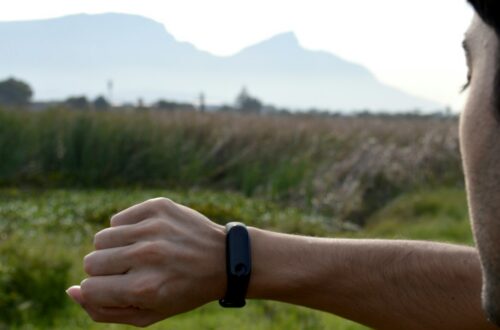
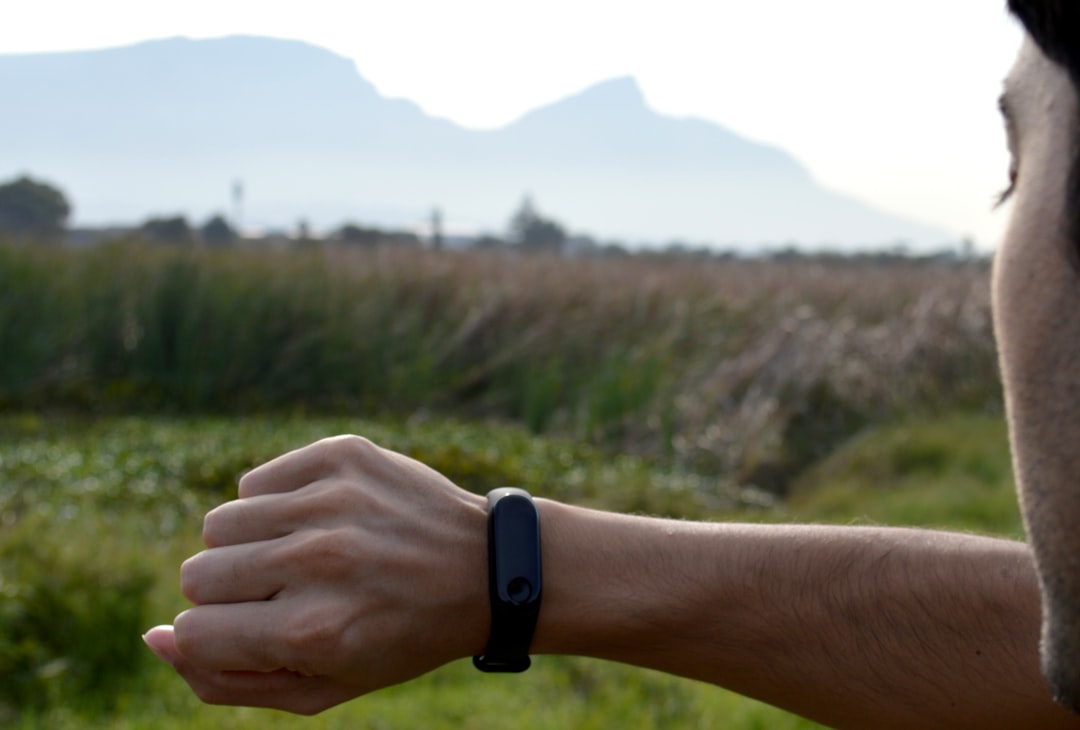
There is a specific kind of August morning where the air feels like a wet towel by mile two, and this year I spent most of those mornings with a small plastic pod clipped to my left forearm, listening to it narrate my sweat. Every second, it streamed fluid loss, sodium concentration, and a drink-or-don’t verdict to my phone while I plodded through the humidity. My running partners thought I’d finally gone full lab rat. My coaching clients thought it was hilarious that the woman who preaches “learn your body” had outsourced hydration to a sensor the size of a matchbox.
Here’s my defense: hydration has always been the vaguest corner of wellness. We estimate. We guess. We drink when we’re thirsty and wonder why we cramped, or we force fluids and spend an entire long run plotting bathroom stops. So when a wave of sweat-sensing wearables — Nix, Gatorade’s patch, FLOWBIO, hDrop — hit shelves this summer and mainstream news started calling sweat “the next blood,” I cleared six weeks of my training calendar and got systematic about it.
What follows is everything six weeks of streamed sweat data taught me, what the sensors actually do well, where they still fall short, and whether you need one — or just need to steal a few of their tricks for free.
What a Sweat Sensor Actually Reads
Let’s start with the science, because it’s genuinely clever. A drop of your sweat carries a surprising amount of information: sodium, chloride, lactate, glucose, urea, even cortisol under the right lab conditions. Sweat biosensors use tiny microfluidic channels etched into a skin patch to wick that sweat off your arm and run it past electrodes that measure two things really well — how fast you’re sweating, and how concentrated your sodium is.
Those two numbers matter because they’re wildly individual. Sweat rates range from under half a liter an hour to more than two and a half in serious heat, and sodium concentration runs from roughly 200 milligrams per liter in light sweaters to over 1,600 in us salty ones. Two athletes can finish the same hot ten-miler, drink the same amount, and one loses three times the sodium of the other. That’s the gap these devices are trying to close.
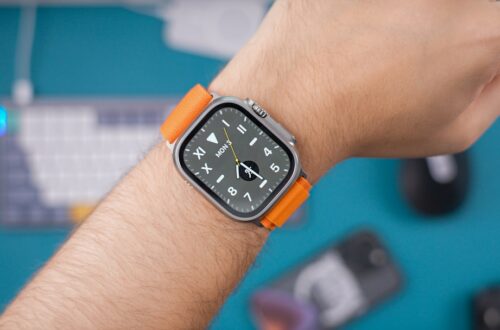
Wrist wearables can’t see any of this. Your watch guesses fluid loss from heart rate drift and body movement — a reasonable party trick, but it’s inference, not measurement. A sweat patch is the first consumer device that reads the actual fluid leaving your body. Research teams are pushing it further: Penn State published work this year on sensors that read lactate from perspiration, and UC Irvine unveiled a patch that tracks cortisol, glucose, lactate, and urea simultaneously. The lab version of this technology is years ahead of what’s on retail shelves — but the shelf versions have finally become good enough to coach with.
How We Ran the Test Block
My research assistant built me a protocol, because I wanted discipline, not vibes. Six weeks, mid-August through Labor Day: one sweat-patch session on every quality workout — track nights with my YMCA group, long runs, and two hot rides — plus a disposable-patch control session each week for comparison. My watch stayed on the other wrist the whole time so we could compare what the sensor measured against what the watch merely guessed.
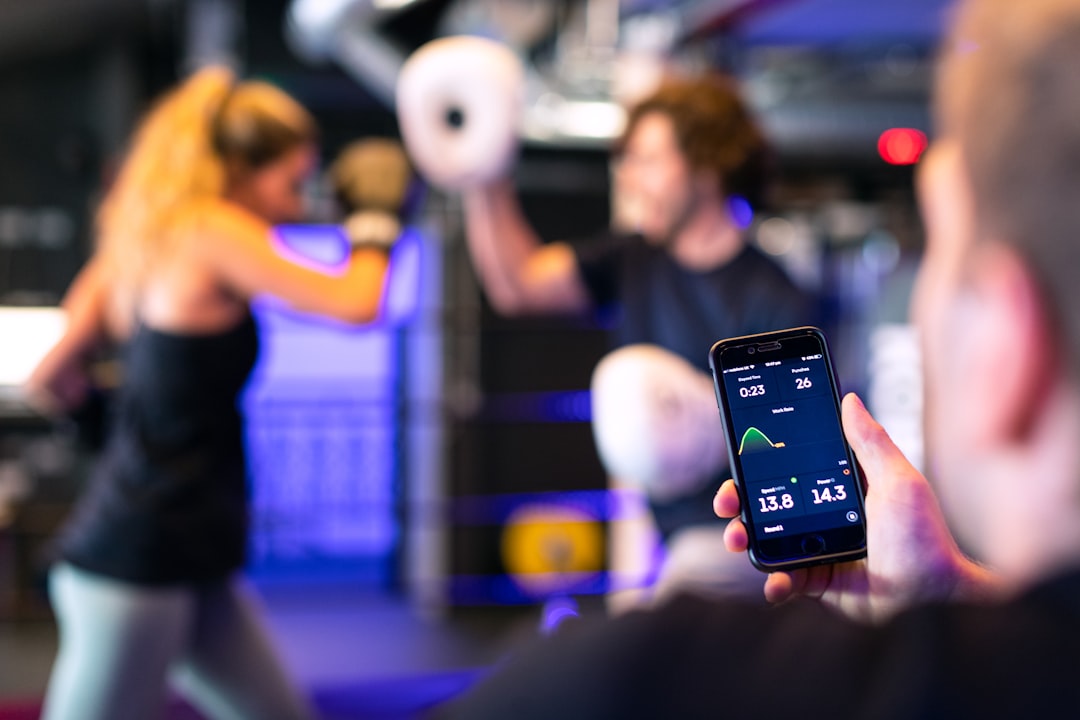
I also recruited a guinea pig I happen to coach: a 54-year-old cyclist who cramps in every ride over fifty miles and has tried everything from pickle juice to compression socks. If the sensors couldn’t help him, they were expensive toys. If they could, they were coaching tools. And in the background, my assistant cross-checked the live-streaming readings against the old-school weigh-in method we detailed in my sweat rate test protocol — strip down, weigh before, weigh after, do the math. The sensor’s fluid-loss numbers landed within about six percent of the scale. That’s legit.
The Pod That Changed My Long Runs
The star of the summer was the Nix Hydration Biosensor. The starter kit pairs a reusable pod — about the size of a matchbox, with roughly 36 hours of battery — with single-use patches that stick to your upper arm. Clip pod to patch, start your session, and the app streams fluid and electrolyte losses in real time, pinging your phone or watch when it’s time to drink and whether you need water or electrolytes.
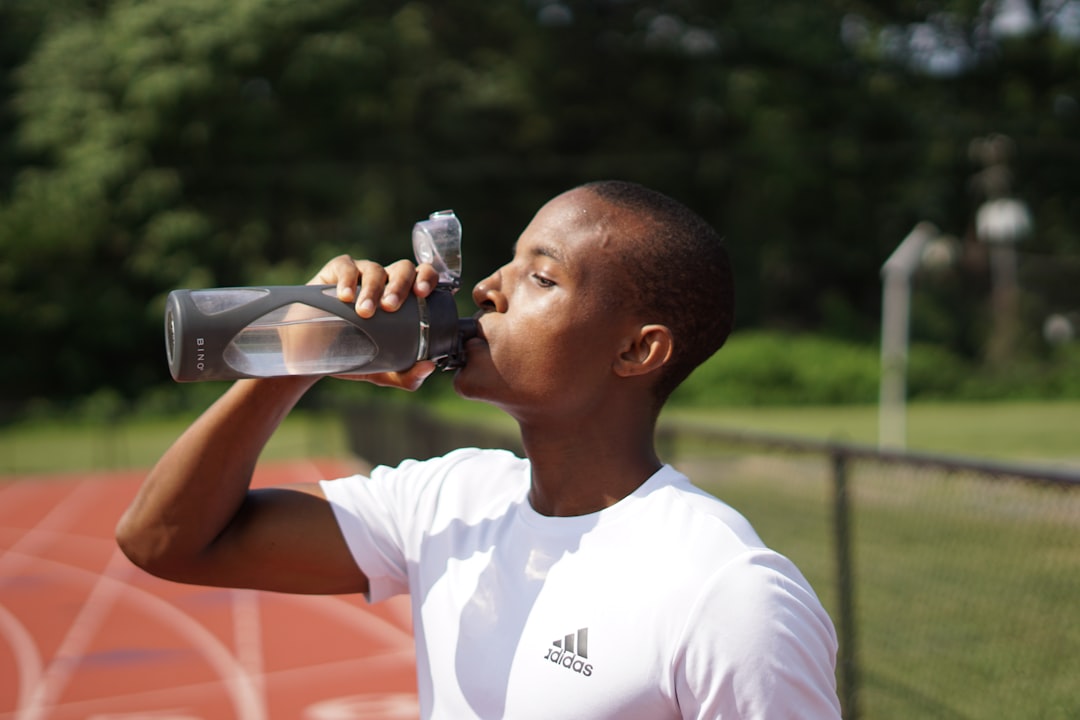
The first long run with it felt almost rude. At mile six, in full sun, my phone buzzed: I’d already lost 22 ounces of fluid and my sodium was running high. I had drunk exactly nothing. Old me would have cruised to mile fourteen feeling “fine” and then wondered why the last three miles fell apart. Sensor me drank a planned bottle at the next aid stop and finished the strongest final mile I’d run all summer. That single session sold me.
Two honest complaints. First, patches are single-use, so heavy weeks get expensive — my assistant now stocks up on refill four-packs and rations them for quality sessions, which is exactly how I’d recommend you use them. Second, the disposable Gatorade sweat patch I tested alongside it was cheaper per session but doesn’t stream live; it collects data while you run and hands you a sweat profile afterward. Useful for building a baseline, less useful at mile six when the decision actually has to happen. FLOWBIO’s chest-mounted sensor — which added Wahoo head-unit integration this June — is the direction the whole category is sprinting: real-time, machine-to-machine, no phone needed.
Three Numbers About My Sweat I Can’t Unsee
A week into testing, three facts about my own body appeared on my screen and refused to leave. One: I’m a certified salty sweater, losing roughly 1,400 milligrams of sodium per liter — nearly triple some of my athletes. Two: in September humidity, I shed about 34 ounces of fluid per hour at marathon pace, which means a two-hour run bleeds out more sodium than most people eat all day. Three: my thirst lagged my losses by a full hour on hot mornings. My body was lying to me politely, and the sensor caught it every time.
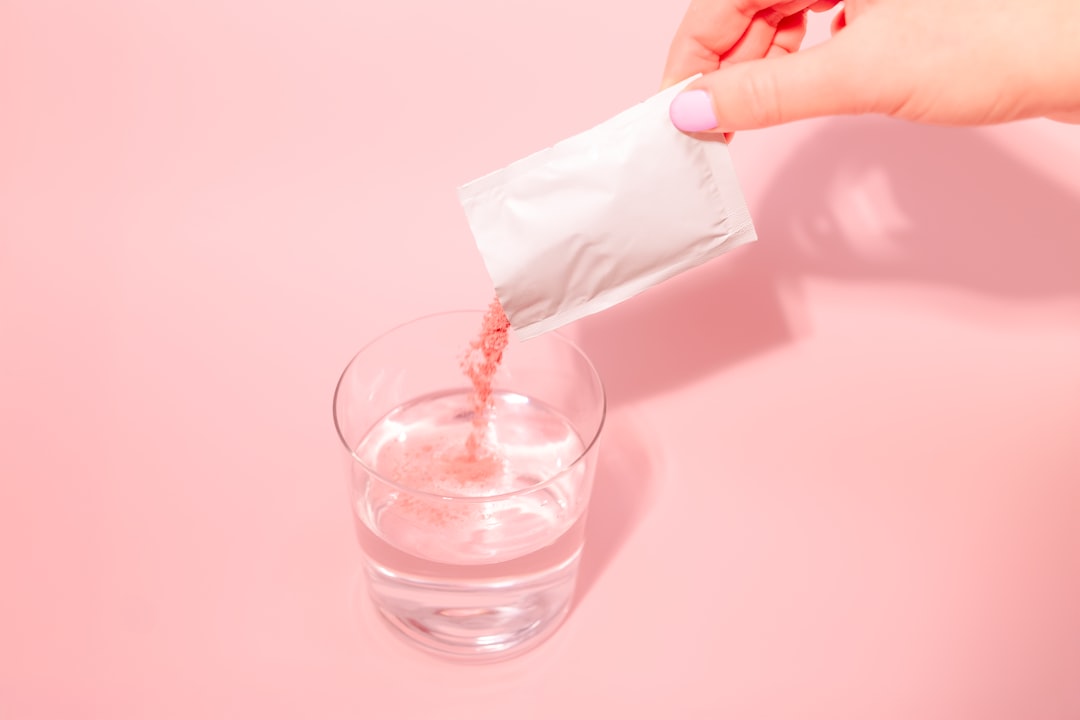
That’s why the cramping history I described in my electrolyte field guide finally made sense. Salty sweaters don’t fail from lack of willpower; we fail from chemistry. The fix is unglamorous but effective: during long hot sessions I now run 500–800 milligrams of sodium per hour, depending on the sensor’s live read. I keep LMNT packets in my running vest for the heavy-loss days and Nuun Sport tablets in my bottle for moderate ones, and on the brutal track nights I’ll take SaltStick capsules straight, no sugar, no nonsense. My cyclist? His patch read 1,500 milligrams per liter. He started pre-loading sodium the night before long rides, and his fifty-mile cramps — the ones that followed him through three summers — vanished in three weeks.
Matching the Drink to the Data
Once you know your numbers, hydration stops being a guessing game and becomes a simple matching problem. Low sweat rate, moderate sodium? Plain water plus normal meals handles it. High sweat rate, low sodium? Focus on volume — water or a light zero-sugar electrolyte mix so you’re not tanking calories. Both high? Now you’re in full plan territory, and a properly dosed drink beats casual sipping.
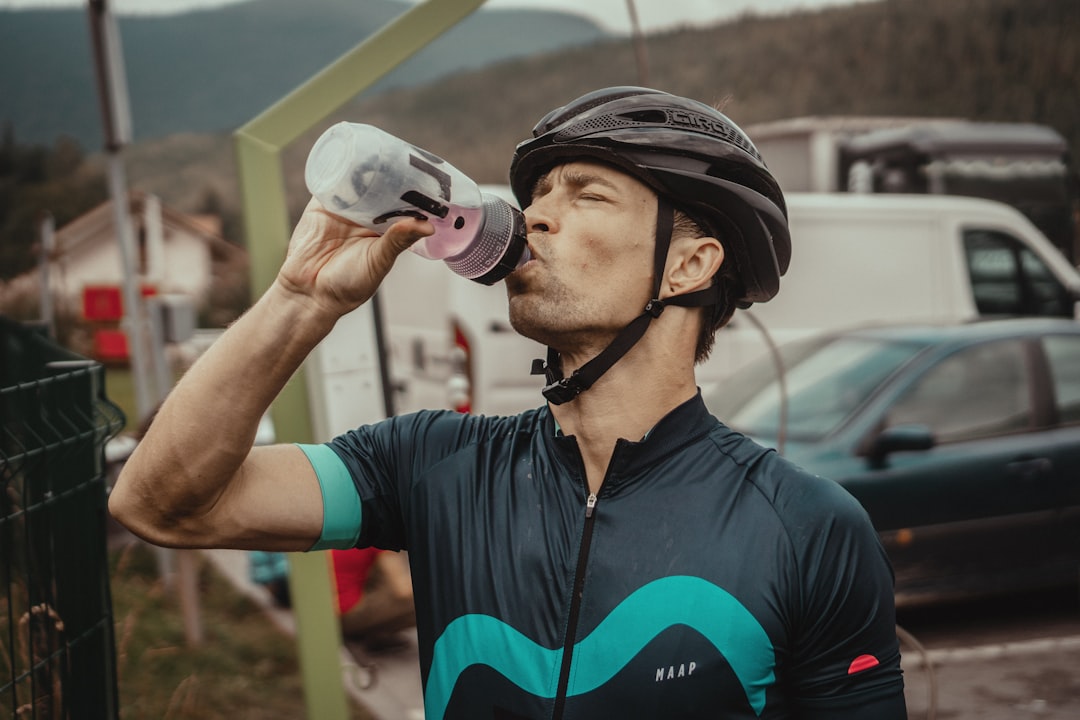
For double-high sweaters like me and my crampy cyclist, I keep an endurance-formulation mix in the kitchen — the Gatorade Endurance powder matches almost exactly to my sensor’s sodium profile — and I mix bottles to the liter targets the patch sets. It sounds obsessive written down. On the road it’s thirty seconds of kitchen math that converts a mystery into a recipe, and I’d argue it’s the difference between suffering through September and actually training through it.
The Kit That Makes Live Data Drinkable
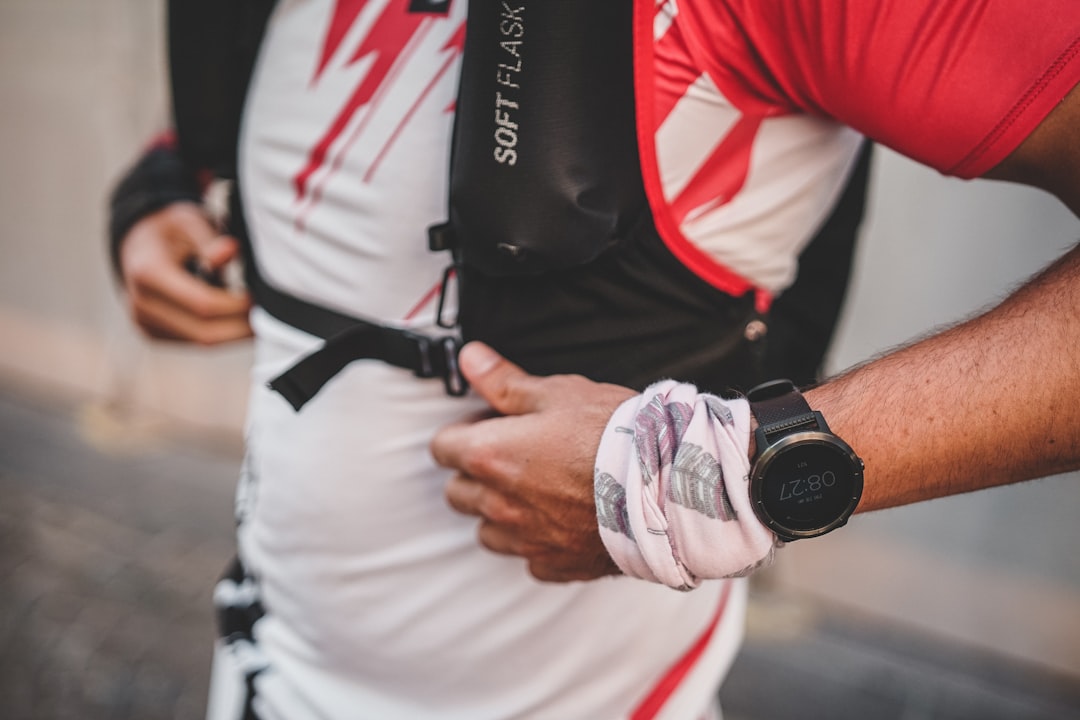
A sensor telling you to drink means nothing if the drink is in your kitchen. The gear upgrade mattered as much as the data upgrade. For trail mornings I wear a hydration vest with two soft flasks up front — I refill mine from a collapsible flask pair that squishes flat when empty — so the prescribed ounces are always within reach, not back at the car.
Between sessions, the quiet workhorse is a HidrateSpark PRO tumbler that glows when my daily pace falls behind — because rest-day hydration is what makes the next hot workout survivable. None of this gear is exotic. It’s just that pairing it with actual personal data turned my bottles from accessories into equipment.
No Sensor? The Free Version Still Works
Here’s the part I tell every client who isn’t ready to spend real money on patches: you can capture eighty percent of this value with a bathroom scale and a notebook. Weigh in before and after an hour of hot exercise, drink nothing, and every two pounds lost is roughly a liter of sweat. Sprinkle salt on your forearm, let it dry in the sun, and white crystal crusts hint you lean salty. It’s the same philosophy I apply to every wearable — the device is a mirror, not a magic wand, and the lessons outlive the hardware.
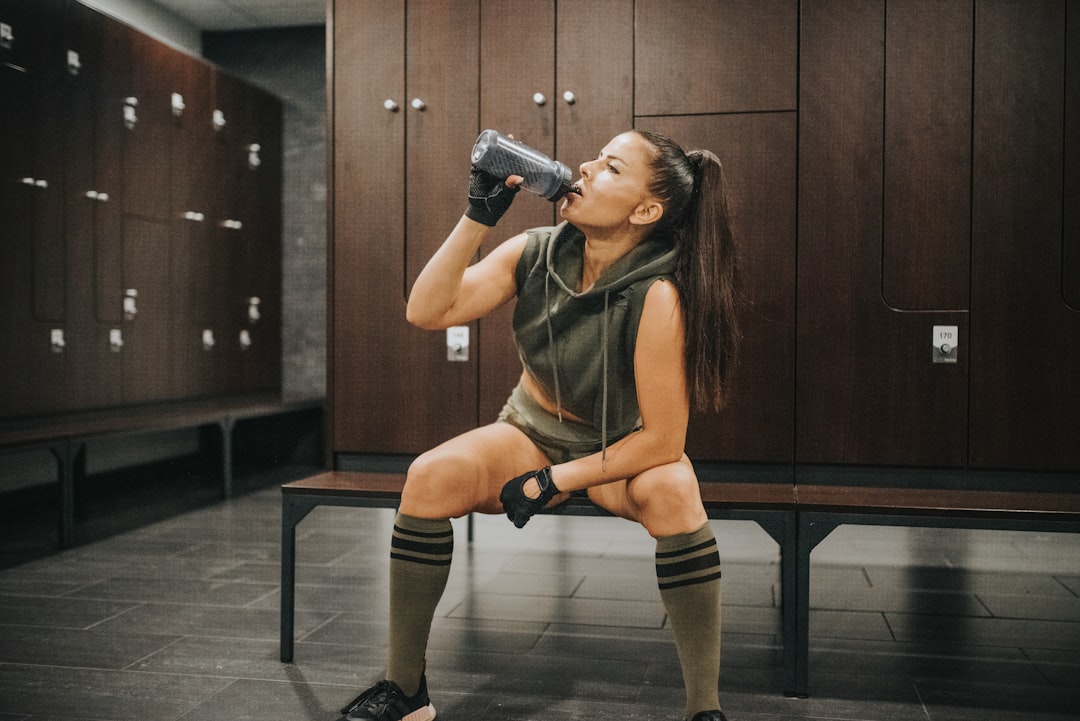
The patches just compress years of that trial and error into a couple of sessions, with better precision and a live nudge. If you race long or hot, that’s money. If you train forty-five minutes a day in air conditioning, the scale method is honestly enough.
A Coach’s Honest Verdict

Six weeks in, the pod lives in my gym bag, and I’m not giving it back. It caught a slow-motion hydration failure my watch never flagged, explained a decade of heat-season cramping, and turned my saltiest athletes into believers. The category is young — recurring patch costs add up, disposable versions don’t stream live, and the lab-grade sensors that read glucose and cortisol from sweat are still a validation story away from your local big-box shelf, with serious work on continuous lactate still in progress at Abbott, Dexcom, and smaller labs.
But the direction is unmistakable. First we counted steps, then heartbeats, then sleep. Sweat is simply the next chapter, and for people who train in the heat, it’s the chapter that finally matters. Test yourself once this month — sensor or scale, either one — and find out what your body has been trying to tell you all summer. Strong, salty, and finally well-watered friends: that’s the whole mission.