
The cramp hit at kilometer nine, in the middle of a tempo run last August, and it hit like someone had snipped a wire in my left calf. I grew up as the kid who crawled early and never stopped moving, spent a decade chasing a heptathlon dream that ended a fraction of a point short of the Olympic trials, and I still learned about sodium the dumb way — face-down on a hot trail, texting my assistant to cancel my afternoon clients.
Here is the part that took me three summers to accept: water was never the problem. I was drinking plenty of water. The problem was what I was washing out of my body with every liter of it, and how little I understood about the powders, tablets, and drops staring at me from the supplement aisle. So this year, my team and I did the tedious work — we bought the big names, spread the labels across my kitchen island, and ran them against my own sweat data from a full summer of coaching outdoors. Consider this the field guide I wish someone had handed me back then. If you want the shortcut: match the sodium to the session, ignore the front of the packet, and be suspicious of anything that tastes delicious without explaining itself.
Why Plain Water Betrays You After the Second Hour

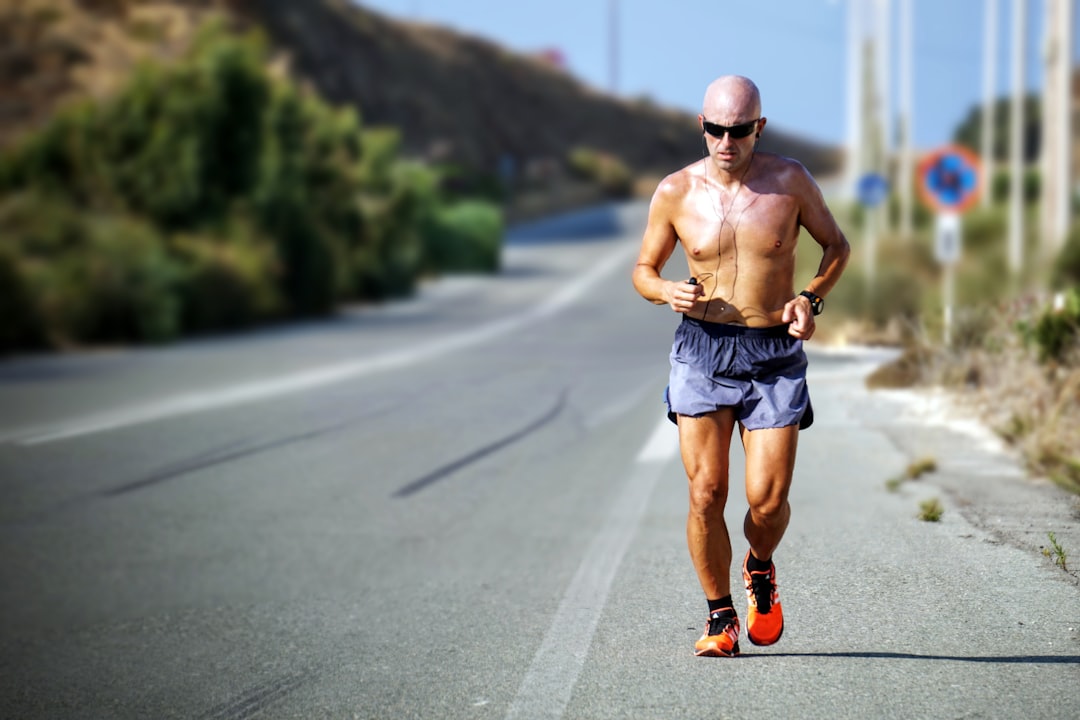
Your sweat is not just water. It is salt water, and every athlete’s recipe is slightly different. Sports-science data from thousands of sweat tests puts the average athlete at roughly 950 milligrams of sodium lost per liter of sweat, with a stunning range — some people shed as little as 200 milligrams per liter, while heavy salt sweaters dump out more than 2,300. That ten-fold spread is why your training partner can finish a hot ten-miler on plain water while you’re a wreck in the shade.
When you chug plain water during long, salty sessions, you dilute what’s left in your blood. Most general training guidance lands somewhere between 300 and 800 milligrams of sodium per hour of hot-weather exercise, and heavy sweaters on long efforts often need closer to a full gram per hour. Miss that window repeatedly and you’re not just courting cramps — you’re signing up for headaches, wrecked recovery, and the kind of afternoon fog that makes you ghost your own workouts.
I think of it as the sweat tax. You can pay it deliberately with a well-chosen mix, or you can pay it with interest at mile nine.
Reading the Label Like a Sweat Scientist
Before we get to brands, one decoder ring. Flip any electrolyte packet over and find three numbers: sodium, sugar, and potassium. Sodium is the headline — under 300 milligrams per serving is a flavored beverage, not a training tool. Sugar is neither villain nor hero; a modest amount actually helps absorption, which I’ll explain in a minute. And if the label leads with “coconut” or “natural” but trails 40 milligrams of sodium, you’re buying vibes, not electrolytes.
The genuinely useful trick is matching sodium to session length. My rule of thumb after a summer of logging it: under an hour, plain water and a normal diet cover most people; one to two sweaty hours, 300–500 milligrams per hour; beyond that or in serious heat, 500–1,000. My team teased me for turning my kitchen into a lab, but the difference in my afternoon energy was not subtle.
The Heavy Sweater’s Shelf: 1,000 Milligrams, Zero Sugar
Let’s start with the strongest medicine in the category. LMNT packs a full gram of sodium per stick with zero sugar, which makes it the pick for long hot efforts, low-carb eaters, and anyone whose hat brim turns white with salt rings after summer workouts. The lemonade flavor is my default, and the watermelon version wins over clients who claim they hate salty drinks. One food writer described the citrus flavor as “a margarita with a salty rim” — she’s not wrong, and honestly, that’s kind of the point.

The catch is real, though: a gram of sodium is overkill for a forty-minute gym session or casual sipping at your desk. This is session-specific tooling, not an all-day beverage. If you’re not sweating hard for a couple of hours, you don’t need this much salt — you need the tiers below.
The Rapid-Rehydration Tier: When Glucose Is Doing Real Work
Now, the science that explains why some mixes contain sugar on purpose. Your gut absorbs sodium and glucose together through a shared transporter — it’s the same mechanism behind oral rehydration solutions used in medicine worldwide. That’s why Liquid I.V. and DripDrop exist in a different category than plain salt water: they’re engineered to pull fluid into your bloodstream faster than water alone can travel.
Is that 11-ish grams of sugar per Liquid I.V. serving a problem? For a keto adherent, sure. For someone finishing a humid ninety-minute tennis match, it’s fuel with a purpose. The Liquid I.V. variety pack is the one my clients actually finish — flavors matter, because the best electrolyte mix is the one you’ll drink — and the classic lemon-lime is the safe bet for picky palates.

DripDrop sits in the same rapid-rehydration family, originally built by a doctor to fight dehydration where IV therapy wasn’t available. The Bold variety pack runs slightly less sugar than you might expect for the sodium load, and I keep a few sticks in every gym bag for the summer camps I run at the Y — it’s the fastest way I’ve found to bring a wilted kid back to life between matches.
Use this tier after hard sweat sessions, during illness, or on brutal travel days. Don’t sip it casually all afternoon like iced tea — the sugar math stops making sense at three servings a day.
The All-Day Sipper Tier: Light, Low-Sugar, Livable
Most days you don’t need a gram of anything — you need a gentle nudge that makes drinking water appealing from breakfast to dinner. That’s the lane Nuun and Ultima occupy. Nuun’s Sport tablets drop into a bottle with a faint fizz, a lighter sodium load, and almost no sugar; the dissolvable-tablet format is also the most convenient thing in the category — no powder spills in your gym bag, ever.
Ultima takes the even-lighter road: the variety stick packs are sweetened with stevia, colored with actual fruit, and mild enough that my most supplement-skeptical friend now drinks them daily. Think of this tier as your baseline habit and the LMNT tier as your event-day escalation. My bottle usually carries something from this family during morning coaching sessions, and I escalate only when the heat index does.
The Purist Shelf: Real-Food Hydration
Some of my readers don’t want a lab-designed anything, and I respect that — half my job is meeting people where they are. Skratch Labs was famously built from real food for pro cyclists, and their lemon-lime hydration mix uses a lighter sugar load with actual fruit in the ingredient list. It’s the taste most people describe as “like juice that tells the truth.”
For zero-powder people, Buoy’s trace-mineral drops disappear into any drink — coffee, sparkling water, whatever’s already in your hand — with no flavor to explain to anyone. And if you lean natural but want potassium, Laird Superfood’s coconut water powder mixes into smoothies and delivers the potassium side of the story alongside a modest sodium bump. None of these replace a gram-of-sodium mix during a three-hour ride, but as daily infrastructure? They’re excellent.
The Nightshift Mineral: Don’t Forget Magnesium
Here’s the tier nobody puts on the shelf together. Magnesium is the quiet fourth electrolyte — it’s what your muscles use to relax after sodium and potassium fire them — and summer sweat strips it right out of you. Since I started taking magnesium glycinate at dinner, my evening twitches have all but vanished. Glycinate is the gentle-on-the-stomach form; avoid oxide unless you enjoy spending your morning elsewhere.
If you want the full wind-down ritual, my four-minute evening drink protocol pairs this tier beautifully — I wrote up the whole thing, and the hydration piece slots right into it.
How I Stack It Through Late August
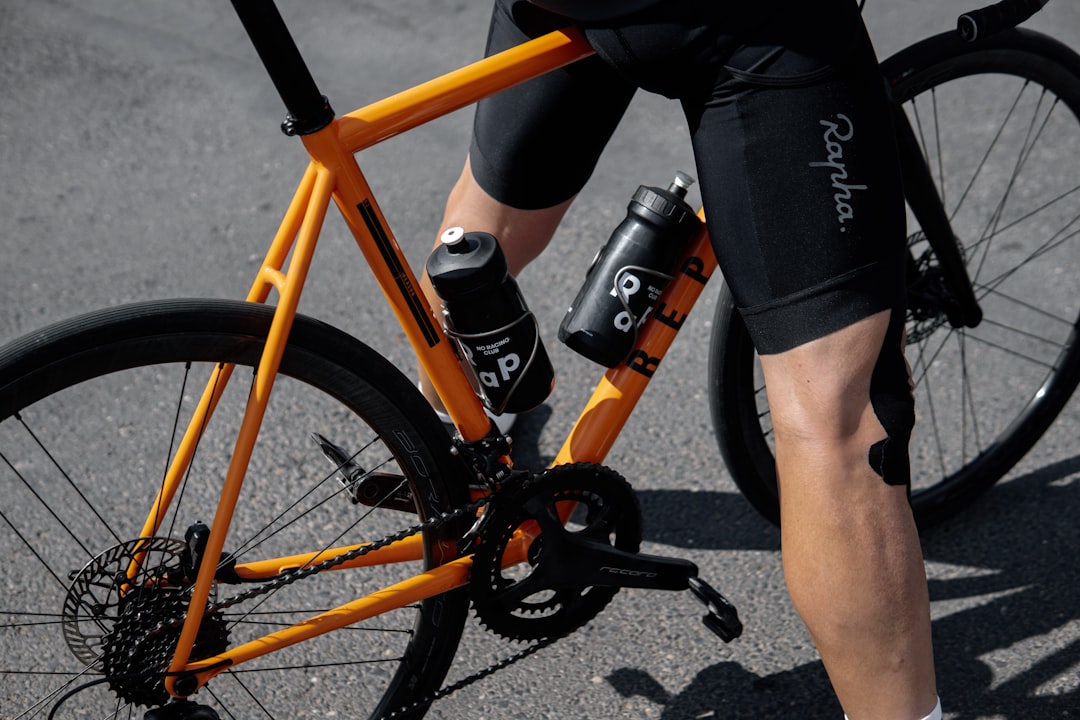
So what does one coach’s actual day look like in the dog days? Morning bottle: Ultima or a Nuun tablet, sipped through early clients while I program workouts and answer messages. Long outdoor sessions or hot-weather intervals: LMNT, one stick per hour-plus of hard sweat, no negotiation. Post-tennis or post-camp recovery with the kids: Liquid I.V. or DripDrop, because speed of rehydration matters most in the hour after you stop. Evening: magnesium with dinner, water after that — and a final sanity check on my ring’s overnight HRV trend before I dim the lights.
The heat angle compounds everywhere this time of year. My sauna blanket experiments raised my fluid needs on session days — heat stress is heat stress, whether it’s August sun or a recovery session. And the walking-pad crowd I coach through desk seasons quietly sweat more than they think, even at two miles an hour under summer humidity. If you’re currently auditing your whole supplement shelf in this weather, my label-detective guide to the pre-workout aisle walks through the same decoder-ring method.
One honest closing note: you can absolutely overdo this. More sodium is not more better, and drinking to a schedule rather than thirst can backfire at the extremes. If you have kidney issues or blood-pressure concerns, loop in your doctor before adding a gram of sodium to your training days. For most healthy, sweaty people, though, the fix for three summers of mystery cramps was hiding in a $1.50 packet the entire time.
Salt on the label first, flavor second, marketing last. That’s the whole guide. Now go drink something smarter than water — your mile nine will thank you.




One comment on “The Sweat Tax: An Electrolyte Field Guide Built From One Miserable August”