
September has a rhythm to it. The runners I coach start ramping mileage for fall half marathons, teachers and nurses come back from summer break to jobs that have them on their feet for ten hours straight, and almost like clockwork, somebody texts me the same sentence: “My heel hurts when I get out of bed — it goes away after a few steps, so it’s probably nothing, right?”
I used to say “probably.” I don’t anymore. Because that little stab — the one that greets your first ten steps of the day and then politely disappears — is one of the most reliable early-warning signals in all of sports medicine. My team and I have watched it play out the same way dozens of times over the years: ignore the whisper in September, and you’re limping through the holidays with full-blown plantar fasciitis, an injury that routinely takes six months to fully quiet down.
Here’s the good news, and it’s genuinely good: caught in the first two or three weeks, plantar fasciitis is one of the most treatable foot problems out there. Most of what works costs less than a pair of movie tickets. This is the exact playbook I walk my clients through, refined over years of catching this thing early — and it’s built for the September crowd specifically, the people whose feet just got a whole lot busier.
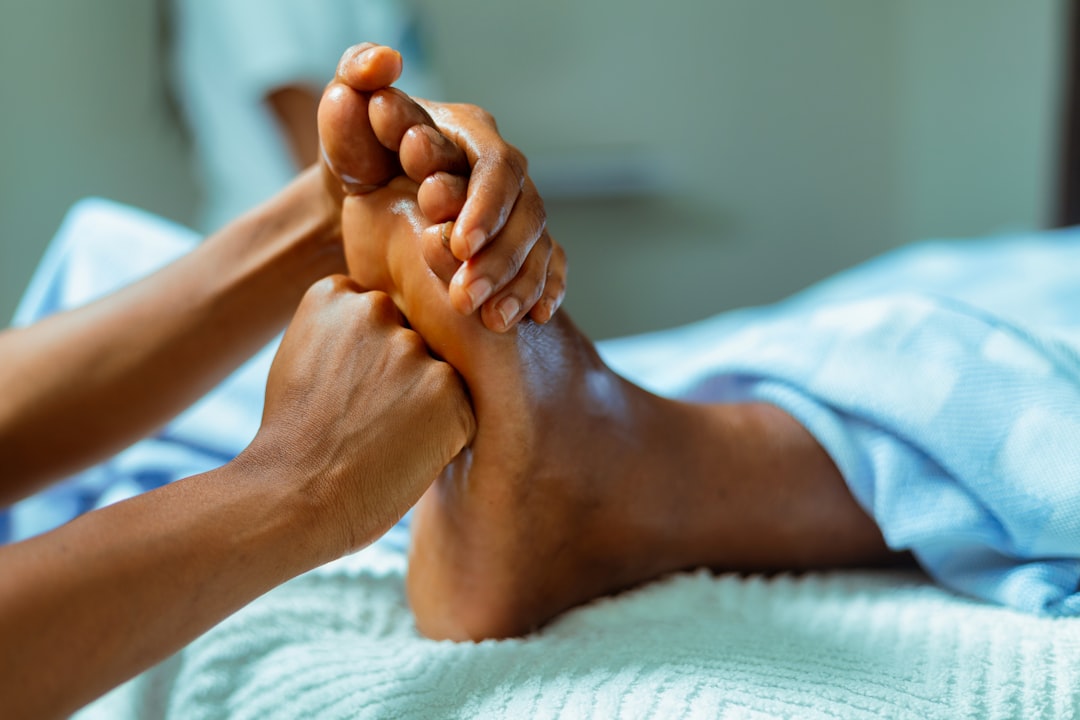
What That Morning Stab Actually Is
The plantar fascia is a thick band of connective tissue running from your heel bone to the base of your toes. It’s the tension cable that holds your arch together every time you stand, walk, push off, or land. And it has a personality: it tolerates gradual loading beautifully and panics at sudden spikes.
The morning pattern happens because of what goes on overnight. While you sleep, your foot points slightly downward and the fascia contracts, shortening like a relaxed rubber band. When you swing your legs out of bed and stand, you suddenly stretch that shortened tissue under your full body weight. Microtears in an already-irritated fascia get yanked open — hence the stab — and then circulation and movement warm things up enough that the pain fades. That fade is the trap. It convinces you nothing is wrong.
What almost nobody connects is the calf. Tight calves are the hidden engine behind a huge share of plantar fasciitis cases. When your ankle can’t flex far enough, your foot compensates by collapsing through the arch with every step, and the fascia pays the toll. This is why my first-line treatment for foot pain involves almost no foot treatment at all — a detail that surprises every client I’ve ever coached through it.
If you want a deeper dive into how your feet handle chronic load, my barefoot training experiment covers what happens when you strip away cushioning entirely — and who should never try it.
The Week-One Protocol: Free, Boring, and Shockingly Effective
Before you spend a dollar on anything, change three things about your mornings. Do this the very first week you notice the stab, not three months from now when you’re googling “heel pain won’t go away.”
First, never take a cold first step. Before getting out of bed, pull your foot up toward your shin with a towel or your hands and hold thirty seconds. Flex and point your foot twenty times, then circle your ankles in both directions. Sixty seconds of work, and you’ve warmed the fascia before it takes your weight.
Second, stretch your calves like it’s your job. Thirty seconds per stretch, three reps per side, heel fully grounded, done two or three times a day. Wall stretches with a straight back leg hit the gastrocnemius; a bent-knee version reaches the deeper soleus, the one that attaches closest to your heel. Most people skip the bent-knee version entirely — don’t be most people.
Third, dial the load back before your body does it for you. If you’re mid-marathon-block, this means cutting weekly mileage by twenty to thirty percent and keeping intensity easy for a week or two. That conversation is never fun, but it beats the alternative conversation in November, the one where I tell them their season is over. Continuing to run through the early stage is often still fine — the research is pretty clear that if the pain is mild and fading, gentle running doesn’t make things worse while you work on calf mobility, ankle range, and hip strength in parallel.
My ground-game piece on recovery footwear goes deeper on what your feet should be wearing in the hours you’re not training — because that’s usually most of the day, and it matters more than people think.
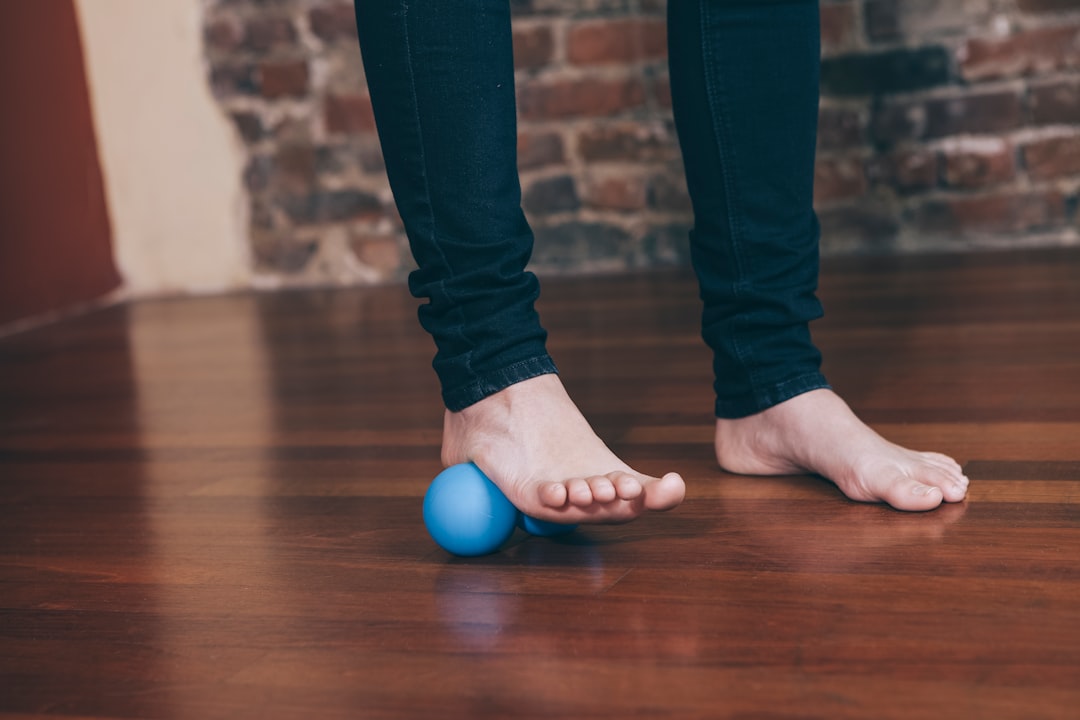
The Five-Dollar Tool That Outperforms $200 Gadgets
If you buy one thing this week, make it a lacrosse ball. A firm rubber ball lets you strip tension out of the arch and the calf with pressure you can control precisely — seated, watching TV, thirty seconds at a time. I keep one in my coaching bag and one under my desk, and after a heptathlon career that hammered my feet for fifteen years, rolling is as automatic for me as brushing my teeth.
Two technique notes make all the difference. Roll the calf first, then the arch — remember, the calf is where the problem usually starts. And work the tissue gently in the acute phase; grinding aggressively into an inflamed heel can actually worsen irritation. A two-pack of myofascial massage balls runs about ten dollars and lasts basically forever, which is exactly the kind of cost-to-benefit ratio I love.
Rolling Upgrades: When to Retire the Frozen Water Bottle
The frozen-water-bottle trick is a classic for a reason — the cold numbs while the curve stretches. But once the sharp phase calms down, cold stops helping and texture starts mattering. A dedicated foot roller with nubs digs into the arch differently than any bottle can, and the ridged models give you a progressive stretch as you roll from heel to toes.
The arch roller I recommend most often costs about the same as a lunch salad and lives under the couch. My clients who leave it somewhere visible — next to the coffee table, by the front door — actually use it. The ones who stash it in a drawer don’t. Placement is a strategy; write that down.
Night Splints and Sleep Socks: Stretching While You Don’t
Here’s the cleverest hack in foot care: if the fascia shortens overnight and tears when you stand on it in the morning, stop letting it shorten. Night splints hold your foot in a gentle dorsiflexed position while you sleep, so the tissue heals at length instead of healing short and re-tearing daily.
Full boot-style splints like the classic adjustable dorsal night splint are the gold standard for established cases, though fair warning from my testers: they’re bulky, and your bed partner will have opinions. For milder early-stage symptoms, a lot of my clients do better with a halfway option — compression socks with arch support worn overnight. They won’t hold the foot in position like a splint, but the gentle compression seems to keep morning symptoms quieter for many people, and nobody has ever complained about sleeping in a sock.
My honest take after years of client feedback: try the sock first at the first sign of morning stabs. If two weeks of the sock plus the morning protocol doesn’t calm things down, escalate to the splint. That escalation ladder keeps people comfortable and compliant, which is ninety percent of the battle.
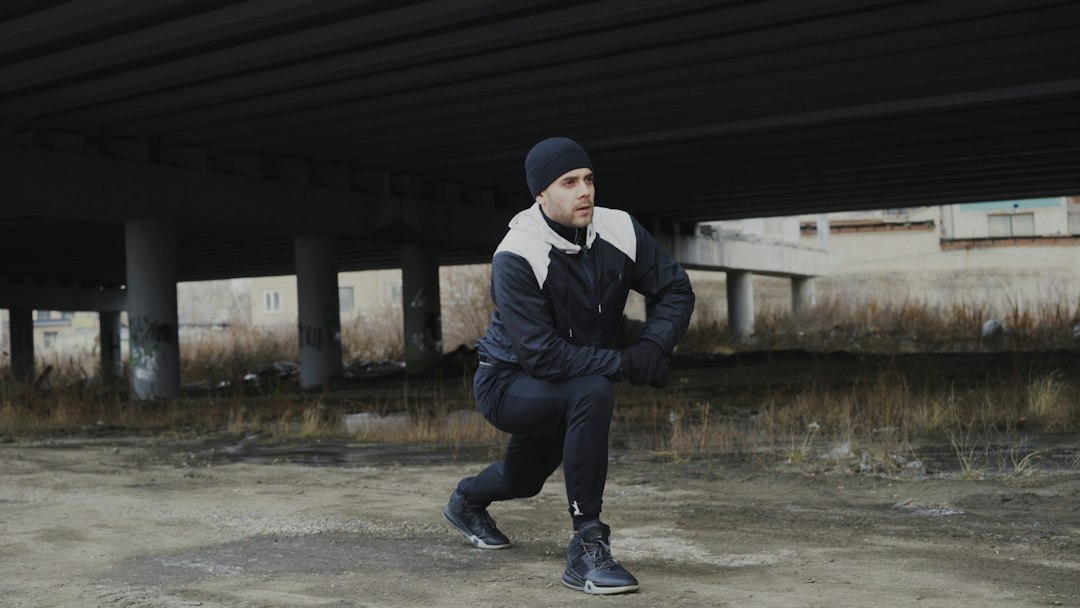
The Calf Connection: Where Heel Pain Is Actually Born
I’ll say it louder for the people in the back: if your heel hurts, we’re stretching your calves. Every single time. The most stubborn cases I’ve coached weren’t stubborn foot problems — they were flexible-arch problems attached to calves with the pliability of rebar.
A slant board turns calf stretching from a chore into something you can do passively. Prop it under your standing desk, park your heels low while you answer emails, and you’re accumulating minutes of tissue lengthening without a single extra minute carved from your day. The adjustable wooden incline board I use in my studio adjusts through five angles, so you progress gradually instead of white-knuckling the steepest setting on day one. If you’re not ready for a board, a looped stretch strap does similar work from the floor or bed — ten numbered loops mean you can track your progress numerically, and my data-brained clients adore that.
One caveat from someone who learned it the hard way: stretching is a daily-of-many-small-doses habit, not a heroic twice-a-week yoga session. Two minutes, six times a day, beats twelve minutes once. Your calves respond to frequency, not intensity.
Arch Support, Honestly: Insoles Without the Hype
The insole aisle has become a graveyard of exaggerated claims, so let me be precise about what insoles can and can’t do. They cannot heal plantar fasciitis. What a well-made orthotic does is redistribute load away from the strained fascia while the stretching and rolling do the actual healing — a crutch, in the best sense of the word.
For that job, I keep coming back to PowerStep Pinnacle insoles. Podiatry offices hand these out for a reason: firm arch support with a cushioned top layer, no prescription needed, and they survive months of daily wear. If your arches collapse noticeably when you stand or you’re on hard floors all day at work, they’re worth their weight in gold. If you already wear supportive shoes and your arches are structurally fine, save your money and spend it on the massage ball instead.
Barefoot-curious people sometimes ask if minimalist shoes caused their heel pain — sometimes yes, sometimes the opposite. My ninety-day barefoot experiment covered who thrives and who gets hurt; the short version is that transitions need to be glacially slow.

The Desk Setup: Two Small Luxuries Worth Budgeting For
Once the essentials are covered, two upgrades earn their shelf space. The first costs almost nothing: silicone toe spacers, worn while you sit at your desk for twenty or thirty minutes a day. Years of narrow shoes compress the toes, and compressed toes can’t do their share of the arch-support work. Spacing them back out is passive foot gymnastics — you’re literally retraining anatomy while you answer email.
The second is the splurge: a shiatsu foot massager with heat. I resisted recommending machines like this for years — too gimmicky for my taste. Then three different clients bought them anyway and reported the same thing: the evening sessions became the ritual that kept them consistent with everything else. Heat plus deep kneading before bed eased the day’s accumulated tension, and anything that makes the recovery routine feel like a treat instead of homework has real value. Is it necessary? No. Is it lovely after a ten-hour shift on concrete? My nurses and teachers vote an emphatic yes.
And while we’re on daily rituals: single-leg balance work is the quiet complementary habit nobody assigns. Thirty seconds per foot while your coffee brews builds the small stabilizers that protect your arch from the inside. I wrote a whole piece on what your one-foot balance time reveals about how you’re aging — it’s more predictive than you’d guess.
When to Stop Self-Treating and Get Help
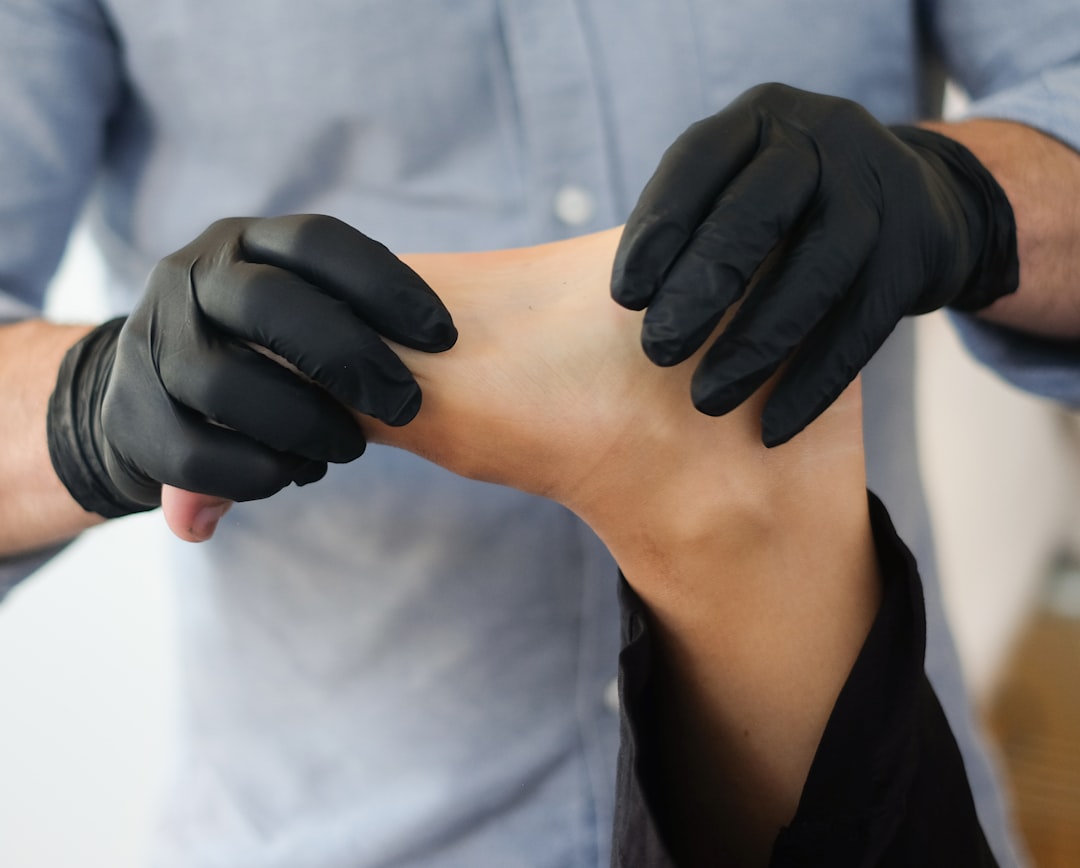
I coach foot care, but I know exactly where my lane ends. See a professional — podiatrist or physical therapist — if any of these apply: pain that’s sharp rather than achy and worsening week over week, numbness or tingling, a popping sensation at the moment of injury, heel pain in a child or teenager, morning pain that’s still going strong after three or four weeks of consistent work, or any pain that makes you limp. Cortisone injections, imaging, and structured PT exist for the cases that don’t respond, and catching those cases early is part of catching them well.
The clients who recover fastest are never the ones who push through. They’re the ones who act in week one.

The Two-Week Rule
Everything above compresses into one decision, and I’ll leave you with it. When that first morning stab shows up, start the free protocol that same day — the bed stretches, the calf work, the mileage haircut. Give it two honest weeks.
If the whisper fades, you’ve dodged something that was absolutely coming for you, and you’ve built habits worth keeping forever. If it hasn’t faded — or it’s louder — escalate: sock, then splint, then professional eyes. Two weeks, one decision, and the difference between a September footnote and a six-month saga.
Your feet log every mile you ask of them and ask for almost nothing in return. Ten minutes of care a day is a laughably small thank-you. Ask them in September, before they have to yell in November.




2 Comments on “The Stab You Shouldn’t Shake Off: Catching Plantar Fasciitis While It’s Still a Whisper”