The first genuinely cold night of November always shows up in my inbox the same way. A client texts a photo of a tangled controller cord and a twenty-year-old electric blanket she pulled out of her parents’ guest closet. “Safe to sleep under this, or am I being dramatic?” She is not being dramatic. Old heated bedding is one of the few “cozy” purchases that can quietly turn into a fire and burn risk while you are unconscious, and heated-blanket searches are up more than 200% over the last three months for a reason: the furnace is waking up, people want a cooler house, and Amazon’s electric throws are everywhere.
So here is the protocol my team and I give every client who asks whether a heated blanket is safe to sleep with. It is safety first, sleep science second, shopping third. Warm the bed. Then turn the heat off. Buy gear with a real certification mark and a real auto-off timer. And know when a weighted blanket, a mattress pad, or a plain hot water bottle is the smarter move. Our home team’s heated blanket rules for a cooler thermostat cover the energy and comfort side of this; this piece is the health-and-safety playbook I hand athletes, parents, and anyone in perimenopause who runs hot at 2 a.m.

Why Warm Sheets Help You Fall Asleep Faster
Your body wants a small drop in core temperature to tip into sleep. That is why a cool bedroom (around the low-to-mid 60s Fahrenheit for many adults) tends to work better than a stuffy one. The catch is the first ten minutes: cold sheets feel awful, so you crank the thermostat, pile on quilts, and overshoot. A heated blanket or mattress pad solves the entry problem without turning the whole room into a sauna.
Warm the surface of the bed for twenty to thirty minutes while you brush your teeth and finish your wind-down. Climb in. Then shut the heat off. Your sheets stay warm long enough for sleep onset, and your core is still free to cool as the night goes on. That “warm first, then off” pattern is the single rule I refuse to negotiate, even with newer blankets that advertise all-night use. Auto-off is a backup. It is not permission to forget.
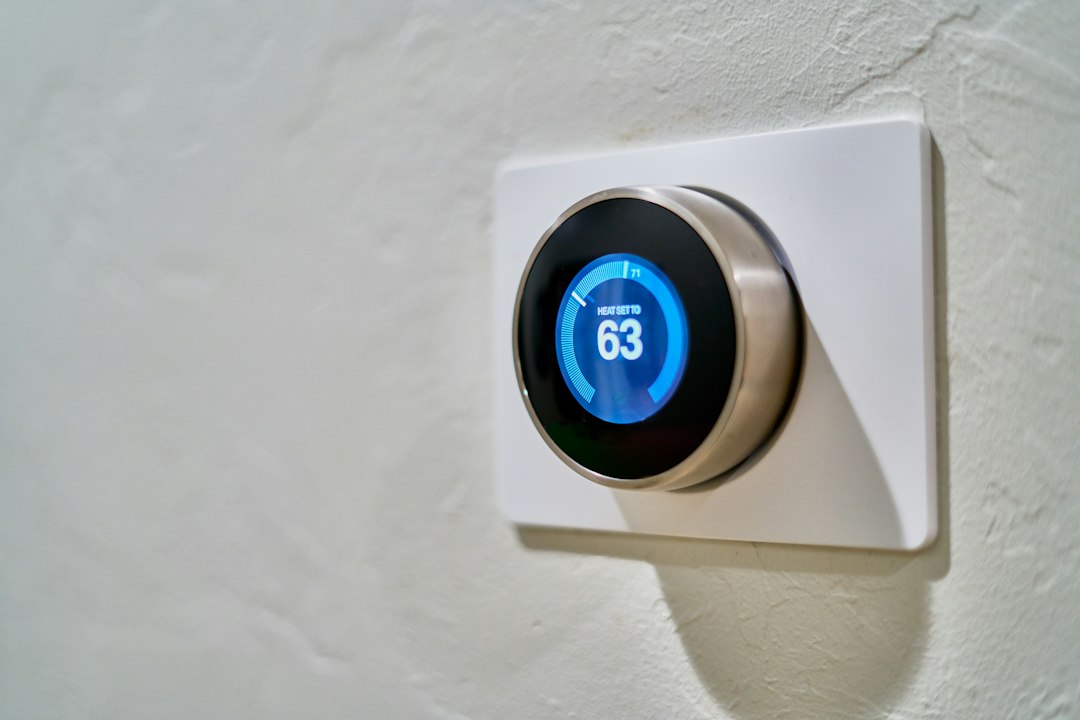
If you already fight night sweats, this matters even more. Continuous heat under the covers can push you into the same overheating spiral I wrote about in my hot-flash bedroom kit. Preheat, then off, keeps the comfort without trapping you in a personal heat dome. Pair it with a room that stays cool and a humidifier if your furnace is already drying the air — the same bedroom-air checklist from my furnace-season air fix.
The Five Safety Checks Before You Plug Anything In
Fire marshals and independent testing labs have been saying the same things for years, and they still apply to the shiny 2026 models. Run this checklist every time a blanket comes out of storage, and again every few weeks through winter.
- Look for UL or ETL on the tag. Only buy heated bedding certified by a nationally recognized testing lab. The mark should be on a sewn-in label, not a sticker you can peel off. Skip garage-sale finds and unlabeled imports.
- Inspect the whole blanket, both sides. Char marks, melted spots, cracked insulation, a wiggly plug, or a controller that feels hot to the touch means retire it. Pets that chew cords also mean retire it.
- Replace anything older than about a decade. Wiring fatigue is real. A new certified blanket costs far less than a burn injury or a bedroom fire.
- Plug straight into the wall. No extension cords, no overloaded power strips, no cord pinched between the mattress and the wall or under a rug.
- Keep it flat. Never fold an electric blanket while it is on. Never tuck it under a body like a mattress pad unless it was designed as a mattress pad. Never stack a second heater or a heating pad on top of it.
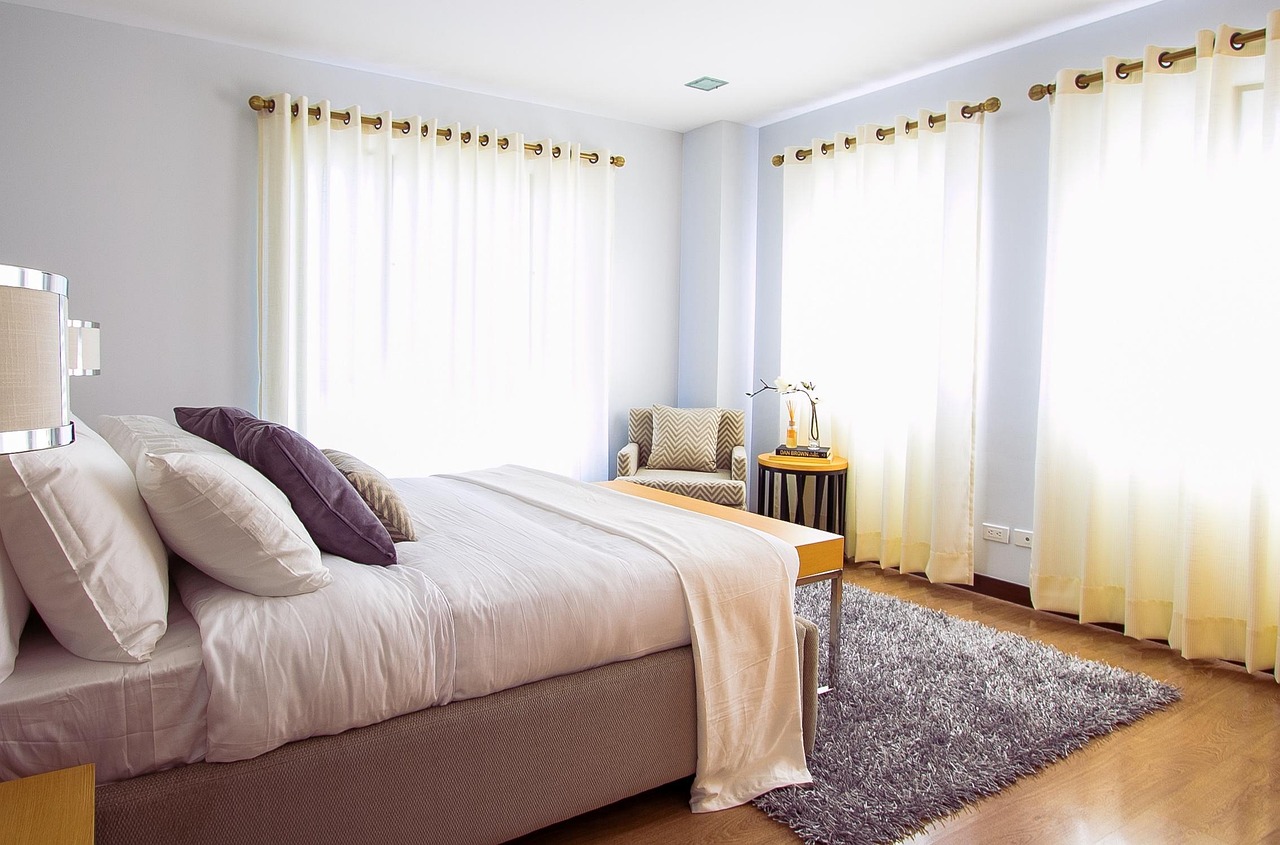
Store it rolled, not folded, when the season ends. Folding for months creates sharp bends in the heating wires that show up as hot spots next November. Do not use electric blankets or heated mattress pads for infants, including to preheat their sleep space. For adults with reduced heat sensation — including some people with diabetes — limited mobility or incontinence, preheating is not a workaround for a manufacturer’s exclusion. Follow the product’s restrictions and discuss suitable alternatives with your clinician.
What “Safe to Sleep With” Actually Means on the Box
Marketing copy loves the phrase “safe for all-night use.” What that usually means is: the blanket has overheat protection and an automatic shutoff, often after eight to ten hours. Useful. Not magic. I still coach the preheat-then-off habit for three reasons.
First, sleep quality. Continuous heat can raise skin temperature enough to fragment deep sleep, especially for people already dealing with hormonal night sweats. Second, fire risk never hits zero. Bunching, pets, a damaged wire, or a controller left under a pillow can still cause trouble even with modern sensors. Third, the habit is simply easier to teach. “Warm the bed, then unplug” is a one-sentence rule clients remember when they are tired.
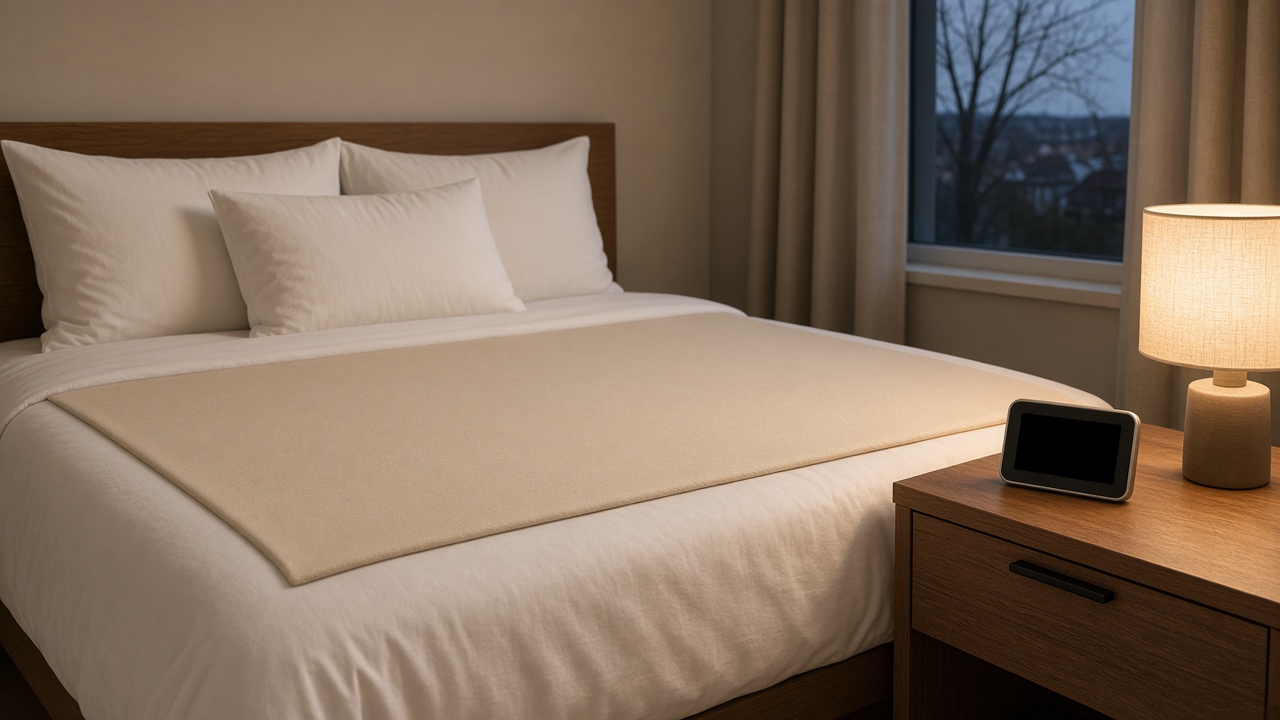
If you truly want overnight warmth without managing a controller at 11 p.m., look at a heated mattress pad instead of a top blanket. Pads sit under the fitted sheet, stay flatter, and are harder to bunch. A Sunbeam Heated Mattress Pad with dual zones is the style I point couples toward when one person wants warmth and the other wants Antarctica. For a top blanket with dual controls, a Soft Heat Luxury Electric Blanket is the quieter, denser option I trust more than bargain no-name brands — still with UL/ETL on the tag and a real auto-off timer.
Budget buyers who want a full-size heated blanket for guest rooms often land on a Bedsure Electric Heated Blanket, which currently leads a lot of Amazon electric-throw and blanket lists. Buy it new, confirm the certification mark, and treat it to the same preheat-then-off protocol. A Bedsure Electric Throw Blanket is fine for the couch; it is not a substitute for inspecting a full bed blanket before you sleep under it.
Heated Blanket, Heated Throw, or Mattress Pad?
These are three different tools, and mixing them up is how people get into trouble.
- Electric blanket (top blanket): Goes over you, stays flat, never tucked under your body. Best for preheating and for people who want to peel warmth on and off easily.
- Electric throw: Shorter, meant for the sofa or a chair. Great for evening recovery after a hard session. Not sized or wired for overnight bed use unless the manufacturer explicitly says so.
- Heated mattress pad: Goes under the fitted sheet. Stays flatter overnight. Better choice if you want low, even warmth without a controller on top of the covers.
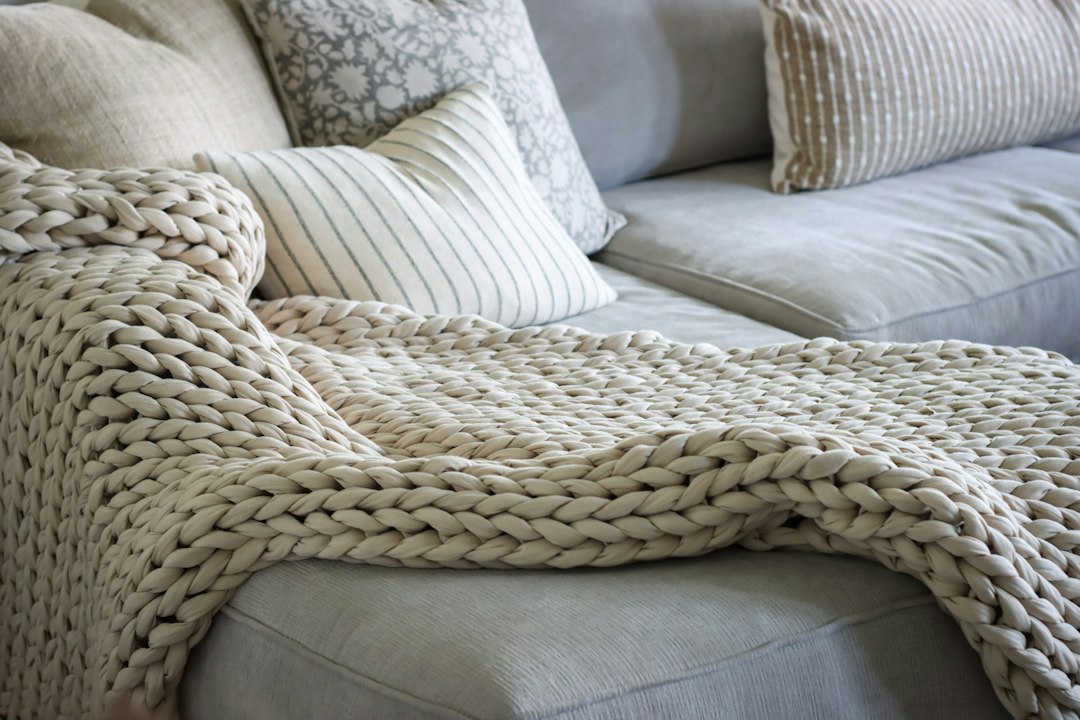
Couples with very different temperature preferences should prioritize dual controls. A Dual Control Electric Blanket lets one side run warmer without roasting the other. If you share a bed with a furnace of a partner and you are the one kicking covers off by 1 a.m., a dual-zone pad under the sheet is often kinder than arguing about the thermostat.
One more practical buy: a simple Waterproof Mattress Protector under everything. It will not make an electric blanket waterproof, and you should never use heated bedding that has gotten wet. What it does is protect the mattress from sweat and spills so you are not tempted to run a damp blanket through an aggressive wash cycle that shortens its life. Follow the manufacturer’s washing instructions exactly — many controllers detach, and many blankets want a gentle cycle and air dry.
When a Weighted Blanket Is the Better Buy
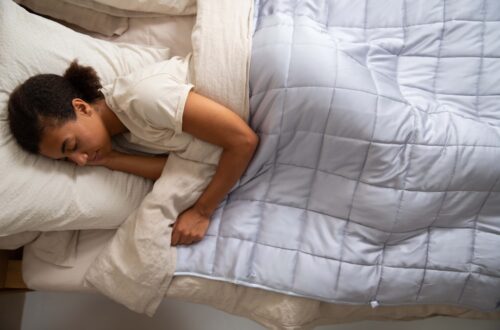
Not every cold-night sleep problem is a temperature problem. Plenty of my clients really need deep pressure, not heat. If you fall asleep fine once you are warm but wake up restless, anxious, or thrashing, a weighted blanket may outperform a heated one — with zero wiring.
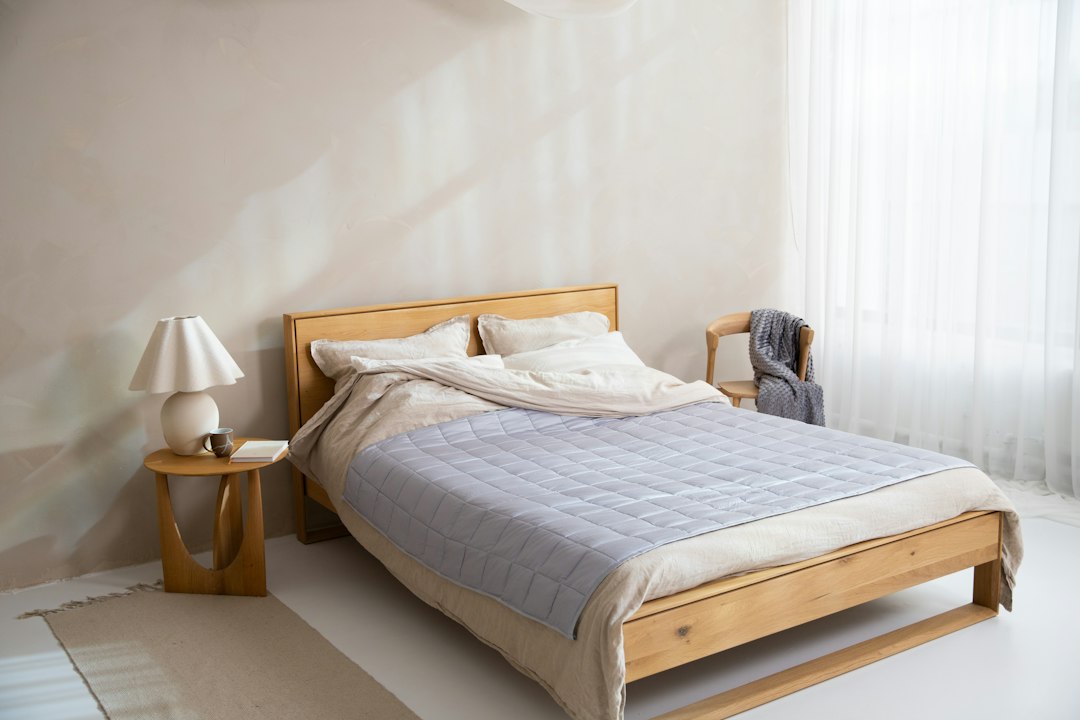
I already wrote a full buying guide in Fifteen Pounds of Quiet, so I will not rehash every fill and weight chart here. The short version: start around 10% of body weight, make sure you can still roll and kick free, and never combine a heavy weighted blanket on top of an active electric blanket. Trapped heat plus restricted movement is the opposite of safe. If you want both sensations, preheat with the electric layer, turn it off and remove or fold it back, then pull the weighted layer on for sleep. A YnM 15-Pound Weighted Blanket is a common starter size for many adults; size up or down from there based on body weight and how mobile you are at night.
Side sleepers should also fix the pillow before blaming the blanket. A poorly fitted side-sleeper pillow will keep waking you no matter how perfect the warmth is — start with the measuring and towel test in my side-sleeper pillow fitting guide.
Non-Electric Warmth That Still Works
Some nights, and some bodies, should stay unplugged. That is not a failure of technology. It is good coaching.
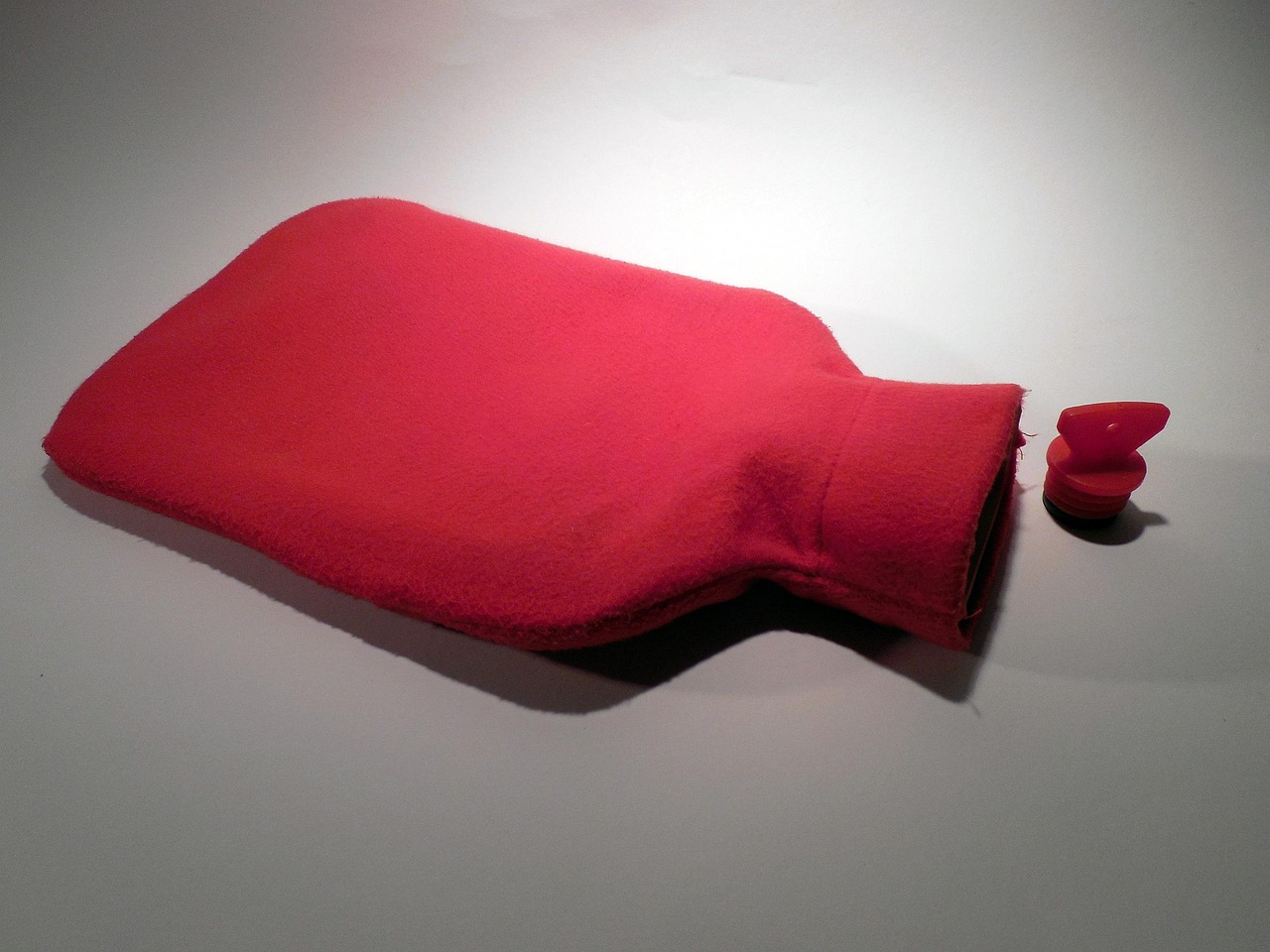
A classic Rubber Hot Water Bottle with Cover still earns a place on my nightstand list. Fill it with hot — not boiling — water, wrap it, and tuck it near your feet for twenty minutes while you finish your routine. Remove it before you fall deeply asleep if you toss and turn. Wool socks, flannel sheets, and a cooler room beat an ancient electric blanket every time. A Brushed Flannel Sheet Set costs less than most heated blankets and has nothing to unplug.
If you want a middle ground between “all night electric” and “nothing,” a Smart Plug with Timer can cut power to a certified blanket on a schedule after your preheat window. It is a belt-and-suspenders move for people who know they forget controllers. Still plug the blanket directly into the smart plug in the wall outlet — do not daisy-chain power strips.
Track the room, not just your feelings. An Indoor Digital Thermometer Hygrometer on the nightstand tells you whether the bedroom is actually in that cool-sleep range or whether the furnace has turned the air into desert. Dry heat makes every blanket feel worse and every throat feel scratchier by morning.
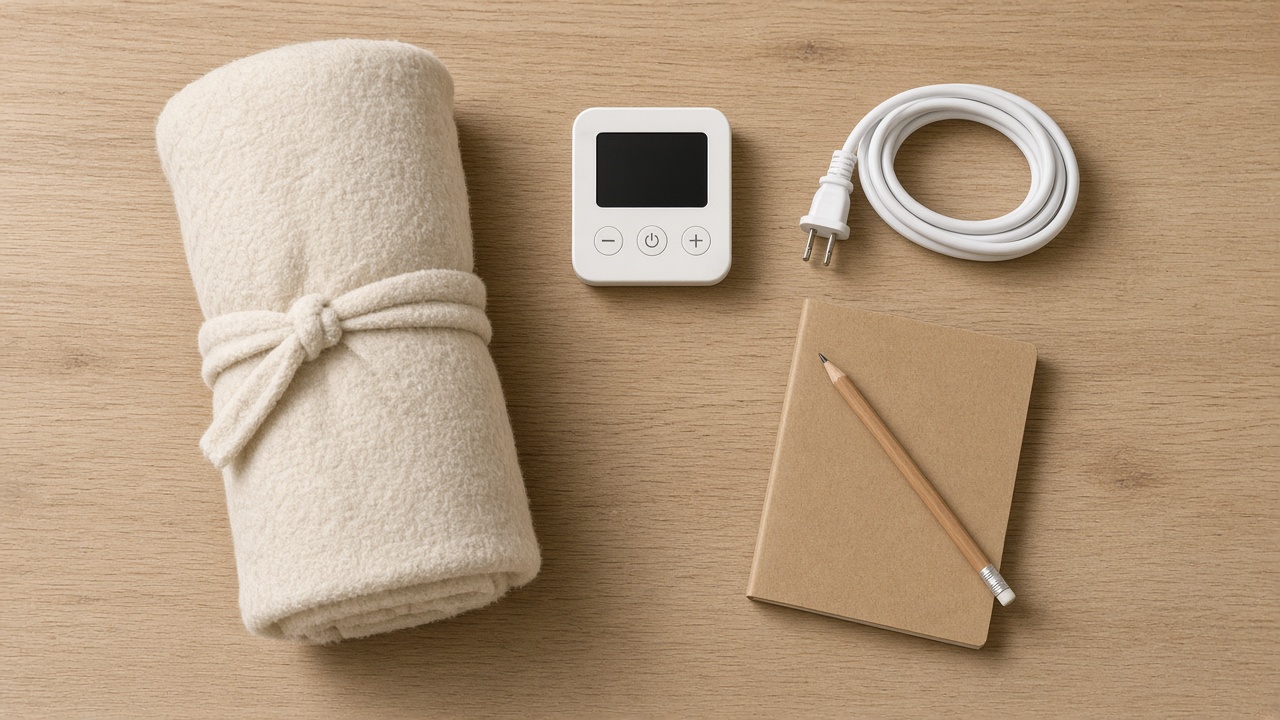
My November Heated-Bedding Protocol
This is the exact sequence I give clients the week the overnight lows drop into the 30s.
- Pull the blanket out in daylight. Inspect both sides, the cord, the plug, and the controller. Anything damaged gets bagged for disposal, not donated.
- Confirm UL or ETL and auto-off. If the tag is missing or the timer is broken, replace it before the first hard freeze.
- Wash once per the label. Start the season clean. Detach the controller. Skip high heat in the dryer unless the maker says it is fine.
- Preheat for 20–30 minutes. Blanket flat on top of the made bed, controller on the nightstand, not under a pillow.
- Get in, then off. Turn the heat off (and ideally unplug) once you are under the covers. Keep a regular duvet or quilt for overnight insulation.
- Never combine live heat with a heavy weighted blanket. One layer of active heat at a time, and preferably none while you are unconscious.
- Re-check monthly. Midwinter is when cords get yanked, controllers get dropped, and pets discover new chew toys.
If you train hard in the cold months, treat bedtime warmth like recovery gear: useful, intentional, and retired the second it looks sketchy. The same standards I use for shoveling safety and return-to-training ramps apply here. Cozy is not the same as careless.
Who Should Skip Electric Bedding Entirely
I am a coach, not your physician, and I want the boundaries clear. For adults with significantly reduced sensation, difficulty removing covers, incontinence or difficulty communicating overheating, talk with your doctor about suitable non-electric bedding rather than assuming a hot water bottle or preheated electric blanket is safe. The adult bedding advice in this article does not apply to infants. For an infant, use a firm, flat, level sleep surface covered only with a fitted sheet; keep quilts, loose blankets, pillows, hot water bottles and electric heating products out of the sleep space. The NIH safe-sleep guidance explains why soft bedding is a suffocation risk.
And if your partner’s snoring, gasping, or morning headaches are the real sleep disruptor, no blanket will fix that. Bring it up with a clinician. Heat is a comfort tool, not a substitute for evaluating breathing at night.
My Short List for Safe Warm Sleep
If you just want the shopping shortlist after the safety rules, here it is — every item linked, every one chosen because it supports the protocol above.
- Best full-size heated blanket to start: Bedsure Electric Heated Blanket — confirm UL/ETL, use preheat-then-off.
- Best dual-control upgrade: Soft Heat Luxury Electric Blanket for couples who run different temperatures.
- Best under-sheet option: Sunbeam Heated Mattress Pad when you want flatter overnight warmth.
- Best sofa warmth: Bedsure Electric Throw Blanket for evening recovery, not as your only bed blanket.
- Best non-electric pressure: YnM 15-Pound Weighted Blanket when restlessness beats cold as the main complaint.
- Best unplugged foot warmer: Rubber Hot Water Bottle with Cover for twenty minutes of pre-sleep heat.
- Best simple insulation: Brushed Flannel Sheet Set when you want zero wiring.
- Best habit backup: Smart Plug with Timer to cut power after your preheat window.
- Best room check: Indoor Digital Thermometer Hygrometer so you know the bedroom is actually cool enough to sleep.
- Best mattress shield: Waterproof Mattress Protector under the whole setup.
Warm first. Then off. Buy certified. Keep it flat. Retire anything that looks tired. That is the entire coaching cue. November can be the coziest training recovery month of the year without turning your bed into a heater you sleep on top of. Plug in the warmth. Do not plug in the worry.