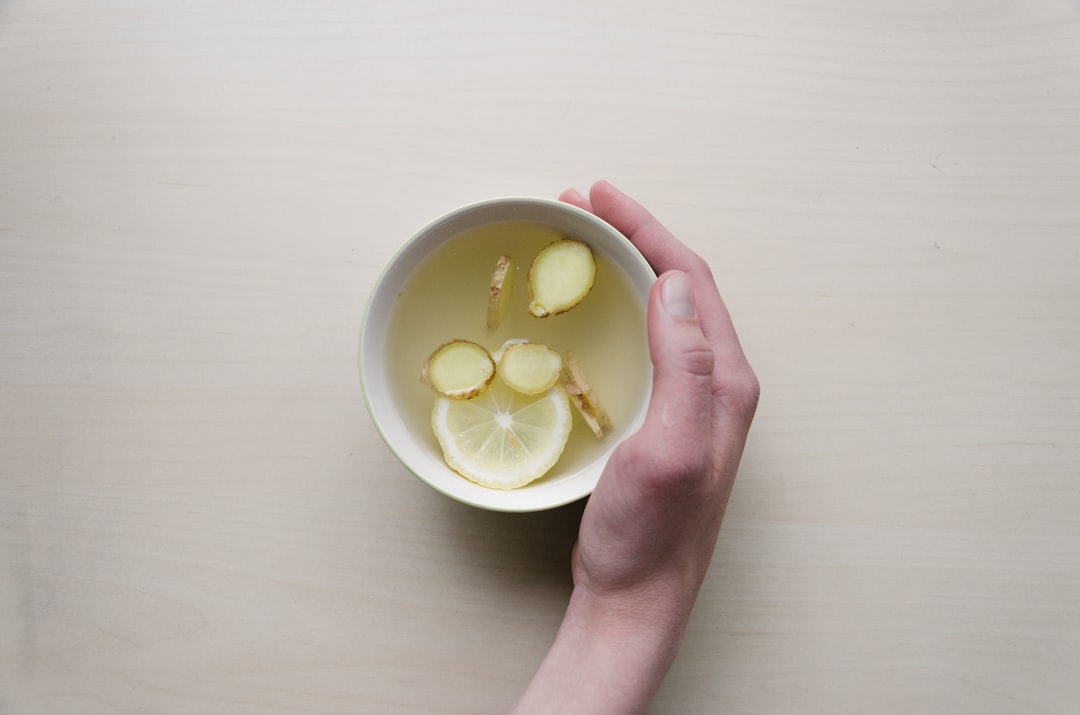
There’s a moment every evening around 8:47 p.m. when my kitchen goes quiet. The dishes are done, the laptop is closed, and the only decision left is what happens between now and lights-out. For years, that decision was nothing — I’d scroll, answer one last email, and wonder why my sleep scores looked like a roller coaster built by a toddler. Then I started building what my coaching team now affectionately calls “the 9 p.m. elixir,” and six weeks of wearable data later, I’m honestly a little annoyed at how simple it was.
The drink itself takes four minutes to make. It costs less per night than the fancy latte I used to justify every afternoon. And it stacks three ingredients — tart cherry, magnesium glycinate, and glycine — that each have real research behind them for sleep and recovery, which I’ll walk you through below. But the real magic, I’ve found, isn’t in any single powder or juice. It’s in the ritual itself: a warm mug, a deliberate pause, and a signal to your nervous system that the day is actually over.
The Case for Treating Your Evening Drink Like a Training Session
Here’s the thing nobody tells you when you start chasing better recovery: your body does its deepest repair work while you sleep, and everything you consume in the final two hours of the day either supports that process or quietly sabotages it. That 9 p.m. glass of wine? It might knock you out faster, but it fragments the second half of your night, when most growth hormone release happens. The late-night snack attack? That’s a blood sugar curve your pancreas has to ride out right when it should be off duty.
When I rebuilt my own evening routine, I treated it the way I’d program a training block. I picked a goal (deeper sleep, less next-day soreness), chose my “exercises” (three ingredients with actual human data behind them), and tracked the results with the same wearable I use to monitor my clients’ recovery. My team helped me standardize the recipe so I wasn’t accidentally changing five variables at once — a mistake I see constantly in the people I coach.
One honest caveat before we mix anything: I’m a coach who reads studies for fun, not a doctor. If you’re on medications, pregnant, or managing a health condition, run any new supplement past someone with a prescription pad. Now, let’s talk about what’s actually in the mug.
Tart Cherry: The Nightshift Antioxidant
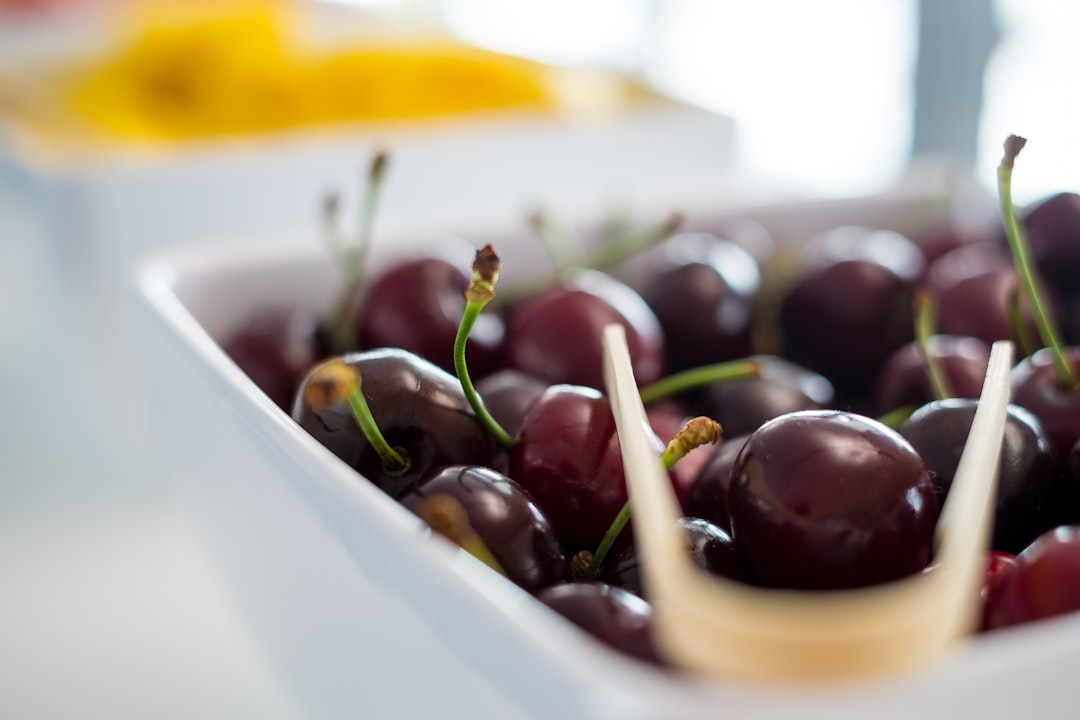
Tart cherry juice is the ingredient that started this whole experiment. It’s a natural source of melatonin — the sleep hormone your brain produces as light fades — plus a class of compounds called anthocyanins that help manage exercise-induced inflammation. Studies on athletes have found modest but consistent improvements in sleep duration and next-day soreness after drinking tart cherry concentrate in the evening. Modest is fine with me; stacked on top of good sleep hygiene, modest compounds.
The trick is getting the real thing. A lot of “cherry juice” on shelves is mostly apple juice with a cherry accent, which does about as much for your recovery as a scented candle. You want 100 percent tart cherry concentrate — the thick, unsweetened kind that comes in a dark bottle. I’ve been working with Dynamic Health’s organic concentrate, which mixes cleanly into warm water, and Cherry Bay Orchards’ version is another solid option my team taste-tested. Two tablespoons is plenty; this stuff is potent and pleasantly sour, like a pie filling that grew up.
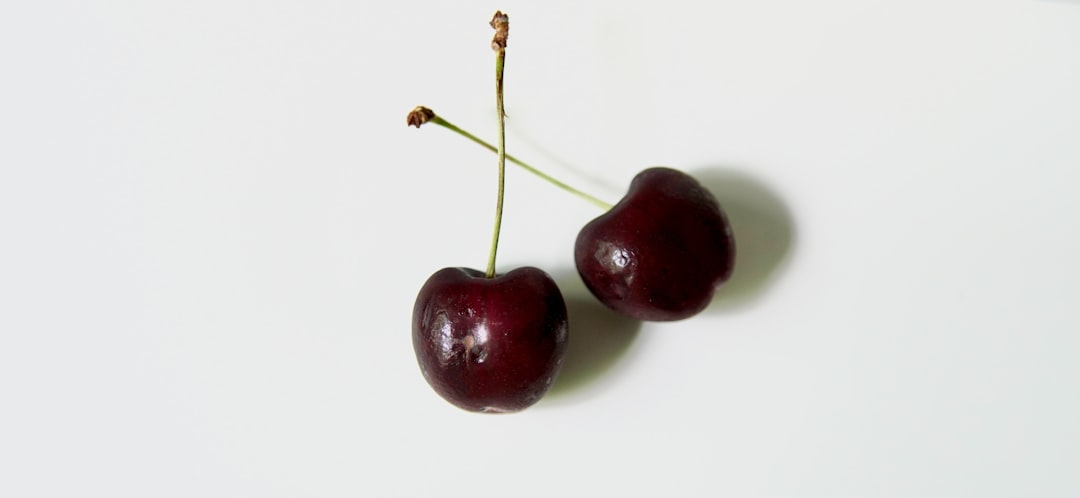
One of my athletes, a marathoner who refused to give up her evening Netflix ritual, swapped her soda for tart cherry sparkling water and texted me two weeks later asking what sorcery I’d put her on. No sorcery — just melatonin and a fixed routine arriving at the same time every night.
Magnesium Glycinate: The Mineral Your Muscles Actually Want
If tart cherry is the flavor of this ritual, magnesium is the workhorse. Most adults walk around mildly deficient — I wrote about my own surprise encounter with this in my deep dive on the mineral that quietly ran my recovery — and deficiency shows up as restless legs, nighttime muscle twitches, and that weirdly specific 2 a.m. wake-up. Magnesium supports muscle relaxation and healthy nervous system function, and the glycinate form is gentle on digestion, which matters if you’ve ever spent a night regretting a cheaper magnesium oxide blend.
The glycine attached to it is its own bonus: this amino acid has been shown in research to lower core body temperature slightly and improve sleep quality. So a good magnesium glycinate is quietly doing double duty. I keep NatureBell’s magnesium glycinate on my shelf for the price, and Pure Encapsulations is the pick I recommend to clients who want the most bare-bones, filler-free option. Either way, take it with your evening drink so it lands in your system during the window your body is downshifting.
The Glycine Booster: Three Grams of Underestimated Calm
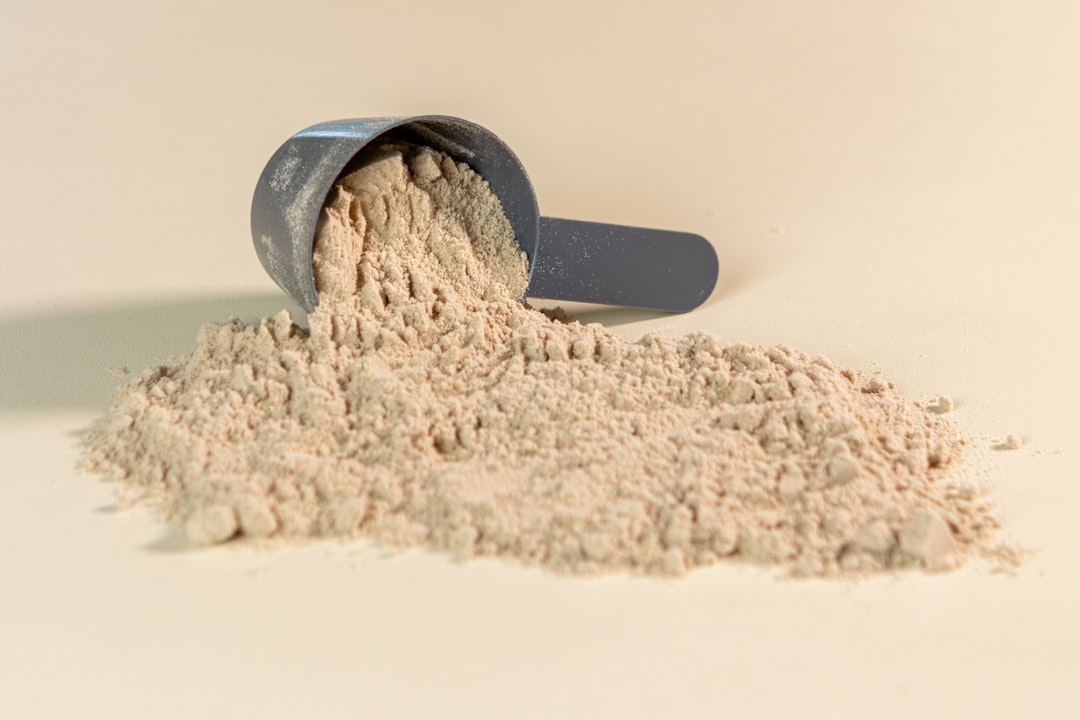
Glycine deserves its own line in the recipe rather than hiding inside magnesium’s coat tails. A few grams before bed has been linked in studies to how quickly people fall asleep and how they rate their next-day alertness — likely through that body-temperature dip and its role as a calming neurotransmitter. It tastes faintly sweet, which is a small gift when you’re drinking something tart, and it dissolves instantly.
I scoop from NOW Foods’ pure glycine powder, and Nutricost’s glycine is the alternative I suggest when someone wants a bigger tub for a smaller price. Three grams is the amount used in most of the sleep research — no need to get fancy with dosing.
The Elixir, Decoded: My Exact Four-Minute Recipe
Here’s where the ritual earns its keep. You can absolutely stir everything into cold water and bolt it down, but part of what makes this work is the ceremony — the same reason your brain behaves differently at a nice restaurant than a drive-thru. My version:
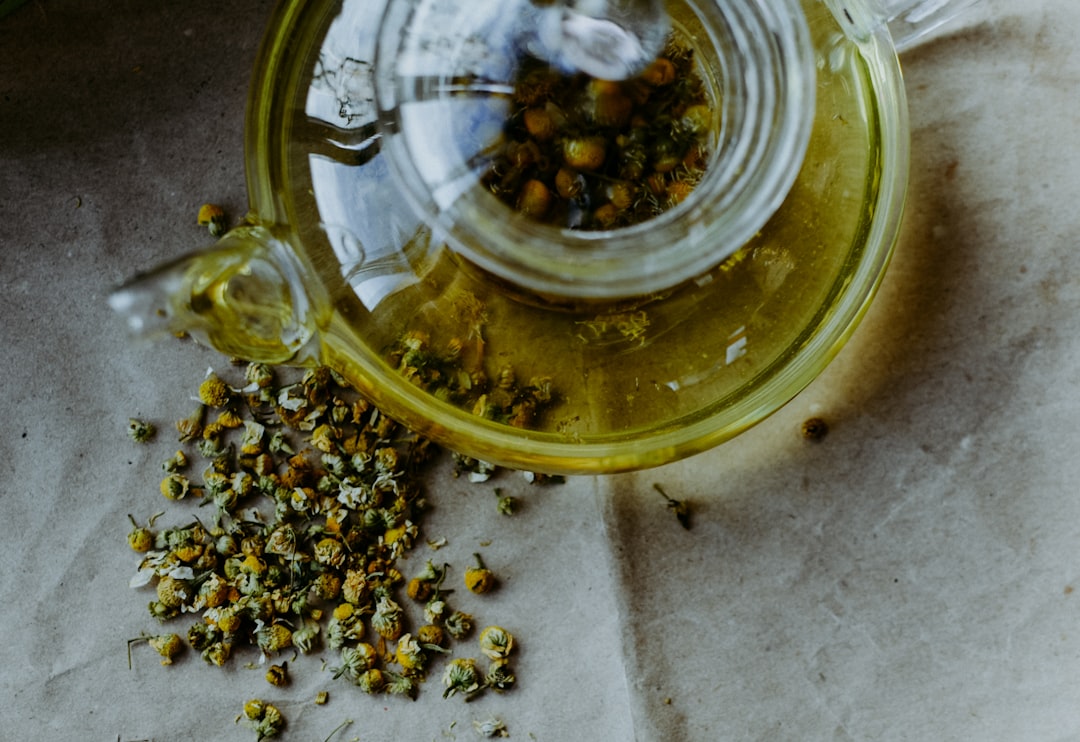
- Brew a short mug of chamomile tea — I use loose organic whole chamomile flowers, which taste rounder and less dusty than dust-in-bags tea.
- Stir in two tablespoons of tart cherry concentrate while the tea is still warm.
- Add three grams of glycine powder; it dissolves on contact.
- Take your magnesium glycinate capsules alongside.
- Finish with a teaspoon of raw honey — I keep YS Organic’s raw honey on the counter — partly for flavor, partly because a small amount of honey before bed may support overnight liver glycogen, which is a nice touch on hard training days.
The tool that upgraded this from fine to genuinely enjoyable is embarrassingly cheap: a rechargeable milk frother. Thirty seconds of whisking turns the tart cherry and honey into something that drinks like a proper spiced refresher instead of a science project. This dual-coil frother is the one living in my utensil crock, and it earns its battery charge every single night.
And yes, the mug matters. I know how that sounds, but a double-walled glass mug you genuinely like is the difference between a routine you maintain and one you abandon by week two. These insulated double-wall glasses keep the elixir warm through the whole wind-down and look gorgeous doing it — my kids fight over the “floating drink” effect, which is a nightly bonus show.
Six Weeks In: What the Data Actually Said
I ran this ritual for six weeks without changing anything else — same training load, same bedtime, same blackout curtains I installed during my summer sleep overhaul. My average deep sleep crept up about eleven minutes per night, my sleep latency (time to fall asleep) dropped from seventeen minutes to eleven, and — the metric I care about most as a coach — my morning heart rate variability stopped swinging wildly on hard training days. My resting heart rate also drifted down two beats, which my team noticed before I did.
Are these life-changing numbers? No. But they’re real, they pointed in the right direction, and they came from a drink I actually look forward to. That’s the honest math of recovery: small edges, stacked consistently. If you want to go deeper on evening routines, my experiment with mouth taping for better sleep pairs with this surprisingly well.
Who Should Skip It (Yes, That Matters)
Tart cherry concentrate is relatively high in natural sugars and sorbitol — if you’re glucose-sensitive or managing blood sugar, the CGM guide I wrote will help you test your own response instead of guessing. Cherry also interacts with certain blood thinners, so this is a genuine “call your doctor” situation, not a legal disclaimer I’m skimming past. And if kidney issues run in your history, magnesium supplementation is a conversation, not an impulse buy.
For everyone else, the failure mode isn’t danger — it’s inconsistency. The ingredient list only works if it shows up nightly. Buy the concentrate, pre-portion your glycine into a small jar you keep next to the kettle, and make the mug the last screen-free act of your day.
The Travel Version and One Clever Twist
A ritual you can’t travel with is a ritual that dies the first week you’re on the road. My travel kit is embarrassingly compact: glycine pre-measured into a tiny container, a handful of magnesium capsules, a few tart cherry concentrate sachets, and a box of electrolyte stick packs that double for morning hydration in hot climates. Everything fits in a corner of my carry-on and has survived airport security more times than I can count.
Here’s the twist my more strength-focused readers will appreciate: on heavy lifting days, I add a small scoop of creatine to the evening elixir instead of my morning smoothie. Creatine monohydrate is flavorless, and since your muscles do their regenerating overnight, delivering it in the evening feels like handing the construction crew their materials right before the shift starts. Optimum Nutrition’s micronized monohydrate dissolves cleanly with a good frother session, and no, the timing research doesn’t strongly favor evening over morning — but ritual consistency counts for more than most people think, and this is where mine sticks.

Your First Week, Mapped Out
Start tonight, not Monday. Brew the chamomile, measure two careful tablespoons of concentrate, whisk it until it froths, and sit somewhere without a screen for the length of the mug. Do that for seven nights before you judge anything — your nervous system needs repetition before it believes a new signal. Week two, add the glycine. Week three, the magnesium, so you can tell what (if anything) each layer is doing.
Track something, anything: a wearable if you own one, a simple one-to-ten morning energy rating in your notes app if you don’t. The goal isn’t perfect data — it’s evidence, collected by you, for the version of your evenings that starts working for your recovery instead of against it. Four minutes, one warm mug, and a body that finally gets the message: we’re done for the day. That’s the whole spell.


One comment on “The 9 P.M. Elixir: My Four-Minute Wind-Down Drink That Quietly Rewired Six Weeks of Sleep Data”