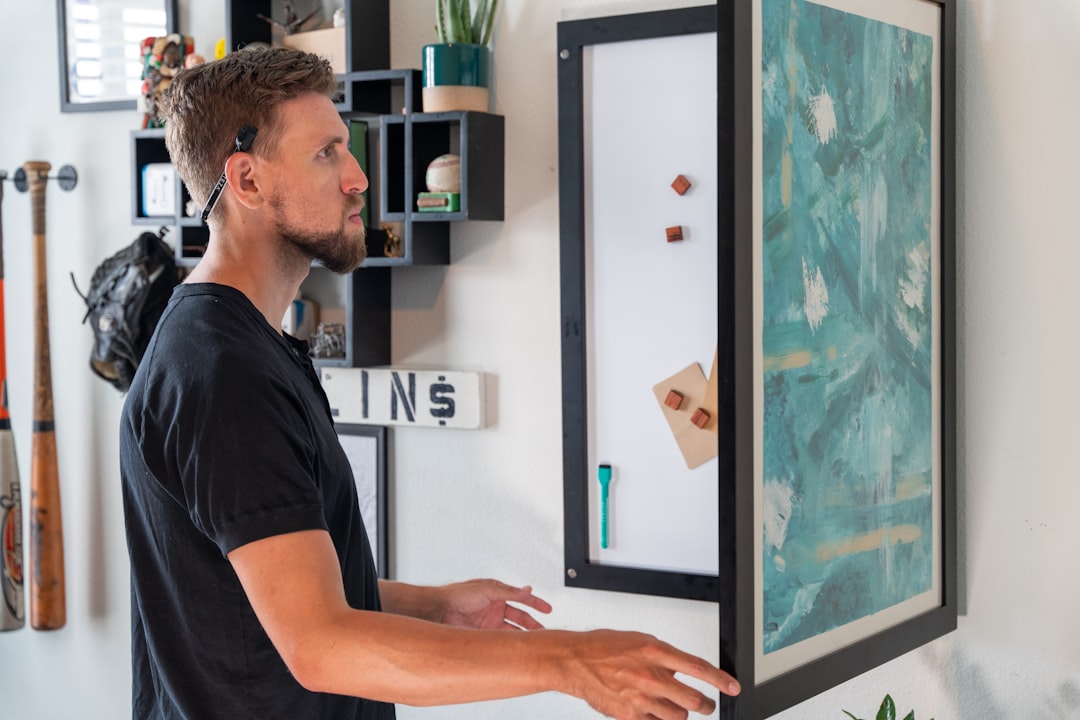
I’ve been coached by some of the best strength and conditioning specialists in the country. I’ve also been corrected mid-squat by a college volunteer who could barely tie their shoes. So when a sleek, full-length mirror told me my left hip was drifting forward during a split squat — something no human coach had caught in twenty years of training — I had a small existential crisis in my living room.
The mirror was right. I went to the bathroom mirror, did the movement again, and there it was: a subtle anterior pelvic tilt on the left side that I’d been compensating for since my heptathlon days. Probably since that hamstring tear in 2009. The AI had seen what decades of human eyes — including my own — had missed.
That’s the promise of the AI-powered fitness mirror, and after spending six weeks living with one mounted on my wall, I’m convinced we’re watching the most significant shift in home training since the kettlebell went mainstream. But like every piece of wellness tech I’ve tested over the years, the reality is more nuanced than the marketing suggests. Let me walk you through what I learned.
How AI Form Correction Actually Works (And Why It Matters)
The technology behind these mirrors sounds like science fiction until you see it in action. Most current models use a combination of depth-sensing cameras and what’s called 17-point skeletal tracking — essentially mapping seventeen key joints in your body in real time, then comparing your movement patterns against a database of biomechanically correct form. The Tonal smart home gym and similar devices take it a step further by integrating electromagnetic resistance that adjusts dynamically based on your strength curve.
Here’s what that means in plain English: as you move, the mirror’s AI tracks your skeleton in three-dimensional space. If your knee caves inward during a lunge, it flags it. If your back rounds during a deadlift, it tells you before you finish the rep. The latency is shockingly low — we’re talking corrections delivered in under 200 milliseconds, which is fast enough to actually change the movement before you complete it.
As someone who’s spent two decades studying exercise physiology, I can tell you that form is everything. You can have the best program in the world, but if you’re executing movements with even slight mechanical disadvantages, you’re either leaving gains on the table or setting yourself up for injury. Most people train for years without ever getting meaningful feedback on their form. They film themselves occasionally, maybe book a session with a trainer once a quarter, and fill in the gaps with guesswork. The AI mirror eliminates that guesswork entirely.
My Six-Week Experiment: What the Mirror Caught
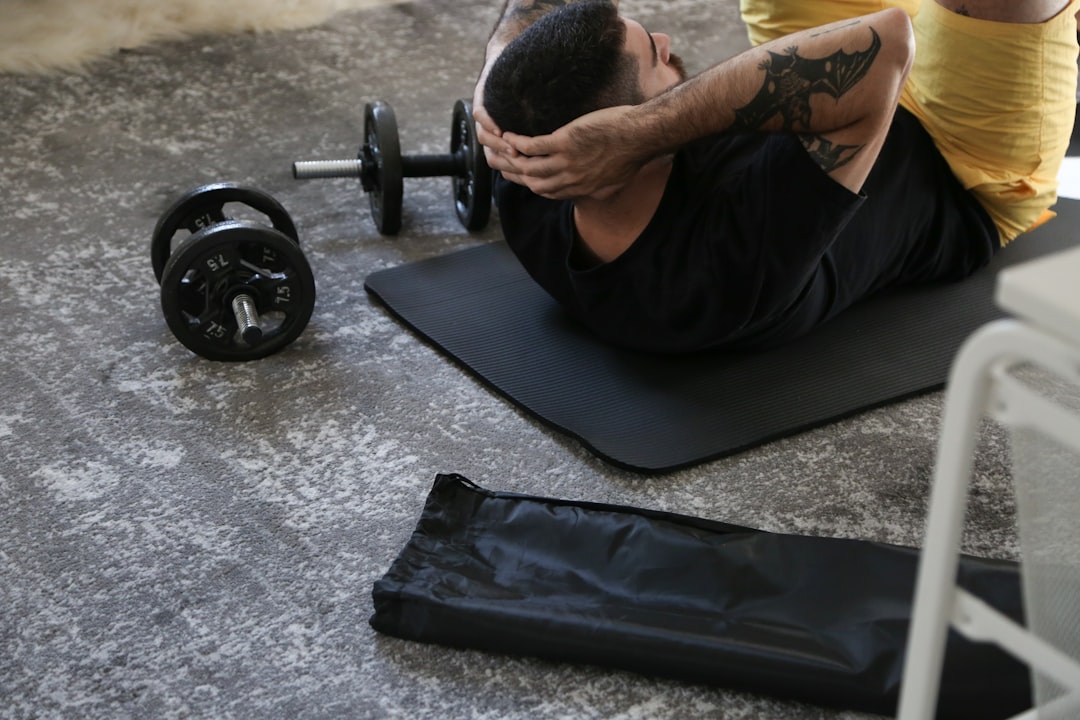
I set up the mirror in my spare bedroom, cleared six feet of floor space, and committed to doing three sessions per week exclusively with the device. My programming stayed the same — a mix of strength, mobility, and conditioning work that I’d typically do at my YMCA. The only variable was the feedback loop.
Within the first week, the mirror had identified five distinct movement compensations I’d been unknowingly carrying around. My right shoulder internally rotates during overhead presses. My hip shift on heavy squats is worse than I thought. And apparently, I have a tendency to hold my breath during the eccentric phase of push-ups — something I’d never noticed despite years of breath-focused training.
But the most valuable correction came during my warm-up mobility work. The mirror’s tracking showed that my thoracic spine rotation was significantly asymmetrical — about 15 degrees less on my right side. I’d been blaming my tight left hip for months of suboptimal squat depth. Turns out, the real bottleneck was upstairs. Six weeks of targeted thoracic mobility drills later, and my squat depth improved more than it had in the previous six months combined.
That kind of insight — the kind that redirects months of misdirected effort — is worth the price of admission alone. I’ve written before about how AI is transforming recovery tools, but the fitness mirror category feels different. Recovery devices help you bounce back. Form correction actually changes how you move, which means every subsequent workout builds on a better foundation.
The Gear That Makes a Mirror Setup Actually Work
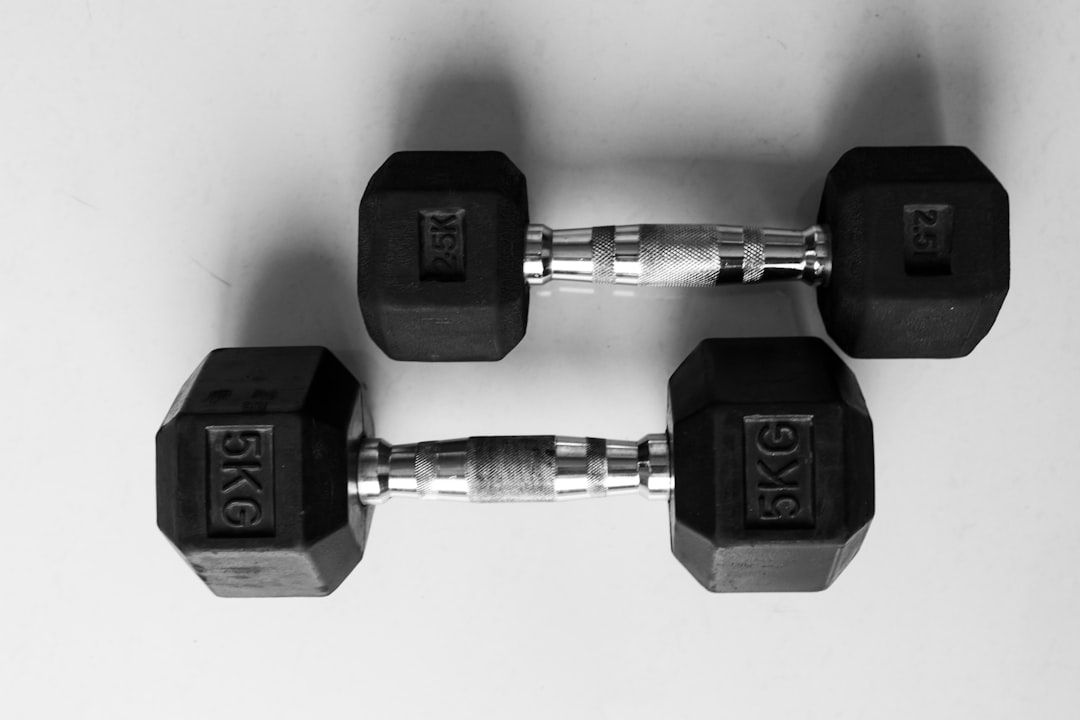
A mirror alone doesn’t make a complete home gym. You need resistance, and you need it to adapt as quickly as the AI tracks your form. After six weeks of trial and error, here’s the setup I landed on.
First, a solid set of adjustable dumbbells is non-negotiable. The mirror’s programming often shifts between weight ranges mid-circuit, and you need equipment that can keep up. I used to think my rack of fixed dumbbells was the gold standard, but after experiencing how seamlessly an adjustable set integrates with mirror-guided circuits, I’m never going back. The transition time between exercises drops from thirty seconds of plate-swapping to about three seconds of dial-turning.
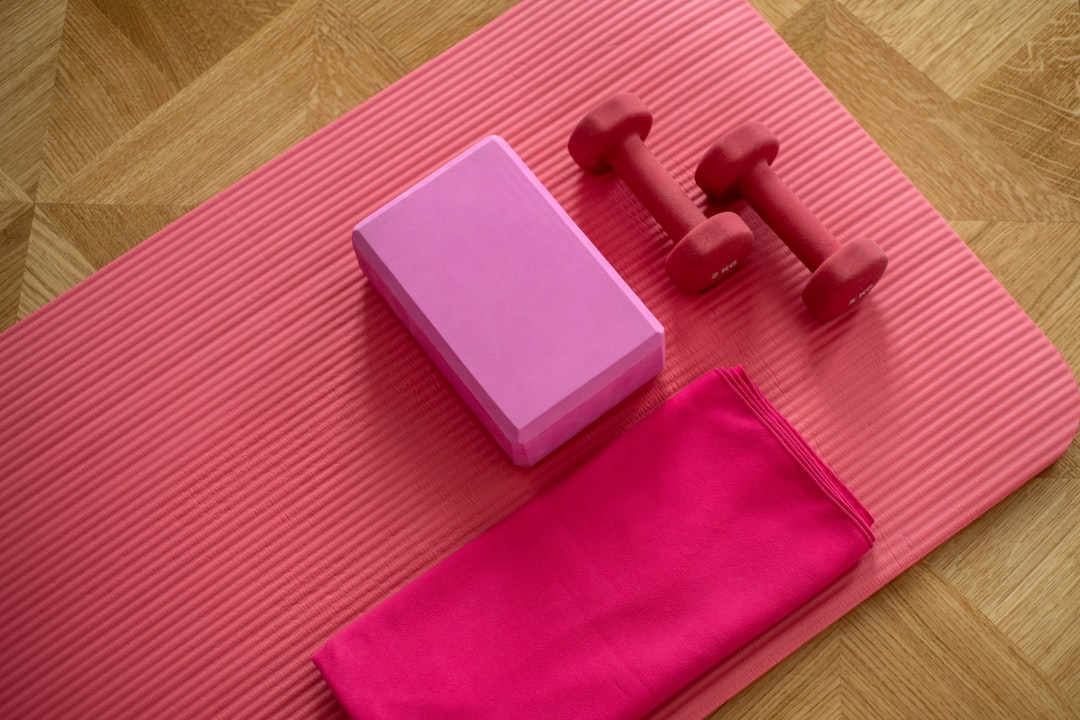
For days when the mirror calls for bodyweight work or mobility flows, a quality yoga mat that doesn’t bunch or slide is essential. You’ll be doing a lot of floor-based work — hip openers, thoracic rotations, core stability sequences — and a thin, cheap mat will have your knees and wrists screaming by week two. Get something at least half an inch thick with a non-slip textured surface.
I also kept a set of resistance bands with a door anchor within arm’s reach. The mirror’s AI does an excellent job of prescribing band-resisted movements for warm-up activation and accessory work, particularly for the smaller stabilizer muscles that free weights don’t always hit effectively. Lateral band walks, face pulls, and banded hip thrusts showed up constantly in my programming.
The Data Integration Problem Nobody Talks About
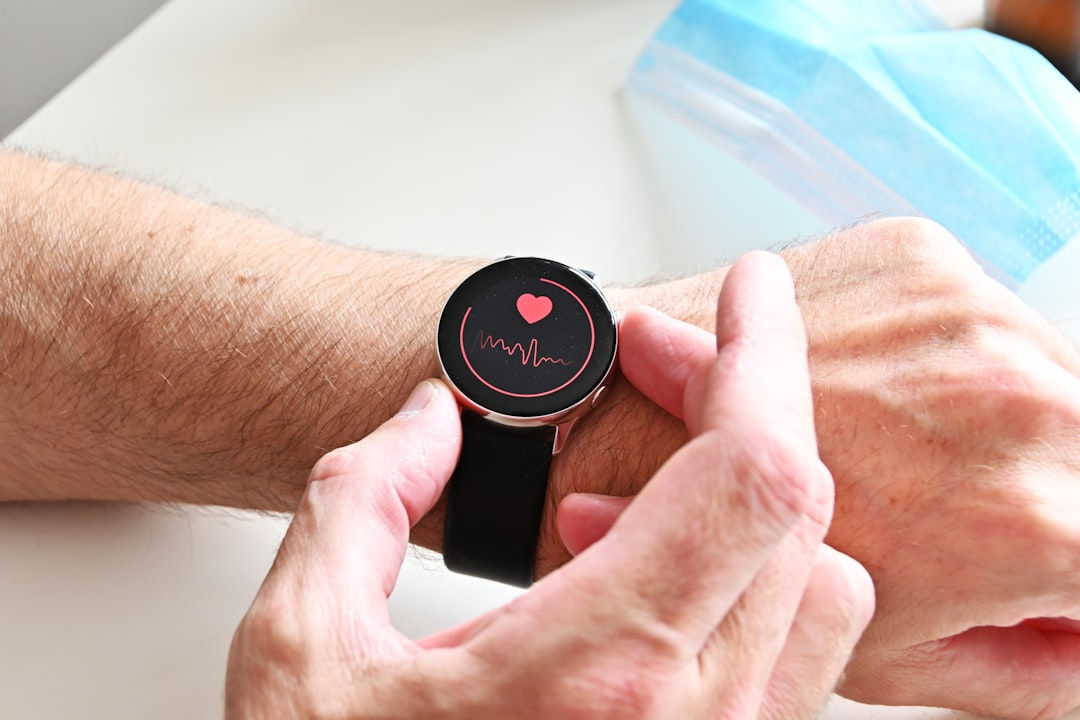
Here’s where I need to get honest about a frustration the marketing materials don’t mention. Most AI fitness mirrors are built as closed ecosystems. They want you living inside their app, following their programming, wearing their heart rate strap, and tracking your progress through their proprietary metrics. As someone who already wears a smart ring and tracks seventeen different wellness metrics across four apps, I bristled at the idea of adding another walled garden to my digital life.
The workaround I found was pairing the mirror with a standalone heart rate monitor chest strap that syncs with both the mirror’s app and my primary fitness dashboard. This gave me a single source of truth for cardiovascular data, regardless of which device I was training with. It’s not a perfect solution — you still end up with some data fragmentation — but it beats the alternative of treating one mirror as your entire fitness identity.
This is a point I’ve made before in my deep dive on next-gen wellness scanners. The future of fitness tech isn’t one device that does everything. It’s interoperable devices that each do one thing exceptionally well and communicate with each other seamlessly. We’re not there yet, but the mirrors are getting closer.
What Six Weeks Actually Did to My Body

I want to be careful not to oversell the results, because the internet is already awash with transformation stories that set unreasonable expectations. Here’s what genuinely changed over six weeks of AI-guided training.
My squat depth increased by roughly two inches — not because I got stronger, but because the form corrections unlocked range of motion I’d been mechanically blocking. My overhead press became noticeably more stable, and the chronic right-sided tightness in my shoulder decreased substantially. My split squat, which had always felt slightly off-balance, finally felt symmetrical for the first time in years.
None of these changes were dramatic enough to show in a before-and-after photo. But they were significant enough that my training partners noticed. The kind of changes that compound over months and years into fewer injuries, better mechanics, and ultimately a body that performs the way you’re asking it to.
I also noticed something unexpected: I trained more consistently. Not because the mirror was motivating in some abstract, gamified way, but because every session produced specific, actionable feedback. I knew exactly what I needed to work on next time. That created a feedback loop that pulled me back to the gym with genuine curiosity rather than willpower. If you’ve ever struggled with training consistency through the summer months, you know how valuable that pull can be.
Comparing the Top Options: What I’d Actually Buy
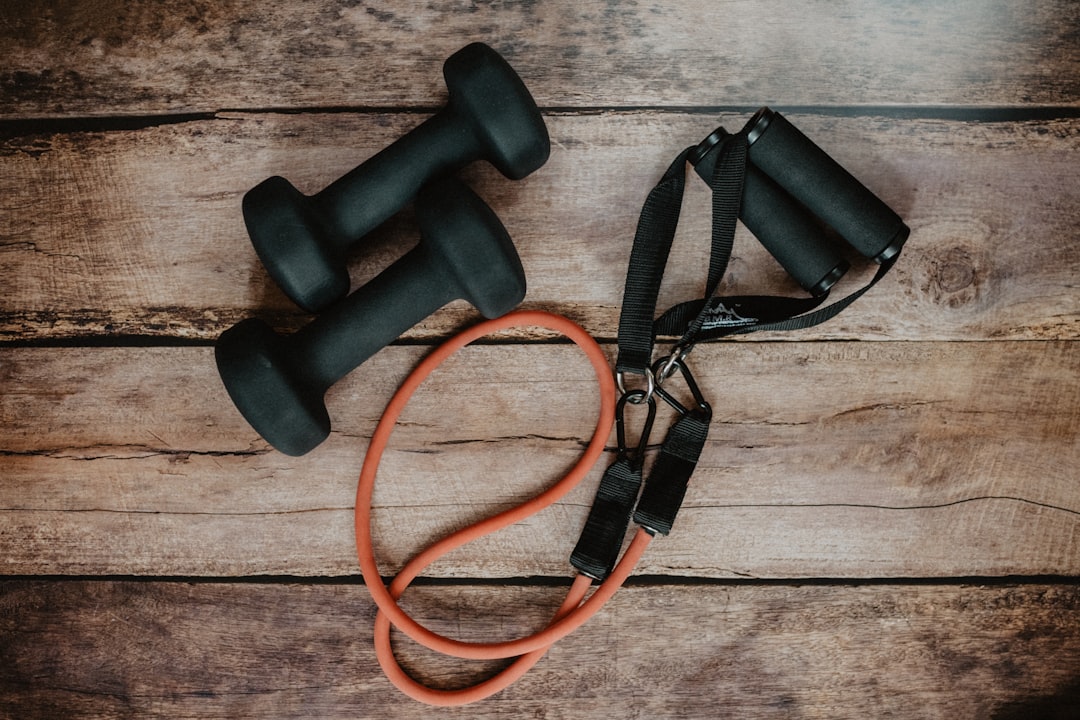
After testing and researching extensively, three platforms stand out in the current market, and they serve different types of athletes.
The Tempo Move system earned my top recommendation for most people because it pairs AI form correction with actual equipment — dumbbells, weight plates, and a collapsible bench — in one package. The AI coaching is genuinely responsive, adjusting weight recommendations based on your performance in real time. It’s the closest thing to having a trainer in the room, and the price point is more accessible than premium competitors.
For those who already have equipment and just want the coaching layer, the NordicTrack Vault offers an impressive library of interactive classes alongside its form-tracking capabilities. The iFIT integration gives you access to over 16,000 workouts, and the mirror itself is a beautiful piece of furniture that doesn’t scream “gym equipment” in your living space.
And then there’s the MAGIC AI fitness mirror, which uses ReflectAI technology for real-time rep counting, form correction, and weight guidance. It’s the most aesthetically refined option I tested — genuinely indistinguishable from a regular mirror when not in use — and the coaching feels personalized in a way that class-based platforms don’t always achieve.
The Recovery Side of Mirror Training
One thing that surprised me was how effectively the mirror integrated recovery protocols into my training sessions. After each workout, the AI prescribed specific mobility and recovery movements based on the movement patterns I’d performed and the compensations it detected. On heavy leg days, it guided me through a six-minute hip-opening sequence that hit exactly the right tissues.
I supplemented the mirror’s recovery programming with my own tools — a vibrating foam roller for myofascial work and a smart scale with body composition analysis to track whether the training was producing the lean tissue changes I wanted. Over six weeks, my body fat percentage dropped 1.3 points while my lean mass increased by just under two pounds — numbers I attribute more to improved movement quality than to any dramatic increase in training volume.
The mirror also changed how I approached my cool-down. Previously, my post-workout routine was whatever I felt like doing in the moment — usually some half-hearted stretching while checking my phone. With the mirror guiding me through targeted mobility work, my cool-downs became specific, intentional, and measurably more effective. I’ve written extensively about how recovery tech transforms results, and the mirror fit naturally into that ecosystem.
Who This Is Actually For (And Who Should Skip It)
After six weeks, I have a clear picture of who benefits most from an AI fitness mirror. If you train at home regularly and you’ve never had consistent coaching, this technology will fundamentally change how you move. The form corrections alone are worth the investment — I’ve seen more progress in six weeks than in six months of self-guided training.
If you’re a beginner, the mirror removes the intimidation factor of learning new movements. The AI is patient, specific, and never judgmental. It’ll tell you to drop your hips lower, but it won’t look at you like you should already know that.
Where I’d push back is for advanced athletes with an established coaching relationship. If you already train with a quality strength coach who provides individualized programming and hands-on form correction, the mirror adds a data layer but won’t replace that human expertise. Think of it as a supplement, not a substitute.
And if you’re the type who buys fitness gadgets and lets them gather dust, be honest with yourself. A mirror only works if you stand in front of it regularly. The technology is impressive, but it can’t do the squats for you.
The Bottom Line From Six Weeks in the Mirror
I’m keeping the mirror on my wall. That’s probably the strongest endorsement I can give after two decades of testing fitness equipment that mostly ended up on Craigslist. The form correction caught issues I’d been carrying for years, the programming kept me consistently engaged, and the data integration — while imperfect — gave me insights I couldn’t have gotten anywhere else.
The AI fitness mirror isn’t a magic device. It won’t replace hard work, good nutrition, or adequate sleep. But for the first time, it makes expert-level form feedback accessible to anyone with wall space and the willingness to show up. In a fitness industry saturated with gimmicks and empty promises, that’s something genuinely worth celebrating.
Now if you’ll excuse me, the mirror is telling me my thoracic rotation has slipped again. Some habits die hard — even when an AI is watching.



One comment on “The Mirror That Caught What Twenty Years of Coaches Missed: My Six-Week Deep Dive Into AI-Powered Form Correction”