
I’ve been coaching long enough to spot it from across the room — the slow forward creep of shoulders, the chin jutting out like a turtle emerging from its shell, the upper back curving into a shape that would make my old track coach wince. I see it at the YMCA, at the coffee shop, even in the mirror some evenings after a long writing session. Poor posture isn’t just a vanity problem. It’s a mechanical problem, a breathing problem, a confidence problem, and if left unchecked, a pain problem. And the market knows it — which is exactly why there are now hundreds of posture correctors vying for your attention (and your dollars).
My team and I spent the better part of six weeks sorting through the most popular options, wearing them during workouts, at desks, around the house, and yes, even to sleep in a few cases (don’t do that — more on why later). What follows is everything I learned, including which styles actually help, which ones collect dust, and how to match the right device to your specific posture pattern instead of wasting money on a one-size-fits-none solution.
The Three Types of Posture Corrector (and Why It Matters Which One You Pick)
Before you click “add to cart,” you need to understand what you’re actually buying, because the term “posture corrector” gets slapped onto three very different categories of product. Each one addresses a different piece of the posture puzzle, and choosing the wrong type is the number one reason people end up returning these devices.
Passive braces are the most common and the most affordable. Think of them as a gentle physical reminder — they pull your shoulders back using straps and tension. They don’t strengthen anything, but they do retrain your proprioceptive awareness, which is the fancy term for your body’s ability to sense where it is in space. The ComfyBrace Posture Corrector is the classic example here, and it’s the one I recommend to most beginners because it’s inexpensive, breathable, and adjustable enough to wear under a loose shirt without anyone noticing.

Smart or electronic trainers take a completely different approach. Instead of physically holding your shoulders in place, these devices attach to your upper back and vibrate when you slouch. It’s behavioral training — the nagging friend you never asked for but secretly need. The Upright GO 2 remains the benchmark in this category, with a companion app that tracks your posture hours and gives you daily streaks (because apparently everything in wellness needs to be gamified now). For a newer option that leans into AI, the Straight Plus AI Powered Posture Trainer takes the form of a pendant necklace — which, honestly, is the first time a posture device hasn’t made me feel like I’m wearing medical equipment.
Supportive apparel and compression gear is the third category, and it blends the line between activewear and bracing. The Copper Compression Posture Corrector sits in this space — it’s a compression-infused shirt that provides postural support while looking like something you’d actually wear to the gym. For athletes who don’t want to deal with straps and buckles, compression apparel bridges the gap nicely.
What Six Weeks of Daily Wearing Taught Me
I’ll be honest — when I first strapped on a posture brace, I was skeptical. As someone who’s spent decades in athletic training environments, my instinct was to fix everything through exercise alone. But here’s what changed my mind: within the first three days, I became hyper-aware of how often I slumped forward while writing at my desk. The brace didn’t fix my muscles, but it gave me the feedback loop I’d been missing.
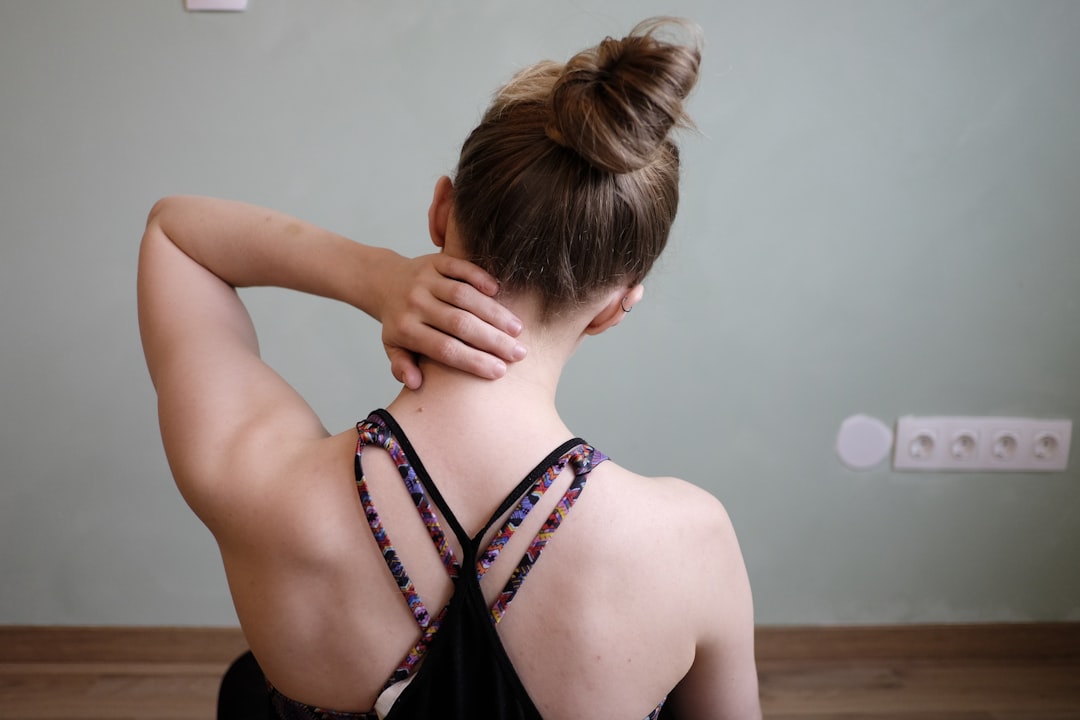
The biggest surprise was how quickly my breathing improved. When your thoracic spine is flexed forward, your ribcage literally cannot expand fully. You’re taking shallow breaths all day without realizing it. Within a week of wearing a corrector for three to four hours during work sessions, my team and I all noticed better breathing capacity during workouts — and this wasn’t placebo, because my heart rate variability data confirmed it.
That said, there’s a catch, and it’s an important one. You should not wear a passive brace all day. Your postural muscles need to do the work eventually, or they’ll actually weaken further. The sweet spot we found was two to three hours during your most slouch-prone activities (desk work, driving, scrolling your phone), combined with targeted strengthening exercises.
The Exercise Piece Nobody Talks About
Here’s where most posture corrector reviews fall short — they treat the device as the entire solution. It’s not. It’s a training tool, and like any training tool, it works best when paired with specific exercises. I always tell my clients: the corrector reminds you where neutral is, but your muscles have to learn how to hold it there.

The three exercises I prescribe most for forward-head, rounded-shoulder posture are wall angels, prone Y-T-W raises, and band pull-aparts. For the pull-aparts, I love using figure-8 resistance bands because they’re compact, travel-friendly, and the handles give you a natural grip that keeps the movement clean. The OAKDOLCHE Figure 8 Resistance Bands come in multiple tension levels, making them perfect for progressive overload as your postural endurance builds.
Five minutes of band work, three times a day, will do more for your posture than wearing a brace for eight hours straight. It’s the same philosophy behind why a $20 foam roller outperforms fancy recovery gadgets — consistency with simple tools beats inconsistency with expensive ones every time. I’ve seen this play out with client after client. As I wrote in my article about how desk jobs wreck your shoulders, the combination of awareness tools and targeted strengthening is what creates lasting change.
The Workspace Factor: Your Chair Is Half the Battle
You can wear the best posture corrector on the planet, but if you’re sitting in a chair that forces your spine into a C-curve for eight hours a day, you’re fighting a losing battle. Your workspace setup matters just as much as any wearable device.

I’ve become a huge advocate of kneeling chairs for desk work. They tilt your pelvis forward naturally, which stacks your spine without requiring constant conscious effort. The NYPOT Ergonomic Kneeling Chair is surprisingly affordable and built to last — mine has been through six months of daily use without a wobble. If kneeling isn’t comfortable for you, a quality ergonomic task chair with adjustable lumbar support is the next best option.
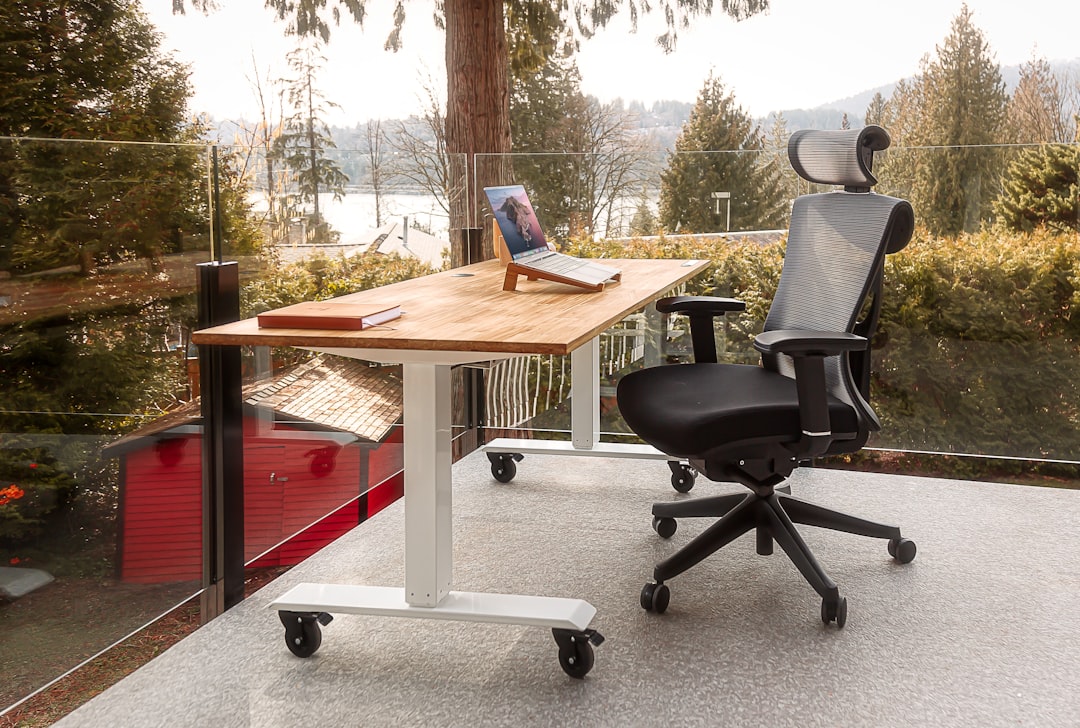
If you’re starting from scratch with a home training corner, the principles in my guide to building an elite training space apply here too — your environment shapes your behavior more than willpower ever will. Pair that with a desk converter so you can alternate between sitting and standing every 30 to 45 minutes, and you’ve addressed the root cause of most posture issues. The VIVO 32-inch Desk Converter is the one I use at home — it’s sturdy enough to hold dual monitors without the wobble that cheaper models are notorious for. Standing for half your workday engages your core and postural muscles naturally, which means you’ll need your corrector less over time.
How to Choose: A Quick Decision Guide
After testing dozens of products and consulting with physical therapy colleagues, here’s the framework I use when recommending posture tools to clients:
- If you’re on a budget and want something simple: Start with a passive brace like the ComfyBrace or the Schiara Posture Corrector. Both are under $25 and give you immediate feedback on your daily habits.
- If you’re a data-driven person who loves apps: Go with the Upright GO 2 or the Straight Plus AI Trainer. The tracking and streaks will keep you consistent, which is the hardest part of any postural change.
- If you want something that works without wearing it: Invest in your environment. The kneeling chair and standing desk converter will do more for you passively than any wearable device. Combine them with resistance band exercises for the full system.
- If you’re an athlete who wants gym-ready support: The Copper Compression shirt gives you postural support without looking like you’re wearing rehab gear. The sundpik breathable brace is another option that works well under training clothing.
The Mistakes I See Most Often
The most common mistake — and I made this one myself early on — is wearing a brace too tightly. Cranking the straps until your shoulders are pinned back feels productive, but it’s actually counterproductive. You want gentle tension, not a vise grip. If your arms are going numb, loosen it immediately. The goal is awareness, not force.
Second mistake: skipping the exercise component entirely. I can’t stress this enough. A posture corrector without strengthening work is like wearing a knee brace and never doing physical therapy. You’re managing symptoms while the underlying weakness continues to degrade.
Third: wearing it to bed. I know someone will ask, so let me address it directly — no. Your body needs to move freely during sleep. Restricting your shoulder position for eight hours of unconscious tossing and turning is a recipe for impingement issues, not better posture.
Fourth: ignoring the chin. Posture isn’t just about your shoulders. Forward head posture — where your chin juts forward like a goose — is arguably more damaging than rounded shoulders, and no brace can fix it. You need to practice chin tucks throughout the day. Slide your chin straight back as if you’re trying to make a double chin (attractive, I know), hold for three seconds, release. Do this ten times, three times daily. It’s the single most underrated posture exercise I know.
My Honest Take After Everything
Posture correctors are not magic. They will not undo years of desk slumping on their own, and any product that promises otherwise is selling you something I wouldn’t put my name behind. What they do — when used correctly, paired with exercise, and supported by a sensible workspace — is accelerate your awareness and give you the feedback loop you need to retrain deeply ingrained movement patterns.
If I had to build the ideal posture toolkit from scratch, it would look like this: one passive brace for desk work awareness, a set of figure-8 bands for daily strengthening, a kneeling chair or standing desk converter to fix my environment, and the discipline to do five minutes of targeted mobility work every single day. That’s not a sexy answer, but it’s the honest one — and after two decades in this field, I’ve learned that sustainable results come from systems, not shortcuts.
Your shoulders deserve better than the slow forward creep. Pick the tool that fits your life, commit to the exercises, and give it six weeks. I promise you’ll be surprised by what your body can unlearn.




2 Comments on “The Posture Corrector Buying Guide I Wish I’d Had Five Years Ago”