
Every September, the same thing happens in my coaching practice. The trail runs get rained out, the evening light shrinks, and one by one my clients start asking about the same machine — the one gathering dust in the corner of their gym while they wait in line for a treadmill. By October, half of them have a rowing machine in their living room, and every single one of them asks me why they waited so long. I felt the same way in college, when my heptathlon coach stuck me on an erg for the entire off-season to protect a cranky Achilles. I grumbled through the first week. Then I noticed something: my times were dropping, my back felt like armor, and my knees had stopped complaining entirely.
Rowing is the rare cardio machine that trains roughly 85 percent of your musculature in a single stroke — legs, hips, back, core, arms — while asking almost nothing of your joints. No pounding. No impact. Just you, a seat, a handle, and a flywheel that honestly reports how hard you’re working. This guide is everything I’ve learned about picking the right rowing machine after fifteen years of coaching everyone from college athletes to seventy-year-old grandmothers through their first strokes.
The Machine My Track Team Loved to Hate
Rowers have a reputation problem, and I understand it. The first minute on an erg feels easy — almost deceptively so. By minute three, when the coach calls for a sprint, your legs are screaming and your heart rate is in a place no treadmill has ever taken it. That’s why competitive rowers are some of the fittest athletes on earth, and why my old teammates and I had a grudging respect for the machine even as we dreaded it.
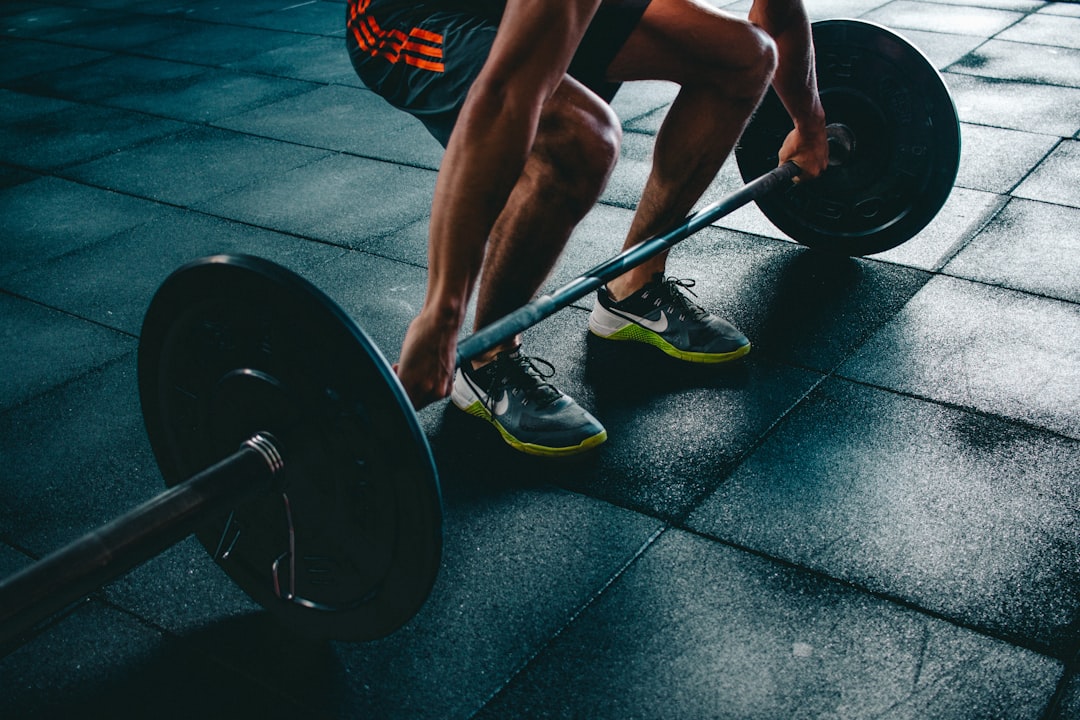
Here’s what sold me, and what eventually sells my clients: the rowing stroke is a hip hinge. It’s the same fundamental pattern as a deadlift — legs drive, core braces, back holds strong. If you’ve ever wanted deadlift-level posterior chain strength without loading a barbell on your spine, this is it. One of my runners put in two erg sessions a week for a season and shaved forty seconds off her 10K purely from the extra power in her stride. Her hamstrings and glutes finally caught up with her lungs.

And unlike running, rowing is a movement you can do at any age. I teach a Saturday morning class at the YMCA where the average participant is somewhere north of sixty. Not one of them has quit because of joint pain — try saying that about a running group. For anyone whose knees, hips, or ankles have started vetoing high-impact exercise, a rower is the fastest route back to serious cardiovascular training without the ache.

Air, Magnetic, or Water: What’s Actually Pulling Back
Every rowing machine creates resistance one of three ways, and the type you choose shapes the whole experience more than any brand name or screen size. My team and I have spent months testing machines across these categories, and the differences matter.
Air resistance uses a spinning fan. Pull harder, the fan fights harder — which is why air rowers feel the most like actual rowing and why every competitive rower trains on them. The trade-off is noise: that fan whir becomes white noise to devotees and a dealbreaker for apartment dwellers with thin walls.
Magnetic resistance uses, predictably, magnets against a flywheel. It’s whisper-quiet, the resistance stays perfectly consistent, and most machines let you dial in exact levels — perfect for interval training while the baby naps or during a conference call with your camera off. Ask me how I know.
Water resistance pulls a paddle through a tank of water. The stroke has a satisfying, viscous catch-and-release feel, and the gentle sloshing is arguably the most pleasant sound in fitness. Water rowers also tend to be the most beautiful — hand-finished hardwood frames that look at home in a living room rather than hidden in a garage.

There’s no single winner here. If you’re training for performance and noise isn’t an issue, air is the honest choice. Shared walls or open-plan living points you to magnetic. If the machine will live in a visible space and you value the experience over data, water is a joy every single stroke.
What I Check Before Anyone Buys
Before my clients spend a dollar, I walk them through the same short checklist. It takes ten minutes and has saved more than a few regretted purchases.
Noise first. Measure your space honestly — not the room, but the distance between the machine and the nearest person who might be sleeping, working, or watching television. A quiet magnetic rower runs near-silent; an air rower at full sprint sounds like a box fan on high.
Storage and footprint. Most rowers need a strip roughly nine feet long in use — you and the rail travel the full length of the stroke. But nearly all quality machines store upright in about the footprint of a dining chair, and the vertical-storage trend has made rowers one of the most apartment-friendly pieces of home gym equipment you can buy.
Weight capacity and rail length. Check both against your body. Taller rowers (over 6’2″) need a longer rail; heavier rowers should look for a 300-pound-plus capacity rating, which most mid-range machines now carry comfortably.
The monitor. This is where cheap machines cut corners. A good performance monitor shows stroke rate, split time, and total meters — the three numbers that make training measurable instead of aimless. The best displays sync over Bluetooth so you can track progress in an app or race your own past workouts. If you already wear a fitness tracker or a running watch, look for a machine that broadcasts heart rate data straight to your wrist; it turns every session into something you can actually study afterward.

The Rowers I Actually Recommend
I keep an updated shortlist for clients, organized by how people actually live and train rather than by price tag alone. Everything here has earned its spot through real use — mine, my team’s, or my clients’.
The Gold Standard
If you want the machine that competitive rowers, CrossFit boxes, and Olympic training centers actually use, it’s the Concept2 RowErg. The air resistance is brutally honest, the PM5 monitor tracks everything, parts are available forever, and these machines routinely run for fifteen-plus years with basic care. It’s the rower I’d buy if I could only own one. Yes, it’s an investment — but divide the cost by a decade of daily use and it costs less per workout than a coffee habit.
The Immersive Option
For people who need their workouts to feel like an experience rather than a math problem, the Hydrow Wave is my favorite of the connected rowers. Its electromagnetic drag is smooth and near-silent, and the on-water classes filmed in stunning locations do something I didn’t believe until I tried it: they make you forget you’re exercising indoors. The Echelon Row Sport 2 plays in the same space with live and on-demand classes at a friendlier price, and its handle resistance controls are genuinely clever.
The Living-Room Sculpture
The WaterRower in natural oak is the machine for people who refuse to let fitness equipment clash with their furniture. Handmade in the USA, water-powered, and honestly gorgeous — I’ve had clients buy it as much for the aesthetics as the workout. The water tank’s resistance curve feels remarkably close to propelling a real boat, and that soft slosh is therapy in itself.
The Smart Value Plays
Not everyone needs to spend four figures. The Merach Q1S Pro brings auto-controlled electromagnetic resistance — the same category of tech as machines twice its price — with sixteen levels you can adjust from the handle. And the Sunny Health & Fitness Smart Compact magnetic rower is the budget pick I recommend without flinching: quiet, sturdy for its footprint, Bluetooth-connected, and ideal for a first season of rowing while you decide how serious you want to get. I’ve put total beginners on both machines and watched them log full workouts in week one.
Small Accessories, Outsized Difference
Three inexpensive add-ons consistently make the difference between a machine that gets used and one that becomes a coat rack. First, a dedicated equipment mat under the rower — it protects your floor, stops the machine from walking across hardwood mid-workout, and dampens vibration for downstairs neighbors. Second, a contoured seat cushion if you plan sessions longer than twenty minutes; the stock seats on most machines are firm by design, and your sit bones will file a complaint around minute eighteen. Third, a pair of rowing gloves — sculling grips — for anyone whose palms blister before their fitness catches up. Ten minutes of prevention, weeks of comfort.
Your First Four Weeks on the Rower
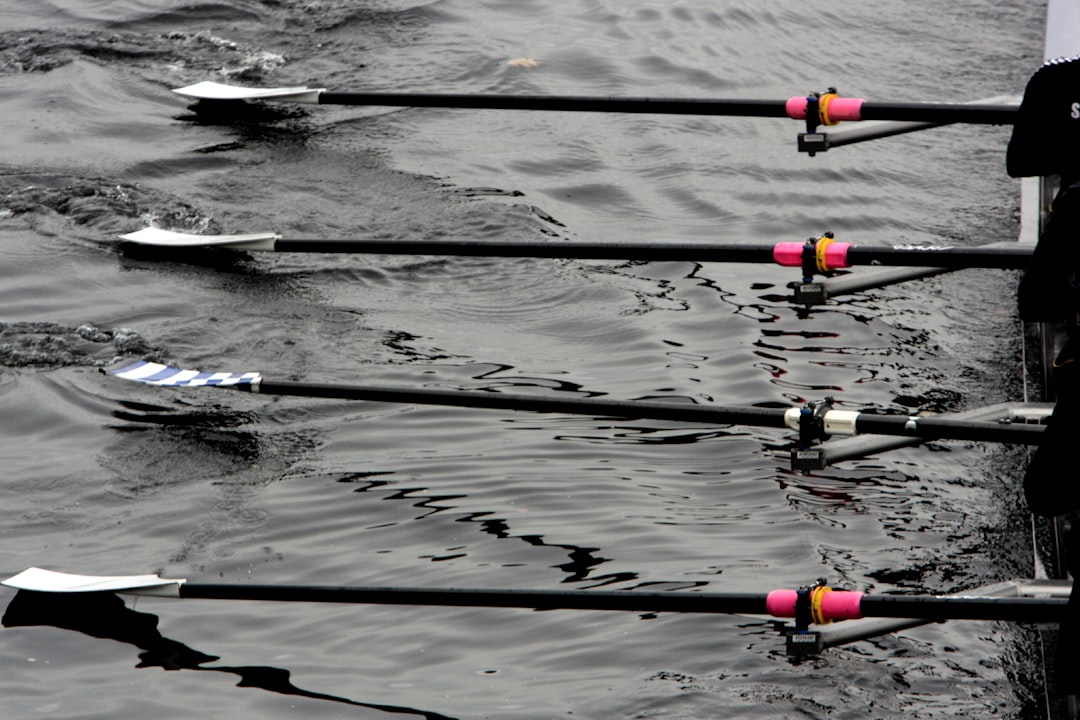
Most people row badly for their first three sessions, and that’s completely fine — but a few cues will accelerate the learning curve. The stroke sequence is legs, then back, then arms on the drive, and the exact reverse — arms, back, legs — on the recovery. Sixty percent of your power comes from the legs. If your arms are burning first, you’re pulling with your arms, and I promise your coach-brain (or mine, from afar) is gently wincing.
Week one, keep it simple: four sessions of ten easy minutes, focusing only on smooth sequence, at a stroke rate around 20–22 strokes per minute. Week two, extend to fifteen minutes and start watching your split. Week three, add structure — five minutes easy, then alternate one minute hard and one minute easy, six times. Week four, aim for a continuous twenty-minute row at a conversational pace. That’s it. You’re now a rower, and everything after this is seasoning.
One habit worth forming early: log your meters. Whether it’s the machine’s monitor, an app, or your wrist, watching the total climb week over week is quietly addictive — my clients check their meters like a savings account. Consistency beats intensity every time, and the rower rewards it like no other machine I’ve used.
Caring for a Machine That Cares for You
Rowing machines are famously low-maintenance, which is part of why they outlive treadmills and ellipticals. Magnetic rowers need essentially nothing beyond an occasional wipe-down. Air rowers want a drop of chain oil every few months — a two-minute ritual my clients describe as weirdly satisfying. Water rowers need a purification tablet a couple of times a year and that’s the whole job. Store any of them upright and out of direct sunlight, and they’ll be in your life longer than most furniture.

Treat the machine well and it returns the favor for decades. My own rower has outlasted two cars, one move, and every fitness fad I’ve tested since 2014 — which, if you’ve read my cold plunge and sauna experiments, is saying something.
So if your summer mileage is winding down and the evenings are pulling you indoors, consider this your sign. The rower has been waiting patiently in the corner of the gym all along — and October, as it turns out, is exactly when it shines.




2 Comments on “Why Everyone I Coach Ends Up on a Rower by October”