The most expensive mistake I ever made in fitness cost me exactly three hundred dollars, and I didn’t even feel it happen. It was early January, years ago, and I ordered a rower at full price because a New Year’s crowd had cleaned out every other machine in my size range. Eleven months later, that same model sat on the same website with a Black Friday banner across it — three hundred dollars cheaper. I stood in my kitchen staring at my phone like the screen itself had pickpocketed me.
That was the day retail lost its magic for me, and honestly, I’ve never been happier about it. I built a spreadsheet that winter, handed tracking duty to two people on my team who love this kind of detective work, and we started writing down prices. Forty-odd products. Dumbbells, treadmills, rowers, benches, bands, trackers. Every week, for a full year. What came back was a pattern so consistent it felt almost unfair — home gym gear doesn’t go on sale randomly. It moves in waves, the same months every year, and once you can see the waves, you stop paying retail forever.
How a Spreadsheet Ruined Shopping for Me (In the Best Way)
Before I hand you the calendar, a quick word on where this comes from, because I don’t want you thinking this is vibes. My team and I tracked list prices, sale prices, and street prices across the biggest fitness categories from September through the following August. We cross-checked our notes against price-history tools and the deal reporting from Wirecutter and Garage Gym Reviews, and the consensus was almost boring in its consistency: cardio machines and heavy iron drop deepest between Black Friday and Cyber Monday, smart equipment and wearables get their moment in January, and the used market floods with bargains six weeks after New Year’s.
The pattern isn’t a secret because retailers are sneaky. It’s a secret because nobody shops on a twelve-month timeline. We buy when motivation hits — January 2nd, the first cold week of November, a random Tuesday when we finally admit the gym commute isn’t happening. Motivation has terrible timing. Money, it turns out, is very patient.
September: The Quiet On-Ramp Nobody Notices
Here’s why I’m telling you all of this right now, this specific week: you’re standing at the start of the best sixteen-week buying corridor of the year. Labor Day just wrapped, which means retailers are sitting on summer inventory they’re motivated to move, and the giant holiday sales are close enough that prices start edging down but far enough that there’s no crowd yet.

September and October are when I tell my clients to buy the machines, not the accessories. Rowers especially. The indoor-cardio season is arriving, everyone who rowed on the water all summer is packing it in, and brands fight for the living-room real estate. A solid magnetic machine like the Merach rower or the budget-friendly YOSUDA rowing machine tends to see its first real price dips of the fall right about now — I wrote about why rowers own my October programming in my rower piece last week, and the buying window is a big part of it.
The other September play is the “gear you’ll actually use when daylight disappears” category: walking pads, compact treadmills, anything that keeps you moving through the dark months. Inventory is fresh, pre-holiday discounts appear in flashes, and you beat the November stampede.
The November Corridor: Where the Real Money Hides
Let’s be blunt about Black Friday, because it deserves its reputation. Every tracker my team kept, every price-history chart we pulled, pointed the same direction: the days from Black Friday through Cyber Monday deliver the deepest discounts of the entire year on two categories — big cardio machines and heavy iron.

Treadmills and walking pads are the headline acts. The under-desk walking pads my clients love routinely drop to their lowest street prices of the year, and full-size machines sometimes fall further in dollars than anything else in fitness — a $300 swing on a single purchase is normal. If you’ve been waiting to build the walking setup that quietly transforms an afternoon, this is the week to stop waiting.
Then there’s the iron. Dumbbells, racks, plates — the stuff that never expires and never needs a firmware update. Retailers bundle raw-material-heavy gear into high-volume shipping runs for the holidays, and the savings get passed through in a way they simply aren’t in, say, April. Adjustable dumbbells like the BowFlex SelectTech 552s are the classic example: one pair replaces a whole rack of fixed weights, and their holiday pricing is consistently the best of the year.
Racks follow the same rhythm. A serious cage like the SPORTSROYALS power rack is exactly the kind of freight-heavy purchase where November logistics discounts do the most work. One warning from someone who has watched a lot of carts get abandoned in regret: brands that only run one or two sales a year almost always run them this weekend. If you see it discounted in November, do not assume you’ll see that price again in spring. You usually won’t.
January: Hope, Markup, and the Clearance Flip
January is the month everyone assumes is the best time to buy fitness gear, and everyone is half right. The demand surge is real — resolution season means brands know you’re shopping with fresh motivation and a credit limit. That’s why the early January window is actually one of the weakest of the year for genuine discounts. Lots of banners, lots of “was/now” pricing that was never really the real price. My spreadsheet caught this over and over: the same treadmill carrying an honest 22% cut in late November suddenly wearing a splashy “40% off” tag in early January that mathed out to about 9%.
But mid-to-late January is a different animal. That’s when the clearance flip happens — brands need room for the new model-year announcements, and the resolution rush has cooled enough that they’re stuck with inventory. Smart connected machines, subscription-bundled equipment, and especially wearables drop hard in that window. If your list includes a fitness tracker or a smart cardio machine with a screen, that late-January fortnight is your moment, and it’s worth setting a calendar reminder in December so you actually remember.
The February Window Nobody Shops
Now for my favorite trick, the one I deploy on every client who’ll listen. Six weeks after the resolutions, reality has set in — for other people. Their barely-touched January purchases start hitting Facebook Marketplace, Craigslist, and consignment shops in February and March, and this is quietly one of the best buying opportunities in all of fitness. We’re talking lightly used gear at forty to sixty percent off retail. Treadmills with eleven sessions on them. Dumbbells that have never done anything more sinister than hold a garage door open.
My rule for the resale gold rush: buy iron used, buy tech new. Weights don’t wear out in any way that matters — a 2019 dumbbell lifts exactly as much as a 2026 one. Tech is the opposite; warranties, battery health, and subscription locks make secondhand screens a gamble. If the used market lets you down, classic fixed kettlebells like the Amazon Basics cast-iron kettlebell are priced honestly all year, so there’s no penalty for buying them whenever you actually need one.
Spring and Summer: The Patience Months
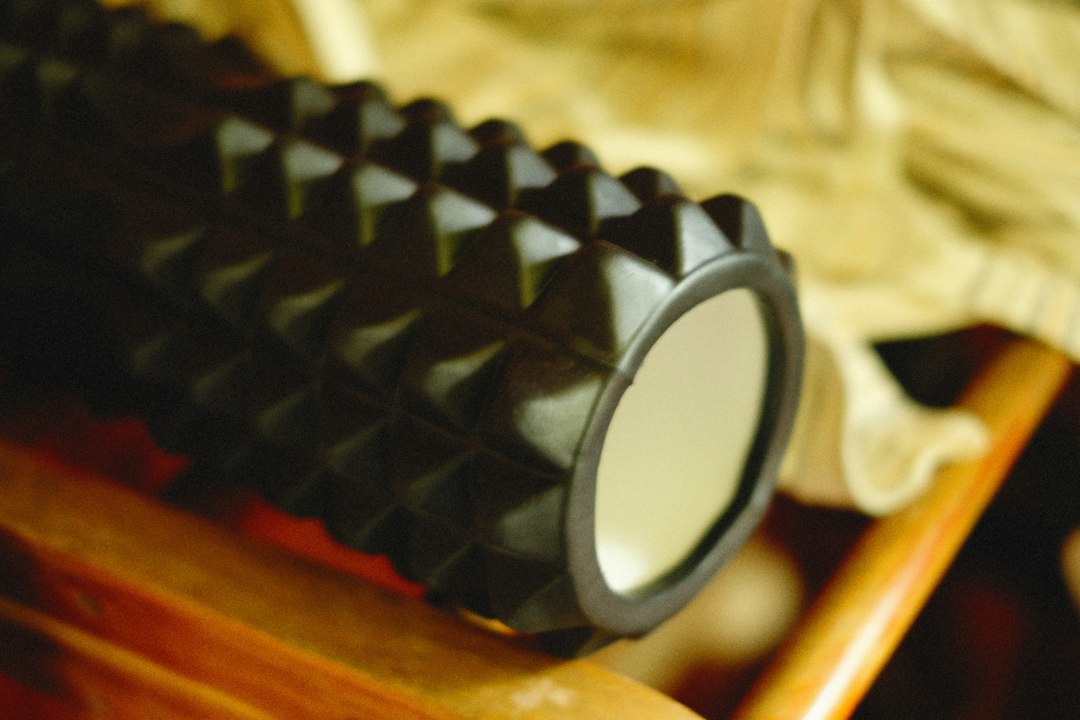
From April through August, big machines mostly drift back to list price, and I tell clients to cool their heels on anything with a motor. But these months are surprisingly kind to the small stuff. Memorial Day and July’s Prime Day bring real movement on accessories — bands, mats, rollers, recovery tools — and I’ve watched my favorite 150 lb resistance band set and the TriggerPoint Grid foam roller that lives in my office both take respectable summer dips. If you missed grabbing recovery gear in my big mat guide last month, the summer sale windows are the right time to fill in the gaps.
There’s also a trade-in and refurb lane worth knowing about: late summer is back-to-school season, and refurbishers clear trade-in inventory to make room for the fall. I’ve seen commercial-grade benches come out of those channels at prices that made me buy a second one for the YMCA.
The Cheat Sheet: What to Buy When

- September–October: Rowers, walking pads, early cardio dips. Buy the machine you’ll use all winter, before the crowd arrives.
- Black Friday–Cyber Monday: Treadmills, walking pads, adjustable dumbbells, racks and plates. The deepest honest discounts of the year live here.
- Mid-to-late January: Smart connected machines, wearables, tracker upgrades — clearance pricing once the resolution hype passes.
- February–March: The used-market gold rush. Everything heavy, barely used, forty to sixty percent off from someone else’s abandoned January.
- April–August: Accessories, bands, rollers, mats, and refurb trade-ins on Memorial Day and Prime Day. Patience on anything motorized.
The Four Rules I Buy By
A calendar is only as good as the discipline behind it, so here are the four rules that keep my team and our clients from relearning my three-hundred-dollar lesson.
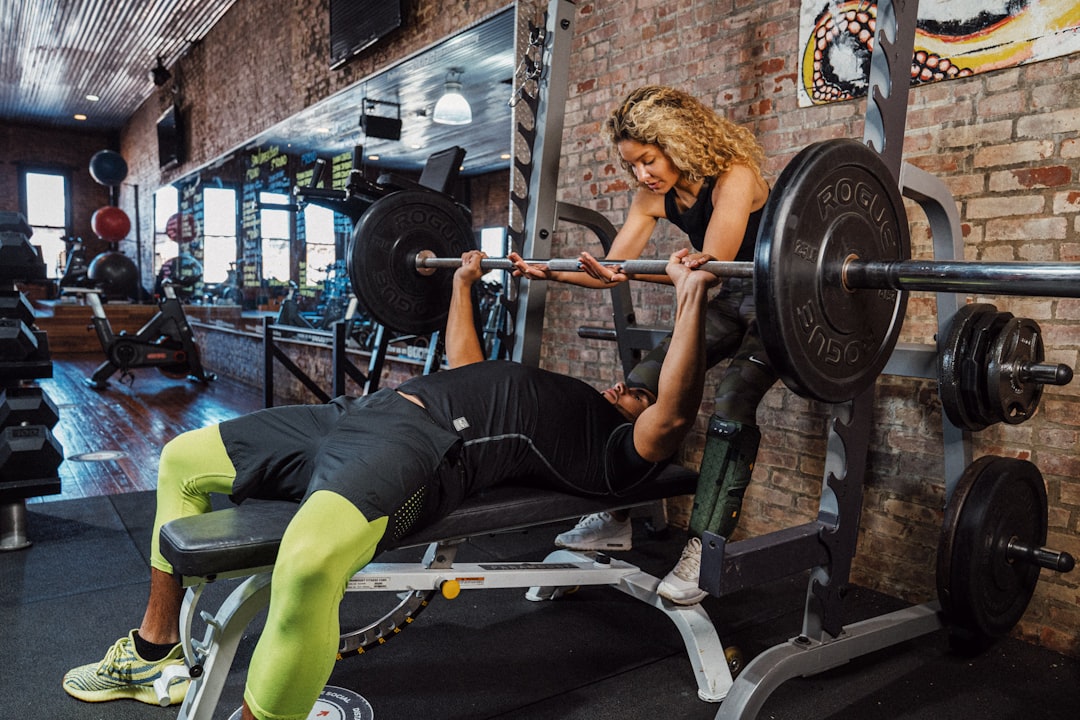
One: run the price-per-use math before anything else. A $250 adjustable bench used three times a week for five years costs about thirty-two cents per session. That’s why I’ll always tell you to buy the bench first, even though it’s the least exciting purchase in fitness — and a solid ASTM-certified option like the YOOLEO adjustable bench rarely needs a sale to already be great value.
Two: never pay the early-January markup. If a deal appears between January 1st and the 10th, check what that product cost on Cyber Friday. Nine times out of ten, November was cheaper, and February’s clearance will beat it again.
Three: buy iron used, buy tech new. The resale surge is for weight — motors, screens, and batteries deserve warranties.
Four: build the wishlist before the sale, never during it. My clients keep a standing list of their next three purchases with target prices. When the window opens, we buy in ten minutes and close the laptop. The sale exists to move their inventory, not to write your training plan — that part is your job, and it’s the fun part anyway.
This Week’s Homework
You’re standing in the September on-ramp with the November corridor coming into view. So here’s the assignment, and I mean this week, not “eventually”: write down the three pieces of gear you actually want, look up what each one cost last Black Friday, and set a price alert. That’s it. Twenty minutes now, and when the wave rolls in, you’ll be one of the few people standing on the beach with a board instead of a bucket.
Your strongest, fittest self isn’t built by spending more. It’s built by training consistently on gear you bought for half what your neighbor paid — and if a certain heptathlon-chasing coach had known that a decade ago, she’d be three hundred dollars richer. Learn from my receipt. Your future home gym, and your wallet, will thank you.




One comment on “Wait for the Window: When Home Gym Gear Actually Goes on Sale”