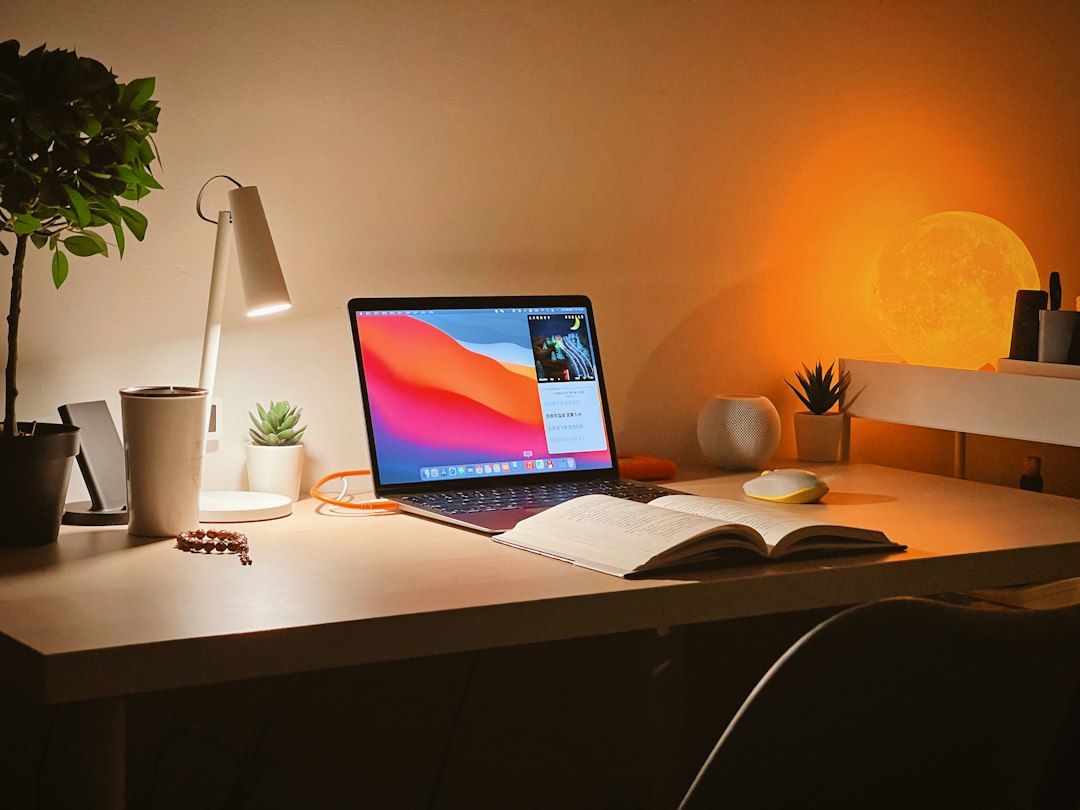
Every year, right around the third Friday of October, a shoebox-sized object comes down from the top shelf of my hall closet, gets a quick wipe with a damp cloth, and takes up permanent residence at the east end of my kitchen table. It’s white, it’s plain, and from across the room it looks like a tablet that never earned a screen. My sister calls it “the sun in a box.” My nieces fight over who gets to press the button. And for the next five months, that unglamorous little slab does more for my mood, my mornings, and my 5:30 training sessions than anything else I own.
It’s a 10,000-lux light therapy box, and I want to make the case that late October — not Black Friday, not the first grim Monday of January — is the week to buy one, set it up, and start using it. Nine days from now the clocks fall back and the dark half of the year officially begins. The women in my coaching groups call this stretch “the slide before the holidays,” and most of them have never met the humble device that quietly ended mine.
I didn’t come around gracefully. In my heptathlon days I trained outdoors in every month the calendar dared to throw at me, and I assumed anyone who felt flat in November simply wasn’t moving enough. Then coaching happened — desk hours, client hours, darker mornings — and by my fortieth birthday I noticed the same pattern every autumn: sleepier by 8 p.m., groggier at 6 a.m., hungrier, sadder about nothing in particular. It took a sports-medicine friend asking me one question to turn it around: “How much actual daylight do you think you get before nine in the morning?” The honest answer, in November, was almost none.

Why Morning Light Is a Dose, Not a Vibe
Here’s the part of the conversation where most people’s eyes glaze over, so let me make it concrete. A bright summer morning outdoors delivers somewhere between 10,000 and 100,000 lux — lux being the unit that measures light as it lands on your eye. A typical living room, even one you’d call “well lit,” delivers 200 to 500. That’s not a rounding error. It’s the difference between a meal and a photo of a meal.
Sitting at the back of each eye are specialized cells that don’t help you see at all. They exist, as far as anyone can tell, to report brightness to the master clock in your brain — the conductor that keeps sleep, hunger, mood, and hormones playing in time. Those cells want a blast of morning light to mark the day as started, and indoor lighting simply cannot reach them. When October trims the daylight down to a sliver, your clock drifts, and everything downstream of it drifts along. I wrote about the two-minutes-a-day squeeze in early September, and everything I predicted about mood and training shows up in my client logs by Halloween.
The fix has been studied about as thoroughly as anything in behavioral health: bright light, roughly 10,000 lux, for twenty to thirty minutes, early in the day — Yale’s winter depression program uses a daily 30-minute session before 8 a.m. and reports substantial improvement for most people with seasonal lows. You don’t stare at the light. You sit near it, at breakfast, while it does the photobiology you no longer get for free from the sky.
Who This Is For — and Who Should Check With a Doctor First
Let me draw the line honestly, because a light box is a real intervention, not a candle. If your winters bring what researchers call subsyndromal seasonal dips — heavier mornings, carb cravings, a mood that sags from November to March and lifts in spring — morning light has a strong evidence base and almost no downside when used correctly. Full seasonal affective disorder deserves the same respect as any depression, which means the box can be part of your plan, ideally alongside a clinician rather than instead of one.
Two groups need a conversation first. If you have bipolar disorder, bright light has been known to trigger manic episodes, so this is a “with your psychiatrist, never solo” tool. And if you have an eye condition like glaucoma or cataracts, or you take a medication that increases sun sensitivity, clear it with your eye doctor or pharmacist before you buy. Everyone else: this is about as dramatic as buying a very insistent kitchen lamp.
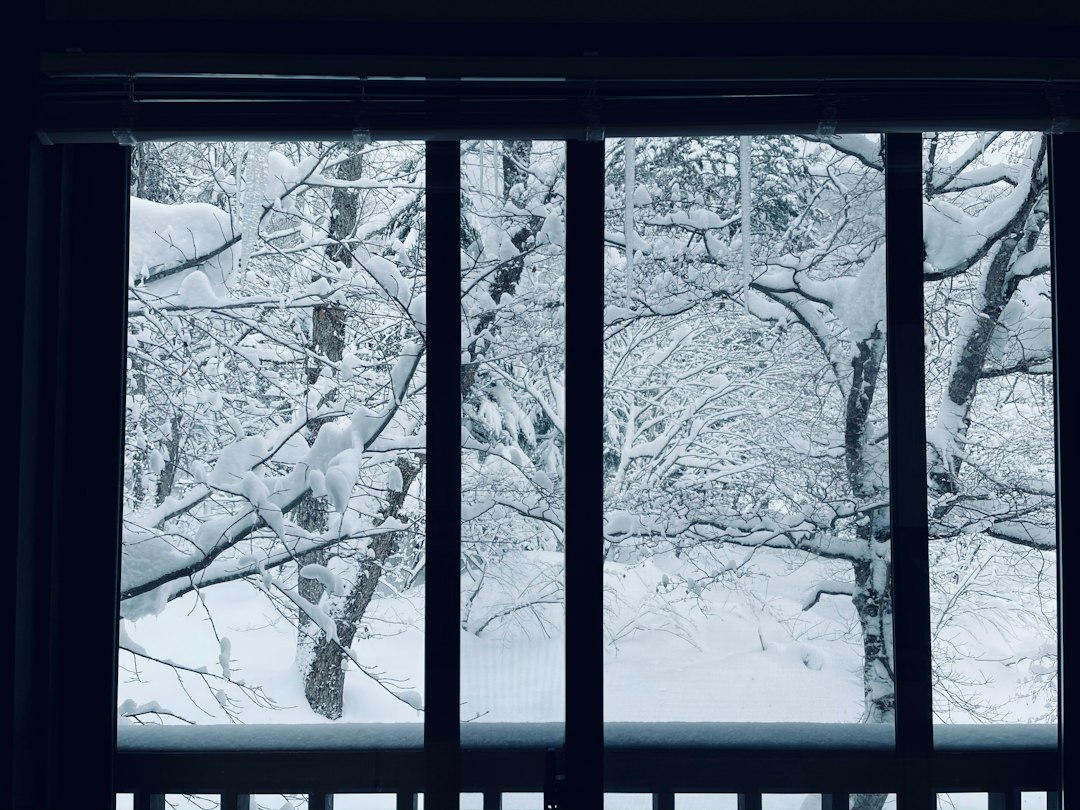
Five Things I Check Before a Box Earns Counter Space
I’ve bought, borrowed, and returned more of these than I’d like to admit — my coaching team keeps a running spreadsheet, and the “retired” column is embarrassingly long. The five checks below are what separate a box that works from an expensive nightlight.
- Lux at a stated distance. “10,000 lux” means nothing without the fine print. A legit brand specifies 10,000 lux at, say, 14 inches. Cheap boxes hit that number only if your eyeball is practically touching the plastic. If a listing is vague about distance, walk away — or do what my most detail-oriented client did and verify with a twenty-dollar lux meter, which is weirdly satisfying.
- UV-free output. Therapy light should be bright, not tanning. Reputable boxes filter ultraviolet completely; the Mayo Clinic’s buying advice treats UV emission as an automatic disqualifier.
- Real screen size. The light needs to reach your eyes from an angle, not from a device the size of a phone. Bigger diffusers let you sit naturally instead of hovering.
- No flicker, no whine. Quality LEDs run steady and silent. A unit you can see flickering or hear buzzing will never survive a full winter of daily use.
- A timer or a smart plug. Twenty minutes is the dose. Some mornings I get pulled away mid-coffee, so mine runs on a smart plug scheduled from my phone — it’s on when I sit down and off when the session ends, no thinking required.
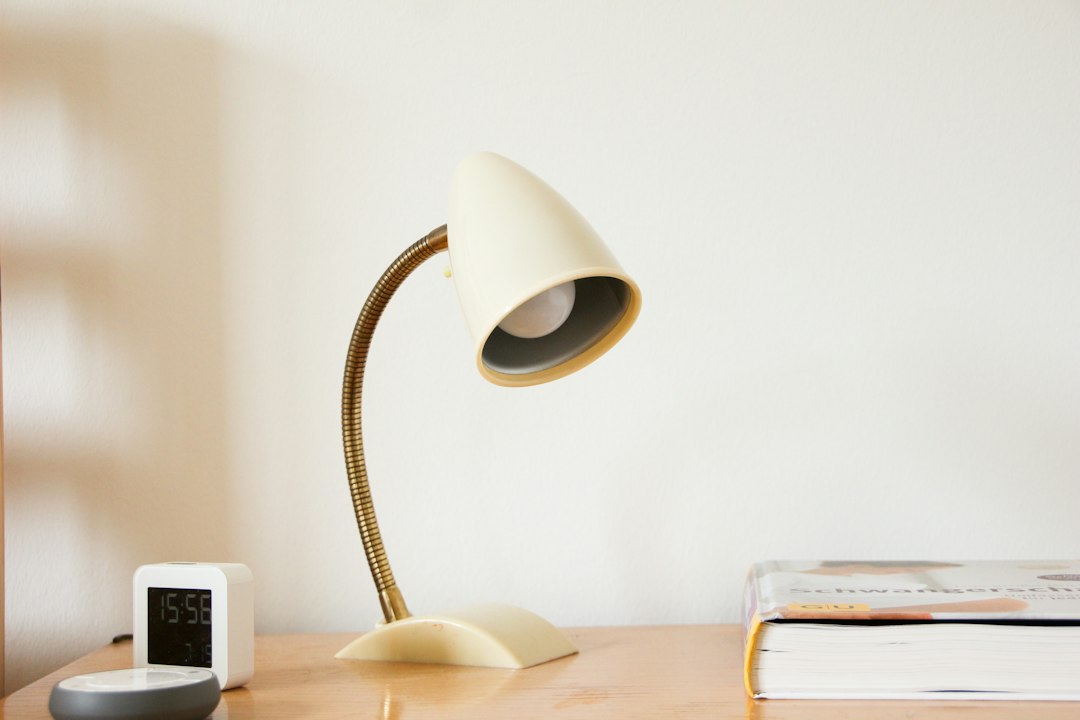
The Shelf, the Desk, and the Glasses
Form factor matters more than brand loyalty here, because the best box is the one that fits the morning you actually have. There are three honest routes.
The big panel. The classic design is a wide, tilted screen that sits on a table and lights your whole upper body. This is the format most of the clinical research was built on, and it’s still my default recommendation for a first box. The Carex Day-Light line is the spec-sheet favorite — my team’s tester unit has run five winters without a flicker — and the Carex Day-Light panel is what I hand clients who want the full-dose experience. If you want the tank version that clinics literally bolt to walls, Northern Light Technologies’ boxes are absurdly bright and equally durable.
The compact box. Smaller panels trade some screen area for counter space and portability. My office unit is a tidy compact style I can slide under a monitor, and the two I recommend most are the Verilux HappyLight family — the brand I’ve bought three times over the years — and the Circadian Optics desk models, which look handsome enough that guests think they’re decor. For travel weeks, one of my athletes swears by her slim Beurer daylight lamp, which rides in her carry-on to keep race-morning wake-ups on schedule. If you’re comparison shopping the whole category at once, browsing 10,000-lux therapy boxes side by side is faster than any single brand page.
The glasses. Light therapy eyewear puts small LED frames above your eyes — you wear your dose while making breakfast or driving (as a passenger, please). The Luminette glasses are the category leader, and they’re the answer for every client whose “morning” happens on a commuter train. The one I don’t recommend: skipping morning light and calling a sunrise lamp a substitute. A dawn simulator is a beautiful way to wake up — I spent thirty dark mornings testing one — but it delivers a gentle ramp, not the 10,000-lux dose. They’re teammates, not rivals.

My Twenty Minutes, Exactly
So here is the ritual, the same one I install for every client who buys a box. It sits at the kitchen table, about eighteen inches from my chair, angled slightly off to the side so I never look straight into it. I start it the moment I sit down with coffee — usually 6:10 — and I journal, eat, or answer early texts while the light lands on my face from the periphery. Twenty minutes on weekdays, thirty on slow Sundays. That’s it. You are not sunbathing your retinas; the light works through indirect exposure, which is why placement beats staring.
Consistency is the entire game. The master clock keeps score daily, so the box runs every morning from late October through mid-March, weekends included — especially weekends, since sleeping in two hours is exactly the kind of drift winter exploits. I feel the first difference in energy inside four or five days; the deeper mood shift takes a solid two weeks. Every year I relearn patience around day eight, and every year it’s worth it.
The Mistakes I Made So You Can Skip Them
My first box mostly failed because of me, not it. I parked it across the room like a floor lamp — light intensity falls off fast with distance, and across a kitchen you’re collecting maybe a tenth of the dose. I also spent one whole November using it at 9 p.m. after evening clients, which is the single best way to manufacture insomnia; bright light late in the day tells your clock the day is starting, again. Morning is the assignment.
The second failure mode is quitting during week one because nothing miraculous happened. This is vitamin D supplements all over again — the absence of instant fireworks is not the absence of effect. Give it fourteen honest mornings before you judge. And the third is treating the box like a hall pass to never go outside. Real daylight still wins on intensity, so on tolerable afternoons I take the twenty-degree-rule dressing approach and walk anyway; the box covers the mornings, not the whole sky.

One last note for my perimenopausal readers: winter darkness and hormonal night wake-ups are a brutal combination, and a dark 5 a.m. ceiling stare is exactly when seasonal lows do their damage. Bright morning light is one of the few levers that helps both the mood slope and the sleep architecture at once — it’s the first thing I add to a winter protocol, before any supplement discussion.
What It Costs and What It’s Worth
Math keeps me honest, so here’s the math. A good box runs $50 to $150. Mine is entering its fifth winter, call it 150 mornings a year, and the arithmetic works out to about twenty cents per session — less than the coffee sitting next to it, and cheaper than a single week of the afternoon coffees I used to need to feel human. If your winter workspace is a dim corner rather than a kitchen, a full-spectrum floor lamp for the afternoon is a fair companion, keeping the bright box for mornings only.
Nine days from Sunday, the clocks fall back and the swap begins: we trade evening light for morning darkness. I’ve watched too many strong, vibrant women spend November through February apologizing for energy they never actually lost — just light they never actually got. So do what I do on the third Friday of October. Take the little sun down off the shelf, plug it in next to the coffee, and give it fourteen mornings. Your master clock has been waiting all year for someone to finally turn the lights on.