Every year, the Friday after Thanksgiving, I get some version of the same text from a client. This year’s came early, because she’s a planner: “What do I do with all of it? Do I just throw the leftovers out and start clean on Monday?” She was picturing a fridge stacked with foil-covered turkey, a half-pan of stuffing, a bowl of mashed potatoes with a gravy skin on top, and the back third of a pie. She was also picturing a week of guilt, which is the part I want to talk her out of.
You don’t need to throw anything away, and you don’t need a “reset” that starts with a juice cleanse. The leftover week is one of the best chances all year to practice the way of eating that has the deepest research behind it. Mediterranean eating isn’t a cuisine you have to import. It’s a pattern: more vegetables, beans and whole grains, olive oil as the main fat, fish and poultry over red meat, fruit and nuts for sweets, and plenty of herbs and lemon doing the work that butter and cream usually do. Most of a Thanksgiving fridge already fits that pattern. It just needs a nudge.
So my team and I put together the four swaps I hand clients for the days between the feast and the first weekend of December. Nothing fancy, and nothing expensive. Most of what you need is already in your fridge or costs a few dollars at the store.
Why the Leftovers Aren’t the Problem
Here’s the honest part. Roast turkey is lean, high-protein poultry, which is exactly what a Mediterranean plate likes to feature. Roasted squash, green beans, Brussels sprouts and cranberries are plants. Even the sweet potatoes are a perfectly good starch until someone buries them under marshmallows. The trouble with the leftover week isn’t really the food. It’s the packaging: the gravy, the butter-soaked stuffing, the creamed casseroles and the pie that keeps getting “just a sliver” taken off it four times a day.
When you strip the turkey and vegetables out of their holiday costumes and rebuild them around olive oil, beans, whole grains and lemon, you end up with meals that are filling, cheap and much easier on your energy levels. You also get to stop thinking about Thanksgiving as a debt you have to pay back. I wrote about that mindset in my maintenance-season training and protein plan, and the leftover week is where that plan either holds or quietly falls apart.
What the Research Actually Supports
I don’t like recommending a way of eating just because it’s popular, so here’s the short version of where the evidence stands this year.
A network meta-analysis published in the Journal of the American College of Cardiology in March 2026 pulled together eight randomized trials with roughly 5,000 people who had coronary artery disease or major risk factors. Compared with minimal dietary advice, Mediterranean-style diets were linked with about 30 percent fewer major cardiac events, 28 percent lower all-cause mortality, and fewer heart attacks and strokes. Mediterranean and low-fat diets performed about the same for mortality and heart attacks, but the Mediterranean approach edged ahead on stroke and on how well people stuck with it.
That second point matters more than people think. The diet you can actually keep eating beats the “perfect” diet you quit by Tuesday. This August, researchers at UNC Chapel Hill published the DELISH trial in JAMA Network Open. They took the Mediterranean pattern and adapted it to foods people in the American Southeast already eat, which they called “Med-South.” Over 24 months, the Med-South group and a standard calorie-cutting group lost about the same amount of weight, roughly 10 pounds on average. But the Med-South group ate noticeably better: more healthy fats, higher diet-quality scores, and a pattern they could live with. I love that study for leftover week because it makes the point I keep making to clients. You don’t need to eat like a Greek grandmother. You need to tilt the food you already have in that direction.
And for the long game, a study in the American Journal of Clinical Nutrition this year used a blood “signature” of Mediterranean eating and followed people for an average of 25 years. Those with the strongest signature had about a 23 percent lower risk of death. It’s observational, so it can’t prove the diet did it, but it lines up with decades of other work. The pattern holds up.
Swap One: Gravy Out, Lemon and Olive Oil In
Gravy is the single ingredient that turns lean leftover turkey into something heavy. It’s mostly drippings fat and flour, and on day three it has the texture of wallpaper paste anyway. My replacement takes ninety seconds: good extra-virgin olive oil, fresh lemon juice, a smashed garlic clove, salt, pepper and whatever herbs are wilting in the crisper drawer. Parsley, thyme, rosemary and sage are usually still hanging around after Thanksgiving, which is perfect.
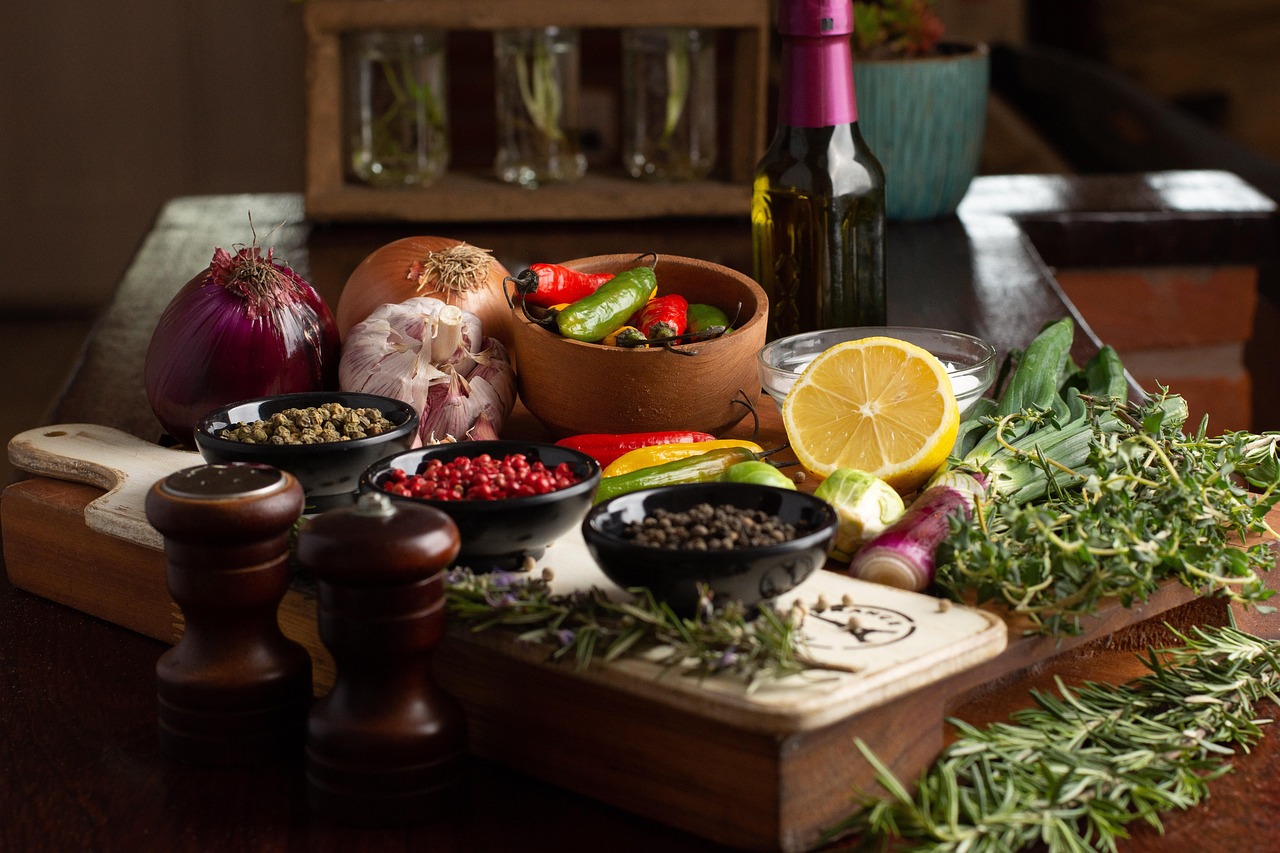
I shake it up in a jar, keep it in the fridge door, and spoon it over sliced turkey, roasted vegetables and grain bowls all week. Olive oil is still about 120 calories a tablespoon, so I measure it instead of pouring freely (the kitchen-scale habit from last week’s piece on calorie apps pays off here). But the swap from gravy to dressing changes the kind of fat you’re eating, which is the heart of the Mediterranean pattern.
A bottle of California Olive Ranch Extra Virgin Olive Oil is my everyday workhorse. It’s affordable, it’s widely available, and it tastes fresh enough to use raw. If you squeeze as many lemons as I do in late November, an OXO Good Grips Citrus Squeezer saves your hands and catches the seeds.
Swap Two: The Roll Basket Becomes a Grain Bowl
Dinner rolls and stuffing are refined bread with butter. Delicious on Thursday, not much help by Saturday. For the rest of the week, I put the starch job in the hands of a whole grain instead. Farro is my favorite for this. It’s chewy, nutty and holds up for days in the fridge without getting mushy, and it delivers fiber and protein that a roll just doesn’t.
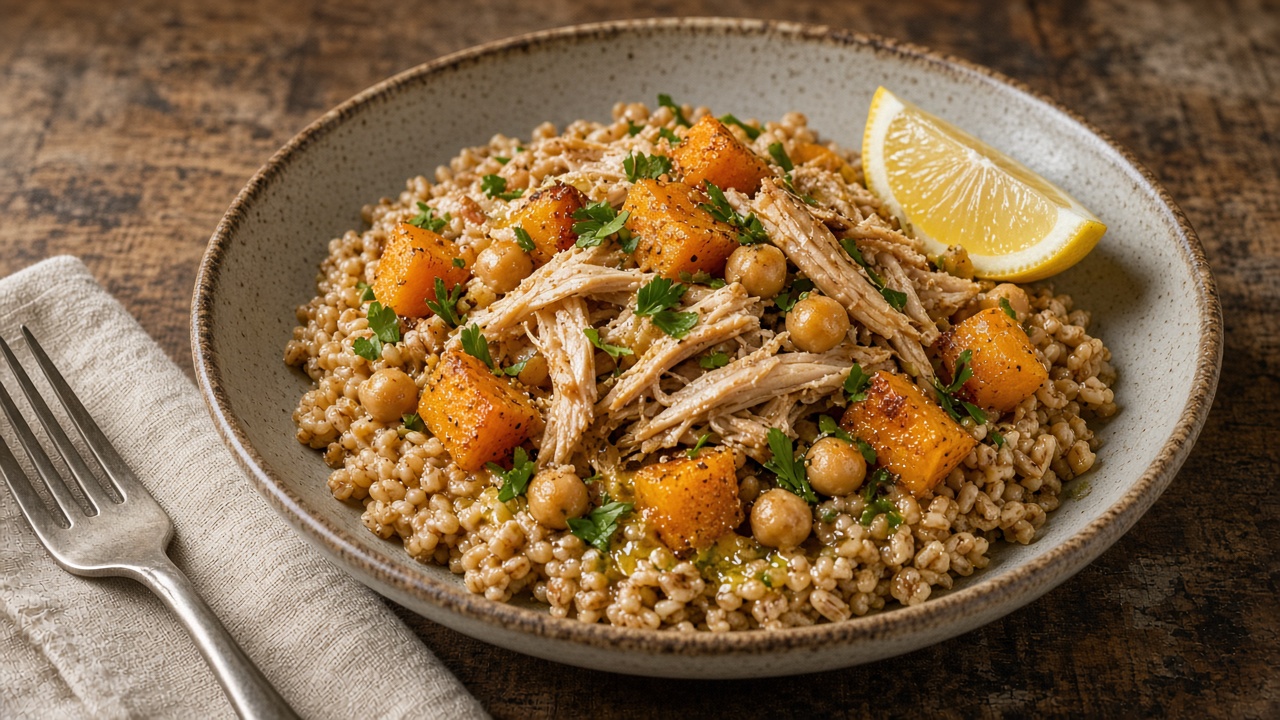
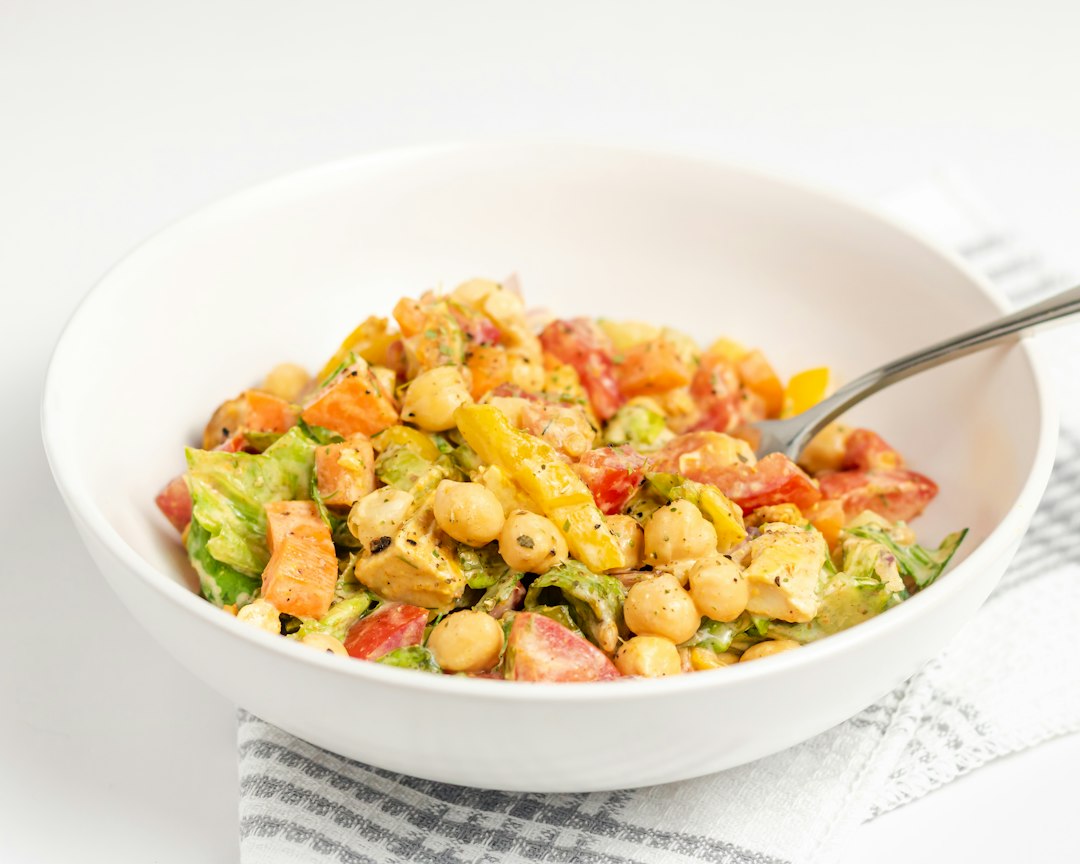
My go-to leftover bowl looks like this: a scoop of farro, a handful of shredded turkey, whatever roasted vegetables are left, a spoonful of chickpeas, chopped herbs, the lemon dressing from swap one, and a squeeze of fresh lemon over the top. It takes five minutes to put together, it’s genuinely filling, and it doesn’t leave me in a 3 p.m. slump.
I cook a big batch of Bob’s Red Mill Farro on Friday so it’s ready to go. If you have a pressure cooker, it’s even easier. My Instant Pot Duo 7-in-1 does double duty that weekend: farro in about 10 minutes under pressure, and then the turkey carcass goes in with onion, carrot, celery and water for a rich broth I freeze in portions. That broth becomes the base for the batch soups I lean on all winter, the same approach I laid out in my Sunday soup-pot routine.
Swap Three: Casserole Sides Get Beans, Not Marshmallows
This is where a Mediterranean tilt makes the biggest difference on the cheapest budget. Beans and lentils are the backbone of traditional Mediterranean eating, and they’re about the most affordable protein and fiber you can buy. A can of chickpeas costs about the same as a cup of coffee, and a bag of dried lentils will feed you for a week.
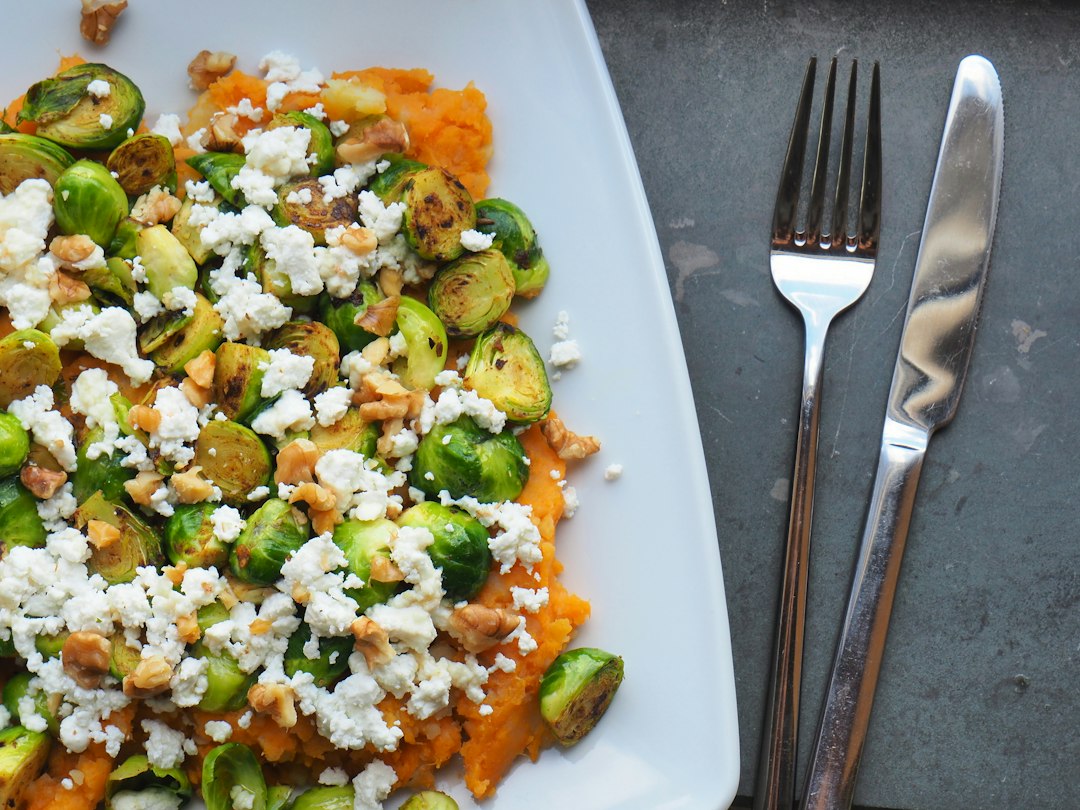
Here’s what I do with the vegetable leftovers. The sweet potatoes get mashed with a little olive oil instead of butter and topped with seared Brussels sprouts, crumbled feta and toasted walnuts. The extra green beans and squash go onto a sheet pan with a can of drained chickpeas, a drizzle of oil and a big pinch of cumin, and roast at 425°F until the chickpeas are crisp at the edges. Twenty minutes, one pan, dinner done.
A sturdy Nordic Ware Natural Aluminum Half Sheet Pan is the most-used tool in my kitchen that week. For the beans themselves, I keep Goya Organic Chickpeas in the pantry, and a jar of Simply Organic Ground Cumin makes leftover vegetables taste like a completely different meal. One small tip if you’re watching sodium: draining and rinsing canned beans removes a good chunk of the salt, often cited around 40 percent.
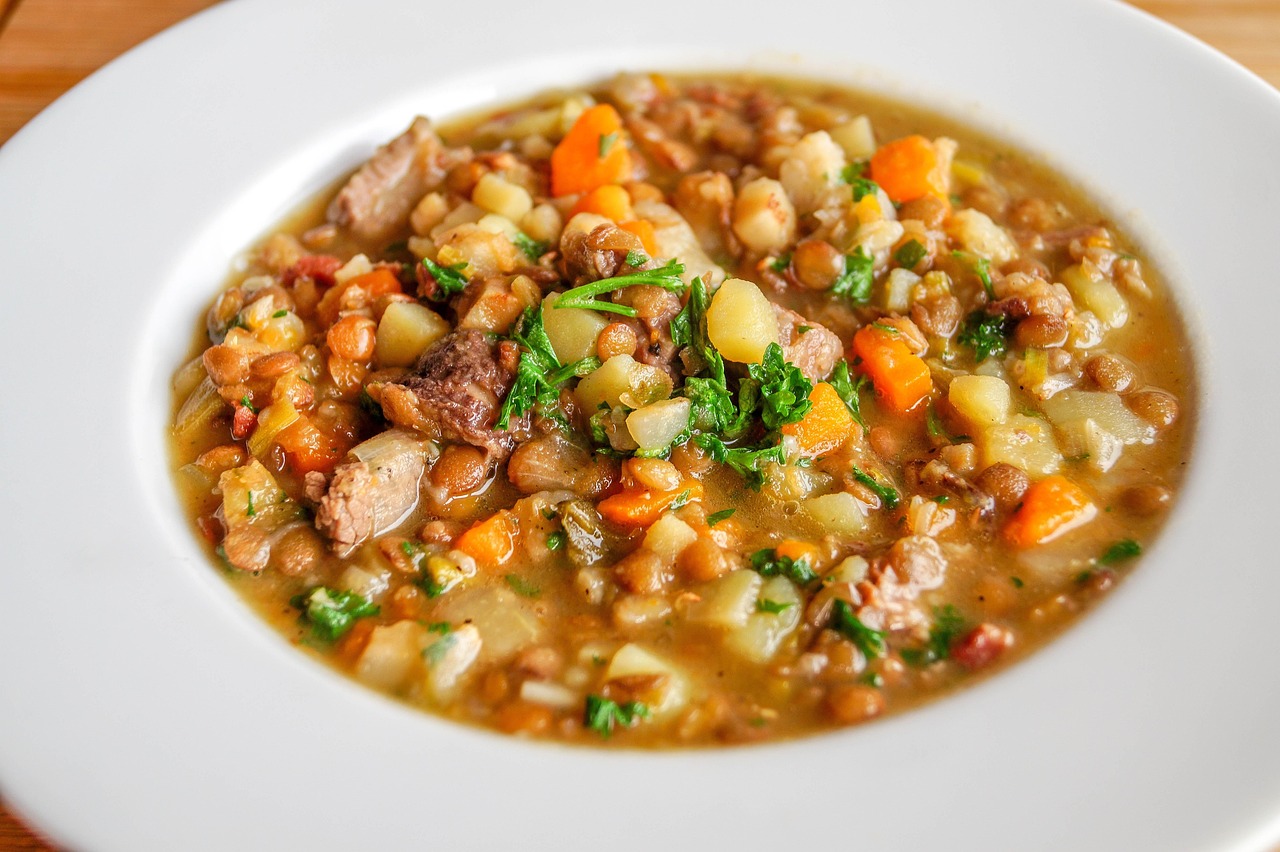
Lentils are my other secret weapon. Red lentils cook in about 15 minutes without soaking and practically melt into soup. I simmer Bob’s Red Mill Red Lentils in that homemade turkey broth with diced carrot, onion, a handful of leftover turkey and plenty of parsley, and I get four or five lunches out of one pot. If you’re working on more fiber this winter, a bowl like this goes a long way toward the daily target I talked about in my thirty-gram fiber challenge.
Swap Four: Pie Becomes Fruit, Yogurt and a Handful of Nuts
I am not going to tell you to throw out the pie. Eat the pie! Have a real slice, on a real plate, sitting down, and enjoy it. What I suggest is that the pie gets a finish line. Once it’s gone, or once you’ve had your slice for the day, dessert switches to the Mediterranean default: fruit, plain Greek yogurt, a drizzle of honey and a small handful of nuts.
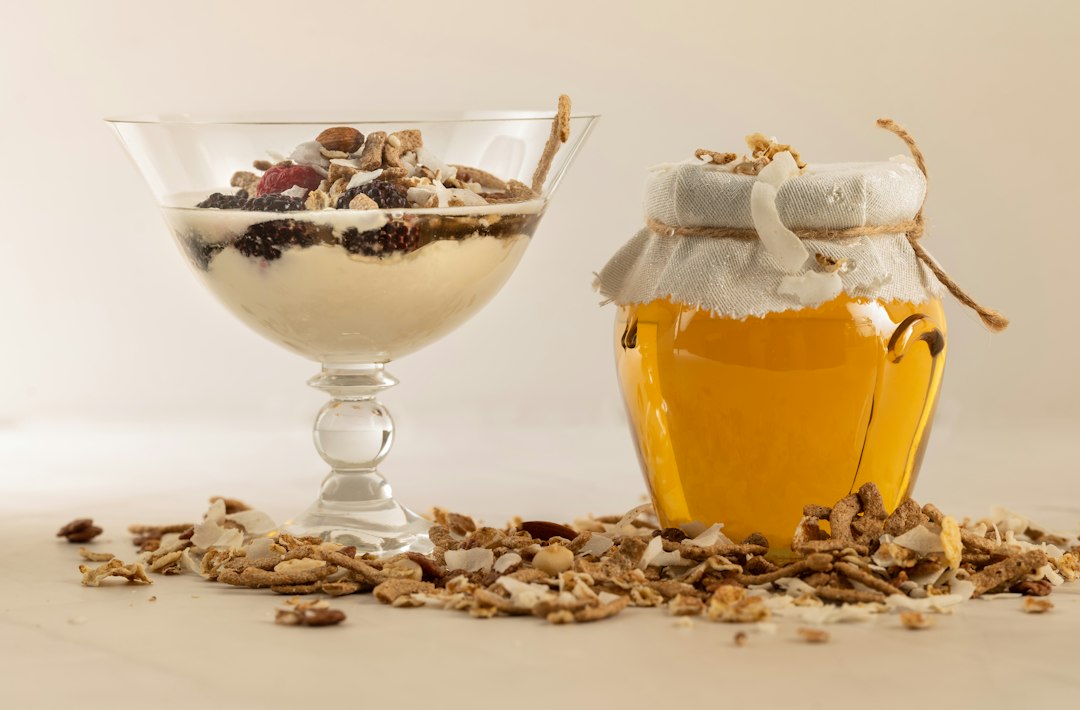
It sounds almost too simple, but this swap works because it scratches the same itch. Something sweet, something creamy, something with a little crunch. Leftover cranberry sauce makes a wonderful swirl in yogurt. Sliced pears or apples with cinnamon, warmed in a pan for five minutes, taste like pie filling without the crust. Walnuts bring omega-3 fats and a satisfying bite. I keep a bag of Diamond of California Walnut Halves in the freezer so they stay fresh through the winter.
The Budget Math, and the Pantry That Makes It Work
A lot of people think Mediterranean eating means expensive fish, imported cheese and fancy olive oil. That’s the magazine version. The everyday version, the one people in the region have eaten for generations, is built on cheap staples: dried and canned beans, lentils, whole grains, onions, garlic, seasonal vegetables, a little cheese, and canned fish. During leftover week, the turkey is already paid for, so you’re really only buying the supporting cast.
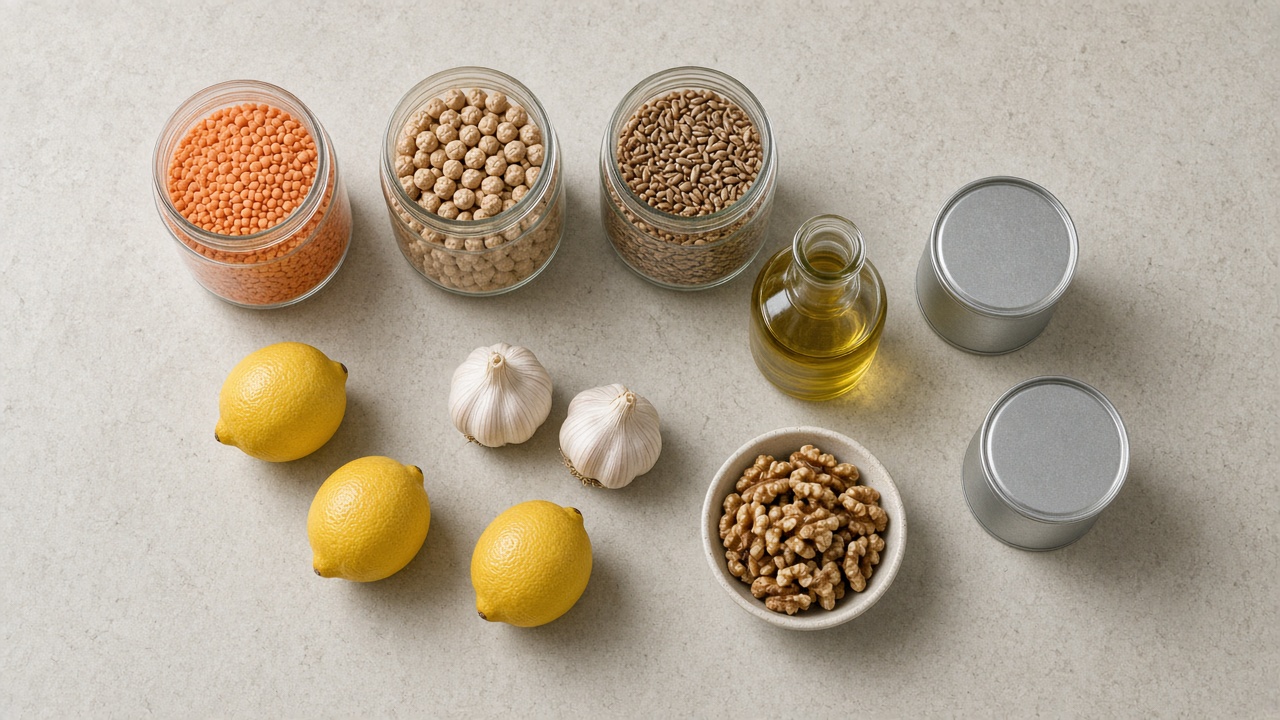
Here’s the short pantry list I send clients before Thanksgiving so they’re ready on Friday:
- A whole grain: farro, bulgur or brown rice, cooked in one big batch.
- Two kinds of legumes: canned chickpeas or white beans for speed, dried red lentils for soup.
- A good everyday olive oil and a bag of lemons.
- Canned fish for the days you’re tired of turkey: I like Wild Planet Wild Sardines in Extra Virgin Olive Oil, which are inexpensive, rich in omega-3s and calcium, and great mashed onto whole-grain toast with lemon.
- Aromatics and spices: garlic, onions, cumin, dried oregano and any fresh herbs left from the holiday.
- Something crunchy: walnuts or almonds, kept in the freezer.
Spread over a week of lunches and dinners, a bowl built from farro, beans, vegetables and leftover turkey usually works out to a couple of dollars or less per serving. That’s cheaper than takeout and a lot cheaper than the “detox” kits that start showing up in your feed around this time of year.
My Leftover-Week Map, Friday to Wednesday
Food safety comes first, because nothing derails a healthy week like a stomach bug. USDA guidance is to get leftovers into the fridge within two hours of serving, eat them within three to four days, and reheat to 165°F. For a Thursday feast, that means Monday is the cutoff for refrigerated turkey. Anything you won’t eat by then goes into the freezer on Friday or Saturday, portioned and labeled. If you want a deeper system for divvying up and storing the extras, my friends over at our home site have a great guide on a leftover system that saves the week after Thanksgiving.
Here’s roughly how I lay out the days:
- Friday: Cook the farro, start the carcass broth, and make the lemon dressing. Lunch is a turkey grain bowl. Freeze any turkey you won’t finish by Monday.
- Saturday: Sheet-pan chickpeas with leftover vegetables for dinner. Sweet potatoes get the olive oil and Brussels sprout makeover.
- Sunday: Lentil and turkey soup, made in the big pot and portioned for weekday lunches.
- Monday: Last day for refrigerated turkey. Grain bowls for lunch, soup for dinner.
- Tuesday and Wednesday: Turkey takes a break. Sardine toast, chickpea salad and the last of the soup, with fruit and yogurt for dessert.
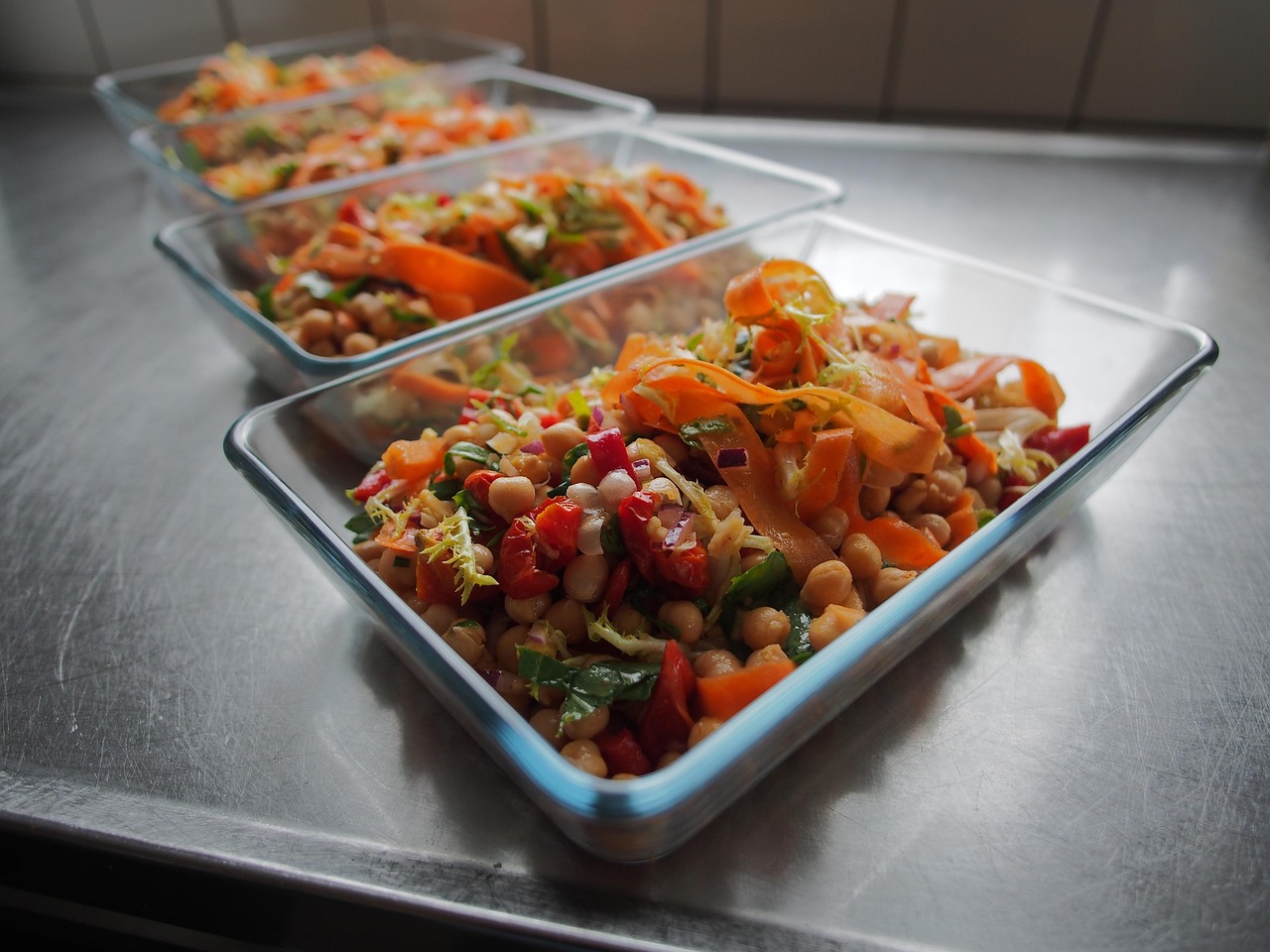
The thing that makes this map work is portioning on Friday and Sunday, so that the healthy option is also the easiest option when you open the fridge. I use a set of Pyrex Simply Store Glass Food Storage Containers because they go from fridge to microwave without any worry, and seeing a stack of ready-made grain bowls is a surprisingly strong nudge on a busy Monday.
Keep Moving Between the Plates
One last piece, because I’m a coach before I’m anything else. The Mediterranean pattern was never just about food. The people researchers originally studied walked everywhere, ate with family, and moved a little all day long. You don’t need a punishing workout to “burn off” Thanksgiving. A 20- or 30-minute walk after your biggest meal of the day helps your body handle the rise in blood sugar, gets you out in the shrinking daylight, and gives everyone a break from the screens.

In my house, the after-dinner walk is a leftover-week tradition. We bundle up, take the long loop around the neighborhood, and come home to a kitchen that already has tomorrow’s lunches stacked in the fridge. It feels a lot better than starting December with a list of regrets.
The Bottom Line for Leftover Week
Thanksgiving isn’t something you have to undo. The turkey, the vegetables and even most of the sides can slide right into one of the best-studied eating patterns we have, as long as you change the supporting cast. Swap gravy for lemon and olive oil, rolls for a whole grain, creamy casseroles for beans and roasted vegetables, and the pie for fruit, yogurt and nuts once it’s gone. Do that for five days and you’ll walk into December with more energy, a lighter grocery bill and a freezer full of broth for the cold months ahead.
And if a slice of pie sneaks in on Saturday night? Good. Enjoy it. That’s part of the pattern too.
This article is for general information and isn’t a substitute for personal medical advice. If you have a heart condition, kidney disease, diabetes or a sodium restriction, check with your doctor or a registered dietitian before making big changes to your diet.