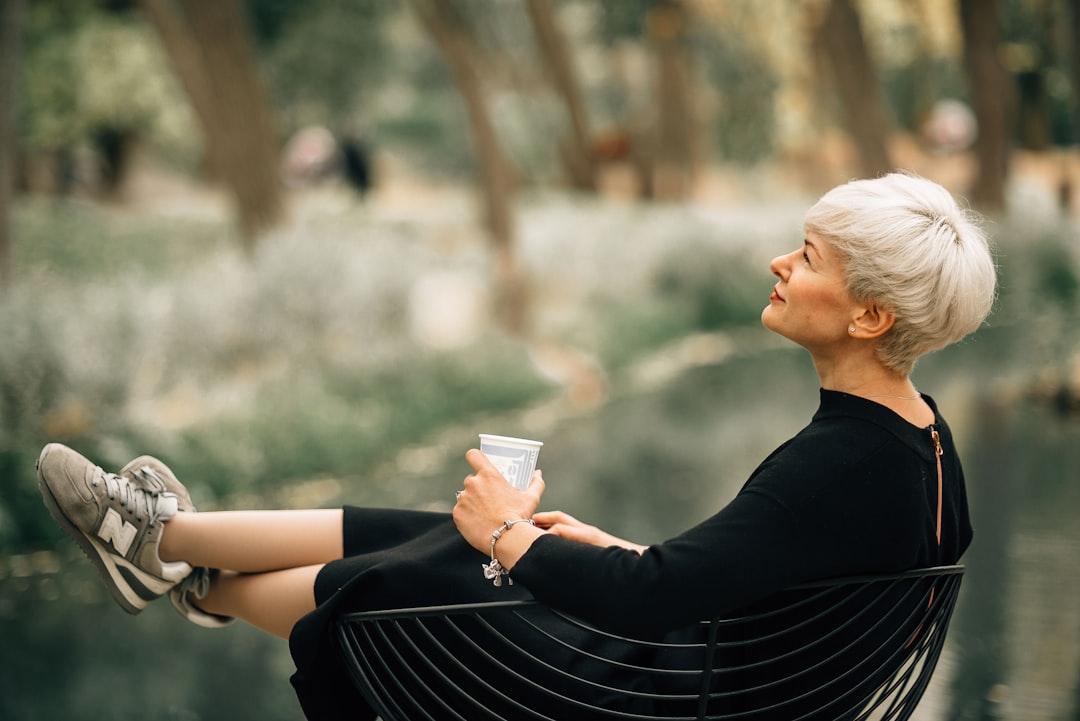
I need to confess something that still stings a little. Last fall, I spent close to four hundred dollars on a biological age test. You know the kind — you spit in a tube, mail it off, and some algorithm tells you whether your cells think you’re thirty-two or forty-seven. When my results came back saying my biological age was three years older than my chronological age, I did what any self-respecting wellness coach would do. I panicked. Then I bought a cold plunge, ordered six new supplements, and downloaded three biohacking apps.
Six months later, I retested. My biological age had dropped by five years. But here’s the part nobody wants to hear: it wasn’t the cold plunge. It wasn’t the NMN or the spermidine or the fancy app that buzzed reminders at me all day. The thing that actually moved the needle was embarrassingly, frustratingly simple. I started walking after dinner. Every single night. Thirty minutes, no phone, no heart rate monitoring, no performance metrics. Just my feet on the pavement and the evening air.
I tell you this because I’ve spent the last decade immersed in wellness culture, and I’ve watched the longevity space become a vending machine for expensive solutions to problems that mostly require boring answers. The science is clear on what extends healthspan, and the best researchers in the world — the ones actually studying centenarians and running the clinical trials — are doing remarkably unsexy things with their own lives. Let me walk you through what I learned when I stopped chasing optimization and started paying attention to the evidence.
Sleep Is the Compound Interest of Health
I know, I know. You’ve heard this before. But I spent years treating sleep as negotiable — something I could shortcut with better morning routines or strategic caffeine timing. It wasn’t until I actually committed to seven and a half hours of consistent sleep for three straight months that I understood what all the longevity researchers were talking about. My resting heart rate dropped. My morning cortisol felt manageable instead of like a fire alarm. My cravings for sugar vanished almost overnight.
Dr. Eric Topol, one of the most respected cardiologists in the country, recently wrote about how he prioritizes sleep above nearly everything else in his own health routine. Not supplements. Not cold exposure. Sleep. Because during deep sleep, your brain literally flushes out metabolic waste through the glymphatic system. Your muscles repair. Your immune system recalibrates. Skip that process consistently, and no amount of red light therapy is going to compensate.
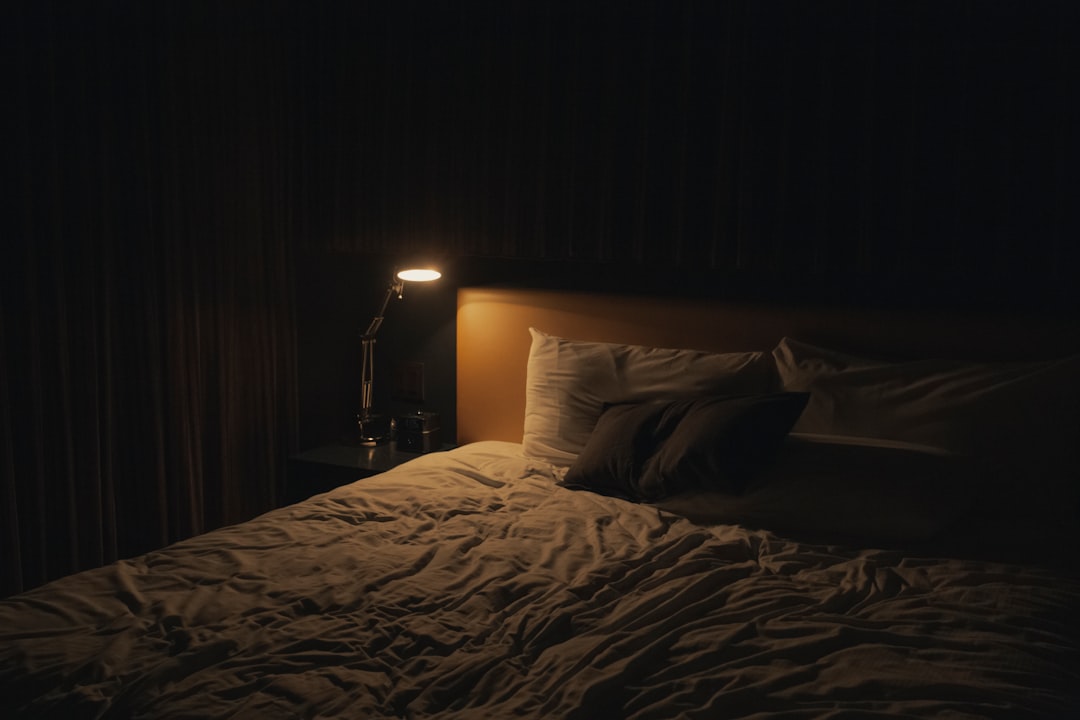
The investment that made the biggest difference for me wasn’t a wearable or a supplement. It was a proper supportive pillow that actually kept my spine aligned and a set of blackout curtains that made my bedroom feel like a cave. Total cost: under eighty dollars. That’s less than a single bottle of the “longevity” supplement I’d been choking down every morning.
Movement That Doesn’t Require a Membership
Here’s something that surprised me when I started digging into the research on centenarians in the Blue Zones. None of them go to gyms. None of them follow periodized training programs or track their progressive overload. What they do is move constantly throughout the day — walking to the store, gardening, kneading bread, carrying groceries up hills. Their lives are structured around natural, functional movement that doesn’t stop when the workout ends.
I’m not anti-gym. Far from it. I replaced my own gym membership with a cable machine and haven’t looked back. But I’ve come to believe that the hour you spend working out matters far less than what you do with the other fifteen waking hours. If you sit at a desk for eight hours and then crush a forty-five-minute HIIT session, you’re still spending the vast majority of your day sedentary. The longevity data consistently shows that the people who live longest aren’t the ones with the highest VO2 max — they’re the ones who never stop moving.
My solution was embarrassingly low-tech. I started taking a walking pad calls and meetings, began doing five-minute movement snacks between coaching sessions, and committed to that after-dinner walk I mentioned. The change in how I felt was dramatic, and it happened faster than any training program I’ve ever followed.
Strength Training After Thirty Is Non-Negotiable
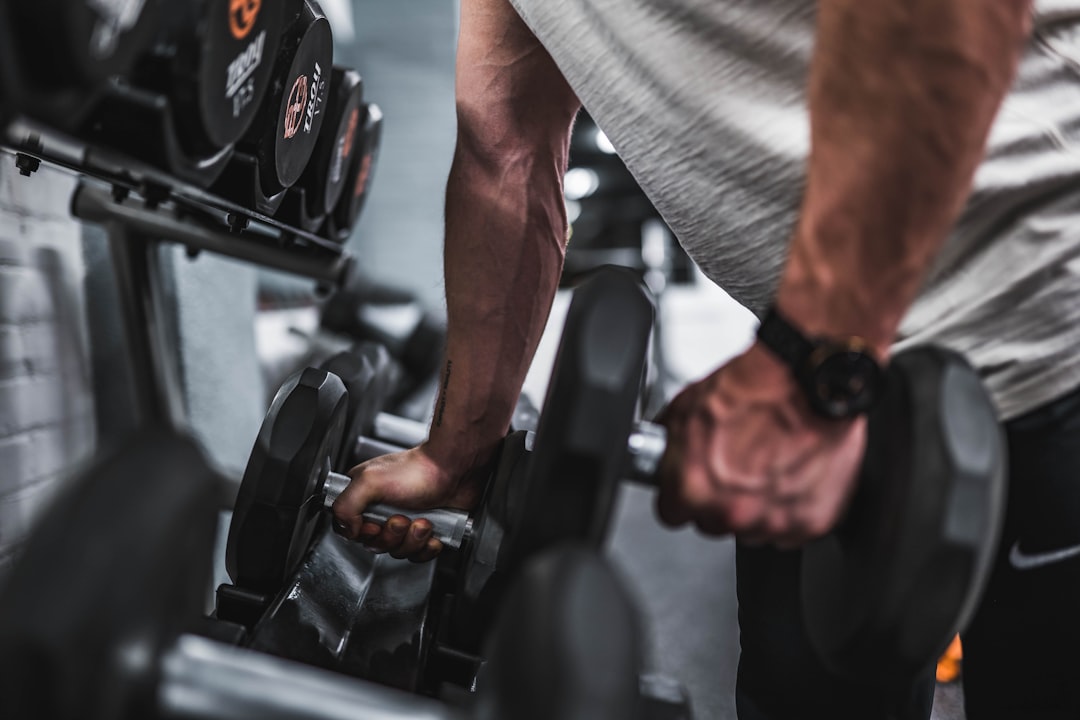
Here’s where I stop being boring for a second and get a little more specific. If there’s one “optimize” habit that actually earns its spot in a longevity routine, it’s resistance training. Starting around age thirty, you lose about three to eight percent of your muscle mass per decade if you do nothing. That’s not just a cosmetic concern — sarcopenia is directly linked to falls, fractures, loss of independence, and earlier mortality. The research is unambiguous: lifting weights two to three times per week is one of the most powerful longevity interventions available to any of us.
I’ve been strength training since my heptathlon days, but even I fell into the trap of going too light for too long. It wasn’t until I started working with heavier loads — genuinely challenging sets of six to eight reps — that my bone density scan improved and my metabolic markers shifted in the right direction. You don’t need a fancy setup, either. A solid set of resistance bands or a pair of adjustable dumbbells and a corner of your living room is genuinely enough to build the kind of strength that protects you as you age.
The key is consistency over intensity. I’d rather see someone do twenty minutes of strength work three times a week for a year than crush an intense program for six weeks and quit. Your muscles don’t care about your motivation. They respond to regular, progressive challenge.
The Social Wellness Gap Nobody Talks About
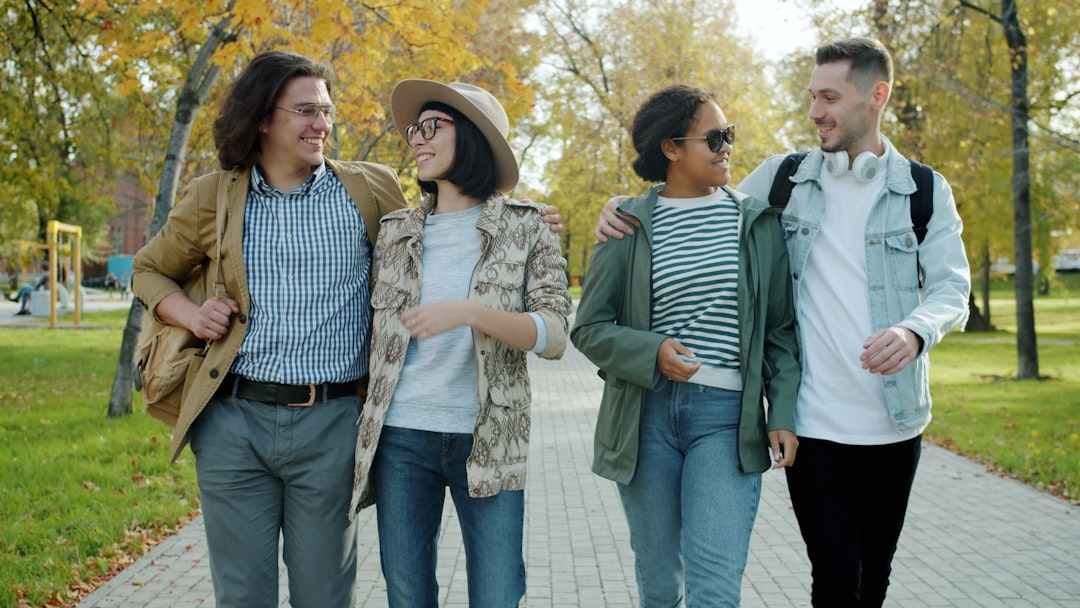
This is the part of the longevity conversation that catches most people off guard. When researchers study what actually predicts a long, healthy life, social connection keeps showing up as a stronger predictor than blood pressure, cholesterol, or even physical activity. The Harvard Study of Adult Development — the longest-running study on human happiness, spanning over eighty years — found that the quality of close relationships was the single strongest predictor of both happiness and health in later life.
I’ll be honest: this was the hardest habit for me to build. As a coach and writer, I spend huge chunks of my day alone — planning workouts, writing articles, reviewing research. It’s easy to go an entire week without a meaningful conversation that isn’t transactional. But when I started scheduling regular walks with friends, joining a recreational volleyball league at the Y, and actually calling people instead of texting, I noticed a shift that went beyond mood. My sleep improved. My stress felt more manageable. I laughed more, and if that sounds trivial, research suggests it’s anything but.
You don’t need to become a social butterfly overnight. But investing in a few good board games and hosting a monthly dinner, or finding a local walking group, or simply calling one friend every Sunday — these tiny social investments compound in ways that no supplement can replicate.
Why I Stopped Treating Food Like a Math Problem
For years, I tracked every macro. I weighed my food, logged my meals, and treated eating like an equation where the variables were protein grams and the solution was optimal health. And yes, getting enough protein matters — especially as you age, when your body becomes less efficient at using dietary protein to build muscle. I aim for about a hundred grams a day, and I’m not casual about it.
But somewhere along the way, I forgot that food is also joy. It’s connection. It’s sitting down to a Sunday morning waffle with people you love without once thinking about the glycemic impact. The centenarians in Okinawa aren’t weighing their sweet potatoes. They’re eating with friends, laughing, and stopping when they’re eighty percent full — a practice called hara hachi bu that’s been part of their culture for generations.
What I’ve landed on is simpler than any meal plan I ever followed. Mostly whole foods. A Sunday meal prep session that takes about ninety minutes and sets me up for the week. Protein at every meal. Lots of colorful vegetables. Minimal ultraprocessed stuff. And permission to eat the cake at birthday parties without a side of guilt, because stress about food is arguably worse for you than the food itself.

The Stress Practice That Isn’t Meditation
Everyone in wellness loves to talk about meditation. And look, if sitting still and focusing on your breath works for you, that’s genuinely wonderful. It has never worked for me. I’ve tried. Multiple times. I sit down, close my eyes, and within ninety seconds my brain has rewritten my entire training program, planned next week’s grocery list, and started composing this article. It’s not relaxing — it’s a hostage situation.
What does work for me is breathwork during specific moments of the day. Three minutes of box breathing before a coaching call. A slow exhale count when I notice my jaw clenching. Five deep breaths before I eat, which doubles as a digestion primer. These micro-practices take almost no time, require no special equipment or cushion, and they actually fit into a busy life.
The research supports this approach. Studies on vagal tone — the efficiency of your vagus nerve, which controls your parasympathetic nervous system — show that brief, repeated breathing exercises throughout the day can be just as effective as longer meditation sessions for reducing cortisol and improving heart rate variability. The best stress management practice is the one you’ll actually do.

What I Actually Do Now (The Unremarkable Truth)
If you’re waiting for the twist where I reveal the secret $200/month supplement stack or the morning routine that involves standing on one leg in a sauna, I’m going to disappoint you. Here’s what my average day looks like now, and it’s almost aggressively ordinary.
I wake up around six without an alarm, because consistent sleep timing matters more than most people realize. I drink water, do about ten minutes of gentle mobility work, and eat a breakfast with protein — usually eggs or Greek yogurt with nuts. I strength train three mornings a week in my spare bedroom, which I set up for under three hundred dollars. The other mornings, I walk.
I coach clients, write, and take walking-pad meetings during the workday. I eat a lunch I prepped on Sunday. I snack minimally. After dinner, I walk for thirty minutes — the habit that, according to my biological age test, apparently turned back the clock. I call a friend or my mom a few evenings a week. I’m in bed by ten-thirty. I take vitamin D, magnesium, and creatine. That’s the entire supplement stack.

The most powerful longevity habits aren’t the ones that cost money or require willpower. They’re the ones that become so automatic you don’t think about them — the way brushing your teeth became automatic when you were five. Walking after dinner. Lifting something heavy a few times a week. Sleeping enough. Eating real food. Staying connected to people who make you laugh so hard your abs hurt.
I wish I had a more exciting answer. But the truth is, the longest-lived people in the world aren’t biohacking anything. They’re just living well, one ordinary day at a time. And after spending six months and too much money to arrive at that conclusion, I can tell you with absolute certainty: boring works.



3 Comments on “I Tracked My Biological Age for Six Months — and the Habit That Moved the Needle Wasn’t What I Expected”