
Every August, without fail, something shifts in the air. The light changes. The mornings get a hint of crispness that wasn’t there in July. My body feels it before my brain registers it — a subtle signal that the lazy, sweaty, endless-seeming summer is slowly winding down. And for years, I ignored that signal. I’d ride summer right into September, then wonder why I spent the first three weeks of fall fighting a sore throat and crushing fatigue.
It took my track coach back in college — a woman who’d trained Olympians and had zero patience for my excuses — to point out the obvious. “Sophia,” she said, “you don’t wait for winter to prepare for winter. You start when it’s still warm.” She was talking about training cycles, but the same principle applies to your immune system. And after nearly two decades of coaching clients through seasonal transitions, I can tell you that the six-week window from early August through mid-September is the single most underrated period in the entire wellness calendar.
Here’s why: your body is still running on summer mode. Your vitamin D levels are likely at their annual peak from months of sun exposure. Your gut microbiome is relatively stable from fresh, in-season produce. Your sleep patterns — while potentially disrupted by heat — haven’t yet been hit by the dramatic temperature drops that confuse your circadian rhythm in October. In other words, you’re starting from a position of strength. And that’s exactly when you should be building resilience, not waiting until you’re already compromised.
The Vitamin D Window Is Closing — Here’s How I Handle It
Let’s talk about the most obvious seasonal nutrient first. From May through August, most people who spend any time outdoors are getting adequate vitamin D from sun exposure. But that production starts dropping fast as the angle of the sun changes in September — even on warm days. Research shows that at latitudes above 37 degrees north (roughly Richmond, Virginia and everything above), your skin essentially stops producing vitamin D from sunlight between October and March.
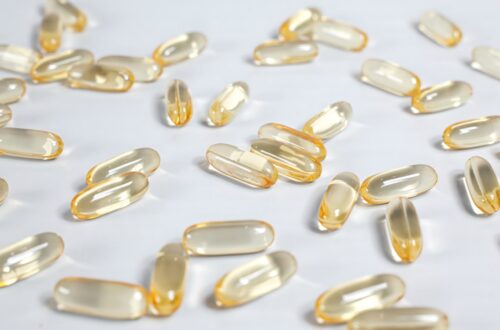
I start supplementing D3 in the first week of August, not October. Why? Because it takes 4-8 weeks for blood levels to stabilize after you start supplementing. If you wait until the days get short, you’re already playing catch-up while your immune system is under assault. I take a high-quality D3 combined with K2 — the K2 ensures calcium goes to your bones rather than your arteries, which matters far more than most people realize.
The brand my team and I have tested extensively is Sports Research Vegan D3+K2 with coconut oil — the plant-based softgel format absorbs well, and the coconut oil base improves bioavailability since D3 is fat-soluble. At roughly $20 for a two-month supply, it’s one of the cheapest insurance policies you’ll ever buy.
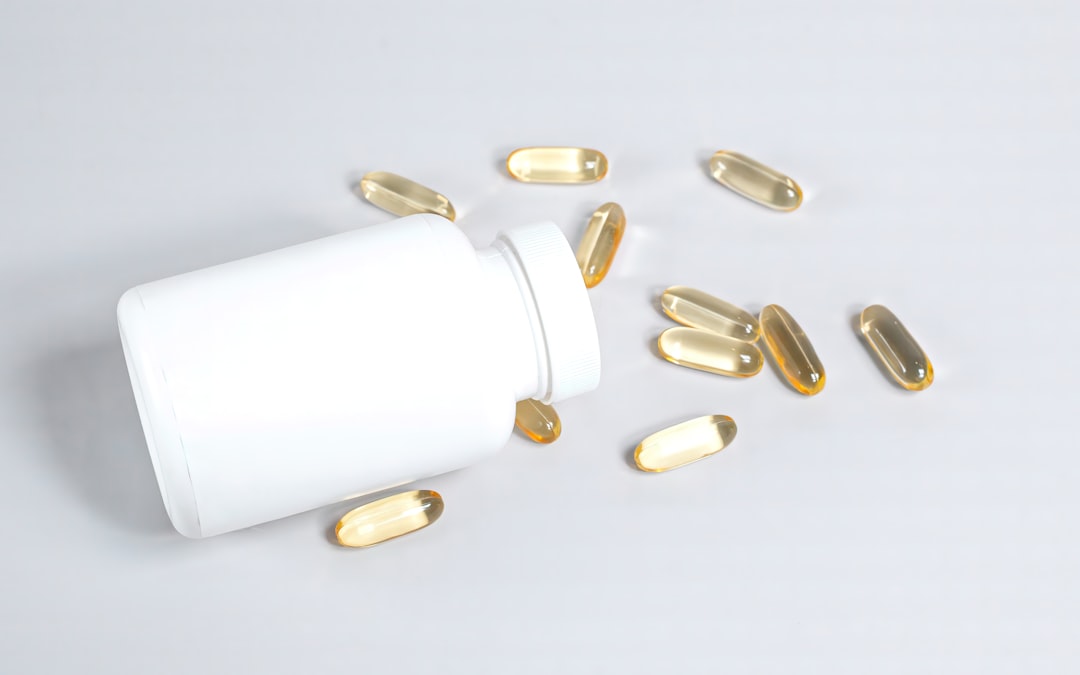
One thing I learned the hard way: don’t take D3 on an empty stomach. It needs dietary fat for absorption, so I pair mine with breakfast — usually eggs with avocado or a handful of nuts. My team ran blood panels on this protocol last year, and the difference in serum levels between the “with food” group and the “empty stomach” group was striking — nearly 30% higher absorption with a fat-containing meal.
The Gut-Immune Axis: Why August Is Prime Time for Probiotics
Roughly 70% of your immune system lives in your gut. That’s not a fun stat to drop at dinner parties, but it fundamentally changes how you should think about immune preparation. If your gut lining is compromised, your mucosal immunity — the first line of defense in your respiratory and digestive tracts — is compromised. Period.
Late summer is actually an ideal time to focus on gut health because you still have access to fiber-rich, in-season produce. Tomatoes, zucchini, berries, peaches — all of these feed the beneficial bacteria in your gut. But I also add a targeted probiotic during this transition window to give my microbiome an extra cushion before the dietary shifts that come with fall.
I’ve rotated through many brands over the years, and Physician’s Choice 60 Billion CFU probiotic with organic prebiotics remains my go-to. The prebiotic fiber is key — it’s essentially food for the probiotic strains, so they actually survive and colonize rather than passing through. I’ve written about postbiotics and gut health extensively before, but the short version is: if you’re going to invest in gut immune support, do it before cold season, not during it.
The Zinc and Vitamin C Combo I Never Skip
I can hear the eye rolls already. Zinc and vitamin C for immunity — groundbreaking stuff, Sophia. But stay with me, because the how and when matter far more than the what.
Most people start popping zinc lozenges when they’re already sick. That’s like bringing an umbrella after the downpour started. Zinc’s real power is in priming your immune cells — specifically T-cells and natural killer cells — to respond faster when a pathogen shows up. Studies show that zinc deficiency, even mild deficiency, can reduce T-cell function by 30-50%. And zinc status builds slowly over weeks.
I use Thorne Zinc Picolinate 15mg daily through August and September. The picolinate form has superior absorption compared to zinc gluconate or oxide, and Thorne’s quality testing is industry-leading. Fifteen milligrams is a maintenance dose — enough to support immune function without risking copper depletion, which can happen with high-dose long-term zinc use.
For vitamin C, I’ve moved away from cheap ascorbic acid tablets entirely. Liposomal vitamin C from Sports Research wraps the nutrient in microscopic lipid spheres that bypass the normal absorption limits of regular vitamin C. The difference in blood levels is dramatic — we’re talking 2-3x higher absorption. I take 1,000mg each morning, and I can genuinely feel the difference in energy compared to standard tablets.
Sleep Quality: The Immune Factor Nobody Talks About

Here’s a stat that changed my entire approach to seasonal wellness: a single night of poor sleep reduces your natural killer cell activity by up to 70%. Those are the immune cells responsible for fighting viral infections. One rough night, and your first-line defense is operating at 30% capacity.
The late-summer-to-fall transition is brutal for sleep. Temperatures fluctuate wildly — 85 degrees at 8pm, 55 degrees by 3am. Your body temperature regulation gets confused, and that disruption shows up in your deep sleep metrics before you consciously notice it. I spent years tracking this with clients on sleep optimization protocols, and the pattern is remarkably consistent.
Two things have made the biggest difference for me during this window. First, I run a cool-mist humidifier in my bedroom starting in late August. Indoor air dries out fast once the AC stops running and the heat hasn’t kicked in yet — that liminal period where neither system is active. Dry air irritates mucous membranes, which are your respiratory tract’s primary defense barrier. I use the Levoit Top Fill Humidifier — the 2.5L tank runs all night, it’s whisper-quiet at 28 decibels, and the top-fill design means I don’t have to flip anything over at 6am.
Second, I add magnesium glycinate before bed. Not a fancy sleep stack — just clean magnesium that supports both muscle relaxation and deep sleep architecture. Natural Vitality Calm Sleep capsules combine magnesium with L-theanine, which quiets the mental chatter that tends to spike when the seasons change. My Oura ring data consistently shows 15-20 more minutes of deep sleep on nights I take it versus nights I skip.
The Air Quality Upgrade That Changed My Fall Seasons
I didn’t fully appreciate indoor air quality until I started coaching clients with seasonal allergies. The transition from summer to fall brings ragweed, mold spores from damp leaves, and dust from heating systems firing up for the first time in months. All of these irritate your respiratory lining and keep your immune system in a low-grade state of inflammation — which means fewer resources available when an actual pathogen shows up.
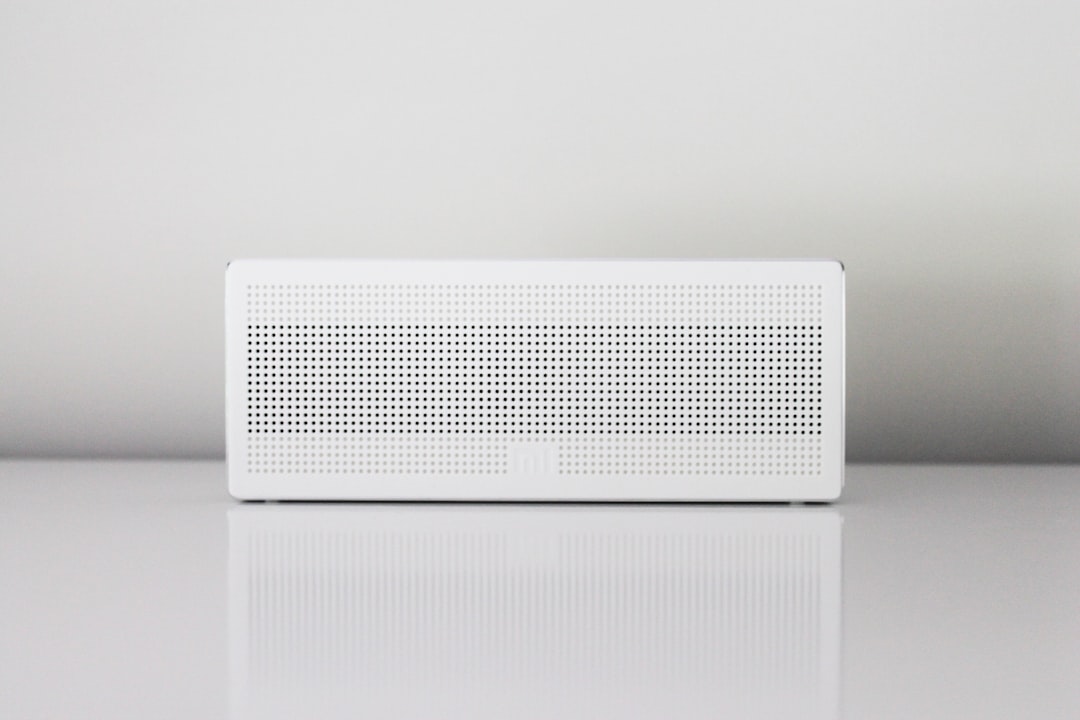
I keep a Levoit Core 300 HEPA air purifier in my bedroom from August through November. The H13 True HEPA filter captures 99.97% of particles down to 0.3 microns — that includes pollen, dust mites, mold spores, and most airborne bacteria. At under $100, it’s one of the highest-ROI wellness purchases I recommend. Clients who follow this upgrade consistently report fewer sinus issues, less morning congestion, and better sleep quality within the first two weeks.
Elderberry, Manuka Honey, and the Natural Remedies Worth Keeping
I’m not someone who dismisses natural remedies — quite the opposite. But I’m also not someone who throws every herbal tincture at my immune system and hopes something sticks. Over years of personal testing and client feedback, two natural options consistently earn their place in my August protocol.
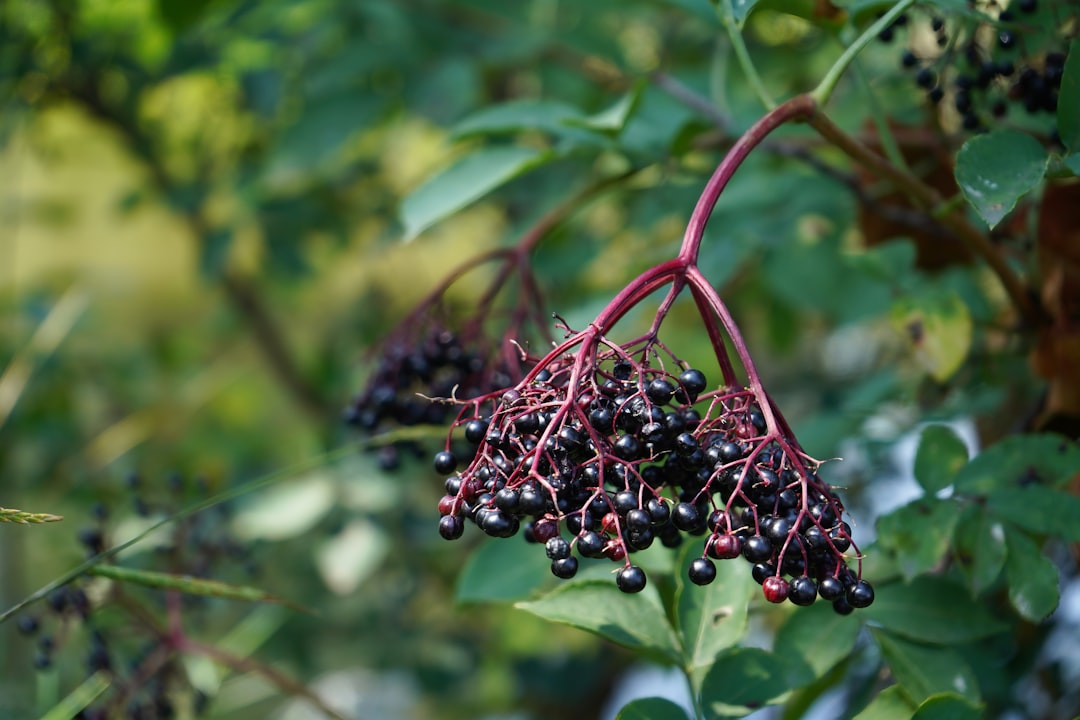
The first is elderberry. The research on elderberry and immune function is genuinely solid — multiple clinical trials show it can reduce the duration and severity of upper respiratory infections when taken prophylactically. I don’t take it year-round; I cycle it for 6-8 weeks starting in mid-August. My preferred format is Viva Naturals Elderberry with Vitamin C and Zinc capsules — it combines three of my core immune nutrients in one formula, which simplifies my morning routine considerably.
The second is manuka honey. I know, I know — $30 honey sounds absurd. But manuka honey contains methylglyoxal (MGO), a compound with demonstrated antimicrobial activity. A teaspoon in warm water or tea each morning coats the throat and provides a gentle antimicrobial effect that’s especially useful when the air gets dry. Manukora Raw Manuka Honey MGO 50+ is my daily-use jar — the MGO 50+ level is their maintenance potency, designed for daily support rather than acute use.
Hydration: The Unsexy Foundation Everything Else Rests On

I’ve written before about how my sweat rate test completely changed my hydration strategy, and that insight becomes even more critical during seasonal transitions. Here’s the thing most people miss: as temperatures drop, your thirst response dulls. You naturally drink less water in September than you did in July — but your body’s actual hydration needs barely change, especially if you’re still training.
I keep electrolytes in my water bottle from August onward. Not the sugar-bomb sports drinks from the gas station — clean, sugar-free electrolyte powder that supports cellular hydration. Ultima Replenisher electrolyte powder is my staple. The 90-serving canister lasts roughly three months, it has all six essential electrolytes without artificial sweeteners, and it makes drinking enough water genuinely enjoyable. My hydration consistency improved dramatically once I stopped forcing plain water and started giving my body minerals it could actually use.
The Bigger Picture: Consistency Over Perfection

If there’s one thing I want you to take away from this, it’s this: the goal isn’t perfection. It’s timing. The reason my August immune protocol works isn’t because I’ve discovered some secret combination of supplements. It works because I start before I need it. Every single layer — the D3, the zinc, the gut support, the sleep optimization, the air quality, the hydration — they all build on each other over 4-6 weeks to create a foundation that holds strong when cold season arrives.
My coach was right. You don’t wait for winter to prepare for winter. The work happens now, while the sun is still warm on your skin and the thought of catching a cold feels absurd. That’s precisely when it matters most.
So pick two or three things from this list — not all twelve. Start them this week. Give your body the runway it needs to build real resilience before the season shifts. And when October arrives and everyone around you is sniffling, you’ll understand why that quiet August window was the most important six weeks of your wellness year.




3 Comments on “The Six-Week Immune Protocol I Start Every August — Why Late Summer Is the Most Overlooked Window in Wellness”