
There’s a moment every August when my kitchen counter turns into a science experiment. This year it was three jars lined up next to the coffee maker: a tub of plain creatine monohydrate powder, a bottle of capsules, and a pouch of gummies that my teenage nephew keeps trying to raid when he visits. I’d been getting the same question from clients all summer — Sophia, are the gummies worth it? — and I finally decided the only honest answer required running the numbers myself.
What followed was three months of weighing, counting, label-reading, and yes, chewing. My team helped me track pricing across a dozen listings while I handled the daily ritual of actually taking each format. The results surprised even me, and I’ve been around supplement aisles since before some of these brands existed.
Why Format Suddenly Matters in 2026
Creatine used to be simple. You bought a tub of white powder, it tasted like nothing, you stirred it into juice and got on with your life. Then the wellness industry discovered that people who would never scoop powder will absolutely eat candy that happens to contain a clinically dosed supplement. By this spring, creatine gummies were everywhere — influencer launches, bright packaging, flavors like “raspberry lemonade” and “mango passion.”
Here’s the thing: the research on creatine itself hasn’t changed. It remains one of the most studied supplements in existence, with decades of evidence supporting 3–5 grams of monohydrate daily for strength, power output, recovery, and even cognitive perks under stress. What changed is the delivery. And delivery, it turns out, is where your wallet goes to die.
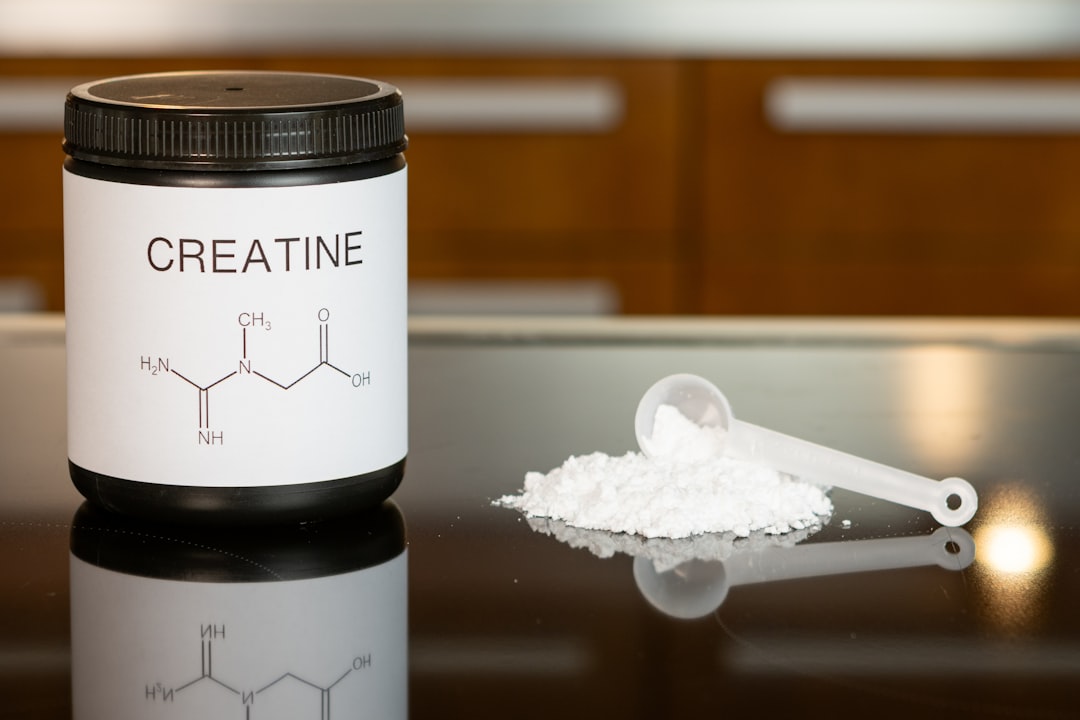
The format question isn’t trivial, though. The best supplement in the world does nothing sitting unopened in a cabinet. If gummies mean a client of mine actually takes her creatine every day instead of forgetting the powder exists, that consistency might genuinely be worth a premium. The question is how much of a premium — and that’s where the math gets ugly.
The Math Nobody Does Before Clicking Buy
My team pulled current pricing on the most popular listings in each format, and we calculated everything the same way: cost per 5-gram dose, since that’s the standard daily serving supported by the research. Some numbers wobble with sales and subscribe-and-save discounts, but the pattern holds shockingly steady.
Plain monohydrate powder — the boring tub, nothing added — lands somewhere around a quarter per serving. The Nutricost micronized monohydrate I kept on my counter runs about 100 servings per container, and the BulkSupplements 1-kilogram bag stretches even further if you’re buying for two people or a household of athletes. Even the brand-name Optimum Nutrition tub stays comfortably under fifty cents a day.
Now the gummies. Most popular gummy brands cost between one dollar and a dollar fifty per effective dose — and several require eating four to six gummies to get there, because each piece contains only a gram or so of creatine. Run that over a year of daily use and you’re looking at roughly $400 to $500 for gummies versus $90 to $120 for powder. I started calling it the gummy tax, and once I said it out loud, I couldn’t stop.
Capsules sit in the middle, but closer to powder than gummies. The catch is dose density: many classic capsule products deliver only 2.5 grams per suggested serving, so you’re swallowing a fistful of pills to hit the full five grams.
Powder: Ugly, Cheap, and Undefeated
Let me defend the humble tub for a moment. Micronized monohydrate dissolves in about four seconds, tastes like nothing, and slips invisibly into a smoothie, juice, or even coffee — yes, coffee, I’ve done it for years. There’s a reason every exercise physiology course I’ve ever taken defaulted to powder: it works, it’s cheap, and dosing is precise because you control every gram with your scoop.
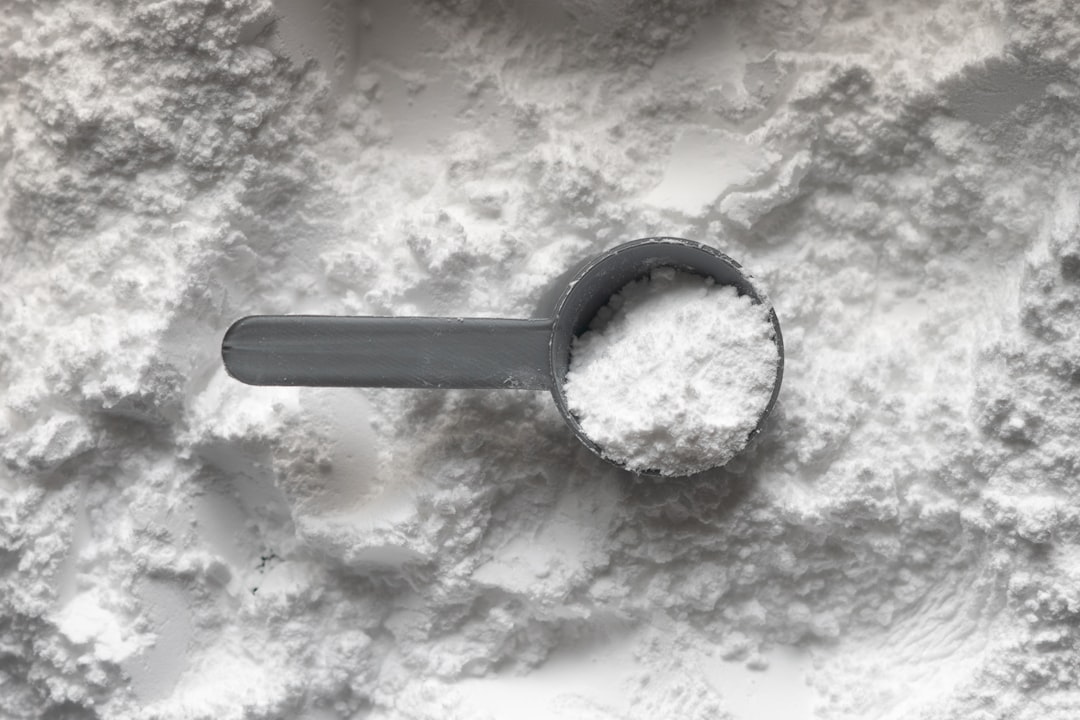
The downsides are real but small. Cheap, non-micronized powders can feel gritty. Traveling with a tub is awkward — I decant into a small container for trips. And if you’re someone whose kitchen routine is already maxed out, one more scoop-and-stir step might be the thing that breaks your consistency.
If you want the exact products I’d buy with my own money after this experiment: the Nutricost 500-gram tub for value, the Optimum Nutrition 1.32-pound container if you want the most recognizable name in the category, and the Force Factor micronized powder if you prefer pre-portioned stick packs for your gym bag.
Gummies: The Convenience Premium, Measured
I want to be fair to the gummies, because I genuinely enjoyed the month I spent on them. The Create brand monohydrate gummies that kicked off this whole experiment taste legitimately good, with no chalky aftertaste, and there is something absurdly pleasant about “taking your supplements” meaning “eating two mango chews after lunch.” My compliance that month was one hundred percent. I never once forgot.
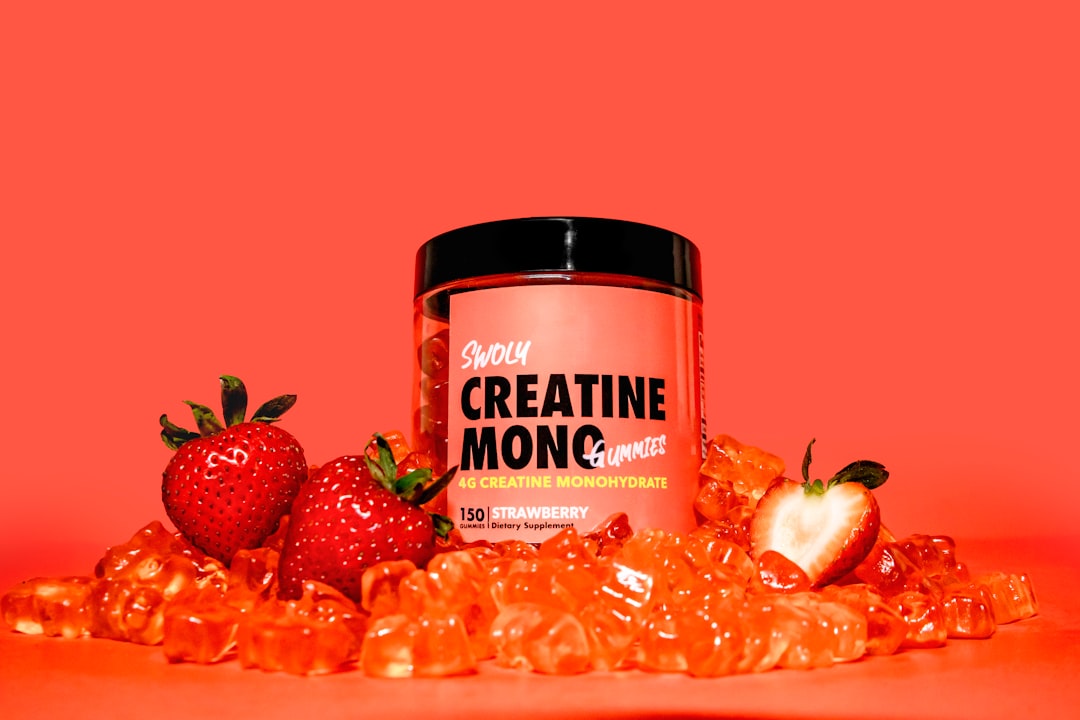
But the label details matter. Check the creatine per piece, not per “serving,” because some brands define a serving as one gummy containing a single gram. The Inner Brightness 5,000 mg gummies are one of the few that get you to a full clinical dose in a reasonable number of chews, and the version with L-carnitine and taurine adds a nice twist if you’re pairing creatine with longer endurance work. Just know what you’re paying for: texture, flavor, and habit-friendliness — not better results.
One more honest note from my kitchen: summer heat is not kind to gummies. I left a pouch in a hot car in July and came back to a single fused blob. Powder survives anything short of an open flame.
Capsules: The Middle Path Nobody Talks About
Capsules were the format I expected to hate and mostly didn’t. No taste, no mixing, precise pre-measured doses, and a bottle that travels better than either alternative. My testing month on the Optimum Nutrition micronized capsules was effortless — keep the bottle next to the coffee cups, swallow with breakfast, done.

The friction shows up in dose math and swallowing fatigue. Traditional capsules carry around 2.5 grams per two-capsule serving, which means four to six capsules daily to match what one scoop of powder delivers. Newer options like the Sports Research 5-gram capsules solve the density problem but at a price per gram closer to the gummies than the powder. And the Nutricost 500-capsule bottle is the budget workhorse if you’re content with a slightly lower daily dose — which, for many women and smaller athletes, is genuinely all you need. Body weight matters here; five grams is a general target, not a law.
The Dosing Trap Hiding on Every Label
Here is the part of this experiment that made me want to write the article in the first place. A client came to me proudly showing off her new gummy jar: “It’s got 5,000 milligrams right on the front!” I flipped it over. That 5,000 mg was per serving, and a serving was four gummies — but the front-of-jar marketing had trained her to think each gummy was dosed. She’d been eating one a day, getting maybe a gram and a quarter, and wondering why she wasn’t feeling anything after six weeks.
This happens constantly across all formats, and it’s the single most expensive misunderstanding in the supplement aisle. Whatever you buy, find the creatine-per-unit number, divide it into five grams, and that’s your real daily quantity. My team double-checked labels on a dozen products and found the same sleight of hand on at least four of them.
If you want a deeper dive into how I read supplement labels like a detective, my protein powder showdown from July covers the same principle with an even messier marketplace.
Three Months, Three Formats, One Honest Verdict
Did my training change across formats? Not meaningfully — and that’s the point. My lifts crept up all three months, my sprint intervals felt sharper by late July, and my recovery scores held steady. Creatine doesn’t care what package it arrives in; your muscles only recognize the molecule. That consistency is exactly why I keep creatine in my foundational recovery stack alongside the few other supplements that have survived twenty years of my skepticism.

The subjective differences were about life, not biology. Powder month required the most routine-building. Gummy month required zero willpower but real money. Capsule month split the difference and turned out to be my sneaky favorite for travel weeks.
And a note for the women who still ask me whether creatine will make them “bulky”: no. It makes your muscles hold water inside the muscle cells, which is precisely where you want it for performance and that trained, healthy look. I wrote about the mineral that quietly ran my recovery for months — you can read that story here — and creatine has earned the same permanent spot in my daily line-up.
How to Choose Without Overthinking It
After three months and a spreadsheet I’m mildly embarrassed by, here’s the decision tree I now give clients. If you’re budget-conscious and you already blend anything in the morning — smoothie, protein shake, even juice — powder wins, full stop. If you have a history of abandoning supplements that require any effort, and five extra dollars a week doesn’t sting, gummies are a legitimate tool; buy them proudly and ignore the purists. If you travel often or hate both mixing and chewing, capsules are your quiet middle path.

The format matters far less than the daily habit. Pick the one you’ll actually repeat tomorrow, and the one after that, and the one six Saturdays from now when you’re tired and it’s raining. That’s the whole secret. The rest — the flavor, the packaging, the influencer lighting — is marketing wrapped around a molecule that has been doing its job faithfully since long before any of these brands existed.
Buy the boring tub, or buy the candy, whichever keeps you honest. Just read the label first. Your wallet — and by next spring, your deadlift — will thank you.





One comment on “The Gummy Tax: What Three Months of Creatine in Every Format Taught Me About Smart Supplement Spending”