Every October, my clients start celebrating a little early. “Don’t forget,” someone will say at the end of a session, “we get an hour of sleep back in November.” They say it like they’ve won something. I used to nod along. Then I started actually looking at the data. That famous extra hour is the most oversold gift on the wellness calendar. The clock changes on Sunday, November 1st at 2 a.m. this year — but your body doesn’t read memos. Your liver, your hunger hormones, and the labrador who wakes you at dawn all run on the old schedule…

-
-
Somewhere around the second week of September, without fail, a text lands in my phone from at least one client: “I don’t know what’s happening. I’m crashing at 8:30 p.m. and my 6 a.m. run feels like someone snuck weights into my shoes.” Every single year. For a long time I chalked it up to back-to-school chaos or the mental exhale that follows a busy summer. Then I started paying closer attention to the calendar instead of the client, and the pattern became impossible to miss. Here’s what’s actually going on: we are in the steepest daylight decline of the…
-
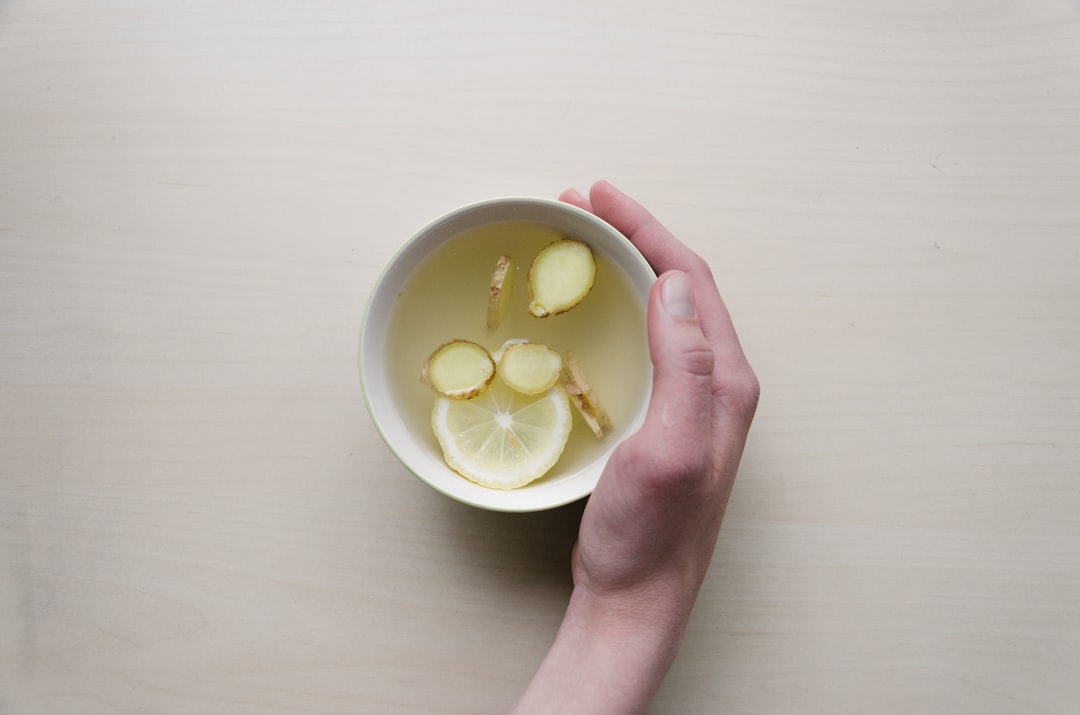
There’s a moment every evening around 8:47 p.m. when my kitchen goes quiet. The dishes are done, the laptop is closed, and the only decision left is what happens between now and lights-out. For years, that decision was nothing — I’d scroll, answer one last email, and wonder why my sleep scores looked like a roller coaster built by a toddler. Then I started building what my coaching team now affectionately calls “the 9 p.m. elixir,” and six weeks of wearable data later, I’m honestly a little annoyed at how simple it was. The drink itself takes four minutes to…
-
Let me set the scene. It’s a Tuesday night in July, my windows are open because the bedroom hits 80 degrees without the breeze, and my sister — visiting for the week — knocks on my door at 6 a.m. holding her phone like evidence at a trial. On the screen is a voice memo. Someone is snoring with the conviction of a foghorn. That someone, I learned in one horrifying second, is me. I’ve spent twenty years teaching people how to breathe better during workouts. Diaphragmatic breathing, nasal-only intervals, box breathing before competition. And apparently, for six or seven…
-
I have a confession that might surprise you. After twelve years of coaching, after testing every wearable, supplement stack, and recovery gadget that crossed my desk — the five habits that moved my health markers the most were embarrassingly simple. No cold plunge required. No $400 device. No supplement that tastes like damp cardboard. Just five boring, unglamorous, repeatable practices that I almost dismissed because they seemed too basic to actually work. My team and I spent the better part of this past spring pulling apart my last decade of training logs, sleep data, and bloodwork. We wanted to know…
-
I’ve been wearing some version of a health tracker on my body since 2009. Back then, it was a clunky pedometer strapped to my hip during track practice, and I thought it was sorcery. Fifteen years and roughly a dozen wearables later, I’m here to tell you that the war happening right now in smart rings isn’t about sensors anymore. It’s about which company built the brain that actually makes sense of all that data while you sleep. Seven days ago, Ultrahuman pushed something called the Emerald update to every ring they’ve ever sold. I woke up that morning to…
-
Every August, without fail, something shifts in the air. The light changes. The mornings get a hint of crispness that wasn’t there in July. My body feels it before my brain registers it — a subtle signal that the lazy, sweaty, endless-seeming summer is slowly winding down. And for years, I ignored that signal. I’d ride summer right into September, then wonder why I spent the first three weeks of fall fighting a sore throat and crushing fatigue. It took my track coach back in college — a woman who’d trained Olympians and had zero patience for my excuses —…