Every October my phone starts buzzing before sunrise, and this week was no exception. Monday it was a client of mine — a marathoner, a devoted side sleeper, famously chipper — texting me at 4:52 in the morning: “The neighbor’s truck started at 4:40. Again. I’m buying something TODAY. Tell me what.” I texted back one sentence and went to make coffee: pick your lane before you pick your gadget.
Because that’s the thing about the dark quarter. Daylight saving ends November 1, the sun quietly stops showing up for work, and every creak and rumble in your neighborhood gets louder simply because everything else gets stiller. I already walked my clients through the four-Sunday countdown to the clock change, and morning light got its own treatment when I spent thirty dark mornings with a sunrise lamp. This article is about the other half of the equation — noise, and the four very different kinds of hardware people throw at it.
Nearly every sleep fix on the market falls into one of four lanes: silicone you put in your ears, smart earbuds that mask sound, speakers you wear on your head, and masks that handle light. My coaching team and I just finished a month running all four lanes on four very different sleepers. One of them ends up balled up on the nightstand by week two. The data says which, and so do the text messages.
The Setup: Four Weeks, Four Sleepers, One Shared Spreadsheet
The lineup: me, a lifelong side sleeper with an ear canal that objects to basically everything; a hospital shift worker who sleeps at hours the rest of us consider theoretical; a client whose husband’s snoring has developed its own weather system; and a light-sensitive sleeper whose curtains might as well be tissue paper. Four lanes, four testers, four weeks of morning check-ins logged in a spreadsheet my assistant maintains with more discipline than I bring to my own training log.
We scored everything on four axes: comfort at 3 a.m. (the only comfort score that matters), partner tolerance, whether the fix survived into week three — we call it the nightstand test, because abandoned gadgets all end up in the same place — and whatever our sleep trackers reported in the morning. And we deliberately kept two boring controls in the running: a six-dollar pack of foam ear plugs and a twenty-dollar white noise machine, because sometimes the boring thing wins and I refuse to pretend otherwise.
Why week two? Because every sleep gadget ships with a honeymoon. Week one, you love it. Week two, you’re tired, it’s midnight, the thing is slightly annoying, and that’s when you find out what you actually bought. Compliance cliffs are the most honest data in this whole category.
Start at the Twenty-Five-Dollar Ceiling: Silicone
First lane: passive blocking. The Loop-style silicone ear plugs that have taken over every pharmacy end cap are the ones to know about — a stiff outer ring with a soft silicone tip that seals the canal without expanding, plus four tip sizes in the box, which matters more than any feature on the box. Inserted right (roll gently, pull the ear up and back, seat the ring flat), they knocked my client’s moderate truck-and-snoring mix down to a distant murmur. My shift worker, who used to buy industrial foam plugs in bulk, noticed something interesting: the foam blocked slightly more sound but pressed painfully into the pillow all night, so she kept abandoning them. Comfort, it turns out, is a noise-blocking feature.
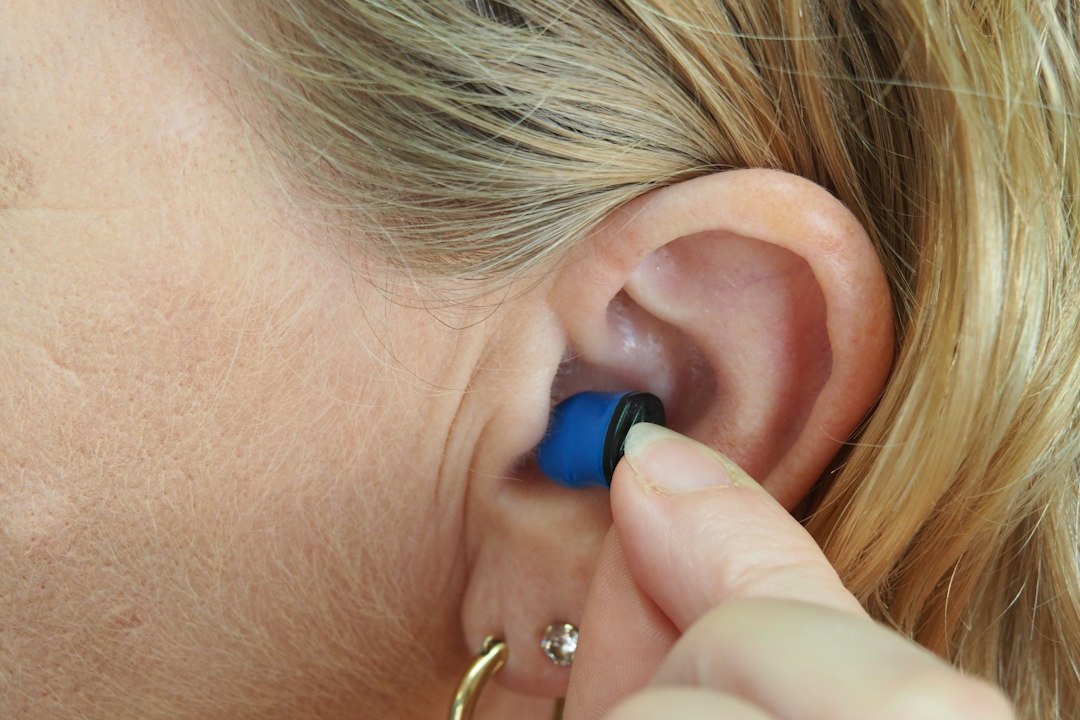
The honest limits: silicone can’t touch light, it can’t mask tinnitus or a racing mind, and a few of my testers found the total-silence feeling disorienting for the first few nights. If your brain treats silence as an invitation to rehearse tomorrow’s worries, passive plugs alone will disappoint you. They’re a fix for incoming noise, nothing else. That’s also why they’re the right first purchase — twenty-five dollars to find out which problem you actually have is the cheapest diagnostic in sleep.
The Two-Hundred-Dollar Question: Buds Built for Bed
Second lane: active masking. This is where the money lives, so let me be blunt about what you’re buying. The Soundcore Sleep A30 is the pair most people should start with — a tiny dual-tip bud with a mix of noise cancellation and an AI snore-masking mode that adapts the sound profile as the decibels next to you climb. Reviewers have made it the category favorite this year, and my month agrees, with one correction: the forums are right that “noise cancelling” on sleep buds is not headphone ANC. Nobody’s wedding-ring-sized bud erases a garbage truck. What actually works is the masking library — layered brown noise and rain profiles tuned to sit under the disruptive frequencies — plus alarms that reach you through the masking so you keep a wake-up anchor.
The premium end belongs to Ozlo Sleepbuds, built by the team that used to make Bose’s sleep buds, with an even lower profile that genuinely disappeared against my pillow. My shift worker tester called them the first buds she’s ever forgotten she was wearing — high praise from someone whose ear canals have rejected everything I’ve handed her since 2023. Both pairs need nightly charging discipline, and I’ll be honest about the ritual: buds live in their case, the case lives docked on the nightstand, and the masking profile you pick in week one is the profile you’ll still be using in March.
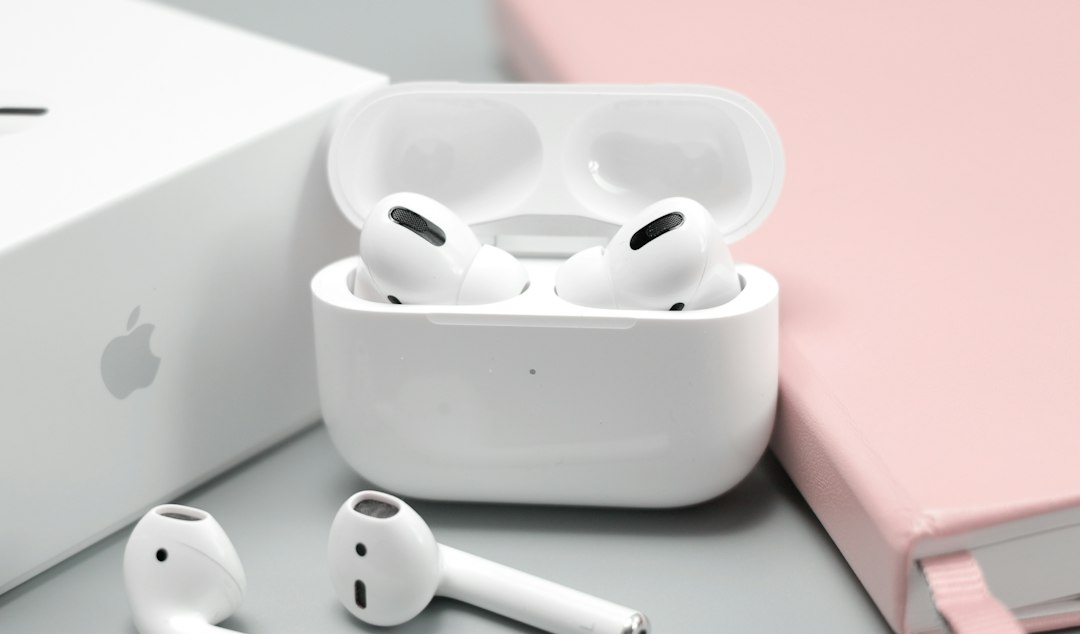
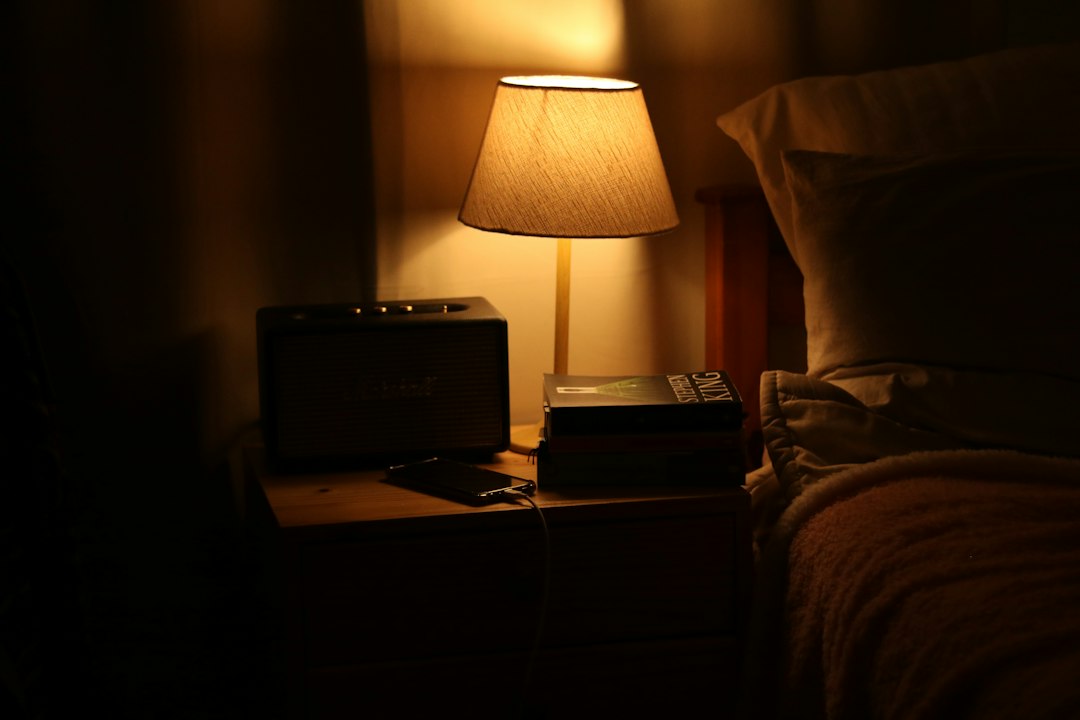
Wirecutter holds sleep headphones to a ten-hour battery minimum, and that’s the right standard — a bud that dies at 4 a.m. has just become the thing that woke you up. If you cannot imagine yourself docking a case every single morning the way you dock a phone, skip this lane entirely. Battery anxiety is a sleep destroyer of its own invention.
Nothing in the Ear: Speaker Masks and Headband Audio
Third lane: for people whose ear canals have retired from public life. A Bluetooth sleep mask or headband with flat speakers sewn in puts audio an inch from your ears without touching the canal itself — my pressure-sensitive tester called the feeling “like a hoodie for my skull.” For audiobook sleepers and podcast drifters, the concept is genuinely lovely: nothing in you, nothing pressing on you, sound arriving from the general direction of your pillow.
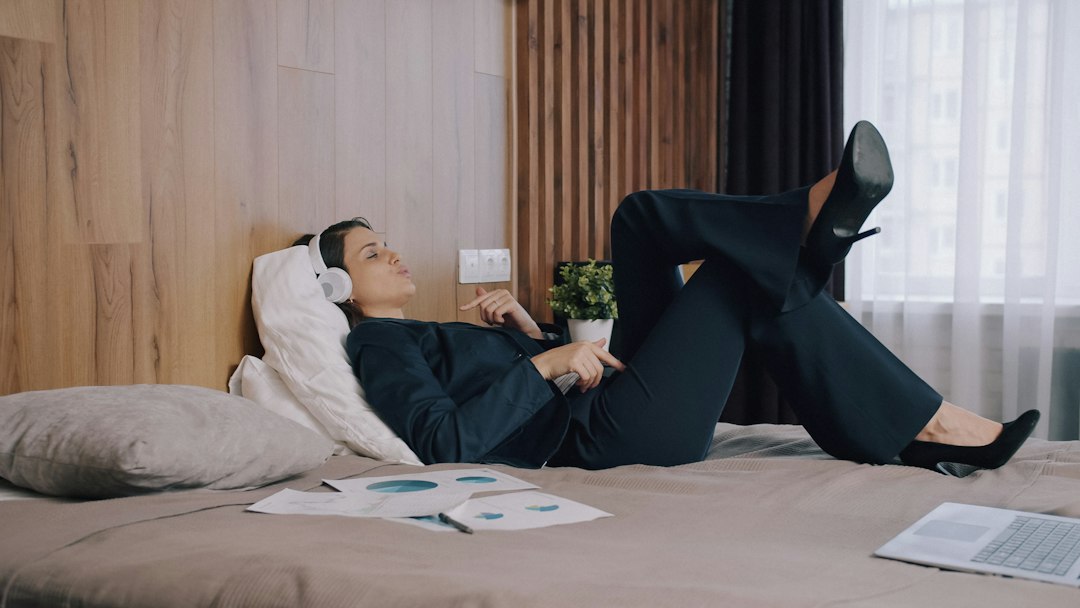
Now the honesty. This was the lane that failed the nightstand test. At masking volumes — loud enough to actually cover a snorer — the sound leaks, and partner tolerance collapsed in two of my four test beds by the second week. The control stole the show instead: a basic white noise machine on the nightstand delivered room-level masking with nothing worn, nothing charged on your face, and nothing to hand-wash. If your real goal is “outvote the noise without wearing electronics,” the twenty-dollar box beats the wearable almost every time. Keep the headband for audiobooks at low volume, not for battle.
The Other Half of the Problem: Light on Your Eyelids
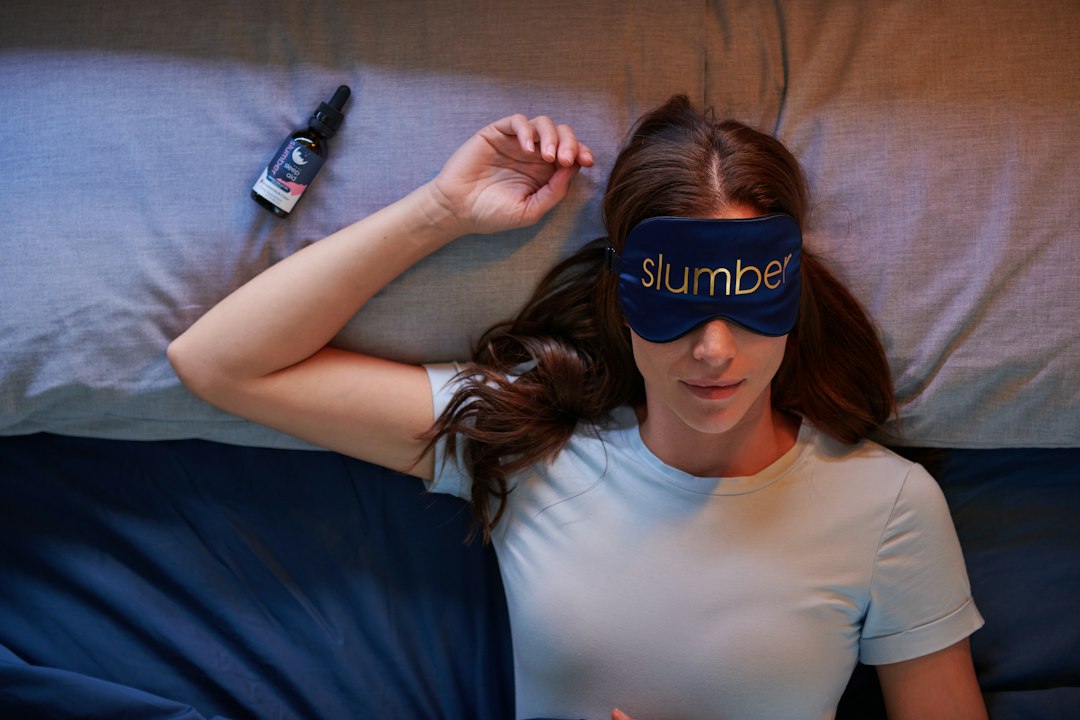
Fourth lane, and don’t skip it just because it’s the least technological: if you’re waking at 5:45 it may not be sound at all. The dark quarter cuts both ways — while mornings stay dark into November, a misaligned bedroom leaks streetlight and early sun at exactly the wrong angle. Flat airline masks fail side sleepers the same way every time: the strap shifts, fabric presses your lashes, and by 3 a.m. it’s a headband. Contoured cups fix this — the Manta-style adjustable mask with its perforated, breathable cups was the version my whole team kept stealing from each other, because zero pressure on the eyes means nothing to notice at 3 a.m.
Two specialty variants earned their spots. The weighted mask, with fine glass-bead filling, was the revelation for my anxious-sleeper tester — gentle uniform pressure across the eyes, the same logic as a weighted blanket, and she stopped mid-month reaching for it voluntarily. A mulberry silk mask is the pick for hot sleepers and anyone who cares about skin and hair — naturally cool to the touch, no cotton drag. And for the migraine-prone, a gel cooling mask you chill in the fridge does double duty as a cold-compress escape hatch. Light blocking costs so little that I now tell clients to treat it as mandatory equipment, not an upgrade.

What the Ring Said: Four Weeks of Mornings
So what actually moved the numbers? The biggest single-metric improvement in the whole trial belonged to the cheapest pairing: silicone plugs plus a contoured mask. My snoring-weather-system client gained thirty-four minutes of average nightly sleep with that combo — more than the two-hundred-dollar buds delivered for anyone, and at one-eighth the price. Meanwhile the speaker mask, my most-predicted winner going in, was the one balled up on the nightstand by week two in half the test beds. Sound leak, charging chores, and a hand-wash requirement will do that.
The split verdicts mattered too. The shift worker kept the premium buds — for someone sleeping at 1 p.m. against lawnmowers and garbage trucks, adaptive masking is worth every dollar. The light-sensitive sleeper kept the contoured mask and donated everything else. And no hardware in any lane replaced behavior: the testers who kept their wind-down drink ritual and consistent lights-out time out-performed the gadget-only sleepers in every week of the trial. Stack hardware on top of habits, not instead of them — that’s as true for mouth taping as it is for plugs and masks.
Match the Fix to the Sleeper
Here’s the decision framework I now hand out on a laminated card, because my team got tired of me repeating it:
- Your partner snores and you sleep on your side: silicone plugs plus a contoured mask. Twenty-five dollars to diagnose, sixty to fix. This is the pair to try first, full stop.
- Street noise, a ticking mind, or tinnitus: masking buds. The A30 for value, Ozlo if your canals reject everything or budget isn’t a factor. Dock the case every morning or don’t bother.
- Your ear canals have opinions: skip wearables at masking volumes. A room-level white noise machine does the job with nothing on your body.
- You wake at first light, not first sound: a contoured blackout mask — weighted if anxiety keeps you company, silk if you run hot, gel if migraines do.
- You fall asleep to audiobooks: the headband lane is genuinely delightful at low volume. Just don’t ask it to fight a snorer; that’s not the job.
Buy in This Order, and Know When to Escalate
My standing advice, in order: spend twenty-five dollars on silicone first, because it tells you what problem you actually have. Add the mask second — light is the cheaper half of the battle and almost nobody’s bedroom is as dark as they think. Move to buds third, and only after the cheap lanes have shown you their ceiling. Buy from somewhere with a real return window, wash whatever touches your face weekly, and replace foam and silicone tips on a schedule rather than when they get tragic.
And one flag I take seriously as a coach: if the snoring you’re masking involves gasping, pauses, or daytime crashes no gadget fixes, skip the nightstand entirely and talk to a doctor about a sleep study. No earbud made masks apnea — it just hides the sound of it. For everyone else, the dark quarter is winnable. Pick your lane before November 1, give it two honest weeks, and let the nightstand tell you the truth.