Every year, right around this week in late July, my phone starts buzzing. Texts from former college teammates. DMs from clients. A group chat someone resurrected at 6 AM with nothing but a race registration link and a single emoji — 🏁. It can mean only one thing: fall race season has officially opened for business, and if you haven’t started building your base yet, the window is narrowing fast.
I’ve lived through enough training cycles — first as a heptathlete who barely missed the Olympic qualifying standard by a margin so slim it still stings, and now as a coach for the past fourteen years — to know that the athletes who toe the starting line in October and November feeling prepared are the ones who laced up during the most uncomfortable part of summer. Late July through August is the grunt-work phase. The unglamorous miles. The Saturday long runs when the humidity sits at 90 percent and your shorts are soaked before you reach the end of the block. But this is also where races are won or lost, because this is where consistency is built.
So let me walk you through exactly how I structure the first six weeks of a fall training block — the gear that makes a measurable difference, the habits that keep you from falling apart in September, and the mistakes I’ve watched derail more promising seasons than I can count.
Weeks One Through Three: Building the Aerobic Foundation

The biggest misconception I see — and one I held myself for years — is that the start of a training cycle should feel hard. It shouldn’t. If your first three weeks feel like you’re grinding, you started too aggressively. The whole point of this phase is to build what exercise physiologists call your aerobic base: the network of capillaries, mitochondria, and metabolic efficiency that everything else stacks on top of. Think of it as pouring the concrete foundation before you frame the house.
For most of the athletes I coach, that means four to five runs per week, with 80 percent of the volume at a conversational pace. Yes, conversational. If you can’t speak in full sentences during your easy runs, you’re going too hard. I spent the first half of my twenties ignoring this rule because running slow felt like regression. Turns out, running slow is what made me fast — but only once I committed to it for more than a couple of weeks.
This is also the phase where your footwear decisions matter most. You’re about to put your body through hundreds of miles of impact, and the wrong shoes will compound every biomechanical flaw you have. I’ve been testing the Brooks Revel 8 on my easy days this summer — it’s a neutral daily trainer with enough cushioning for long miles but enough responsiveness that your legs don’t feel sluggish on pickup days. My rule: buy two pairs now, rotate them, and break in a fresh pair about three weeks before race day.
The Watch Question: What to Track (and What to Ignore)
I have a love-hate relationship with running watches that spans fifteen years and more models than I care to admit. When I first started coaching, I told every athlete that a basic stopwatch was all they needed. I was wrong. The data revolution in endurance training has fundamentally changed how we understand fatigue, adaptation, and recovery — but only if you know which numbers actually matter.
For fall race training, the three metrics I care about are pace, heart rate, and weekly volume. That’s it. Pace tells you whether your easy runs are actually easy (most people run them too fast). Heart rate confirms the effort is in the right zone. Weekly volume tracks whether you’re building sensibly or spiking too quickly — the classic mistake that leads to shin splints, IT band issues, and the knee pain that derails training plans in week six.
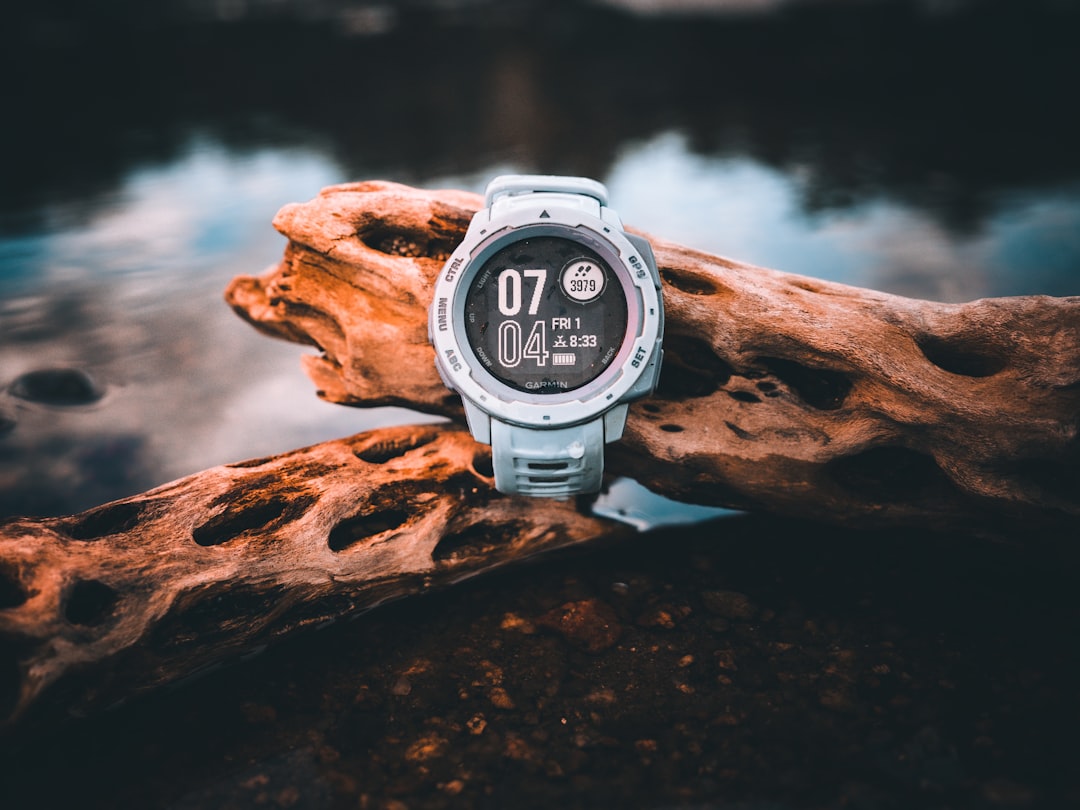
I’ve been wearing the Garmin Forerunner 165 for the past three months, and it’s the watch I now recommend to every runner who asks. It gives you GPS pace, heart rate zones, training readiness scores, and suggested daily workouts based on your recent load. It’s not the most expensive model — which I appreciate, because spending $700 on a watch won’t make you faster. Having clear, actionable data will.
Hydration: The Variable That Quietly Controls Everything
I’ve written before about how a simple sweat rate test completely rewired my hydration strategy, and nothing has changed my mind since. Most endurance athletes are chronically under-hydrated during training, and the problem gets worse in summer when you’re building base miles in conditions that sap moisture from your body faster than you can replace it.
The fix isn’t complicated, but it does require a shift in how you think about hydration. You don’t wait until you’re thirsty. You don’t chug water at mile eight and hope for the best. You carry fluids with you — every single long run, no exceptions — and you include electrolytes, not just water. Plain water without sodium will actually dilute your blood plasma and make you feel worse.
For runs over an hour, I wear a hydration vest. I’ve been using the INOXTO Running Hydration Vest for the past two seasons because it holds 1.5 liters, doesn’t bounce, and has enough pocket space for gels, keys, and my phone. For electrolytes, I drop sugar-free electrolyte powder sticks into one of the flasks — they’re high-sodium, which is exactly what you want when you’re sweating through a ninety-minute run in August humidity.
One of my athletes called me last week and said, “I didn’t realize how much dehydration was affecting my pace until I started carrying fluids.” That’s the comment I hear more than any other. The difference isn’t subtle. It can be 15 to 30 seconds per mile, sustained over an entire run.
Chafing and Skin Care: The Problem Nobody Talks About Until It’s Too Late
Let’s have an honest conversation about something that has ended more training cycles than most coaches will admit. Chafing is not a minor inconvenience. When you’re running fifteen miles in high humidity, the repetitive friction between skin, fabric, and sweat can create raw, open sores that make your next run genuinely painful — and in worst cases, infected. I’ve seen athletes miss two weeks of training because of a hot spot that turned into something ugly.
The fix takes thirty seconds and costs less than ten dollars. Anti-chafe balm on every area where skin meets skin or fabric meets skin — inner thighs, underarms, chest, anywhere a seam rubs. I use Body Glide Original and apply it before every run over six miles. Think of it as sunscreen for friction. You wouldn’t skip sunscreen, so don’t skip this.
Recovery: Where the Gains Actually Happen

Here’s the part of training that most recreational runners get completely backwards. You don’t get stronger during workouts. You get stronger during the recovery that follows. The run is the stimulus. The adaptation — the muscle repair, the capillary growth, the mitochondrial density increase — happens while you’re resting, eating, and sleeping. If your recovery is garbage, your training is garbage, regardless of how good your workout plan looks on paper.
After every training run, I spend ten to fifteen minutes on a foam roller. Not because it feels good — most of the time it feels like a tiny human is stabbing my IT band with a fork — but because self-myofascial release breaks up adhesions, improves blood flow to damaged tissue, and keeps your range of motion from collapsing under the repetitive load of running. I’ve used the same TriggerPoint Grid foam roller for years. It’s multi-density, which means you can control the pressure by rotating it, and it’s compact enough to travel with.
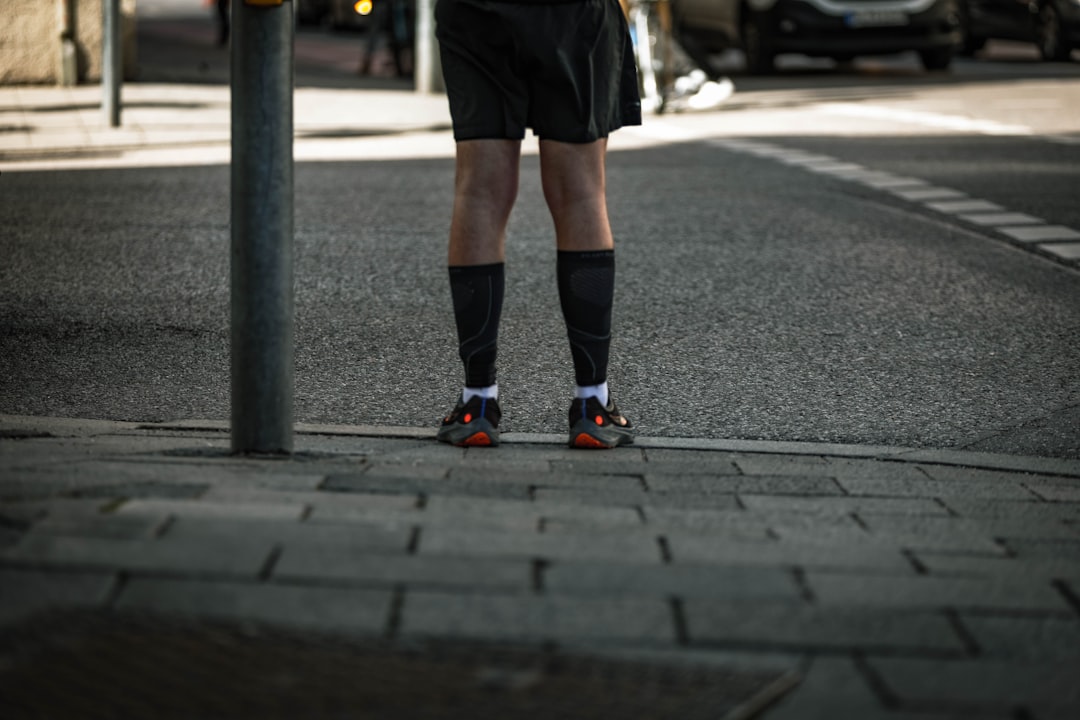
I also rely on compression during the hours after hard sessions. I wrote about the recovery tools that changed my routine earlier this summer, and compression gear earned a permanent place in my post-run protocol. I slip into FITRELL compression socks (20-30 mmHg) after long runs and keep them on for two to three hours. They improve venous return, reduce swelling, and help flush metabolic waste from your legs faster than passive rest alone.
For athletes who want something more aggressive, the CEP Core Run Tall Compression Socks are a step up in both compression level and price. I reserve those for post-workout wear — not during runs — because they’re designed specifically for recovery, not for the dynamic movement of running itself.
The Long Run: Respecting the Cornerstone

If there’s one workout that defines a marathon or half-marathon training cycle, it’s the weekly long run. This is where your body learns to burn fat as fuel, where your tendons and ligaments adapt to hours of repetitive impact, and where you rehearse the nutrition and pacing strategies you’ll use on race day. Skip your long runs, and you might finish the race — but you won’t race it.
The progression I follow — and the one I recommend to every athlete I coach — is to start your long run at whatever distance feels comfortable right now, then add one mile per week. If you’re starting at eight miles in week one, you’ll hit fourteen by week seven. That gives you enough runway to reach twenty to twenty-two miles for a full marathon, or twelve to fourteen for a half, with a three-week taper built in before race day.
The cardinal rule: your long run pace should be 60 to 90 seconds per mile slower than your goal race pace. I know it feels too slow. I know your ego will scream at you. But every elite coach in the country will tell you the same thing. The physiological adaptations you’re targeting happen at lower intensities. Running your long runs too fast just adds fatigue without adding benefit — it’s the training equivalent of burning money.
What I’m Doing Differently This Season
After twenty-plus years of training cycles, I’ve learned that the details matter less than the consistency. The athlete who runs four times a week, sleeps seven hours, eats enough protein, and foam rolls for ten minutes will beat the athlete who has the perfect plan but executes it inconsistently. Every time.
So my advice for late July is simple. Start now. Not Monday. Not when the weather cools down. Not when your new shoes arrive. Today. Lace up, run easy, carry water, and begin building the base that will carry you across a finish line this fall. The miles you log this week — slow, unglamorous, sweating through your shirt before mile two — are the ones that make race day feel like a celebration instead of a survival test.
And if you’re reading this thinking, “I missed the window” — you didn’t. For a November half marathon, you have fourteen weeks. For an October 5K, you have eight. The perfect time to start was three weeks ago. The second-best time is this morning. I’ll be out there too, grinding through the same humidity, reminding myself that September mornings feel incredible when you’ve put in the work.

Quick-Start Checklist for Fall Race Training
- Commit to a race. Pick a fall event this week — having a date on the calendar changes everything about your motivation.
- Get fitted for shoes. Visit a running store, get analyzed on a treadmill, and buy the pair that matches your gait. Rotate two pairs if you can.
- Set up your hydration system. Hydration vest plus electrolyte powder. Non-negotiable for runs over an hour.
- Protect your skin. Anti-chafe balm and sunscreen. Every run. No exceptions.
- Establish a recovery routine. Foam rolling, compression, protein within 30 minutes of finishing, and seven-plus hours of sleep.
- Track the right data. Weekly volume, average pace (are your easy runs actually easy?), and how your body feels. That’s it.
- Plan your progression. Add one mile to your long run each week. Back off every fourth week for recovery. Build the base first.
One last thing. I also wrote about how to train through summer heat without burning out — and those strategies apply double right now, because August is the hardest month of the year to build mileage. Read that one, layer on what we covered here, and you’ll have a complete roadmap from late July straight through to race morning.
See you out there. 💪