I spent two decades coaching athletes who could tolerate brutal training loads, and I still believe the biggest threat to most people’s health isn’t a missed workout — it’s the chair. The average desk worker sits for nearly ten hours a day, and no amount of evening exercise fully cancels that. So when walking pads started blowing up all over my feed last year, my skeptical coach brain had two simultaneous reactions: “gimmick” and “but the physiology is actually sound.” I let it marinate for months. Then, in July, my team and I decided to run the experiment properly — thirty days, a walking pad under my desk, business as usual otherwise. No extra workouts, no diet changes. Just slow walking while I worked.
Here’s what thirty days at roughly 2 miles per hour taught me about my body, my focus, and the quietly brilliant case for engineered movement.
Why I Stopped Laughing at Slow Treadmills
The concept backing walking pads is called NEAT — non-exercise activity thermogenesis — which is a fancy way of describing all the calories you burn moving around outside of intentional exercise. Standing, pacing, taking the stairs, folding laundry. For most people, NEAT dwarfs what they burn in a formal workout. A hard gym session might torch 300 calories in an hour; a day heavy in incidental movement can swing your total burn by 500 calories or more. I wrote about this last summer when I strapped two-pound wrist weights on for thirty days to test the same principle from a different angle. That experiment added noticeable tone to my shoulders. This one, I suspected, would attack the sitting problem directly.
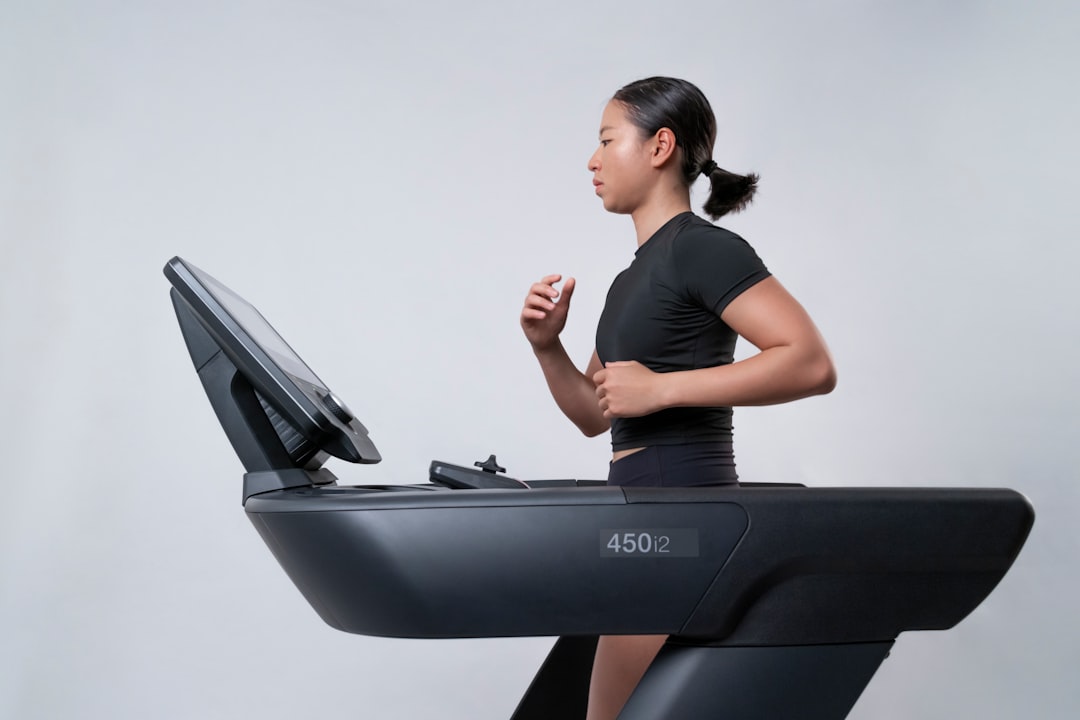
Slow walking — the 1.5 to 2.5 mph range — is the sweet spot. It’s fast enough to elevate your heart rate modestly and keep lymph moving, but slow enough that you can type, read, and take calls without sounding like you jogged to the phone. It’s also gentle on joints, which matters if you’re coming off years of sedentary work. The question was never whether the physiology works. It was whether the machines themselves were good enough to live with, and whether I’d actually keep using them after the novelty faded.
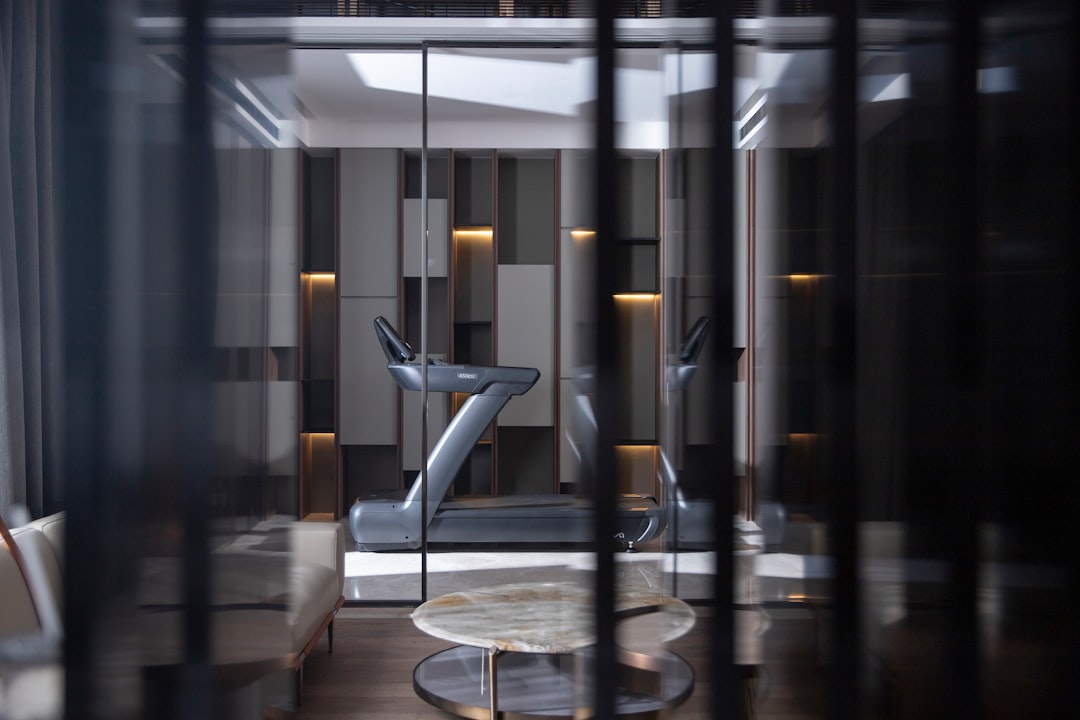
The unit I settled on for the main experiment was the UREVO Smart Walking Pad, which my team shortlisted after we compared belt width, motor noise, and how each model folded for storage. It arrived at 56 pounds, slid under my desk with two inches to spare, and — this sold me instantly — disappeared under the couch when I wasn’t using it. If a piece of fitness equipment has to live in your living room, it had better be able to vanish.
The First Week: Awkward Ankles and One Wet Keyboard
I’ll be honest about the learning curve, because every review that skips this part is lying to you. Typing while walking feels like typing on a moving train for the first two days. My mouse accuracy dipped. I deleted a comma-riddled email that looked like it was written during an earthquake. By day three, something clicked — literally. My ankles stopped micro-correcting, my typing speed returned to normal, and my body accepted the new floor as just… floor.
One genuine caution: keep liquids far from the desk edge during your first week. My poor keyboard survived a close call with a water glass, and my team still teases me about it on our group thread. A 32-inch standing desk converter saved the experiment entirely — my old fixed-height desk forced my arms into a shrug at walking height, and within an hour my traps were burning more than my calves. The converter let me dial in elbow height whether I was sitting, standing, or strolling at 2 mph.
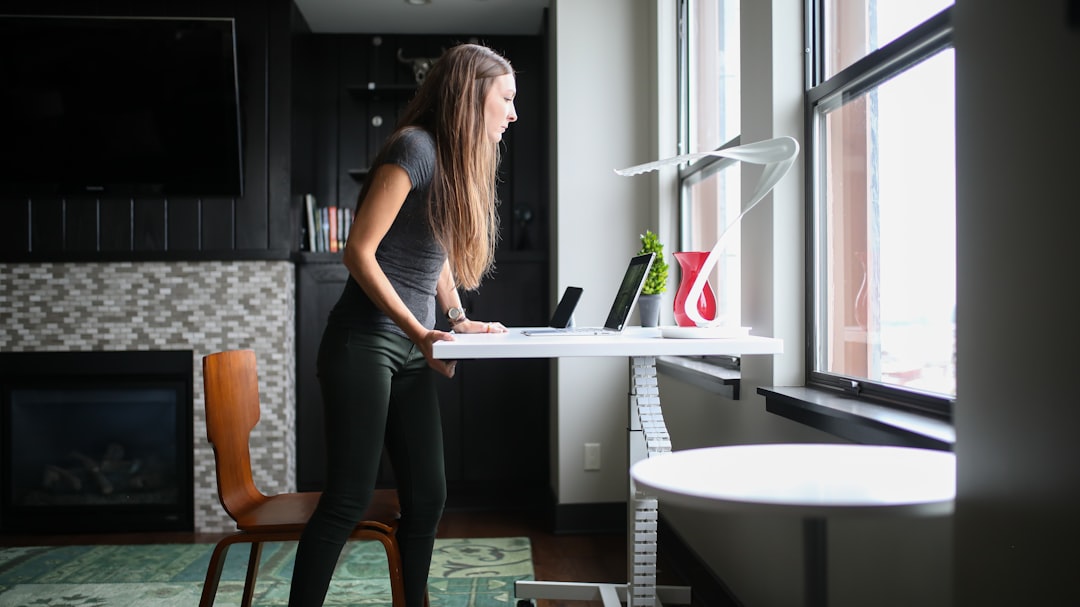
The desk converter matters more than most people realize. Walking posture and sitting posture demand completely different desk geometry, and if you cheap out on this piece, your neck and shoulders will file a complaint by Thursday. Mine lets me transition between modes in about three seconds, which removes every excuse to sit back down.
What the Data Said After Thirty Days
Numbers first, because I know my readers: I averaged 6,100 additional steps per day on workdays, without a single additional minute of “exercise.” My tracker logged an extra 210 to 260 calories daily, which over a month is meaningful. But the two metrics that shocked me weren’t step counts at all.
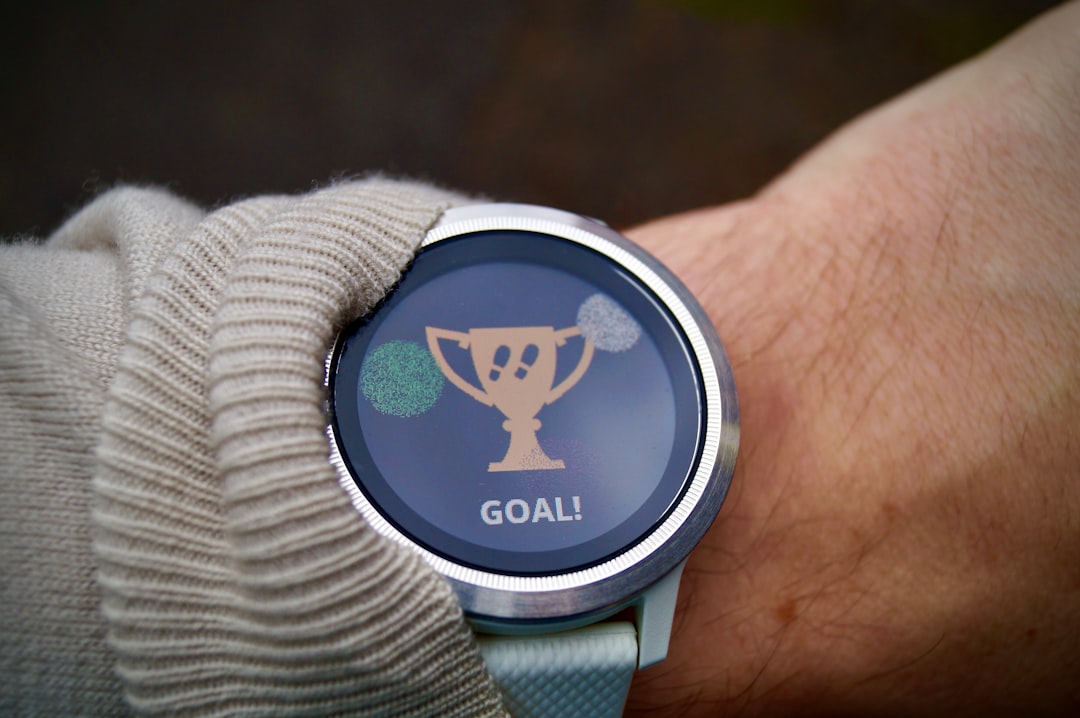
First: my afternoon energy crash vanished. You know the 2:30 PM fog that sends you hunting for coffee and carbohydrates? Mine just… dissolved around day eight. Blood sugar stays flatter when muscles are gently working all day, and that steady drip of movement kept me alert straight through the afternoon. Second: the low-back stiffness I’d carried since my heptathlon days — the kind I’d accepted as permanent — eased noticeably by week three. Gentle hip and spinal movement all day turned out to be better therapy than my old stretch-once-in-the-morning routine.
My focus data was messier but still positive. I did my deep, careful work seated or standing still, and saved walking time for email, calls, reading, and administrative tasks. That division felt natural by week two and is my honest recommendation: don’t try to write your novel at 2 mph. But answering forty emails while logging three miles? That’s a straight upgrade over doing it slumped in a chair.
What Actually Matters When You Buy One
My team and I stress-tested several units, cross-referenced our notes with Consumer Reports’ findings, and landed on a short list of features that separate the good machines from the landfill-bound. Consumer Reports rightly dinged many cheap pads for shoddy build quality, so this section is where you should pay attention.
- Motor quality over gimmicks. A brushless motor runs quieter and survives daily use far longer. The base under-desk model with remote control we tested for a backup workstation has been quiet enough to take calls over, which is the real-world noise test that matters.
- Belt length if you’re tall. Belts run roughly 35 to 41 inches. If you’re over about 5’9″, insist on the longer deck — a short belt forces abbreviated strides that will aggravate your hips. The folding walking pad with handle bar my team tested offers a longer belt plus a handrail option, which matters if balance is any concern for you.
- Incline if you want a fitness bump. Flat walking at 2 mph is intentionally easy. If you want more training stimulus without more speed, incline is the answer — the UREVO CyberPad’s 14% auto incline turns a stroll into a legitimate workout, and I use it for weekend “hikes” while watching race replays.
- Speed range flexibility. Most pads top out at 3 to 4 mph, which is fine — this isn’t a running machine. But a model with adjustable 0.6–4.0 MPH modes gives you a warm-up range and a brisk-walk ceiling in one unit, and the low end is genuinely useful for typing-heavy days.
- Folding design and weight. If it doesn’t slide under a couch or bed, you will stop using it by October. Non-negotiable.
The Accessories That Earned Their Keep
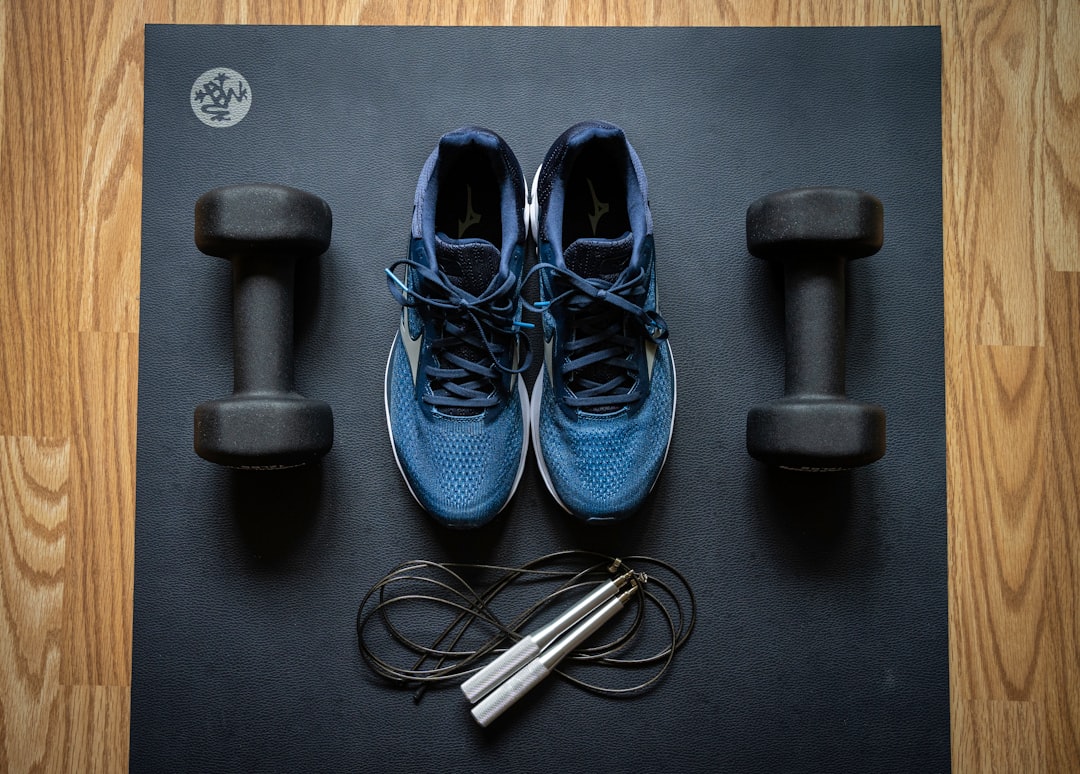
Three add-ons made the whole setup feel finished. A dense treadmill mat protects hardwood from scuffs and cuts vibration noise for downstairs neighbors — if you live in an apartment, this is not optional. It also keeps the pad from creeping across the floor mid-walk, which mine attempted twice before the mat went down.
Footwear was the surprise MVP. I started in slippers, developed Achilles tightness within a week, and switched to real cushioned shoes — problem gone by day two. I rotated the Brooks Ghost Max 3 for long walking days and the Skechers Max Cushioning Endeavour as my slip-on-and-go pair. Walking 20,000 cumulative steps a week in flat slippers is how people convince themselves their bodies hate walking. It’s not you — it’s your shoes.

Who Should Skip This Entirely
I’m a coach before I’m a reviewer, so here’s the honest filter. If you already log 10,000+ steps daily through your job or lifestyle, a walking pad adds marginal value — spend the money on recovery tools instead. If you have significant balance issues, uncontrolled blood pressure, or your doctor has restricted activity, this conversation happens with them, not with a shopping cart. And if you’re hoping a slow treadmill will replace strength training or real cardio conditioning, it won’t. It’s a NEAT multiplier, not a training program — one tier in a bigger pyramid that includes the modular home gym setup I built this spring.
But if you work from home, sit more than six hours a day, and feel that afternoon slump more often than you’d like — this is one of the highest-leverage changes I’ve tested in years. It’s also a fraction of the space and cost of the compact cardio machines I compared for a tiny apartment, and it folds into a category of its own because it multitasks with your existing workday.
Thirty Days Later, the Verdict

The walking pad stayed. It lives under my couch, comes out at 9 AM, and racks up miles while I’d otherwise be motionless. My resting focus is better, my back is quieter, and my tracker graph has a satisfying new staircase shape to it every weekday. My morning training hasn’t changed — I still get my dawn patrol sessions in before the neighborhood wakes up — but now the other eight hours of my day pull in the same direction instead of undoing them.
That’s the real story here. For twenty years I coached people to fight for one hour a day while ignoring the other twenty-three. The walking pad is the first gadget I’ve tested that quietly upgrades those other twenty-three hours without asking for willpower, motivation, or a single extra minute of your schedule. It’s not the sexiest fitness purchase you’ll ever make. It might be the most useful one.
Start with two hours a day at a pace where you can still hold a conversation. Keep a real pair of shoes by the desk. Give your ankles a week to stop being dramatic. And then watch what happens when your workday starts moving at two miles an hour — my inbox survived, my back finally exhaled, and I’d bet yours will too.