I have a confession that my coaching clients already know: I don’t trust any recovery tool until I’ve lived inside it. So when infrared sauna blankets started showing up in my feed — promising spa-grade heat therapy from the couch, for the price of a few months of gym dues — I did what I always do. I cleared my calendar, strapped on my favorite wearable, and told my team to hold me accountable for thirty consecutive nights of data. No vibes. No wishful thinking. Just sweat, spreadsheets, and a slightly bewildered cat.
The Setup: Why I Let a Sleeping Bag Cook Me for a Month
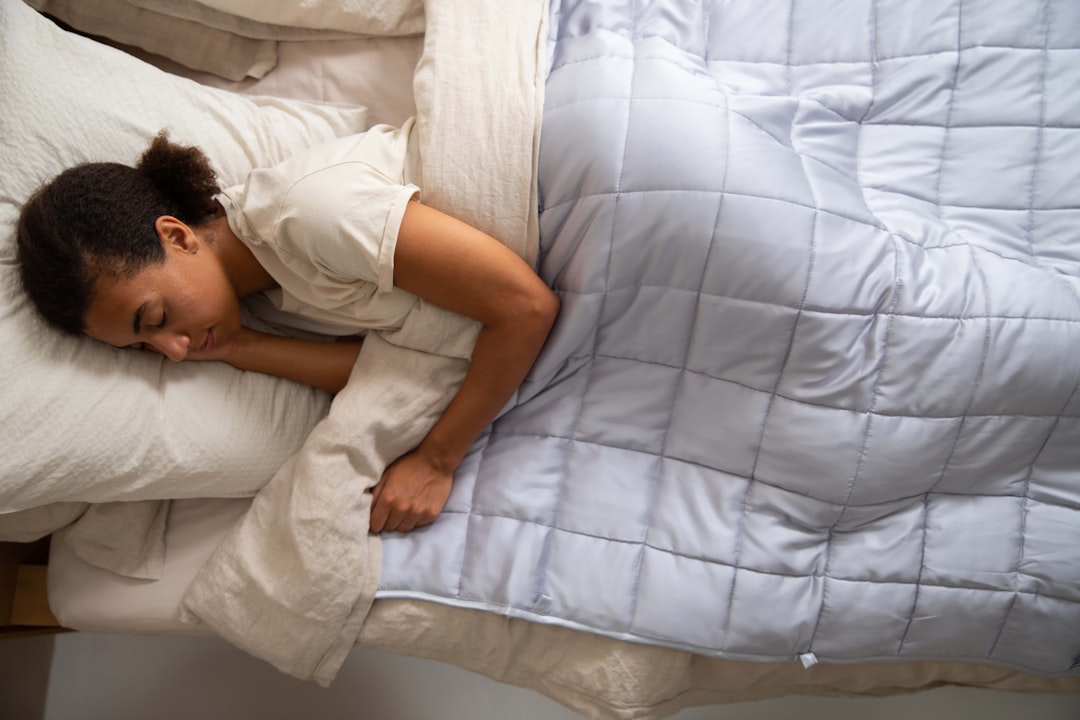
An infrared sauna blanket is exactly what it sounds like: a long, quilted wrap lined with carbon heating panels that warm your body directly rather than heating the air around you. You climb in, zip up to your chin, and lie there like a burrito with a power cord. The flagship option most people see first is the HigherDOSE Infrared Sauna Blanket, which runs around $699 and shows up on nearly every “best of” list for a reason — low EMF panels, nine heat levels, and a build quality that feels like it survived a durability test it wasn’t told about.
I’d already gone down the heat-therapy road once before when I set up a portable steam sauna in my bedroom and tracked thirty days of steam. That experiment taught me something valuable: moist heat and dry radiant heat are not the same animal. The steam tent felt like a workout; the blanket feels like a very warm hug that quietly does work in the background. That difference is exactly why I wanted the head-to-head data.

Thirty Nights, Three Metrics, One Very Warm Coach
Here’s the protocol my team and I settled on. Every session: 30 to 45 minutes, heat level five to seven, starting roughly ninety minutes before bed. Every morning: HRV, resting heart rate, and deep sleep minutes pulled from the same wearable I’ve worn for over a year, so the baseline was solid. I also logged subjective soreness on a 1-to-10 scale after my four hardest training days each week — because sometimes your legs know things your dashboard doesn’t.
One methodological note before the results, because I’d rather be honest than impressive: a single-person experiment is a case study, not a clinical trial. Wearables estimate — they don’t measure — and expectations alone can move how you feel. I ran a no-blanket baseline week first, kept training volume flat the whole month, and had my team sanity-check the numbers for anything that looked like a rounding error wearing a victory lap. Take all of this as one coach’s field notes, not gospel.
Week One: A Very Warm Confession
Night one was a comedy of errors. I lay on the floor like a beached seal, realized I’d forgotten water, unzipped, rezipped, and spent the last ten minutes wondering if humans were meant to feel like slow-roasted vegetables. Night three, something clicked. The heat stopped being something I braced against and became something I sank into. By the end of week one, my pre-sessions had a ritual quality that my nervous system started recognizing on sight — the unrolling of the blanket became a signal that the day was over.
Two accessories earned permanent status almost immediately. A cotton towel insert keeps sweat off the blanket’s interior, which matters more than you’d think — cleaning a sauna blanket interior is nobody’s favorite evening. The HigherDOSE towel insert is sized to fit the full length, though any long cotton towel in a pinch will do the job. And because I refuse to suffer needlessly, a contoured sauna headrest pillow saved my neck during the longer 45-minute sessions on the hardwood floor.
A few protocol notes for anyone copying this: start at heat level three for your first two sessions no matter how tough you think you are, because the warmth builds gradually and newbies routinely overshoot. Wear cotton — synthetics against hot panels can get unpleasant fast, and cotton breathes better anyway. Keep sessions to 30 minutes for the first week before creeping toward 45, and never fall asleep inside one; these devices have auto-shutoff timers, but treating a safety feature as a plan is how coaches earn cautionary tales. My team made me set a literal kitchen timer for week one, and I’m not too proud to admit it mattered.
What the Data Said at the Thirty-Night Mark
Deep sleep moved first and moved most. Compared to my baseline week, I averaged about 12 more minutes of deep sleep per night across the final two weeks — modest, but consistent enough that my team flagged it before I did. My HRV trended up roughly 6 percent over the month, which is within the range where I shrug and say “promising, not proof.” Resting heart rate barely budged. Soreness scores after heavy squat and hill-session days dropped from my usual 5-to-6 range down to 3s, and that’s the metric my legs voted for most enthusiastically.
The honest headline: the blanket didn’t transform me, and I’m suspicious of anyone whose data says it transformed them. What it did was nudge several recovery markers in the right direction at once, while replacing thirty evenings of doom-scrolling with thirty evenings of enforced stillness. As a coach, I’ll take that trade every single night. The stillness alone might be half the benefit — lying in a warm tube with both hands occupied by nothing is a rare thing in 2026.
The Accessories That Earned Their Spot in My Living Room
Sweating passively for 45 minutes sounds gentle until you’ve done it after a summer training session. Fluids aren’t optional. I keep an electrolyte mix within arm’s reach and sip before and after every session — I’ve been working through a Nutricost Electrolyte Complex Powder tub, and my team’s resident sweat-nerd prefers a sugar-free lemon raspberry electrolyte blend from Micro Ingredients. Pick whichever matches how salty your shirts get; the point is replacing what the blanket pulls out of you.
The surprise MVP was a wool sauna hat. It sounds like a gimmick straight from a banya brochure, but keeping your head cool while your body heats up genuinely extends how long you can comfortably stay in. I grabbed a handmade 100% wool sauna hat and now consider it non-negotiable, right up there with the towel. If your head overheats, sessions end early; if your head stays cool, the last ten minutes are the best ten minutes.
Blanket vs. Steam Tent vs. Cold Plunge: Picking Your Heat
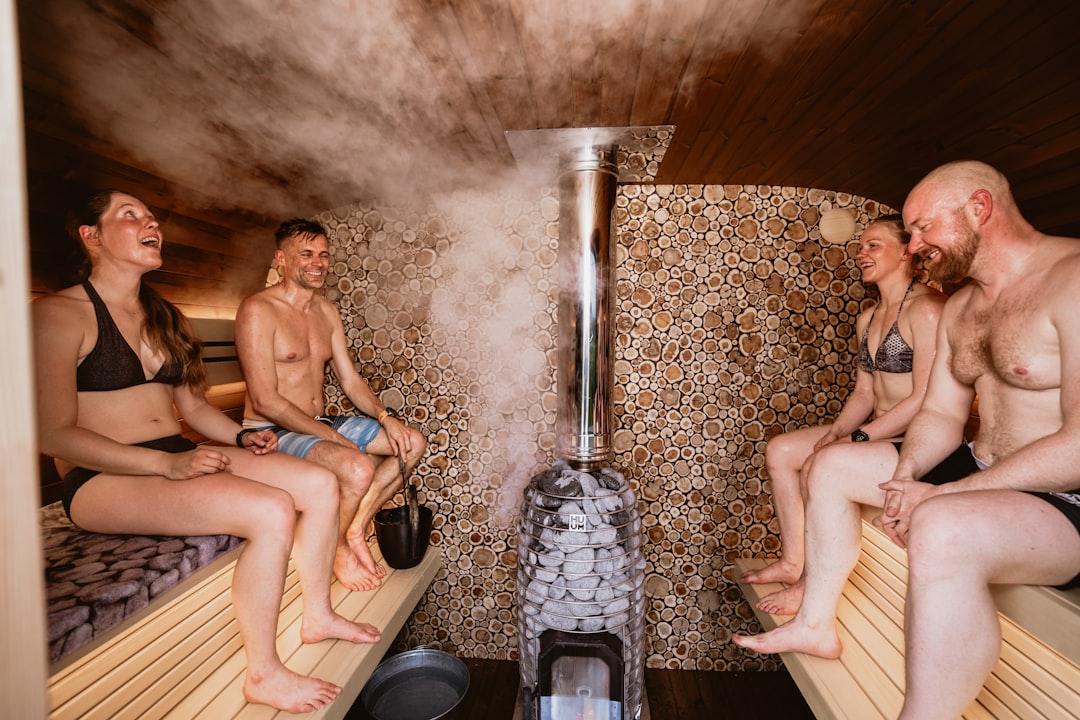
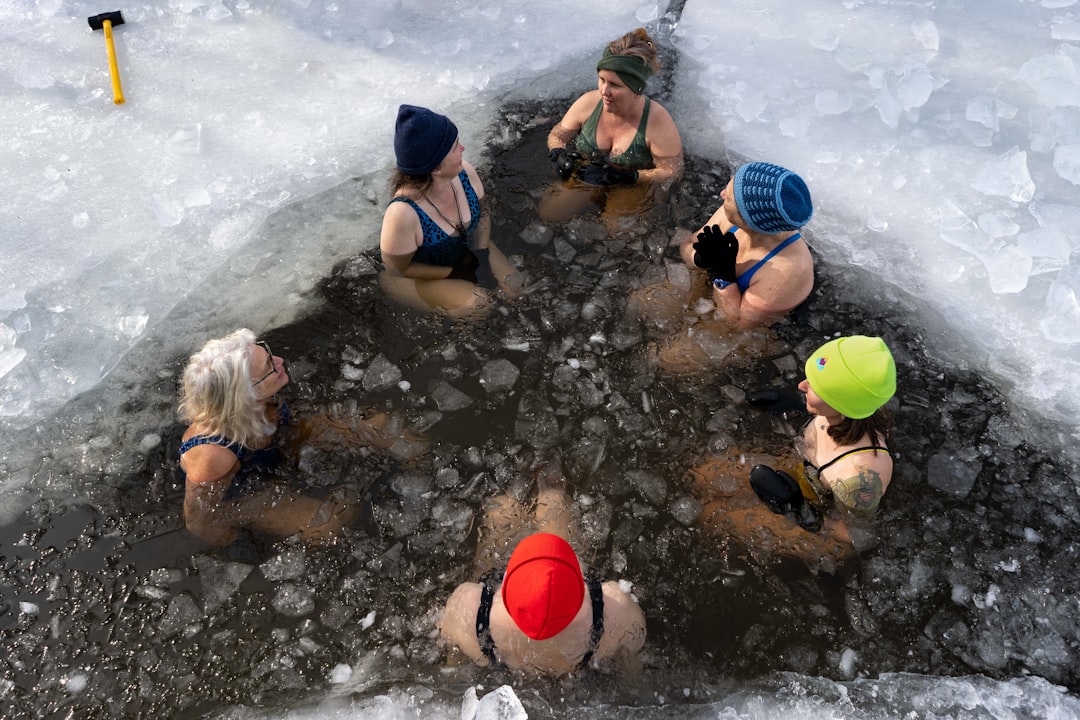
Since I’ve now run the wearable-data experiment on all three, here’s my current ladder of advice. If you love the ritual of steam and don’t mind a tent in your bedroom, the steam sauna route delivers the most intense sweat per dollar. If you want to feel like you’ve earned your recovery, the cold plunge still holds its crown for morning alertness — nothing on earth replaces that first 90 seconds of shock. And if you want to stack heat and cold affordably, contrast therapy has never been more portable.
The infrared blanket occupies its own niche: the lowest-effort entry into heat therapy that still produces real sweat. You don’t assemble anything, you don’t fill anything, and it stores under a bed. Beyond the flagship, two alternatives are worth knowing. The Lifepro RejuvaWrap hits a friendlier mid-range price with nine temperature levels and low-EMF marketing that held up in my team’s spec-checking, and budget hunters can find full-body sauna blankets under $150 that cover the fundamentals if you’re willing to accept a pluggier controller and less refined materials.
The Honest Case for Skipping It Entirely
Here’s the part most reviews won’t tell you: if your only complaint is one cranky shoulder or a stiff lower back, you don’t need a $700 full-body heat wrap. A good oversized far-infrared heating pad delivers targeted radiant heat to the exact spot that hurts, for a fraction of the cost and none of the laundry. I keep the PureRelief Pro XL infrared heating pad on my office chair, and between that and a good compression routine, most of my day-to-day recovery gets handled without unrolling anything.
The blanket earns its footprint specifically when you want the full-body, pre-sleep, nervous-system-downshift experience — not just pain relief. It’s a wind-down device that happens to sweat. If that’s not a slot you have open in your evening, save your money and spend it on a fan for your bedroom instead, because cool sleep temperatures moved my recovery numbers more than any gadget I’ve tested.
Who This Actually Belongs To
After thirty nights, my verdict lands like this: buy the blanket if you train hard, run cold, travel-adjacent-stiff, or simply want a forcing function for evening stillness — and if the idea of lying still for 45 minutes sounds like a reward rather than a punishment. Skip it if you’re heat-averse, pregnant, or managing cardiovascular conditions without a doctor’s sign-off; passive heating raises core temperature and heart rate more than people expect, and that’s not a “hack,” that’s a physiological load. Anyone with a medical condition should clear heat therapy with their physician before the first session — full stop.
Me? The blanket stays. My deep sleep likes it, my legs like it, and my cat has claimed the warm spot on top like a tiny supervisor. If you’re assembling the full evening ritual — insert, hat, pillow, electrolytes, the works — browsing sauna blanket accessories in one place saves the twelve-tab scavenger hunt my team and I endured. And if you try the thirty-night experiment yourself, track something. Because the blanket might not change your life — but knowing what actually moves your numbers? That habit absolutely will.