The text came in at 3:14 a.m. My client Dana — 48, marathoner, more disciplined than half the college athletes I’ve coached — had woken up soaked for the fourth night that week. Her smartwatch, meanwhile, insisted she’d logged “excellent sleep, 96% recovery.” She sent me a screenshot with three words: “Make this make sense.”
I stared at it for a long moment, because I’ve lived some version of that same mismatch myself. For years, the wearable industry built its algorithms around bodies that run like metronomes — predictable cycles, stable temperatures, textbook sleep architecture. Then perimenopause arrives and quietly rewrites every rule, and the gadgets on our wrists respond by grading us against a curve we’re no longer on. This season, that finally started to change, and my team and I have spent the past several months testing the new wave of hormone-aware devices with a small group of my 40-plus clients. Here’s what we found, what actually earned permanent spots on fingers and nightstands, and what still needs work.

When Your Watch Doesn’t Recognize Your Body
Here’s the pattern that pushed me down this rabbit hole. A client trains consistently for months, then her readiness score starts sliding from the 90s into the 60s. The app chirps about “training too hard.” Nothing about her plan changed — but her cycle did. Temperature swings, fragmented deep sleep, 2 a.m. wake-ups that the accelerometer reads as “light sleep” because she never fully left the bed. The device isn’t broken; it’s just scoring her against a population average that stopped describing her body a while ago.
One of my coaching colleagues calls it the invisible penalty. You get penalized in readiness and sleep scores for physiology the software was never taught to expect. And when you’re already exhausted and second-guessing yourself, a daily number telling you you’re “failing recovery” is the last thing you need. I’ve had more than one client nearly quit a training block she was thriving in because an app kept handing her red scores during a rough perimenopausal stretch.
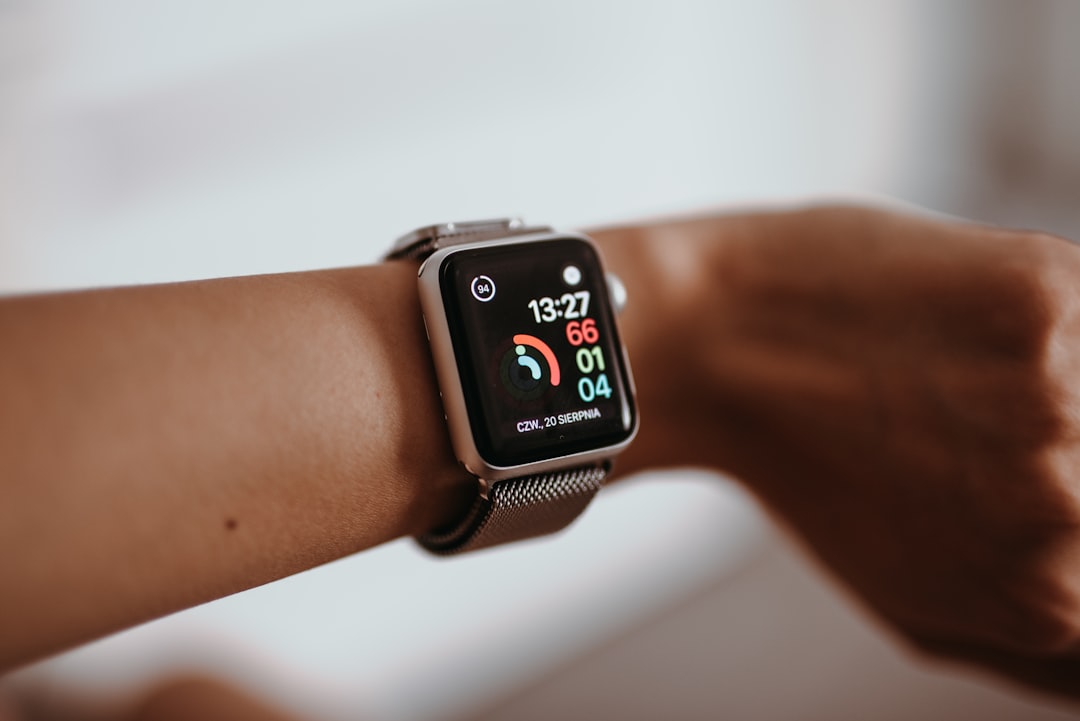
2026 Is the Year the Industry Finally Noticed
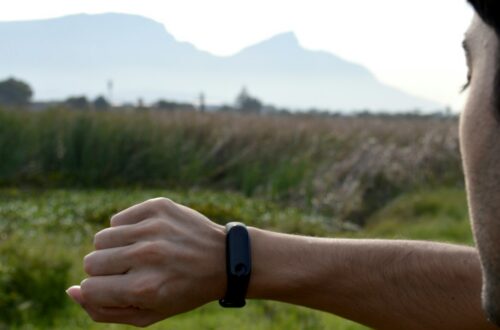
What a difference a product launch makes. In April, a company called Peri shipped the first wearable built specifically for perimenopause — a wristband that passively collects skin temperature, heart rate, and sleep data, then translates the mess into perimenopause-specific symptom insights instead of generic “wellness scores.” It caught a Best of CES nod back in January, and by summer, my inbox was full of clients asking whether it was the real deal. I’d call it promising rather than perfect, but the significance isn’t really this one device. It’s that for the first time, a mainstream manufacturer looked at 1.3 billion women worldwide heading toward or living through menopause and decided we were a market worth engineering for.
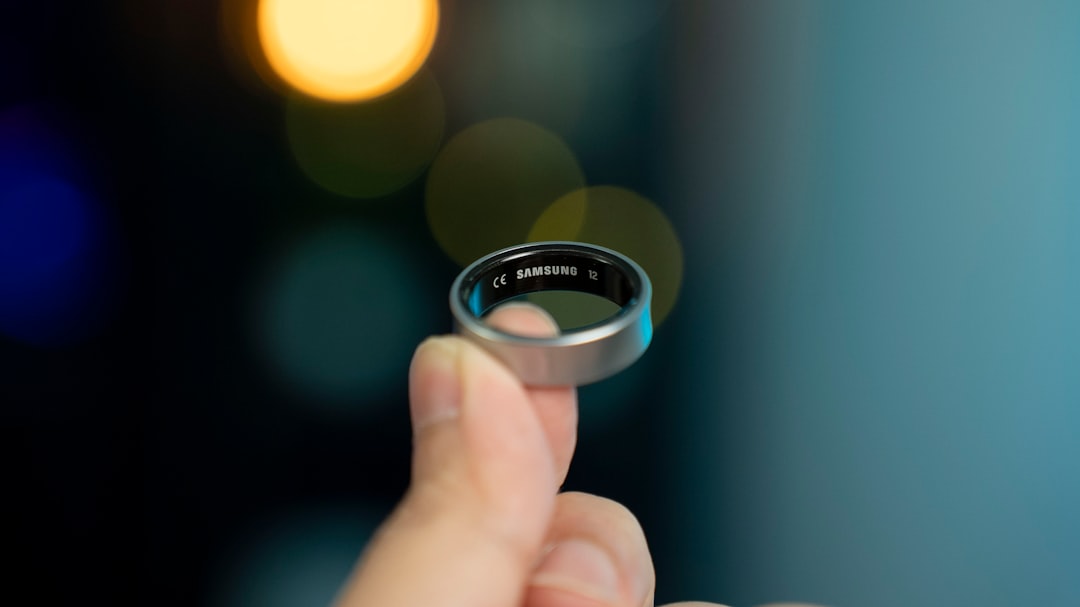
The bigger players moved too. The Oura Ring 5 rolled its women’s health tracking into genuinely useful territory this year, with perimenopause symptom logging, temperature-baseline trend charts, and — this is the part I love — a printable biometric report you can hand to your doctor. Google’s screenless Fitbit Air arrived in May as a quiet, glance-free tracker, a design philosophy I wrote about in my screenless wearable experiment — and while it isn’t hormone-specific, its gentle approach suits a season of life when you want information without judgment. Even Samsung doubled down, keeping the Galaxy Ring subscription-free, which matters when you’re already paying for, say, a specialist copay every few months.
The Rings We Wore All Season
My team and I put finger-worn trackers on eleven women between 42 and 56 for a twelve-week block. Rings won for a simple reason: they capture overnight temperature trends better than wrist devices, and night data is exactly where perimenopause announces itself. The Oura Ring 5 earned the best overall marks — the temperature trend line caught Dana’s night-sweat pattern a full day before she reported feeling them, and the cycle insights remained surprisingly usable even as her timing turned erratic, which is precisely when calendar apps fall apart.
The budget sleeper of the test was the femometer Ring Air. It’s feather-light, costs a fraction of the flagship rings, and leans hard into cycle and temperature tracking. Two of my testers with early perimenopause loved that it framed irregular cycles as data to observe rather than anomalies to panic about. If you want the hormone-focused features without the premium price, this is the one I’d point you toward. And for the watch loyalists in the group, the Garmin Lily 2 turned out to be the daytime companion that finally matched — it’s small, genuinely pretty, and tracks stress and sleep without screaming numbers at you all day. One client pairs hers with a ring at night and calls it her “committee of two.”
The Sensors That See What a Thermometer Misses
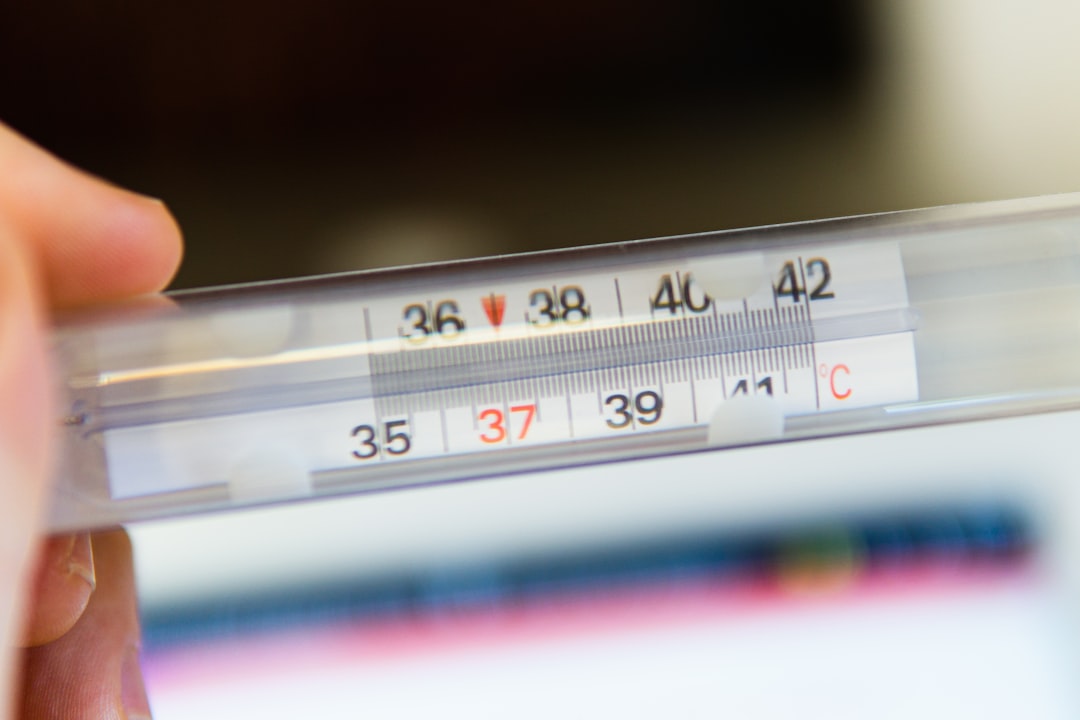
Before you spend anything, a science detour worth sixty seconds. Basal body temperature — the temperature-sensing method behind most hormone tracking — has been used for decades, usually by taking your temperature at the same moment every bleary morning. Wearables changed the game by sampling continuously overnight, which smooths out the noise from a restless night or a late glass of wine. The Tempdrop sensor, worn on the upper arm under a sleeve, remains the cult favorite here: it’s armpit-adjacent, algorithm-verified, and built by a company obsessed with exactly this one job. My perimenopausal testers found it clunky-looking but remarkably consistent, and it’s fully hormone-free tracking — no prescriptions, no chemistry, just physics.
The femometer Gen 1 ring takes the same continuous-temperature idea and makes it nearly invisible on the hand. One important honesty note for every device in this section: none of them are contraception, and none of them diagnose anything. Temperature tracking also can’t read through hormonal birth control, which flattens the very signals these sensors watch for. My rule for clients: use them to understand patterns, never to replace a conversation with a clinician who knows your history.
Because Data Won’t Tuck You Back Into Bed
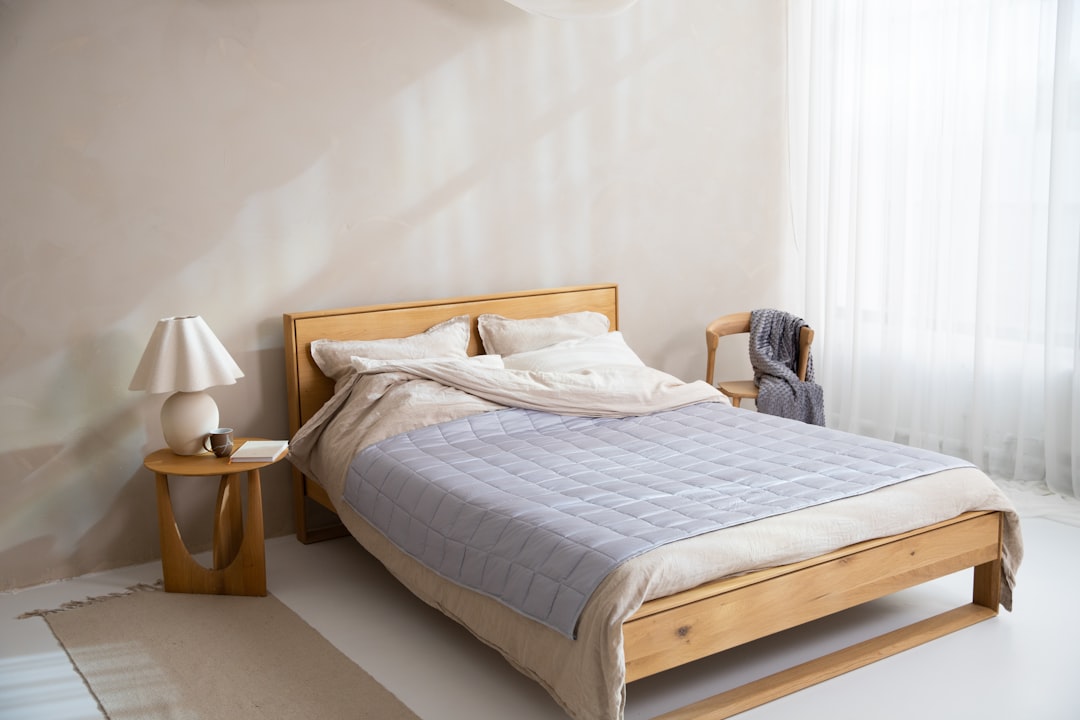
Here’s my coaching confession: knowing you had eleven hot flashes this week is only half the battle. The other half is sleeping through them — or at least falling back asleep after. So our test group spent as much time on the sleep environment as the sleep data. The upgrade clients raved about most wasn’t electronic at all: a genuinely cooling comforter. The Cozy Bliss seersucker cooling comforter uses a Q-Max-rated fabric that pulls heat away from your body on contact, and three testers said they stopped kicking the covers off entirely. If you want a plusher hotel-style option, the Bedsure all-season cooling blanket was the crowd favorite for the “I still want it to feel like a blanket” camp.
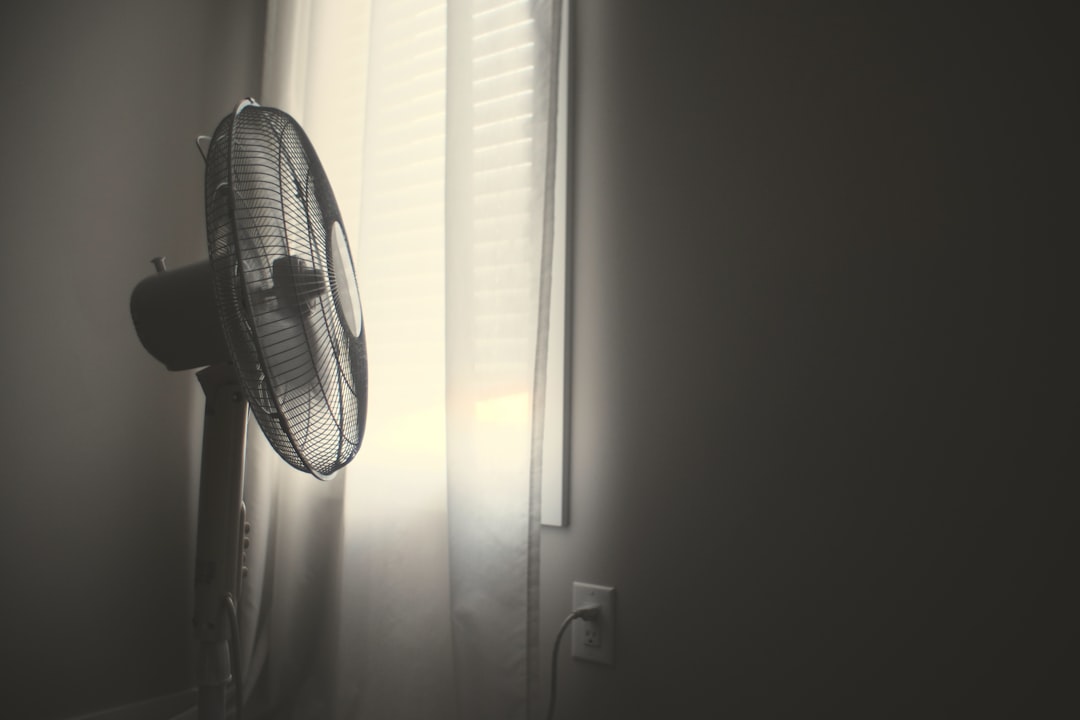
For the brutal nights, one client swears by the gadget I was most skeptical of: the boatsea cordless bed fan, a little rechargeable unit that slides under the sheets at your feet and pushes a whisper of moving air across the bed. I expected a gimmick. What I found instead was a clever answer to a real problem — the 3 a.m. furnace moment when you’d otherwise throw off every layer and wake your partner. Combined with our group’s four-minute wind-down drink routine, those small environmental tweaks moved sleep scores more than any supplement we tried.
How I Coach My Clients to Read These Numbers
Devices are easy. Interpretation is the skill. So here’s the playbook we landed on after twelve weeks, and it works whether you own one gadget or four. First: log symptoms alongside the biometrics. Temperature spikes mean one thing paired with a headache and another paired with a great night’s sleep — context is everything, and every device above has some form of tagging. Second: read weekly trends, not daily scores. Dana’s individual nights looked chaotic; her weekly average temperature told a clean, actionable story we could actually plan training around. Third: bring the export to your appointments. The Oura report, printed, turned one client’s dismissive ten-minute checkup into a genuinely productive conversation about her treatment options.
Fourth, and I whisper this one: stop chasing green scores. I wrote last month about how on-device AI is changing what these rings compute — but no algorithm yet knows what it feels like to be you. A red readiness day during perimenopause is information, not a verdict. And while we’re on vitals, remember that the number most wearables still can’t see is blood pressure — my home monitor showdown covers why that matters especially now.

What No Wearable Can Do for You
I want to be careful here, because the marketing around “women’s health tech” is getting loud, and loud marketing has never once cooled a single hot flash. These devices observe; they don’t treat. They can’t prescribe HRT, they can’t tell you whether your symptoms are perimenopause or thyroid or something else entirely, and they absolutely cannot replace the clinician who should be reading those exported reports alongside you. Heavy bleeding, new chest symptoms, mood changes that scare you — those are appointment reasons, not tracking reasons. What the technology can do is make you the most prepared patient your doctor has seen all week. That’s not a small thing; in my experience it’s often the difference between “let’s watch and wait” and “let’s actually do something.”
It can also give you back a sense of agency, which honestly might be the most underrated feature of all. Nearly every woman in our test group said some version of the same sentence by week ten: “I stopped feeling crazy.” When you can see the pattern on a chart — the temperature shift, the sleep disruption, the stress spike — you stop negotiating with yourself about whether it’s real. It is real. It was always real.

Where This Leaves Us
If you’re wrestling with this season of life and wondering where to start, keep it simple. One continuous-temperature device worn consistently beats four gadgets worn sporadically — the Oura Ring 5 if budget allows, the femometer Ring Air if it doesn’t. Add cooling bedding before you add supplements; it’s the highest satisfaction-per-dollar upgrade my whole test group reported. Track symptoms religiously, read trends weekly, and print everything before your next appointment. And if a score on your wrist ever makes you feel like a failing version of your younger self, remember that the algorithm is the one catching up to you — not the other way around.
Dana, by the way, is sleeping through most nights now. Her watch still occasionally hands her a baffling score, but she’s stopped letting it have the last word. Last week she PRed her half marathon time for the year. The chart on her phone says the nights were rough for a while. The medal on her wall says she outlasted them.