Renee walked into my studio last spring with a marathon medal in her tote bag and a bone density report that read like a rejection letter. Fifty-four years old, twenty-plus years of distance running, yoga three mornings a week, a garden she tended better than most nurseries. Osteopenia. She handed me the scan, folded her arms, and asked the question I’ve now heard a dozen times in my coaching career: “How? I do everything right.”
Here’s the uncomfortable answer. She did do everything right — for her heart, her hips’ range of motion, and her sanity. But her skeleton had spent two decades receiving the same polite, predictable force in the same polite, predictable dose, and bone doesn’t respond to polite. Bone responds to loud.
I’ve spent the past few years rebuilding how my team and I program for clients over forty, and almost all of it traces back to one idea that deserves a bigger audience: bone is not scaffolding. It’s not the rebar behind the wallpaper of your body. Bone is a verb. It is being built and demolished every single day of your life, and the foreman on that job site only keeps the crew building when the work demands it. This is the story of what actually demands it — the research that flipped my old advice on its head, the gear that earns space in my clients’ closets, and the week I now hand to anyone who wants a skeleton that shows up for them at eighty.
Your Skeleton Is Listening (And Taking Notes)
Two kinds of cells run your bone economy. Osteoblasts deposit new tissue; osteoclasts dissolve old tissue and recycle it. From birth until roughly age thirty, the builders outpace the demolition crew and you bank bone like savings — that’s your peak bone mass, and it’s the account you’ll draw down for the rest of your life. After thirty-five or so, the balance slowly tips the other way. Then menopause arrives and estrogen — one of the foreman’s best supervisors — walks off the site, and the losses accelerate from a gentle one percent a year to as much as several percent in the worst windows.
What stops the demolition crew from over-clearing? Force. Mechanobiologists call the principle Wolff’s law, and the modern update — Harold Frost’s mechanostat theory — adds the crucial detail: bone only remodels in response to strain that is heavy, fast, or novel enough to exceed what it already tolerates. A leisurely walk loads your spine at roughly one times body weight — force your skeleton has already dismissed as background noise. Swimming and cycling barely register at all. Yoga delivers stretch, not shock. Renee wasn’t failing her bones through neglect. She was feeding them a whisper when they can only hear a shout.
My team ran the numbers on her training log and found twenty years of beautiful, consistent, sub-threshold stimulus. Every week looked exactly like the last. Her muscles had adapted. Her heart had adapted. Her bones had adapted by doing the one thing bone does when nothing new arrives — downsizing.

And here is the part I make every client repeat back to me: this tissue still responds at any age. The remodeling crew never retires. The signal just has to be worth their time.
The Heavy-Lifting Trial That Rewrote the Rulebook
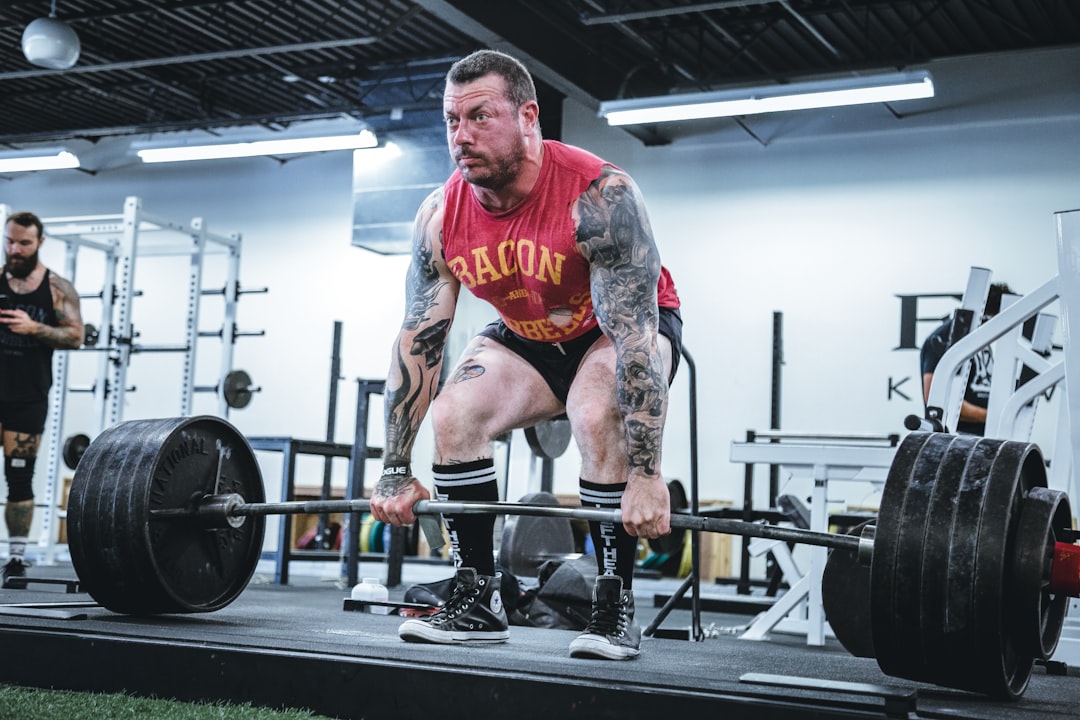
For decades, the standard advice for low bone mass was almost poetic in its caution — walk, swim, lift light weights for lots of repetitions, and above all avoid strain. Then came LIFTMOR, a randomized controlled trial out of Australia that I consider required reading for anyone who trains women over forty. The researchers took postmenopausal women with osteopenia and osteoporosis — the exact population the old rules told us to wrap in bubble wrap — and prescribed the opposite: deadlifts, back squats, overhead presses, and jumping chin-ups performed at 80 to 85 percent of one-rep max, twice a week, thirty minutes a session, under supervision.
Eight months later, the heavy-lifting group had measurably increased bone density at the lumbar spine and femoral neck — the two fracture sites that matter most — while the comparison group doing standard low-intensity recommendations continued losing bone. Function improved. Posture improved. And the fracture count in the lifting group? Zero. Heavy loading didn’t break these women. It was the first thing in years that actually built them up.
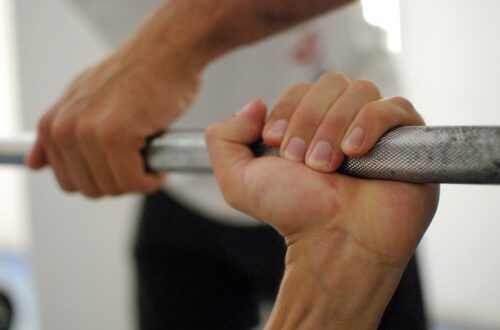
You don’t need a research lab to apply it. What you need is progressive resistance — genuinely challenging loads that climb over time — plus a setup that lets you perform the big movements safely at home. A 105-pound barbell set with threaded grips is the entry point I recommend to most beginners, because the weight climbs in small honest increments as your form earns it. When clients are ready to graduate, a pair of BowFlex SelectTech 552 adjustable dumbbells covers pressing, rowing, hinging, and carrying from five to fifty-plus pounds per hand without eating a whole room — I wrote about that swap in the ninety-minute weekly strength dose that runs most of my adult programming now.
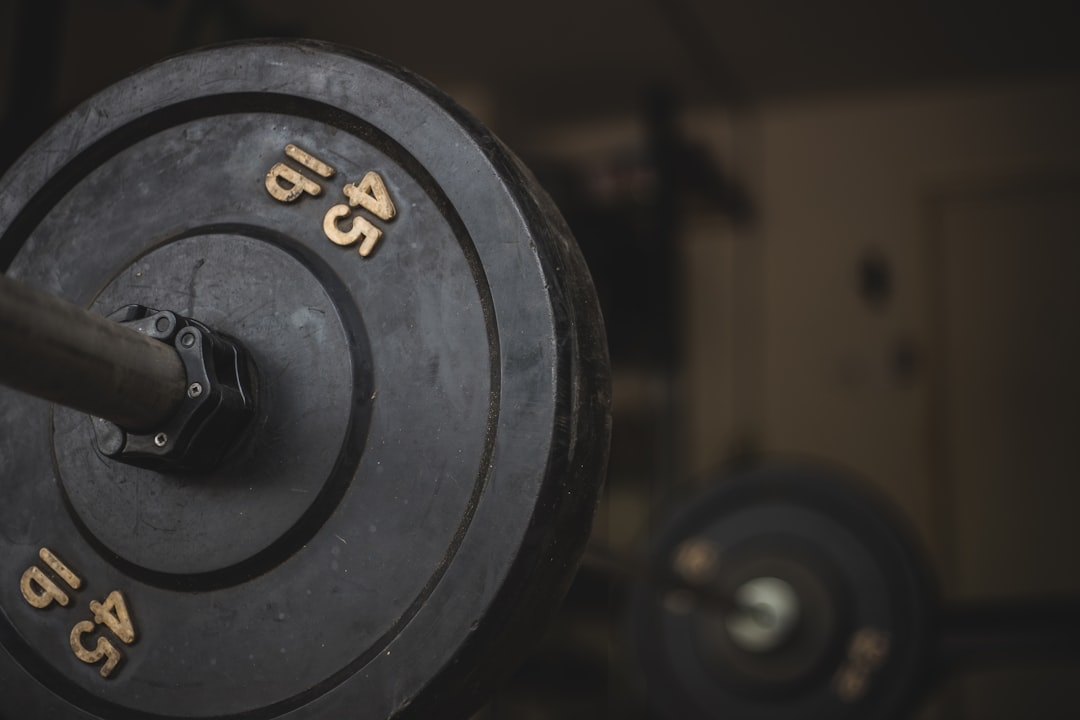
The loads matter more than the variety. Three exercises, heavy, twice a week, is the entire skeleton of the protocol. Pun absolutely intended.
Impact: The Signal Your Hips Actually Respond To
Heavy and slow is one dialect of bone language. Fast and sharp is the other. When your foot strikes the ground during a jump, forces of three to five times body weight ripple up through the tibia, the femur, the hip — exactly the jolt that walking never delivers and bone finds impossible to ignore. One of my favorite long-term studies gave postmenopausal women a program of weighted-vest walking plus simple jumping exercises, and after five years — five years! — the group that jumped had held their hip bone density while the control group lost theirs.
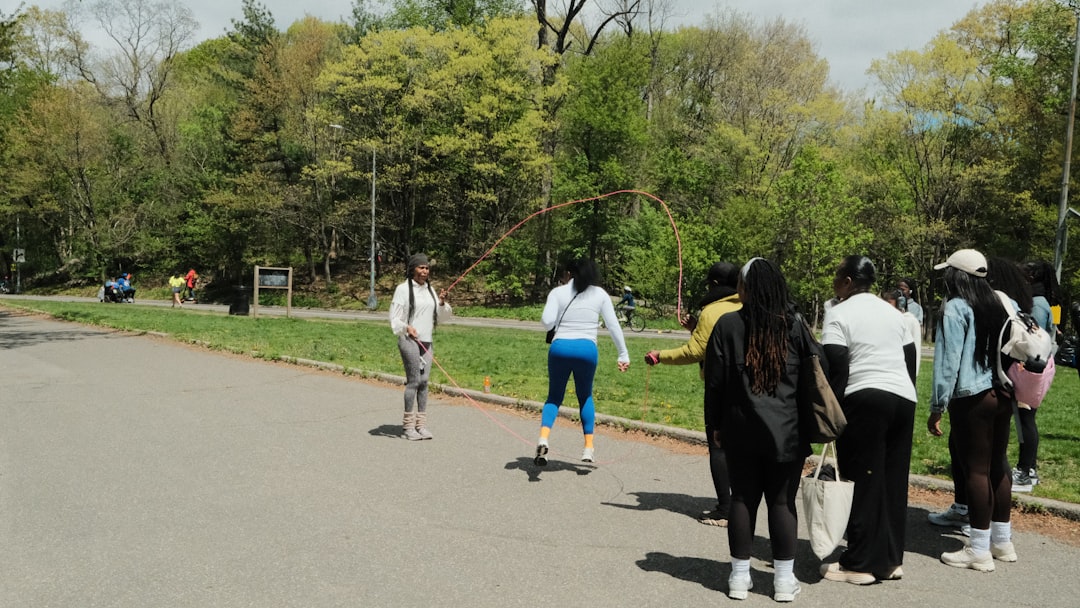
The prescription is beautifully small. Ten to fifty jumps, two or three times a week, with full rest between small sets — treat them like sprints, not cardio. Small two-inch hops in place with soft knees count. Step off a low curb and land tall. My favorite on-ramp for almost everyone is a jump rope, because the rhythm polices your landings for you; I keep a one-pound weighted rope in every client’s starter kit because the slight load slows the rotation enough that beginners can actually find the timing.
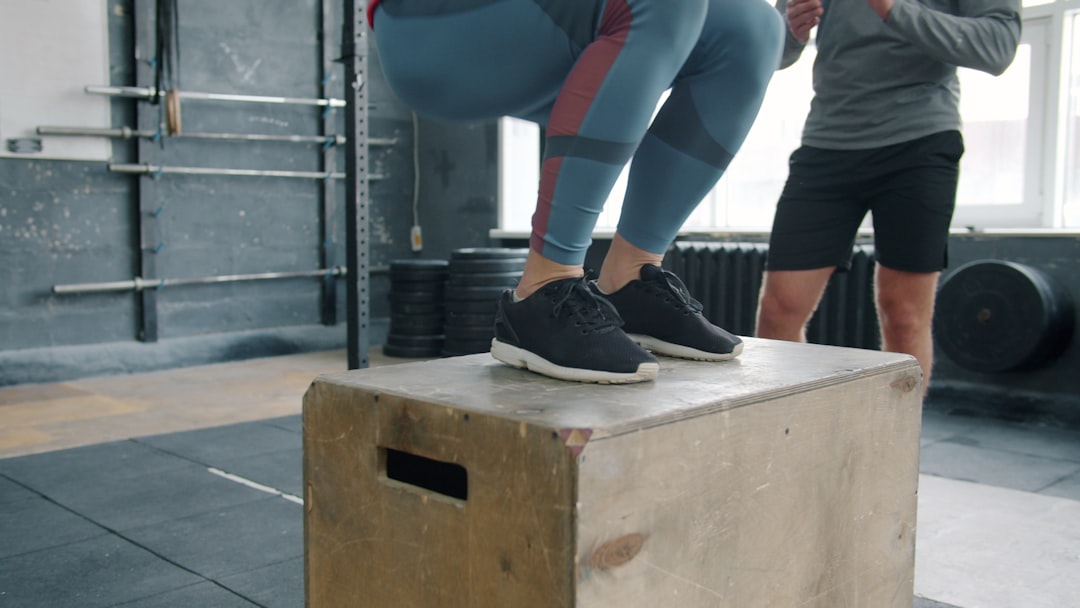
If your knees, hips, or ankles have opinions about jumping, buy your way down the force curve before you give up. A foldable forty-inch rebounder absorbs most of the landing shock while keeping the up-down oscillation that bone responds to — I’ve prescribed it for two clients post-knee-rehab who now bounce through their favorite true-crime podcasts. And if even that’s too much today, the progression still starts at zero: push-ups with a slight hand-lift at the top load the wrists and forearms, which is where a startling share of lifetime fractures happen anyway.
The Loaded Walk, Decoded
You’ve probably noticed weighted vests going from crossfit curiosity to mainstream wellness accessory — clinicians spent this past August writing whole editorial pieces about whether the trend is real. It partially is. Adding ten pounds to your walk increases muscular demand, burns more energy, nudges posture taller, and adds a modest extra load through the spine and hips. My honest read after putting vests on a dozen clients: they enhance the signal, but they don’t create it. A weighted walk still lives below the bone-building threshold for most people; the vest simply makes a walk you were taking anyway work a little harder for you.
That’s still worth having. I wear a vest for two of my weekly dog-walks, and my clients who ruck with actual packs — I wrote about my loaded-walking season here when I fell for rucking last summer — report the same thing: heavier walks feel like strength training disguised as daylight. If you want in, BAGAIL’s adjustable vest is the one I recommend for women because the weights load in half-pound slabs from four pounds up to thirty-two, the cut actually fits a torso with curves, and it’s washable — non-negotiable if a dog is involved.

Two rules keep it honest: start around five percent of body weight and cap it near ten, and never let the vest substitute for the heavy days. The vest is your side dish. The barbell is the meal.
Feed the Remodeling Crew
Stimulus is half the equation; the other half is showing up with materials. Bone is roughly half protein by volume, and the remodeling crew can’t build a wall without bricks and mortar. I aim my clients over forty at protein at every meal — most women I meet are eating half of what their training now requires — with calcium and vitamin D as the two non-negotiables behind it.
Food first, always: Greek yogurt, sardines, tahini, collard greens, the small oily fish my clients love to pretend they’re eating. When intake falls short, Citracal Petites with vitamin D is the calcium I recommend because the citrate form absorbs well taken with or without food and the tablets are genuinely small — compliance beats purity in my world. For vitamin D, get a blood level drawn once before guessing; if you’re low like most of my indoor-training clients in winter, a D3-plus-K2 softgel covers the pairing most bone researchers now prefer. And Gold Standard whey remains my kitchen workhorse for closing the daily protein gap on smoothie days.

One more earns its shelf. Creatine spent twenty years pigeonholed as a gym-bro supplement, then the research in midlife and older adults quietly stacked up: five grams daily alongside resistance training supports strength gains, and strength is the delivery mechanism for every bone stimulus in this article. A plain micronized powder like Nutricost’s monohydrate — no fancy blends needed — costs pennies a day. My postmenopausal clients call it their “small orange scoop of stubbornness.”
A Week of Bone-Loading, Planned Out
Here’s the template my team builds from, and it takes less than two and a half focused hours a week. Steal it whole or bend it — just protect the two heavy days and one impact day like appointments.
- Monday — Heavy A: Squat or deadlift variation, overhead press, one row. Five working sets of the main lift, loads you can own for five clean reps. Thirty minutes.
- Tuesday — Vest walk: Thirty to forty minutes at conversational pace, five to ten percent of body weight. Daylight if you can get it.
- Wednesday — Easy: Yoga, swimming, a walk, whatever feeds recovery without loading. This day builds nothing and that’s the point.
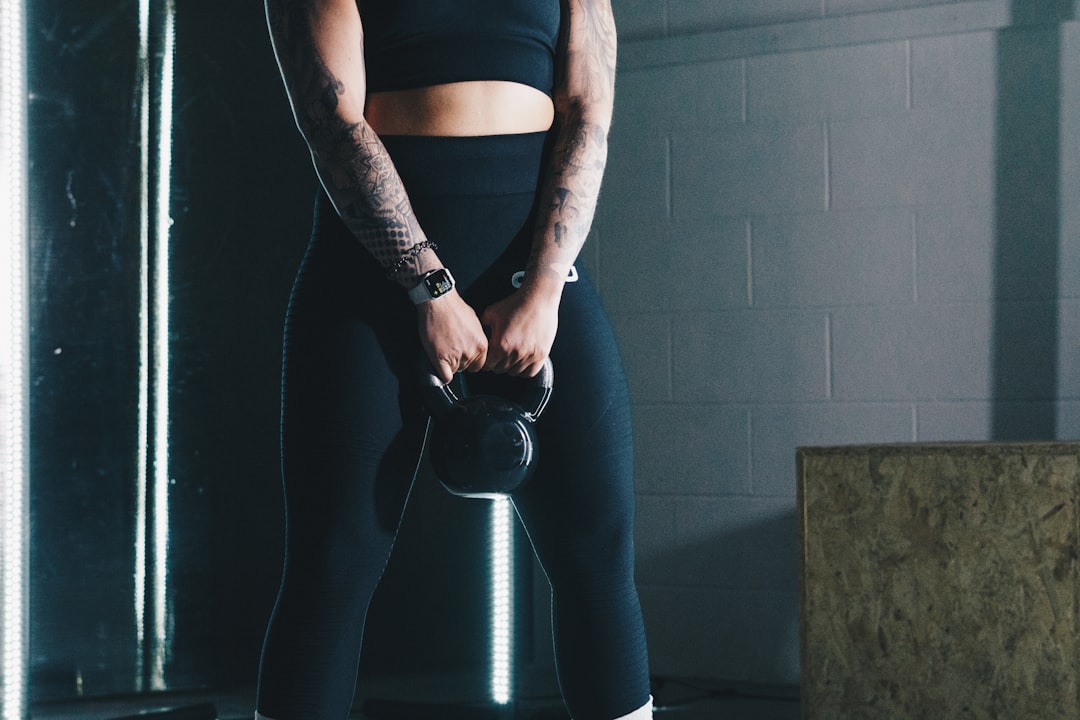
- Thursday — Heavy B: Hinge variation, press or dip, loaded carry. A cast-iron kettlebell handles the goblet squats and farmer’s carries — the two movements I’d rescue from a burning gym first.
- Friday — Impact: Rope skips or low hops, ten to fifty total landings, full rest between mini-sets. Fifteen minutes including warm-up.
- Saturday — Long walk or trail: Optional vest, social pace, no metrics.
- Sunday — Off. Bone remodels on rest days, not work days.
Progress it slowly: when five reps feel crisp, add two to five percent load and start over. Some of my clients also stand on a vibration plate during warm-ups or while watching TV — the bone data on those is genuinely more interesting than I expected, and I put together a full field guide to buying one here — but I file plates as the garnish, never the entree.
Pump the Brakes Here
Everything above assumes a healthy spine and no fracture history. If you already carry a diagnosis of osteoporosis, have broken a bone from a low fall, or live with chronic spinal issues, do not self-prescribe max-effort lifts — the women in LIFTMOR trained under supervision with months of progression behind them before the heavy percentages appeared. Get a DEXA scan, loop in a physician or physical therapist who knows the heavy-loading literature, and earn the barbell gradually. Most of my diagnosed clients start with bodyweight impacts, vest walks, and supervised lifting at conservative loads for a full season first.
And know your numbers regardless. A baseline DEXA (repeat every two years), an annual height check — losing half an inch can be the first whisper of a vertebral compression — and a honest balance assessment, because a hip that never hits the ground rarely breaks no matter what the scan says. I wrote about the ten-second single-leg balance test and why it spooks me more than any biomarker; pair it with bone-loading and you’ve built the full anti-fracture stack.
Renee started her heavy days last spring with a dowel and a lot of side-eye for me. Fourteen months later she deadlifts more than her bodyweight for crisp reps, jumps rope like the track kid she used to be, and her latest scan nudged upward at the spine for the first time in six years. Her physician called it “interesting.” I call it what bone has been trying to tell us all along: give this tissue a reason, and it gives you a frame that carries you for decades.
The best decade to build bone was your twenties. The second-best one is the one you’re standing in right now — so go put something heavy in your hands this week. Your eighty-year-old self is already grateful.