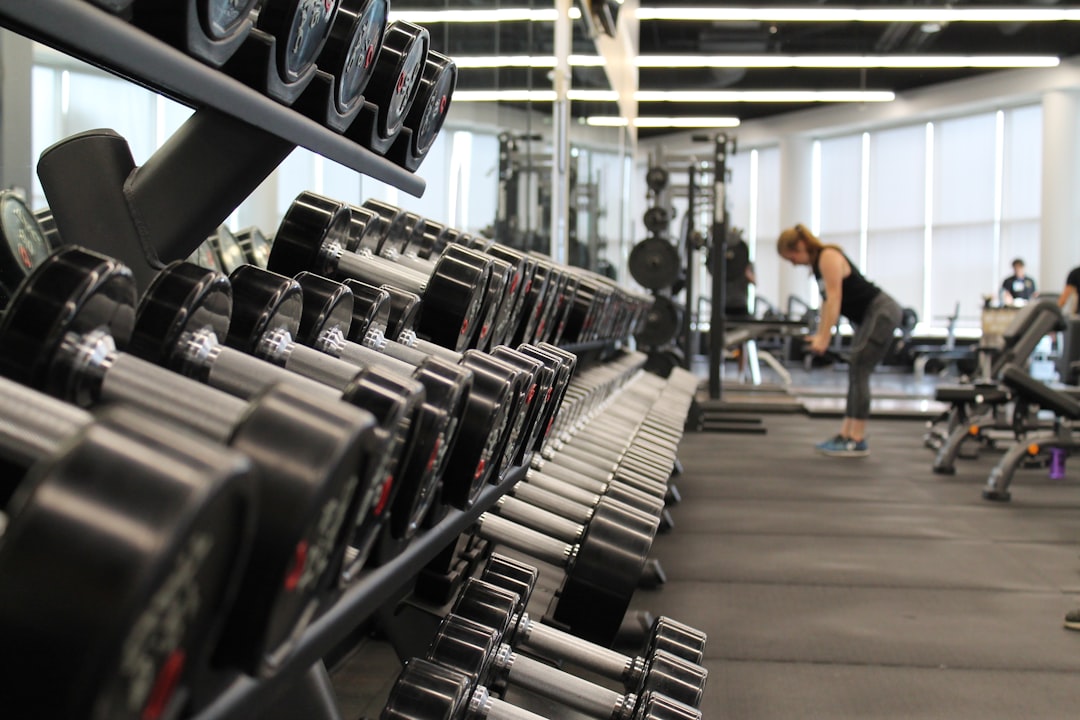
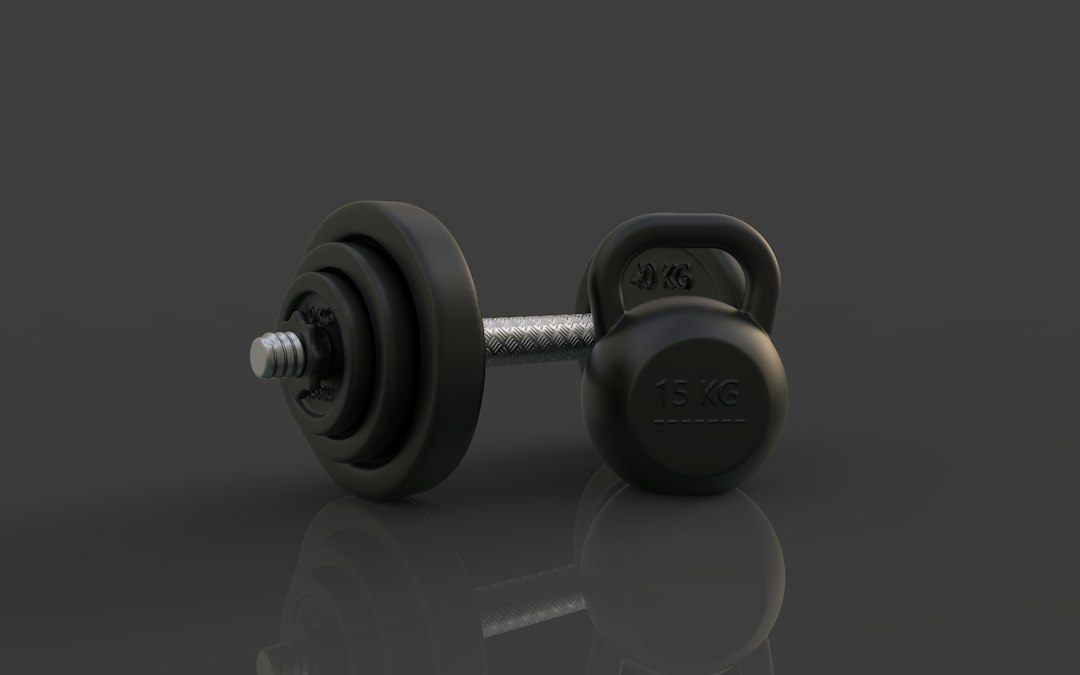
I spent most of my twenties collecting kettlebells the way other people collect coffee mugs. There was the 26-pounder I bought for high-rep swings, the 35 that carried me through my heptathlon off-seasons, the 44 that mostly served as a very expensive doorstop by the end. Six bells lined up in the garage like bowling trophies, occupying a shelf I could have used for, well, anything else. So when September rolled around this year and I found myself coaching yet another client through building a home gym from scratch, I finally took my own advice: I let the whole shelf…
-
-
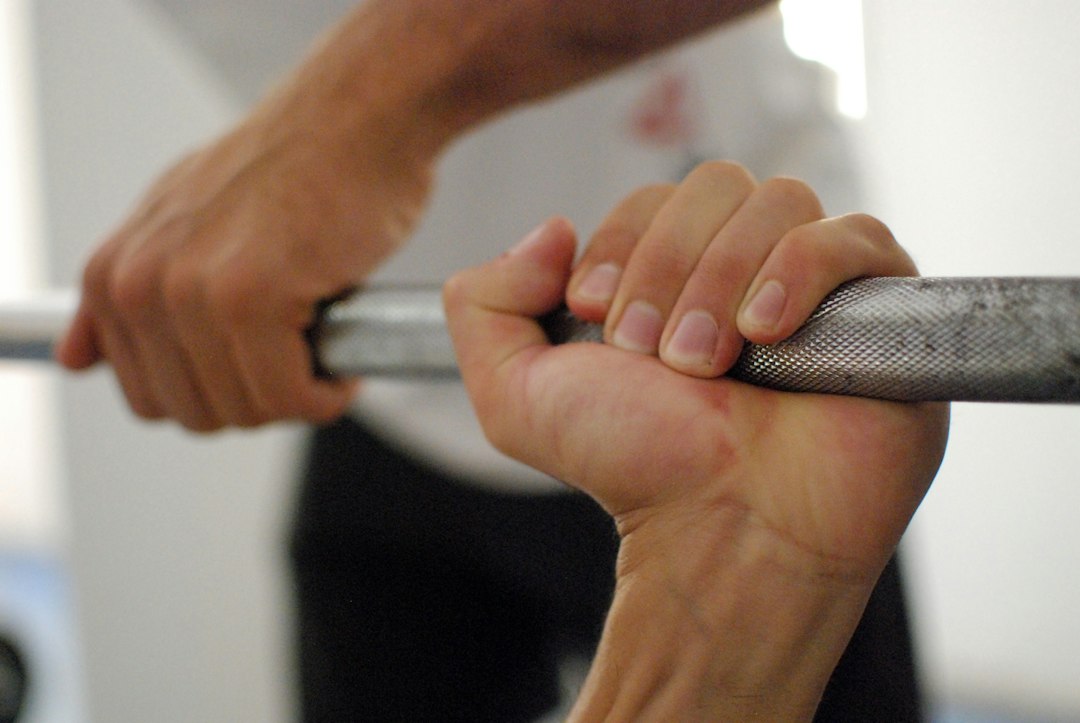
There is a number that predicts how long you’ll live independently, and no wearable on the market tracks it. It’s not your VO2 max. It’s not your resting heart rate or your sleep score. It’s how hard you can squeeze. Grip strength has quietly become one of the most respected biomarkers in longevity research. Large population studies going back to the PURE study — nearly 140,000 adults across 17 countries — found that grip strength predicted death from cardiovascular disease better than systolic blood pressure. Researchers now describe it as a “single vital sign of aging,” a proxy for total-body…
-
Renee walked into my studio last spring with a marathon medal in her tote bag and a bone density report that read like a rejection letter. Fifty-four years old, twenty-plus years of distance running, yoga three mornings a week, a garden she tended better than most nurseries. Osteopenia. She handed me the scan, folded her arms, and asked the question I’ve now heard a dozen times in my coaching career: “How? I do everything right.” Here’s the uncomfortable answer. She did do everything right — for her heart, her hips’ range of motion, and her sanity. But her skeleton had…
-
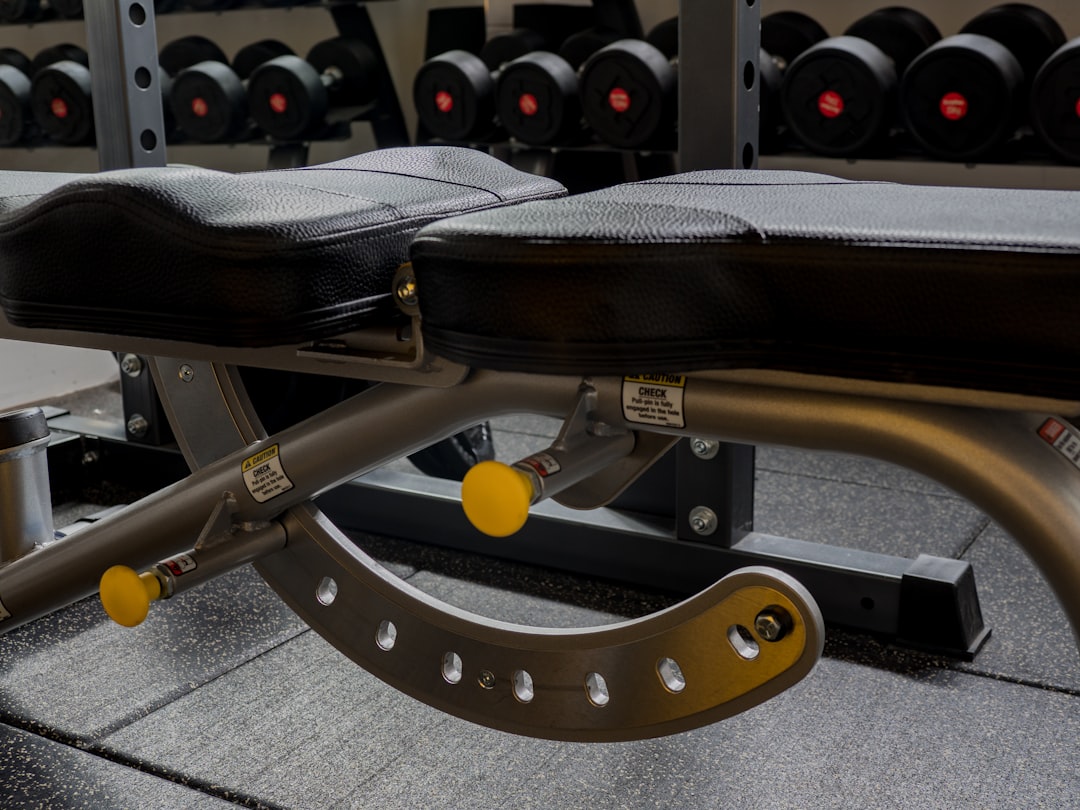
Walk into any commercial gym and count the benches. Not the dumbbells, not the treadmills — the benches. There’s a reason a big-box gym has twenty of them and never enough. They are the most borrowed surface in fitness, the piece of equipment that quietly supports half the exercises in any given program. And yet when my clients send me their home gym budgets, the bench is almost always the last line item — whatever cash is left after the flashy gear, if any. Half the movements in a serious program happen on, over, or against a bench. Photo courtesy…
-
There was a season of my life when I trained twenty-two hours a week. Two-a-day track sessions, lifting blocks at six in the morning, plyometrics while the dew was still on the infield. I was chasing an Olympic heptathlon qualifying mark, and my entire worldview could be boiled down to three words: more is better. It wasn’t, by the way. More was what left me with a stress fracture in my left tibia and a very humbling conversation with my coach about recovery — but that’s a story for another day. So when a new study crossed my desk this…
-
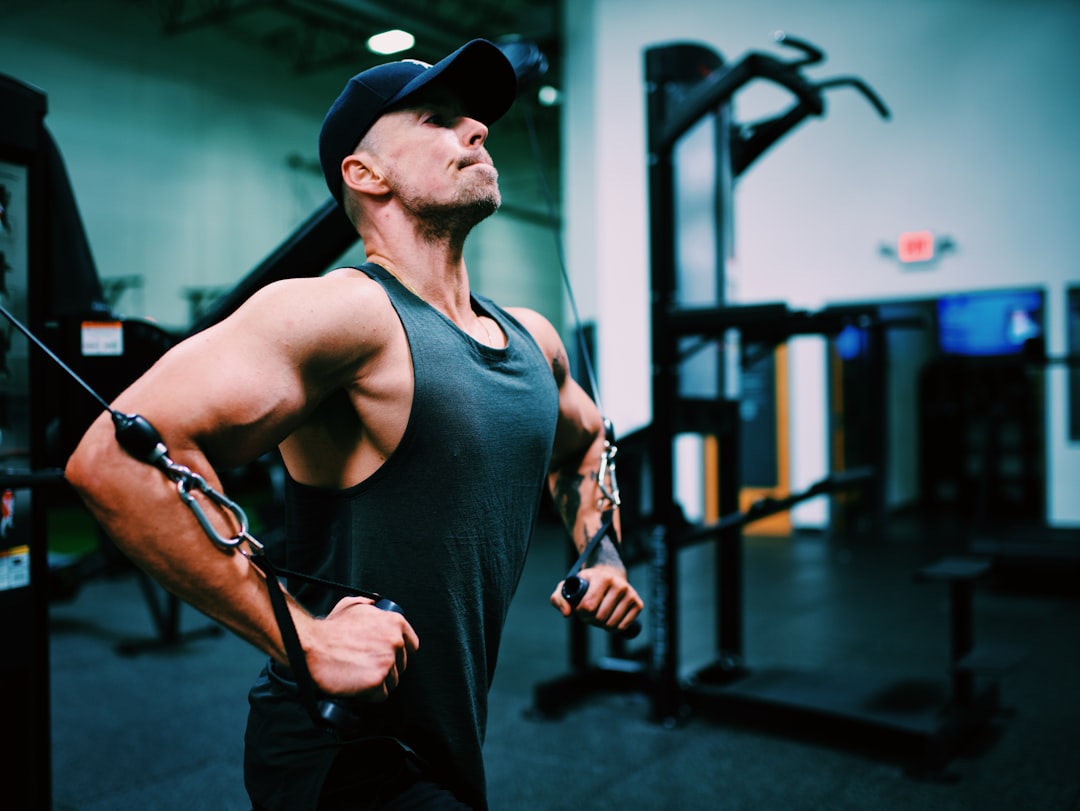
I’m going to tell you something that would have sounded like blasphemy to twenty-five-year-old me. Six months ago, I voluntarily took apart my beloved squat rack, sold the pieces to a guy named Dennis from Craigslist, and replaced the entire setup with a single cable machine. After two decades of track training, coaching, and building home gyms that looked like miniature commercial facilities, I did the one thing I swore I’d never do. I went all-in on cables. And honestly? My training has never been better. My clients agree. The functional trainer sitting in that four-foot span of wall where…
-
I spent the better part of eight months staring at joint supplement labels so you don’t have to. Not because I planned to — my knees just decided, somewhere around my forty-second birthday, that they were going to narrate every squat, every lunge, and every early-morning stair descent with a symphony of snaps and crackles. After two decades of track training, coaching, and a heptathlon career that pushed my body to its absolute limits, my joints were sending me a very clear message: we need support. What started as a personal mission to quiet my own creaky knees turned into…
-
I have a confession that might surprise you. After twelve years of coaching, after testing every wearable, supplement stack, and recovery gadget that crossed my desk — the five habits that moved my health markers the most were embarrassingly simple. No cold plunge required. No $400 device. No supplement that tastes like damp cardboard. Just five boring, unglamorous, repeatable practices that I almost dismissed because they seemed too basic to actually work. My team and I spent the better part of this past spring pulling apart my last decade of training logs, sleep data, and bloodwork. We wanted to know…