Nobody warned me that 2026 would be the year everyone I know became a walker. My Tuesday-morning client roster includes a retired firefighter doing Japanese walking intervals, two moms training for an October half marathon walk, and my own mother, who texts me her step count like it’s a stock portfolio. Search interest in walking workouts jumped almost three thousand percent last year, and my coaching inbox finally reflects it: the number one question I get is no longer about macros or heart rate zones. It’s about shoes.
I get it. When walking becomes your actual workout — not just the thing you do between your car and the office — the shoe stops being an afterthought. My team and I have fitted, borrowed, blistered in, and retired more walking shoes this year than I can count, and the pattern that emerged was not what I expected. The best walking shoe isn’t a single model. It’s a match between the shoe and the specific walk you actually do. Here’s the field guide I now hand every new walking client before they spend a dime.

Your Feet Absorb the Workout Before Your Heart Does
Walking looks gentle, and that’s exactly why people underestimate it. At a brisk pace, each footfall loads your joints with roughly one and a half times your body weight, repeated about sixty times a minute, thousands of times per walk. Over weeks and months, that’s an enormous amount of cumulative force — and it all funnels through a handful of small structures in your feet. A shoe that’s worn out, too stiff, or wrong for your arch shape doesn’t just feel bad. It quietly reroutes that force into your plantar fascia, your knees, and your lower back.
I learned this the hard way back in my track days, and I relearned it this spring when three different clients developed the same nagging heel stab within a month of starting walking programs. If you feel that first sharp pinch under your arch in the morning, stop guessing and read up on how I catch plantar fasciitis early — the shoe changes that follow are much simpler than the recovery you’re avoiding.
Start With the Walk, Not the Shoe
Every shoe guide wants to tell you what to buy. Wrong question. The first thing I ask a new walking client is: what does your walk look like? A person doing fast-slow Japanese walking intervals around a neighborhood park has completely different needs from someone logging ninety-minute Zone 2 rambles on gravel, and neither of them should be in the same shoe as someone folding walking into the workday on a pad under their desk.
Map your week honestly. Brisk intervals need a lighter, more flexible shoe that lets you roll through each stride. Long slow mileage rewards cushioning and a roomy toe box. Trails demand grip and protection. Standing-and-strolling days call for all-day comfort and easy on-off. Most people need one primary shoe and one specialty backup, not a closet full.
Max Cushion for the High-Milers
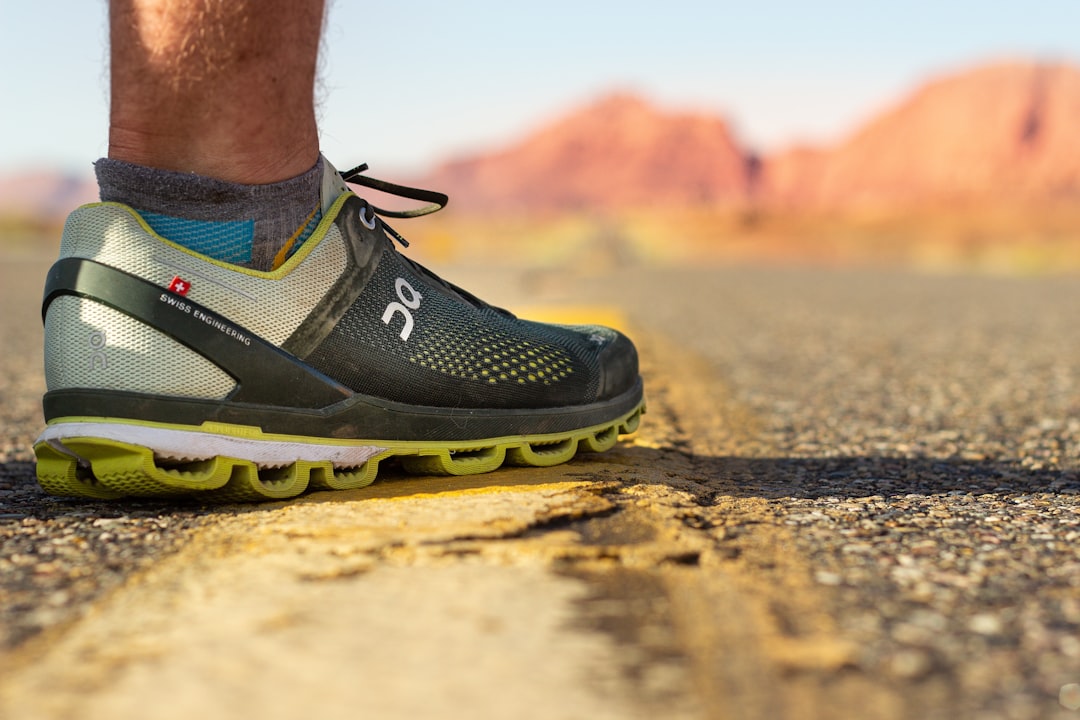
If your weekly volume is north of about twenty miles — or you’re carrying some extra weight, recovering from an injury, or simply past the point where your knees enjoy experiments — the thick-foam category is your friend. My favorite all-arounder here is the Hoka Bondi 9, which has become the default recommendation I give heavy-mileage walkers. The stack of foam is genuinely enormous, the rocker geometry keeps you rolling forward instead of slapping flat, and my clients who switched to it reported fewer end-of-day foot complaints within two weeks. It runs a touch narrow through the midfoot, so width-sizing matters if you have wider feet.
Not everyone wants to spend Bondi money on a shoe that might only see evening strolls. For a budget-friendly everyday option, the Under Armour Charged Assert 11 has surprised me with how well it holds up for casual-to-moderate mileage — it’s light, the cushioning is honest for the price, and it makes a great “first real walking shoe” for someone just starting out and unsure they’ll stick with it.
The Leather Workhorse Still Earns Its Spot
Here’s a confession: while the foam-maximalist crowd was busy this summer, my most-recommended shoe quietly remained a boxy leather classic. The New Balance 608 V5 looks like something your high school gym teacher wore, and that’s precisely the point. It’s stable, wide-friendly, supportive through the arch, and built like a piece of furniture. For walkers who are on their feet all day — teachers, nurses, warehouse shifts — it bridges work and workouts without complaint. Several of my older clients buy a fresh pair every year like clockwork and refuse to hear about anything else, and honestly, I’ve stopped arguing with them.

Easy-On Comfort Is a Legitimate Feature
Some of my favorite clients will never say this out loud, but bending over to tie laces is its own workout — and for people with back stiffness, arthritis, or balance concerns, it can be the difference between a daily walk and no walk at all. That’s why I keep recommending the hands-free category with zero irony. The Skechers Hands Free Slip-Ins Go Walk Arch Fit 2.0 heels itself in when you step down, and the built-in arch support is genuinely good, not a marketing sticker. For the women I coach, the Skechers Go Walk Arch Fit Unify has become the cult favorite — one client bought three pairs after her first month because she kept “forgetting” to change out of them for nicer shoes.
Don’t let anyone tell you that slip-ons are cheating. A shoe you actually wear every day beats a technically superior shoe that lives in the closet.
When a Running Shoe Is the Better Walking Shoe
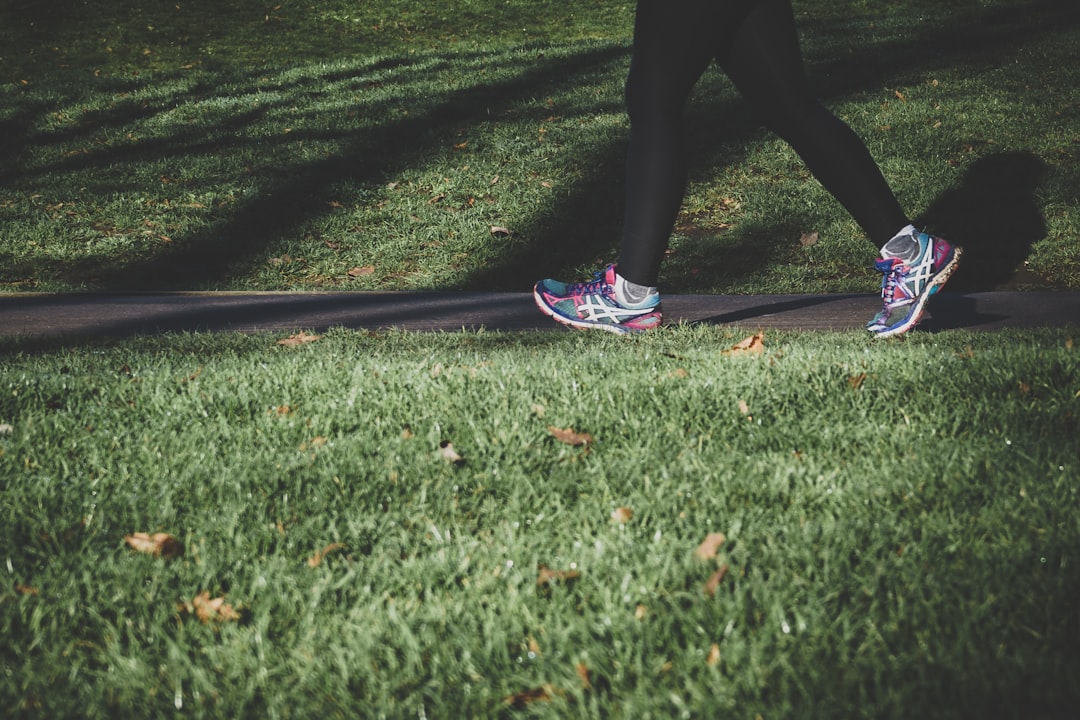
This is the part of the conversation where most walking guides get weirdly tribal, so let me just say it plainly: there is no law against walking in running shoes. For brisk walkers and interval people, a neutral road runner is often the better tool, because it’s lighter, more breathable, and flexes the way a faster stride demands. The Brooks Ghost 18 is the one my interval group gravitates toward — it’s the smooth, forgiving, do-everything option that has now officially added “walking” to its own product description, which made me laugh out loud when I saw it. On the lighter, cheaper end, the ASICS Gel-Excite 11 handles fast neighborhood miles beautifully and costs about half of what the flagship trainers do.
One coaching note: whatever you buy, buy it for the walk you do, and let slow days stay slow. If you want the science-backed case for why the least impressive workout of your week deserves its own respect, my piece on why slow is a skill covers it in detail.

Wet Leaves and Gravel: Trail Duty
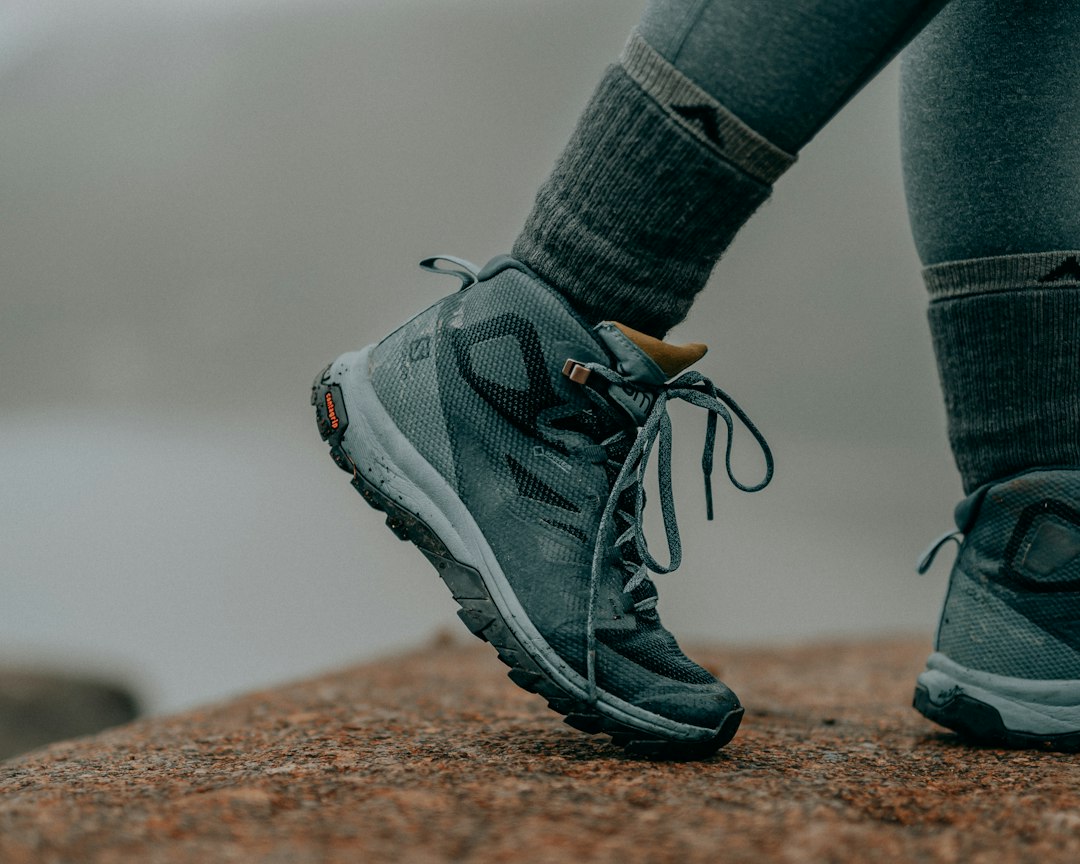
September through November is prime walking season — crisp air, gorgeous light, and the exact moment sidewalks and rail-trails get treacherous with wet leaves. If your routes go anywhere unpaved, grip and a protective sole stop being optional. I keep a pair of waterproof trail shoes for exactly this stretch of the year, and this season’s budget pick is the NORTIV 8 waterproof hiking shoe — aggressive outsole, actual waterproofing, and a price that doesn’t hurt when you scuff them on rocks. My trail-season training clients who are building toward a fall goal should also check the six-week trail countdown plan we run every year; the shoe advice pairs with it directly.
Poles Turn a Walk Into a Full-Body Session
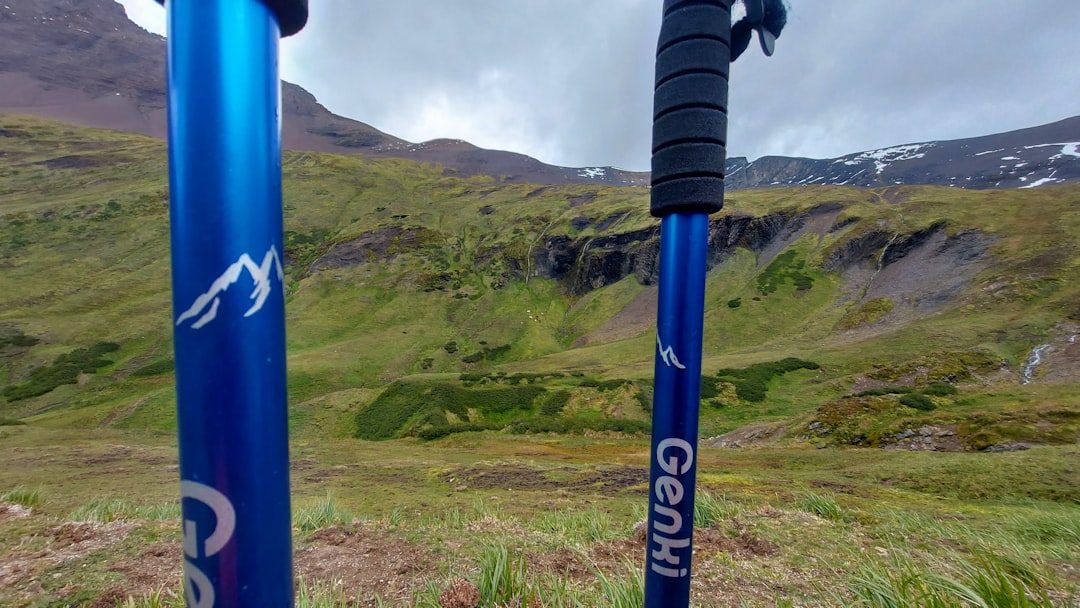
A quick detour, because it’s the question every client asks by week three: yes, walking poles are worth it. Nordic walking — the thing behind that massive surge in search interest — turns a leg day into a genuine full-body workout by engaging your arms, shoulders, and core, and it measurably reduces load on the knees. A quality set like these one-piece Nordic walking poles costs less than a month of boutique fitness classes. If you want to try the trend that dragged walking back into the spotlight, this is the cheapest possible entry point.
The Thirty-Dollar Upgrades Nobody Buys First
People will spend one hundred sixty dollars on a shoe and then walk in it barefoot. Please don’t. The sock-and-insole layer is where I’ve seen some of the fastest comfort wins of my entire coaching career. A cushioned, moisture-wicking sock like the Lapulas anti-blister athletic socks (a six-pack costs less than lunch) eliminates the friction that causes hot spots on long walks. And if your shoe’s stock insole is a floppy wafer — and most are — swapping in a pair of Superfeet all-purpose arch support insoles transforms shoes that were almost right into shoes that are exactly right. That one swap rescued two clients’ marathon-walk training plans this year.
Your feet work hard for you all day, not just during workouts. The same logic applies after the walk ends — I wrote about why recovery footwear quietly runs your training results, and the shoe rotation works both ends of the day.
My Store-Fitting Ritual, Stolen From Track Days
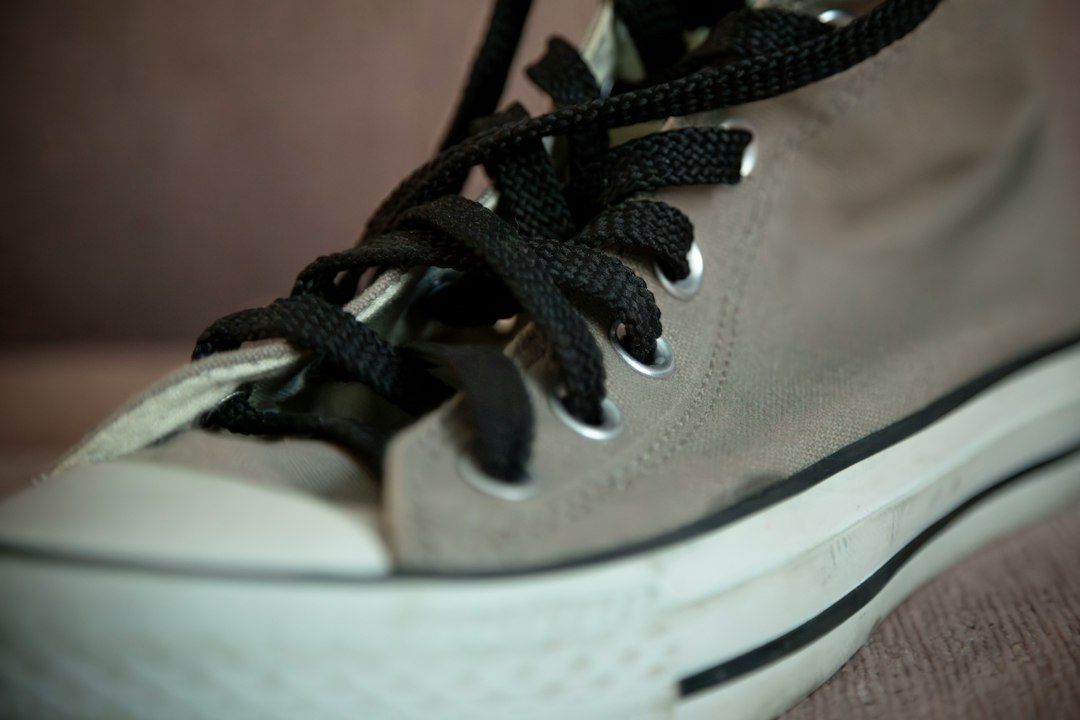
Twenty years of being fitted for spikes and trainers left me with a checklist I still run on every client, and you can run it on yourself this weekend. Shop in the late afternoon, when your feet are at their largest — feet swell over the day, and a morning-perfect fit becomes an evening pressure point. Bring the socks you’ll actually walk in. Leave a thumb’s width of space in front of your longest toe, and insist on width options if your foot spills over the midsole. Grab the shoe at heel and toe and give it a twist: it should resist like a good torsion bar, not wring out like a towel. Finally, walk. Not five steps — five minutes, on a hard floor, at your real pace. Any heel slip or arch pressure in the store becomes a blister or worse within a week outside it.
Rotate, Retire, Repeat
The last thing I tell every new walking client: your shoes have a mileage budget, and they don’t tell you when it’s spent. Midsole foam dies quietly — the shoe still looks fine while providing a fraction of its original cushioning. Most walking shoes are honestly done somewhere between three hundred and five hundred miles, which for a daily walker arrives in under a year. Mark the month you started wearing them on the box, and when the time comes, retire them to yard work without ceremony. And if you’re walking daily, a two-shoe rotation isn’t a luxury — alternating pairs lets the foam fully decompress between sessions and cuts down on moisture problems. Your future self, logging steps somewhere in November, will feel the difference.
Walking gave me a career, and it’s giving 2026 its most accessible fitness reboot in decades. Meet it with the right pair under you, and the miles take care of themselves.