
Every October, my Tuesday-morning running group gets smaller and darker. Headlamps blink on at 6:15, breath fogs in the streetlight glow, and the conversation drops to a murmur because everyone is listening for the one sound that matters more than any podcast: traffic. That rule did not come out of a textbook. It came out of a morning four autumns ago when one of my longtime clients stepped off a curb in front of a silent electric delivery van. Her earbuds were noise-isolating. The van driver was alert. She was lucky. I stopped being lucky that day and started being deliberate.
What I tell every new runner who joins my practice now is simple: your ears are safety equipment. If your headphones seal them off, you are running the road half-blind. And for the past two years, the answer to “so what do I wear instead?” has been open-ear headphones — the kind that leave your ear canals completely open to the world. My team and I have now put more than a dozen pairs through full training blocks, everything from track intervals to rainy twenty-milers, and the category has quietly become the most-recommended piece of gear in my coaching toolkit after shoes.

The Near-Miss That Rewired My Warm-Up Talk
Here is the uncomfortable math I share on day one. Most urban runners face cars, e-bikes, dogs, and other runners, and a huge share of modern vehicles make almost no noise at low speed. Noise-isolating buds can cut 20 to 30 decibels of ambient sound — that is the difference between hearing a cyclist’s call from behind and hearing nothing until they are beside you. My client heard the delivery van’s warning chirp a half-second before impact would have been a real possibility. A half-second is a stride. That is all.
After that morning, I rebuilt how we train in low light. If you have read my piece on training through the weeks when daylight disappears, you know I treat late fall as its own season with its own rules. Open ears are rule number one. Visibility gear is rule number two. We will get to both, because right now is also the moment the prices on this category dip lower than at any other point in the year.
How Sound Bypasses Your Eardrums Entirely
The first question everyone asks me about bone conduction is some version of “wait, how does that work?” The short version: the little pads sit on your cheekbones, just in front of your ears, and vibrate the bone itself. Your cochlea picks up that vibration and decodes it as sound, completely bypassing the eardrum. Your ear canal stays open, the street stays audible, and the music still arrives. The first time you experience it, it feels like a magic trick — sound coming from inside your head while a fire truck three blocks away is still perfectly clear.
For years the trade-off was bass. Bone conduction alone sounds thin, especially at running cadence with wind noise layered on top. The newest generation fixed that with hybrid designs that pair the bone-conduction transducer with tiny air-conduction speakers pointed slightly off the ear. Shokz calls their version DualPitch, and in our testing it genuinely closed the gap — my playlist finally had a pulse again without sealing off the world.
Three Shapes of Open-Ear, and Who Each One Fits
The category has split into three distinct silhouettes, and choosing between them matters more than any spec sheet. The classic is the behind-the-head band: one titanium loop from ear to ear, nothing in the ear at all. That is the shape most people picture, and for runners it remains the gold standard because it simply cannot fall out — there is nothing to fall out.
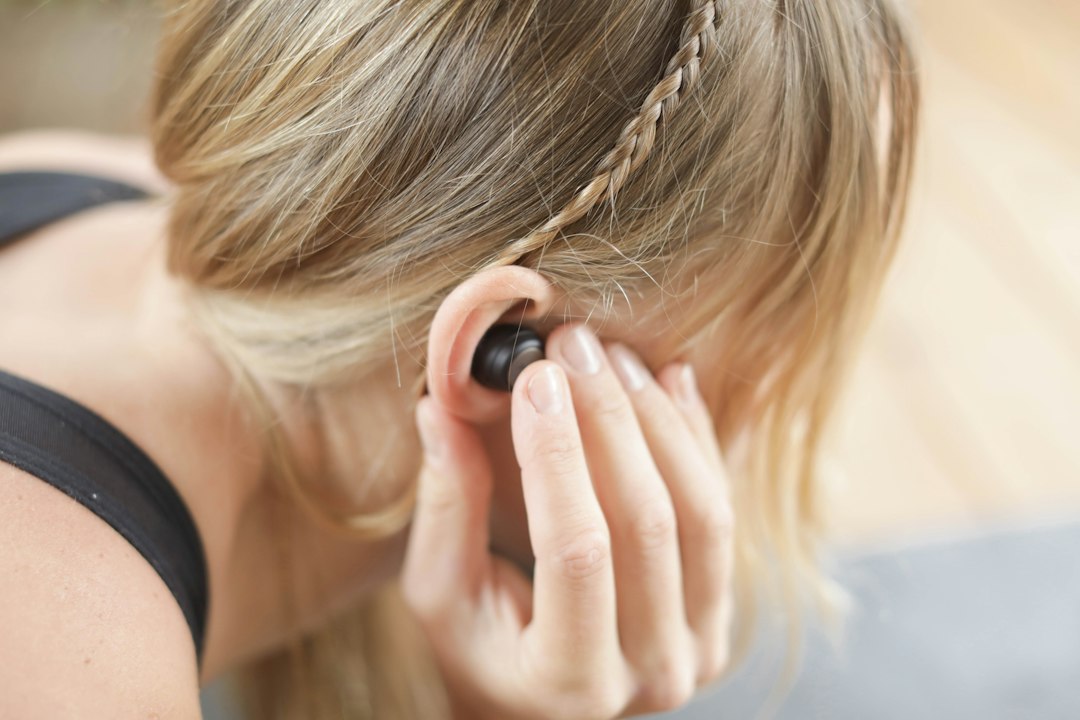
The second shape looks like a regular earbud but clips around the outside of the ear or hangs from a soft hook, directing a small speaker toward the canal without blocking it. These are a wonderful middle ground for people who cannot stand the pressure of a band against their skull or who wear their hair in styles that fight with it. The Shokz OpenFit line is the best-known example, and a couple of my athletes now refuse to run in anything else. If you are still weighing the whole category, browsing open-ear options for running side by side is the fastest way to see which silhouette matches your ears.
The third shape is the budget clone: generic bone-conduction bands that copy the look for a third of the price. Some are genuinely fine. Others vibrate like a dollar-store electric toothbrush and die in light rain. My rule for clients: if you are curious but not committed, a well-reviewed budget bone-conduction pair is a fair experiment; if you already know you will log 100 miles a month in them, buy the real thing once.
The Pick Ladder I Hand Out at the Track
When someone asks me directly what to buy, I answer with a ladder instead of a single winner, because the right pick depends on how much running is in your life. At the top sits the Shokz OpenRun Pro 2. The hybrid driver system gives it the fullest sound in the category, the ten-minute quick charge is a genuine lifesaver before a 5 a.m. start, and it has survived two winters of my abuse without complaint. If running is your main sport and you want one purchase to last years, this is the one I put my reputation on.
One rung down, the standard OpenRun 2 gives up a little sonic richness but keeps the durability, the fit, and the battery life that matters on long-run Saturdays. For most of my recreational athletes, this is actually the sweet spot — money saved here buys a good pair of socks and a race entry. And for teens, gym-goers, or anyone testing the open-ear waters, the compact OpenMove style handles music and calls cleanly at a gentler price. My daughter commandeered mine for her track season and I never saw it again.
For the Pool People: Playlists That Survive the Lap Lane
Bluetooth barely transmits through water, which is why swimmers have suffered in silence for years. The workaround is a headphone with onboard MP3 storage — no wireless signal needed below the surface. The Shokz OpenSwim 2 is the category leader, and two of my triathletes load their interval playlists directly onto it. If you swim more than you run, or you coach a swim program like I volunteer for at the Y, browsing waterproof bone-conduction options will show you how deep this niche has gotten. Lap swimming with music is no longer a fantasy; it is a Tuesday.

Reading the Specs Like a Coach, Not a Reviewer
Spec sheets for headphones are a swamp, so here is the only decoding that matters for runners. Waterproofing comes first: look for IP55 at minimum if you sweat heavily or run in rain, IP67 if you are careless about rinsing them off. Battery claims are measured at moderate volume — cut the marketing number by a third for winter running, because cold drains cells faster and you will run volume higher against wind noise. Weight under about 30 grams disappears on your head; anything heavier starts announcing itself at mile ten. And quick-charge support is worth more than an extra two hours of claimed battery, because the charge you actually need is the one you get in the four minutes before you walk out the door.
Fit Notes for Glasses, Ponytails, and Beanies
Open-ear bands live behind your head, which means they negotiate with everything else that lives there. Sunglasses arms and the band coexist fine once you establish a stacking order — glasses first, band second. A low ponytail will fight you; a high one clears the loop completely. And when the temperature drops, a thin beanie worn under the band actually improves the contact and the sound, which is a nice winter bonus. I walk every new client through this fitting ritual the same way I walk them through shoe fit, and if you have read my shoe field guide for new walkers, you know I take fit over features every single time.
Weaning Yourself Off Sealed Buds
Some athletes struggle with the switch, and I understand — music is fuel, and sealed buds feel like a cockpit. So we taper instead of quitting cold. Week one, run every easy mile open-ear and keep your hard sessions in your old buds if you must. Week two, everything goes open-ear except race-pace intervals. Week three, the old buds retire to a drawer. What people discover is not worse sound but better running: they hear their own footstrike, their breathing, the rhythm of the group. My Tuesday crew now runs shoulder to shoulder chatting at tempo pace — something that never happened when we were each sealed in our own bubble. If you are building toward a fall goal, fold this into your plan the same way you would fold in the six-week trail-season countdown I wrote in late summer.

The Deal Window Closes Tonight
One piece of timing you should know: today is the final day of Amazon’s Big Deal Days event, and this category historically gets some of its steepest cuts right before the holiday flood. My inbox is already full of price alerts from my athletes. If you are not a Prime member, this is the week the math tips — a Prime membership gets you first crack at the lightning deals, free fast shipping when the pair you want sells out and you need a backup before Saturday’s long run, and easy returns if the fit fights your glasses. I have watched enough clients save the membership fee on a single gear purchase to stop being shy about mentioning it.
While you are shopping, do not forget the second rule of dark-season running. A reflective running vest costs less than a race T-shirt and makes you visible from hundreds of meters away, and a rechargeable running headlamp does for your eyes what open-ear headphones do for your ears. The full stack — open ears, lit path, reflective shell — is how my group runs straight through the dark months without a single white-knuckle morning.


The Quiet Compromise That Is Not a Compromise
People assume open-ear means settling for worse sound in exchange for safety, the way ordering the salad means settling for worse dinner. Two years in, I no longer see it that way. The newest hybrid drivers sound genuinely good, the safety gain is real, and something else happened that I did not expect: running with open ears made me a calmer athlete. I hear the world, the world hears me, and the music still shows up for every hard interval. The clock change is coming in a few weeks — and if you have read my four-Sunday countdown to the easiest clock change of your life, you know the dark mornings are about to arrive on schedule. Meet them with your ears open. That is the whole playbook.