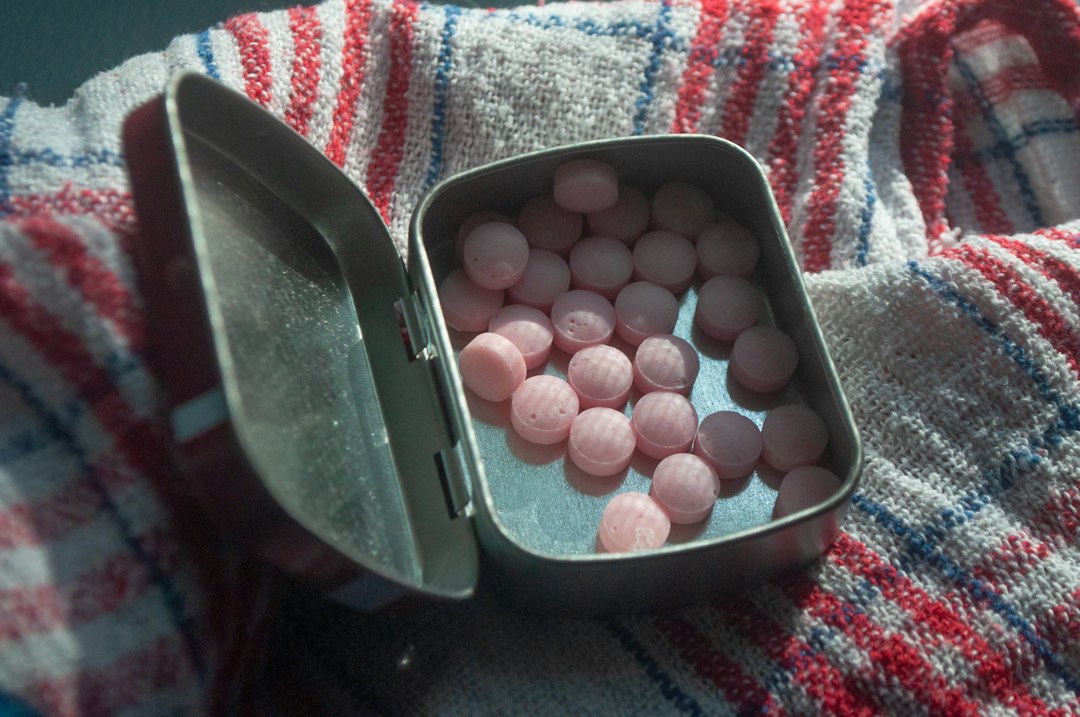
October has a sound in my coaching inbox, and it is not the crunch of leaves. It is the rattle of a zinc lozenge tin. A kid brings a cold home from school, a long run leaves a scratch in the throat, and by Thursday half the group chat is sucking on cherry-flavored metal like it is a personality trait. I keep zinc in the house too. I just do not hand out the lozenge.
The bottle I actually reach for is smaller, quieter, and almost never the one on a wellness flat-lay. Zinc L-carnosine. A lot of labels call the branded version PepZin GI. It is still zinc. It is not the zinc people mean when they say they are loading up so they do not get sick. Those are different jobs. Mixing them up is how a sensible mineral turns into a copper problem by January.
My team has been fielding the same question since the first cold snap: if zinc is good, isn’t more zinc better? No. The rest of this is why, including the bottles worth a look and the ones I would leave on the shelf.
Two minerals wearing the same name
Zinc is an essential mineral. Your immune cells use it. So do the enzymes that help you heal a scraped knee, taste your dinner, and keep a gut lining that knows the difference between lunch and a problem. None of that makes every zinc product interchangeable.
Lozenges are built for the mouth and throat. They dissolve slowly, they taste like a dare, and the ones people buy in October are usually zinc gluconate or zinc acetate. The ritual is short. You take them for a few days when a cold is circling, then the tin goes back in the drawer. I wrote about the rest of that cold-season setup in the three-light plan I use when training through sneeze season. The lozenge can have a cameo there. It does not get a permanent seat at breakfast.
Zinc L-carnosine is a chelate: zinc bound to L-carnosine, a small peptide your muscles already know from meat and from the recovery conversation. The bond changes the pace. Reviews of the PepZin GI research describe the complex lingering in the stomach longer than zinc and carnosine swallowed as two separate ingredients. That is the entire point of the format. You are not trying to flood your mouth with metal. You are trying to give the stomach and the upper gut a slower, more local visit.

If a label just says “zinc” and the form is picolinate, citrate, gluconate, or oxide, you are looking at a different tool. Useful, sometimes. Not this article.
What the research actually showed
I am a coach, not your clinician, and I am not going to dress a supplement up as a treatment. Zinc carnosine has a research trail, mostly around the gut lining, and it is more interesting than the cold-and-flu aisle. It is also narrower than the ads.
The study I come back to is a small human trial from 2007. Healthy volunteers took a short course of an anti-inflammatory known to irritate the gut. Zinc carnosine blunted the rise in gut permeability. Placebo did not. Related summaries of the PepZin GI work describe less stomach and small-intestine injury under that kind of chemical stress. Small studies. Specific conditions. Not a permission slip to live on ibuprofen, and not a cure for ulcers, reflux, or H. pylori. Those get a clinician, not a capsule from my cabinet.
The fall gut, not the fall cold
Once the evenings go dark, the pattern is predictable. Mileage gets lumpier. Lunch becomes a protein bar. Coffee doubles because the office is cold. Someone reaches for ibuprofen “just for the long run,” then again on Monday, and suddenly it has a brand loyalty.
That stack is rough on a gut lining. So is a hard tempo session on an empty stomach, which half my competitive clients still treat as a badge. Exercise itself can nudge gut permeability up for a few hours. Most of the time a healthy gut shrugs and rebuilds. The trouble starts when the shrug never gets a quiet day.

Zinc carnosine is the bottle I mention in that specific week. Not in the week everyone has a cough. In the week a runner tells me their stomach has been “off” since the tune-up race, or a lifter says breakfast sits like a rock after they added a morning double. Sometimes the fix is food, sleep, and fewer painkillers. Sometimes, after that, the chelate earns a four-to-eight-week look. I do not start people on it the same day I meet them.
If your stomach pain is new, severe, black-stool serious, or paired with unexplained weight loss, stop reading and call a clinician. A supplement article is the wrong room for that conversation.
Read the panel like a coach
This is the part the pretty labels hope you skip. Zinc carnosine milligrams and elemental zinc milligrams are not the same number. The complex is heavier than the zinc inside it. On the bottles I keep, the complex dose on the front is several times the elemental zinc buried in the Supplement Facts. If you only read the big number, you will think you are taking a horse dose of zinc when you are taking a modest one, or the reverse if you start stacking.
The adult tolerable upper intake level for zinc sits at 40 milligrams a day of elemental zinc. That ceiling is not a target. It is the line where long-term use starts to shove copper out of the way, dull your copper-dependent enzymes, and occasionally wreck your sense of taste in a deeply ironic plot twist. Food counts. A multivitamin counts. A lozenge you are sucking four times a day absolutely counts, and those lozenges are often 13 to 15 milligrams of elemental zinc each. Do that math before you add a breakfast capsule “for gut health” on top of a cold protocol.
When I compare bottles, I want four things and I want them in print, not in a lifestyle paragraph.
- The form named as zinc L-carnosine or the PepZin GI complex, not a proprietary blend that hides the dose.
- Elemental zinc listed on the Supplement Facts panel, so I can add it to the rest of the day.
- A dose that does not require six capsules to reach the amount used in the gut studies. If the serving size is a fistful, the product is padding.
- Third-party testing, or at least a brand that publishes a certificate when you ask. Zinc is not an expensive ingredient. Mystery markups make me suspicious, not impressed.
The bottle I hand a client first, when they want one product and not a research project, is Doctor’s Best PepZin GI. It is the complex by name, it is vegan capsules, and the 120-count size lasts long enough that you are not reordering in a panic. If that listing is out of stock, I send people to the Doctor’s Best PepZin GI shelf rather than to a random “zinc complex” with a similar font.
The other bottles worth a serious look
I do not believe in one-brand loyalty, and I do not believe in twelve-brand confusion either. Two other labels come up often enough in my notes that I keep search pages bookmarked for clients who want a practitioner-style bottle or a second opinion on the formula.
Integrative Therapeutics zinc carnosine is the one I mention when someone already buys from that line and does not want a new brand in the cupboard. Same idea, different label voice. Life Extension’s zinc carnosine is the label I mention for clients who will actually read the certificate of analysis.
If you would rather see the whole aisle before you commit, the cleanest browse is a straight zinc L-carnosine search. Sort by the panel, not by the star rating. A 4.8 from three hundred reviews of “my bloating vanished” is not a clinical trial. It is a mood.

Should you add L-glutamine because a podcast said the gut loves it? The evidence in recreational athletes is thinner than the tub art. I do not stack it by default. If someone already eating enough protein still wants a plain powder for a defined training block, I point them at unflavored L-glutamine and tell them to stop if nothing changes in three weeks.
The tin I will not stack on top
Keep the lozenge for the job it was built for. A few days. A scratchy throat. Then done. The product I mean is an ordinary zinc lozenge, not a second bottle of carnosine in disguise. If you are in an active cold and you are also taking zinc carnosine at breakfast, add the elemental numbers before you decide the lozenge is free. It is not free. It is zinc wearing a candy costume.
Same warning for the “immune” multivitamin that already hides 30 milligrams of zinc in two tablets and calls it insurance. I have watched women do this on top of an iron protocol and feel worse, not better. Minerals argue with each other. Zinc and iron compete for attention in the gut, which is one reason I do not tell someone working on low iron to swallow both at the same meal. If that is your season, read the iron piece I wrote for active women who are getting gassed before Halloween before you add another metal to the morning.
Antibiotics deserve a mention too, the boring kind. Zinc can bind tetracyclines and fluoroquinolones and make the drug less available. If you are on one of those, separate the capsule from the dose by a few hours, and ask the prescriber if you should pause the supplement entirely. This is not me being dramatic. It is the label warning people skip because the font is small.
Copper is the quiet bill
Nobody buys zinc carnosine thinking about copper. That is how the bill arrives. Months of zinc near or above that 40-milligram line can drain copper stores. Copper deficiency is not a vibe. It can show up as fatigue, odd neurologic symptoms, and an anemia that does not fix when you throw more iron at it. I have not seen it on a short, label-dose run of the chelate. I have seen the setup for it in people who kept the lozenges going from October through March and added a capsule because a reel told them to.
I do not automatically pair a copper pill with a zinc chelate. A short, moderate course does not need a second mineral to babysit it. If a clinician has you on zinc for months, that is the moment to ask about copper status, not the moment to freelance a stack because an article mentioned the word. For that conversation, a simple low-dose copper bisglycinate is the bottle I want people to be able to find. It is not the bottle I want them to open on day one.

Where it sits next to actual food
A capsule does not retire breakfast. The clients who get the most out of this bottle are the ones who also stopped treating their gut like a suggestion. Protein at meals. Some fermentable fiber. A fermented food if it agrees with them. Less heroics with anti-inflammatories. The chelate is a supporting actor.
I have written before about the overlooked piece of gut nutrition that ran more of my recovery than I wanted to admit, and about rebuilding a daily fiber target without turning dinner into a supplement aisle. Those two habits outperform any chelate I have tested on myself. Zinc carnosine does not replace a living food. It also does not fight one.
Practical timing, from my own kitchen and from the clients who actually stick with it: with breakfast, not on a fully empty stomach if plain zinc makes you queasy. The carnosine bond is gentler than a naked zinc salt for a lot of people, and still not magic. A glass of water. Then go live your morning. I take mine after the oatmeal, before I look at anyone’s training log.

The unglamorous gear that makes the habit stick
The capsule is the product. The habit is a system, and systems fail in the pre-dawn dark when the bottle is in a different room from the kettle. Two cheap objects have saved more of my clients’ consistency than a fancier brand ever did.
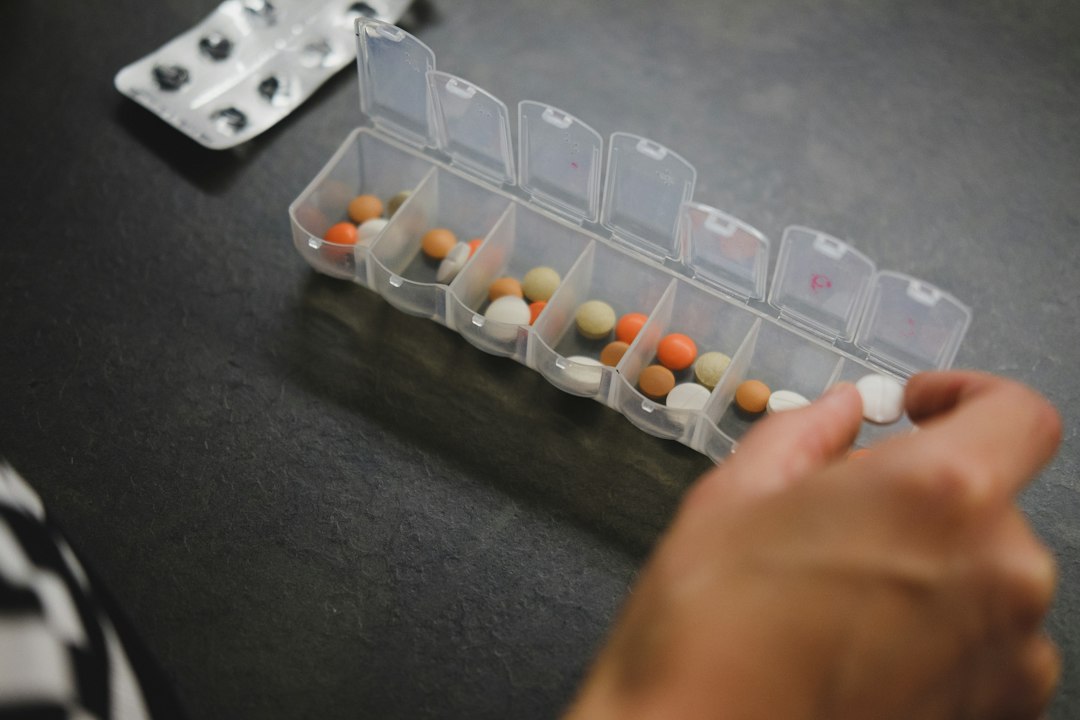
A weekly pill organizer on the counter, loaded on Sunday, tells the truth. If Thursday’s slot is still full on Friday, you did not “basically take it.” You skipped it. I would rather know. For the people who travel for work or race on weekends, a small travel pill case in the shoe bag beats a full bottle rattling through TSA and then living in a hotel drawer until checkout. Neither object is glamorous. Both of them are why the four-week experiment actually lasts four weeks.
Who should leave the bottle closed
Skip the self-experiment if you are pregnant, nursing, or still growing, unless your own clinician puts it in the plan. Skip it if you already take a zinc prescription, penicillamine, or a stack of minerals you cannot list from memory. If a past zinc supplement made you sick, that is data. If you have a diagnosed ulcer, inflammatory bowel disease, or you are mid-treatment for H. pylori, bring the bottle name to your clinician instead of shopping from an article. Some of the older polaprezinc research lives in that neighborhood, which is exactly why I will not turn it into a recommendation.
One more no. Do not use this as cover for a painkiller habit. If you need ibuprofen to finish ordinary training, the training is the problem. A chelate is not a permission structure.
A Tuesday decision, not a protocol
If I boil my own rule down to something you can use before the kettle boils, it is this. Lozenges for a short cold. Zinc L-carnosine, if anything, for a defined stretch when your gut is the thing complaining and your food and training are already mostly in order. Read elemental zinc. Do not stack it on a lozenge week. Do not swallow it with your iron. Reassess at four weeks, and again at eight. If nothing changed, stop. The capsule does not get tenure because you paid for it.
The clients who do well are almost boring about it. Same breakfast. Same capsule. A note about stomach comfort, not miracles. By the time evening miles are just evening miles again, most of them are either done with the bottle or keeping a modest dose because their stomach stopped narrating the warmup.
I still will not hand you the lozenge tin. If you want the zinc I actually keep, start with the chelate, read the panel, and leave the cherry-flavored metal for the week you are genuinely sick.