The question showed up three times in one week, from three clients who don’t know each other. A dental hygienist who runs before her kids wake up. A retired firefighter who still does pull-ups on a beam in his garage. A forty-four-year-old accountant who signed up after watching her brother-in-law cross a finish line in a convention center. They all asked the same thing: “Can I train for a HYROX without joining a gym that has the sleds?”
My honest answer: yes, mostly. You can build about ninety percent of what this race asks for in a living room, a driveway, and the road in front of your house. The last ten percent is a heavy sled on carpet, and I’ll show you how to handle that with one well-timed gym day pass instead of a year-long contract. This is the eight-week winter build I’m handing every client who wants a spring start line. It’s designed around dark evenings, cold mornings, and the reality that most of us train between other commitments, not in a dedicated facility.
HYROX has become the fitness event everybody is searching for this fall. Search-trend trackers put it at roughly a million searches a month, up nearly fourfold from last year, and race weekends are selling out faster than organizers can add them. That’s exciting. It also means a lot of first-timers are about to buy gear they don’t need and skip the training they do. Let’s do it the other way around.

What You’re Actually Signing Up For
Every HYROX race follows the same format, which is one of the reasons I love it as a goal for everyday athletes. You run one kilometer, then complete a workout station. You do that eight times. That’s eight kilometers of running and eight stations, in this order: a 1,000-meter SkiErg, a 50-meter sled push, a 50-meter sled pull, 80 meters of burpee broad jumps, a 1,000-meter row, a 200-meter farmers carry, 100 meters of sandbag lunges, and finally 100 wall balls.
The loads depend on your division. In the Open division, women push a sled weighing 102 kilograms including the sled, pull 78 kilograms, carry two 16-kilogram kettlebells, lunge with a 10-kilogram sandbag, and throw a 4-kilogram ball to a target 2.7 meters high. Open men push 152 kilograms, pull 103, carry two 24s, lunge with 20 kilograms, and throw a 6-kilogram ball to 3 meters. The Pro division goes heavier. For your first race, Open is the right call, and Doubles is a wonderful option if you’d like to split the stations with a friend.
Here’s the part first-timers underestimate: the running is roughly half of most people’s finish time, sometimes more. The stations get the attention on social media, but the race is really an aerobic test with strength interruptions. You will not be fresh for a single kilometer after the first one. That single fact shapes everything in the plan below.
The Home Kit, Ranked by How Much It Earns Its Floor Space
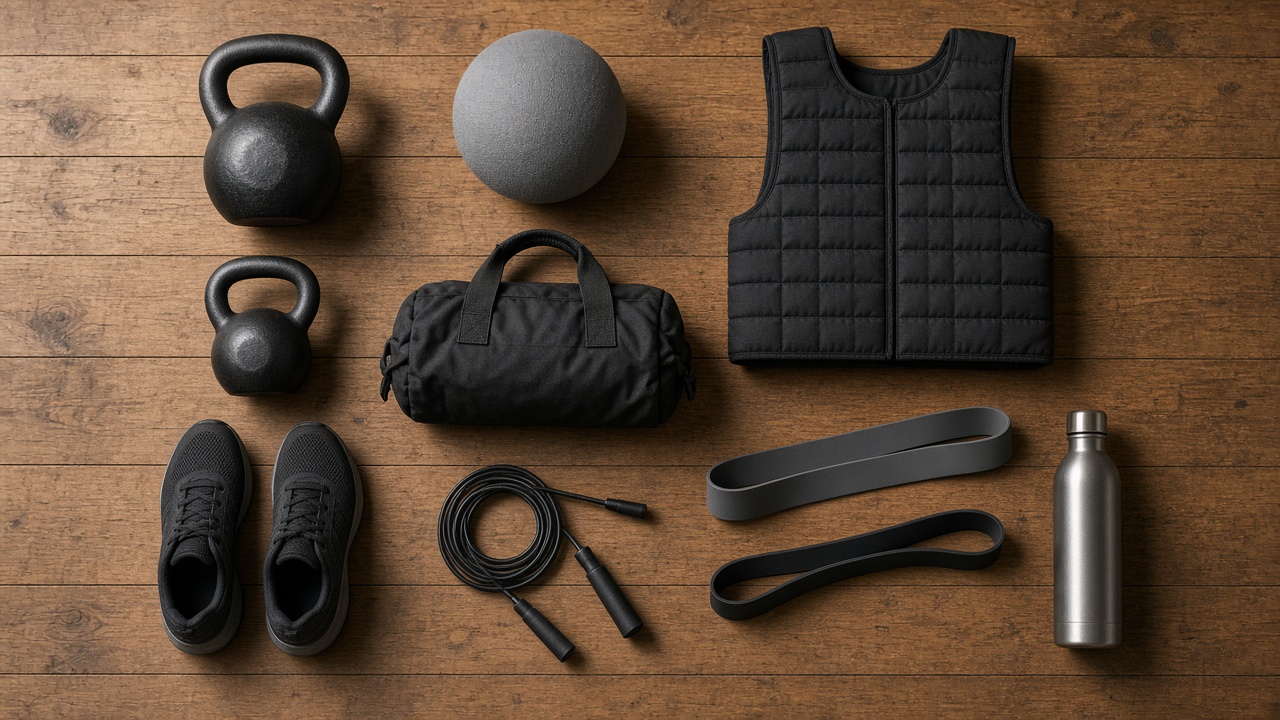
When I sat down with my team to map every station to something you could do at home, the shopping list turned out to be shorter than I expected. You don’t need a sled, a ski machine, or a full rack. You need a few tough, versatile pieces that will still be useful long after race day.
A weighted vest comes first. It turns ordinary running, hill walks, lunges, and burpees into race-specific strength work, and it stands in for the leg drive of the sled push better than anything else I’ve tried at home. I like the month I spent walking with weight as proof of what a vest does for posture and stamina. For HYROX prep, a 12 to 20 pound vest is plenty for most people. The ZELUS Weighted Vest has been a steady Amazon best seller and fits snugly enough to run in without bouncing.
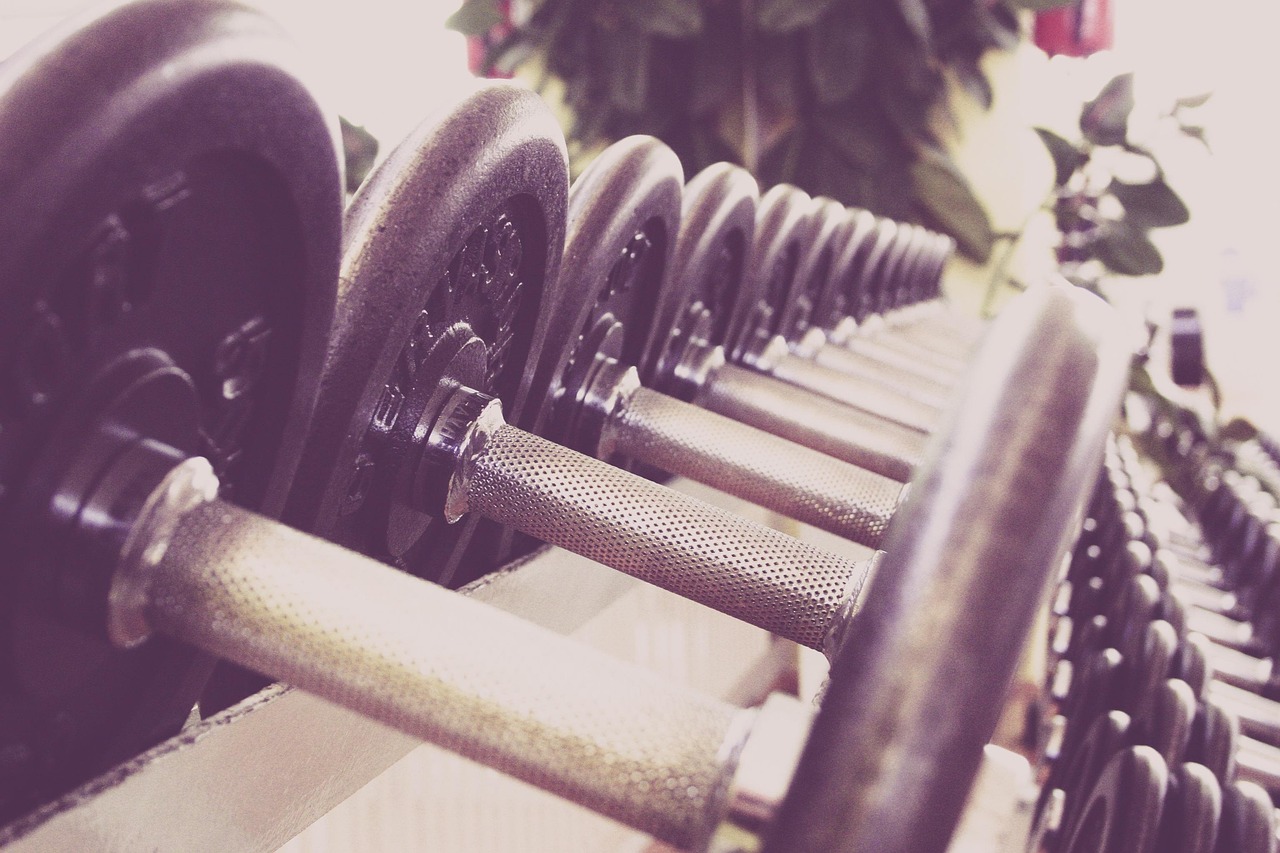
Kettlebells are your carry and your strength. Two matching bells let you train the farmers carry at race weight, and the same pair handles goblet squats, swings, and rows. If you’re starting fresh, two 12-kilogram bells for women or two 16s for men is a smart first purchase, and you can add the race-weight pair later. A simple CAP Barbell Cast Iron Kettlebell is all you need. If you only own one bell right now, my one-bell fall program is a great bridge until the second one arrives.
A soft medicine ball is non-negotiable. Wall balls are the last station, and a hundred of them on tired legs is where races fall apart. You can’t fake the catch-and-squat rhythm with a dumbbell. A Yes4All Soft Medicine Ball in the 6 to 14 pound range lets you practice against a garage wall, a brick exterior, or a sturdy basement wall with a tape target.
A sandbag is the cheapest station you’ll ever buy. Lunging with a bag across your shoulders feels completely different from holding dumbbells at your sides. A fillable Yes4All Heavy Duty Workout Sandbag lets you start light and add sand as the weeks go on.
Everything else on the list is optional, and I’ll flag it as we go.
Running: The Half of the Race Nobody Posts About
If you take only one idea from this article, take this: keep running outside, and don’t swap your runs for indoor cardio just because it’s cold. Running is the backbone of your finish time, and the way you run in a HYROX is unusual. You’re not running a steady 8K. You’re running eight separate kilometers, each one starting with heavy legs, a racing heart, and forearms that feel like they’re full of sand.
Three kinds of runs carry the load in this plan. The first is an easy run at conversational pace, which builds the aerobic engine that lets you recover between stations. The second is intervals, usually 400 to 1,000 meters at slightly faster than goal race pace, which teach you to hold speed when it’s uncomfortable. The third is the compromised run, the most HYROX-specific session there is: you do a station, then immediately run a kilometer, and you learn what your legs feel like when they’re not cooperating.
A GPS watch makes pacing these kilometers a lot easier, and you don’t need to spend a fortune. A Garmin Forerunner 165 handles intervals, heart rate, and lap splits beautifully. If you’d rather keep it under seventy dollars, my colleagues over at tech.omnux.com put five budget smartwatches through a 30-day shootout, and the winner tracks a run just fine.

Winter running needs a little extra care. Dress for twenty degrees warmer than the thermometer says, wear something reflective on dark evenings, and shorten your stride on frosty pavement. If the sidewalks are a sheet of ice, a treadmill session is fine. Just don’t let “it’s cold” become a habit.
Eight Stations, Eight Home Swaps
Here’s how I translate each station for clients training at home. Some swaps are almost identical to the real thing. Others are close cousins that build the same muscles and the same breathing pattern, even if they don’t feel exactly the same.
SkiErg: Band Pulldowns With Purpose
The SkiErg is a two-arm, hinge-and-pull motion driven by your lats, triceps, and core. At home, anchor a long resistance band high on a door or a pull-up bar and do straight-arm pulldowns with a slight hip hinge, matching the rhythm of a ski stroke. Sets of 40 to 60 seconds work well. A set of WODFitters Pull-Up Assistance Bands gives you several tensions in one bundle, and they double for stretching on recovery days.
Sled Push and Sled Pull: The Two You Rehearse Once
These are the stations no living room can truly replicate, and the ones where untrained first-timers lose the most time. At home, build the leg drive with weighted-vest hill walks, steep incline treadmill walks, and bear crawls. For the pull, do heavy band rows and backward walking with your vest on. If you have a driveway or a stretch of grass, a Fitness Pull Sled With Shoulder Harness loaded with plates is a genuine upgrade and you can drag it backward hand over hand with a rope.
Then, somewhere in weeks six or seven, buy one day pass at a gym that has a turf lane and a real sled. Do the sled push and pull at race weight two or three times. The first push always shocks people. Better to be shocked on a Tuesday in January than on race day.
Burpee Broad Jumps: Train the Real Thing
Good news: this station is identical at home. You need a clear strip of floor or grass about ten meters long. Practice stepping back out of the burpee instead of jumping if you need to save your legs, and focus on a smooth, even rhythm rather than giant leaps. Interlocking ProsourceFit Puzzle Exercise Mats make a basement or garage floor much kinder to your hands and knees.
The Row: Use One If You Have One
If there’s a rower in your home already, you’re in luck. Use it for 500-meter and 1,000-meter efforts at the end of your strength days. I’ve written about why so many of my clients end up on a rower by October, and HYROX is one more reason. If you don’t have one, swap in hard running intervals or a few rounds of fast rope skipping. My jump rope comeback guide has a progression that fits neatly into this plan.
Farmers Carry: Grip Is the Whole Game
Two hundred meters doesn’t sound far until your hands open on their own. Carry your kettlebells in the driveway, down the hallway, or around the block, in sets of 40 to 60 meters. Stand tall, keep your shoulders packed, and walk briskly. If sweaty palms are your weak link, a little Liquid Chalk for Grip goes a long way in training, though check your race’s rules before relying on it at the event.
Sandbag Lunges: Where the Legs Go to Get Honest
Load the bag across your upper back and lunge, with the back knee touching down gently every rep. Start with 20 lunges per set and build to 50 continuous. Lunges arrive after roughly seven kilometers of running, so in the later weeks I always put them right after a hard run.
Wall Balls: The Finale You Should Practice Tired
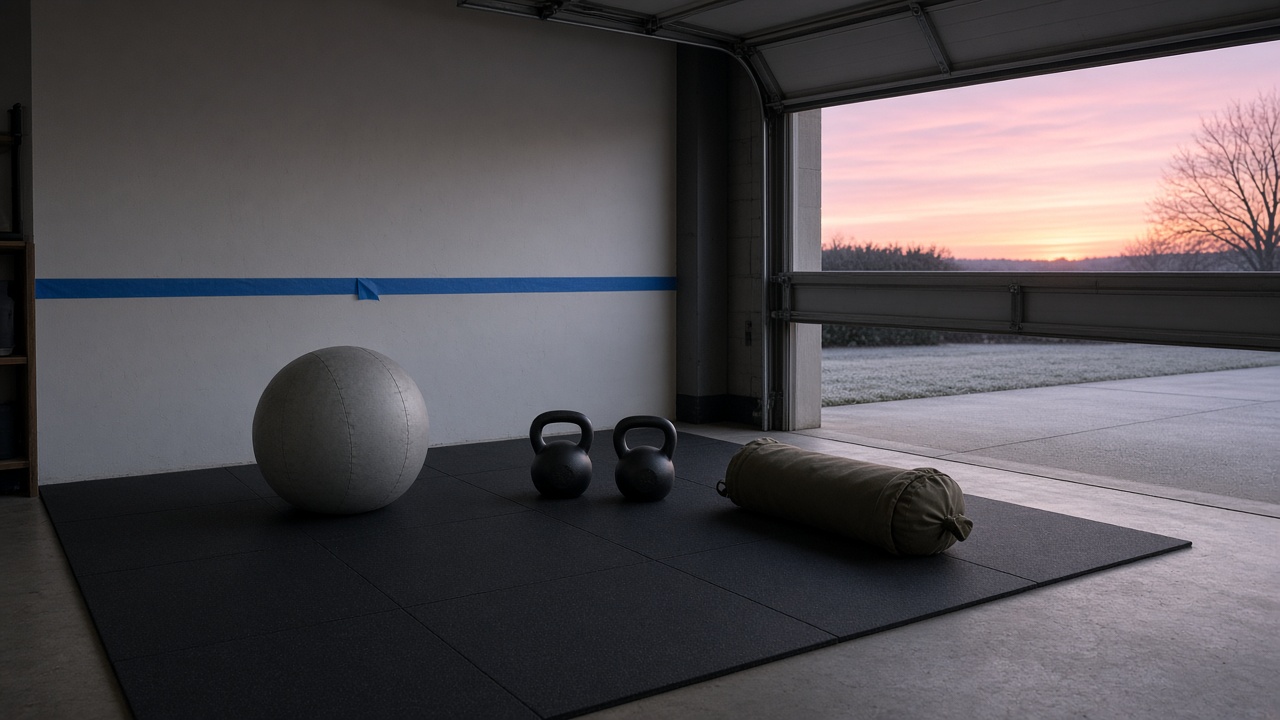
Find a wall with enough ceiling clearance, mark a target with painter’s tape at 2.7 or 3 meters, and squat-and-throw. Catch the ball high, ride it down into the squat, and drive it back up in one motion. Break the hundred into sets early, like 25 sets of four or 10 sets of ten, before you need to. Your goal is never to stop for long.
The Eight-Week Winter Build
This plan assumes you can already run 5K without stopping and have done some basic strength training. If that’s not you yet, spend four weeks building there first. There’s no shame in a later race. Four sessions a week is the sweet spot for most busy adults: two strength-and-station days, one interval or compromised day, and one easy long run.
Weeks 1 and 2: Lay the Foundation
- Day 1, Strength: Goblet squats 3×10, kettlebell Romanian deadlifts 3×10, band rows 3×12, push-ups 3×8 to 12, farmers carry 4×40 meters.
- Day 2, Intervals: 10-minute warm-up, then 6×400 meters at a hard but controlled effort with 90 seconds of walking between.
- Day 3, Stations: Three rounds of 60 seconds band pulldowns, 10 burpee broad jumps, 20 sandbag lunges, and 20 wall balls, resting two minutes between rounds.
- Day 4, Easy Run: 30 to 40 minutes at conversational pace.
Weeks 3 and 4: Build the Engine
- Add a fourth round to Day 3 and put the weighted vest on for the lunges.
- Stretch the intervals to 5×800 meters.
- Introduce your first compromised session: 1 km run, 30 wall balls, 1 km run, 40 meters of farmers carry, 1 km run. That’s it. Notice how the second kilometer feels.
- Lengthen the easy run to 45 minutes.
Week 5: Back Off on Purpose
Cut every session by about a third. Keep the intensity, drop the volume. This is where the adaptations from the first month actually settle in. Clients who skip the deload week are the same clients who email me in week seven about a cranky Achilles.

Weeks 6 and 7: Make It Feel Like Race Day
- Compromised session: Four rounds of 1 km run followed by a station swap, rotating through all eight across the two weeks. Rest only as long as it takes to set up the next station.
- Gym rehearsal: Use your day pass for the sled push, sled pull, and real SkiErg at race weight.
- Strength: Keep one strength day, with heavier carries and lunges with your vest on.
- Easy run: Build toward 8 to 10 kilometers at a comfortable pace.
Week 8: Sharpen and Rest
Two short sessions early in the week, with a few kilometers at race pace and a handful of wall balls and burpee broad jumps. Then rest. Lay out your shoes, your gear, and your breakfast the night before. Your fitness is already built. The final week is about arriving fresh enough to use it.
Fueling and Recovery Between Sessions
Winter training sneaks up on hydration. You don’t feel thirsty in the cold, but you still sweat under layers, and the dry indoor air pulls more water out of you overnight. I keep a sodium-forward mix like LMNT Electrolyte Drink Mix on hand for compromised sessions and long runs. Protein matters, too: aim for a solid serving at each meal and within a couple of hours after your hardest sessions, since this plan asks a lot of your legs.
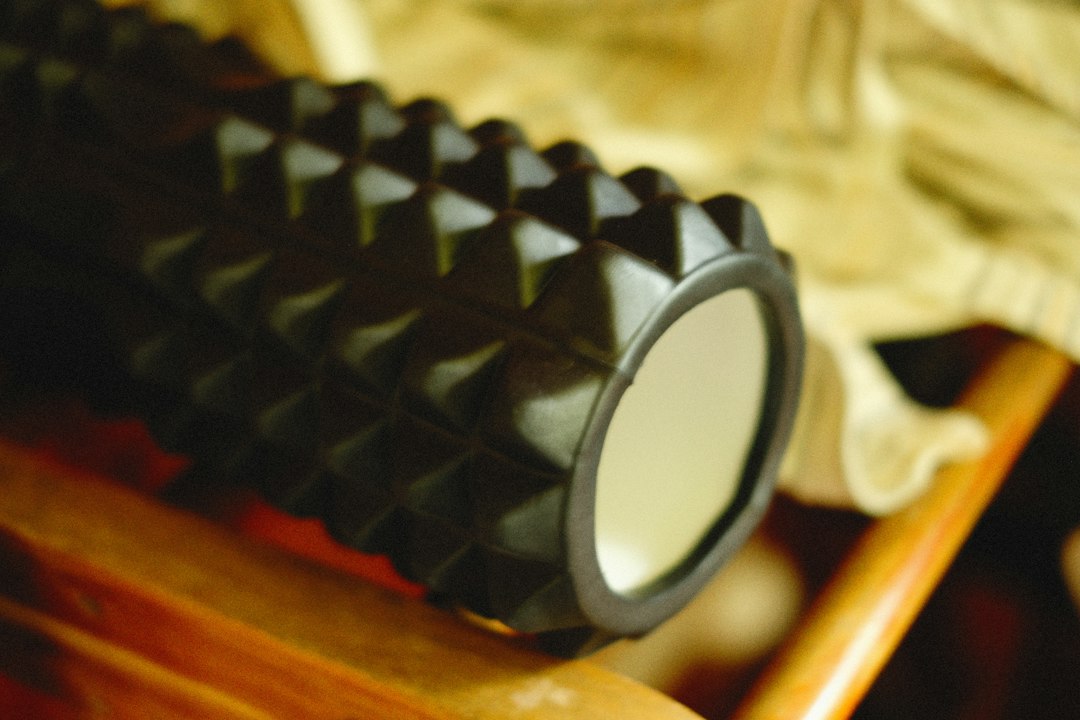
On the recovery side, sleep is the first and most powerful tool. After that, ten minutes of rolling on quads, calves, and upper back keeps lunges and wall balls from turning into a stiff, shuffling mess. A ridged, firm roller like the TriggerPoint GRID Foam Roller is my go-to. Roll the evening after your station days and before your easy run.
One more seasonal note, because flu is running early and hard this fall: if you get sick during the build, don’t try to make up lost sessions. Wait until you’ve been fever-free for at least a day or two, and see a doctor if you have chest symptoms. Then return with easy runs before stations. Missing a week costs you very little. Training through a fever can cost you the race.
Race Morning Lessons From the Clients Who Went Before You
My team and I compared notes from clients who have already raced, and the same mistakes keep coming up. They sprinted the first kilometer and paid for it for the next seven. They didn’t break up the wall balls until they had to, and then spent four minutes staring at the target. They didn’t practice the sled, and lost more time on two stations than on all eight kilometers of running combined. Every one of those mistakes is fixable in training.
Run your first kilometer slower than you think you should. Walk through the transition zone with purpose, but don’t panic. Treat the farmers carry and lunges as your chance to breathe, because the wall balls are coming. And smile on the last run. You’ve earned it.
My HYROX Home Kit Short List
- Weighted vest for sled-drive work: ZELUS Weighted Vest
- Kettlebells for carries and strength: CAP Barbell Cast Iron Kettlebell
- Wall ball: Yes4All Soft Medicine Ball
- Sandbag for lunges: Yes4All Heavy Duty Workout Sandbag
- Bands for SkiErg swaps: WODFitters Pull-Up Assistance Bands
- Driveway sled (optional): Fitness Pull Sled With Shoulder Harness
- Floor for burpee broad jumps: ProsourceFit Puzzle Exercise Mats
- GPS watch for pacing: Garmin Forerunner 165
- Grip help in training: Liquid Chalk for Grip
- Hydration: LMNT Electrolyte Drink Mix
- Recovery: TriggerPoint GRID Foam Roller
The Start Line Is Closer Than It Looks
When I was competing in the heptathlon, the events I feared most were the ones I hadn’t practiced enough. Every athlete knows that feeling. HYROX is no different. Eight weeks is enough time to turn a vague, nervous “maybe” into a confident first finish, and you can do almost all of it with a few pieces of gear, a stretch of road, and a wall you don’t mind hitting with a ball.
So pick your race, tape that target on the wall, and lace up for your first easy run this week. Winter is the perfect season to build something quietly, so that spring can show it off. I’ll be cheering for you from the side of the course.