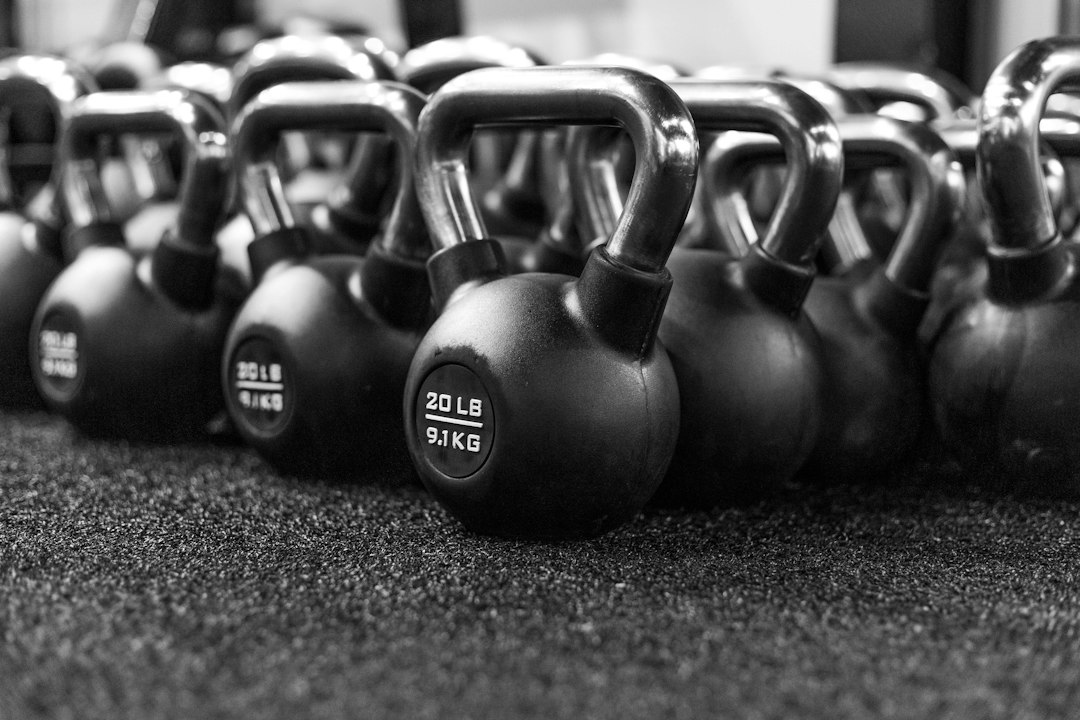
I spent most of my twenties collecting kettlebells the way other people collect coffee mugs. There was the 26-pounder I bought for high-rep swings, the 35 that carried me through my heptathlon off-seasons, the 44 that mostly served as a very expensive doorstop by the end. Six bells lined up in the garage like bowling trophies, occupying a shelf I could have used for, well, anything else. So when September rolled around this year and I found myself coaching yet another client through building a home gym from scratch, I finally took my own advice: I let the whole shelf go and replaced it with a single adjustable kettlebell. Thirty days later, I’m not sure I’m ever going back.
Here’s the thing about kettlebells that nobody warns you about at the register. Each one is a single, unchanging weight. The moment you get stronger — or the moment your partner, your teenager, or your training buddy wants in — you need another bell. It’s the exact problem my crew and I already solved on the dumbbell side of the garage, and I wrote about that transition when adjustable dumbbells retired my entire wall of iron. This fall, the kettlebell shelf was the last domino.
Why Kettlebells Earn Their Footprint Before They Earn a Shelf
Before I talk you out of buying six bells, let me make the case for owning at least one. The kettlebell is the most honest piece of equipment in my garage. That offset handle drags the center of mass a few inches in front of your wrist, which turns even slow exercises into a conversation with your grip, your lats, and your core. Swings teach your hips to produce power the way no machine ever will. Carries build the kind of trunk strength that shows up when you’re hauling groceries or hauling yourself up a hill at mile twenty.
I came to bells honestly. My old track coach kept three rusted ones in the corner of the weight room, and every Tuesday started with one hundred swings before we were allowed to touch a barbell. Twenty years later, the science has caught up with what coaches knew anecdotally: ballistic hip hinge work improves rate of force development, and that transfers to sprinting, jumping, and honestly, to feeling capable in your own body. My assistant coaches run swing blocks with nearly every client now, from twenty-two-year-old athletes to seventy-year-old grandmothers who want to keep picking up their grandkids.
The problem was never the tool. The problem was the arithmetic. Six bells, roughly 145 pounds of iron, five square feet of shelving — for one person. There had to be a better ratio.
One Dial, Thirty Days: What Actually Changed
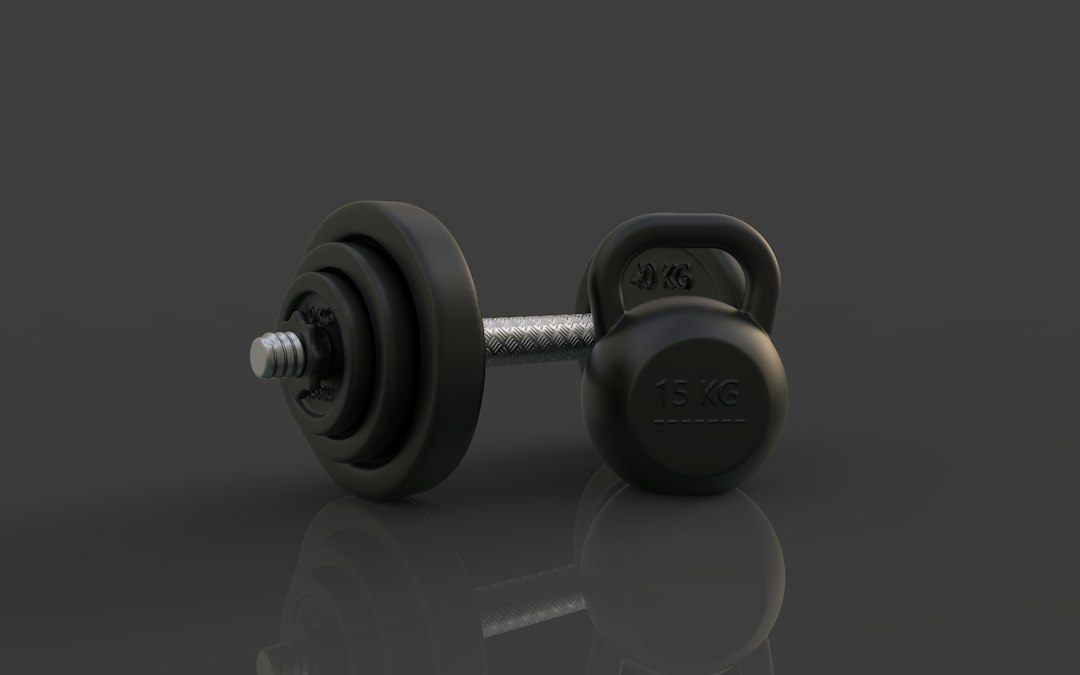
The bell I moved into the empty shelf slot was the BowFlex SelectTech 840, which adjusts from 8 to 40 pounds with a simple dial on top. That range sounds modest until you live inside it. My warm-ups start at 15 pounds for halos and goblet squats. My working swings sit at 35. On heavy days I press the full 40. One object, three jobs.

The honest part, because you come here for honest parts: an adjustable bell is a compromise, not a miracle. The handle on the 840 is chunkier than a competition bell’s, because it has to house the adjustment mechanism. There’s a faint click of moving plates when you reposition mid-set. And the way the weight sits on your forearm in a rack position is slightly different from a fixed bell — my forearms needed about a week to stop complaining about it. None of that stopped my training. All of it is worth knowing before you click buy.

Three Bells My Crew Tested, and Who Each One Is For
I don’t test gear alone anymore — between my coaching staff and a small army of volunteer clients, we put every candidate through the same two-week gauntlet: swings, presses, squats, carries, get-ups, and a suspicious number of one-arm rows. Three adjustable bells survived with our recommendation, and each one fits a different person.
The first is that BowFlex 840 I mentioned — still the best pick for most people, especially beginners and anyone who wants the weight to change in under three seconds. Dial, twist, go. My newer clients never fumble with it, and the 8-to-40 pound range covers a woman’s entire first year of training and most men’s first six months of pressing and rowing work.
The second is the REP Fitness 40-pound adjustable bell, which uses a quick-release pin instead of a dial. It feels more like a traditional bell in the hand, with a slimmer handle my crew’s bigger-handed lifters preferred. If you already know you love bells and you want the closest thing to the real deal with adjustability tacked on, this is the one. REP also makes their version in smaller and larger max weights, so my taller, stronger male clients often start at the 50-pound tier instead.
The third is the sleeper hit of our fall testing block: the Titan Fitness 12-to-32-kilogram adjustable competition-style bell. Competition bells have a fixed diameter regardless of weight, and Titan somehow preserved that feel in an adjustable. It was the unanimous favorite of everyone who tested at 32 kilograms (about 70 pounds) — but it’s heavy, it’s expensive, and the adjustment process is slower. It’s for the person who is already committed. If that’s you and your budget says otherwise, the Titan 10-to-40-pound drop-cast set hits a friendlier price point by letting you add or remove cast plates with a simple locking mechanism.
Where Adjustable Bells Genuinely Fall Short
If I let this article be all sunshine, my physical therapist would stage an intervention. So here are the real limits. First, the ceiling: 40 pounds is plenty for swings and carries forever, but eventually your pressing strength outgrows it, and adjustable competition bells get pricey quickly. Second, the handle: because one grip must serve every weight, you lose the variety of handling different bells force on your training. Third, resale and durability — a fixed cast iron bell survives being dropped for generations; I treat every adjustable bell like the precision tool it is.
That’s why my garage isn’t a monoculture. The adjustable bell runs daily training, and one classic powder-coated cast iron bell stays for heavy days and for teaching clients what a competition handle feels like. Two objects, zero shelf, complete program. When clients ask what order to buy things in, I still tell them what I’ve told every September cohort for years: the bench comes first, and I wrote the whole case for that here. The adjustable bell is a very close second.
The Budget Path: Handle First, Bell Second
Not everyone needs a purpose-built adjustable bell, and I’d rather you start training this week than save for three months. The oldest trick in the budget playbook is the plate-loaded handle. The Apex adjustable handle turns any set of one-inch plates you already own into a kettlebell up to 50 pounds. Is it as balanced as a real bell? No. Does it swing, squat, and row well enough to build real strength? Absolutely — my first “kettlebell” in college was exactly this rig, made from borrowed plates.
Travelers get an even lighter option. The Yes4All kettle grip clips onto a standard dumbbell and turns it into a bell in ten seconds. Mine lives in my travel bag and has survived hotel gyms across three time zones. For twenty dollars it’s the cheapest entry into kettlebell training that exists, and I keep two in my coaching kit for demonstrations.
The One-Bell Fall Program I’m Coaching Right Now
An adjustable kettlebell with no plan is a very expensive paperweight, so here’s the program my October clients are running. The backbone comes from Pavel Tsatsouline’s Simple & Sinister, the book I hand to every beginner because it distills training to two movements: the one-arm swing and the Turkish get-up. Ten swings per side, ten get-ups per side, every single day. That’s it. It sounds too simple to work, which is exactly why it works for months.

Three days a week, we add a strength block: goblet squats, one-arm presses, and loaded carries — the farmer carry being the single most underrated exercise in existence. The adjustable dial shines exactly here: squats at your top weight, presses two clicks lighter, carries back at the top. On cardio days, we don’t touch the bell at all; most of my crew pairs this with the rower, and I explained why everyone I coach ends up on a rower by October last week.
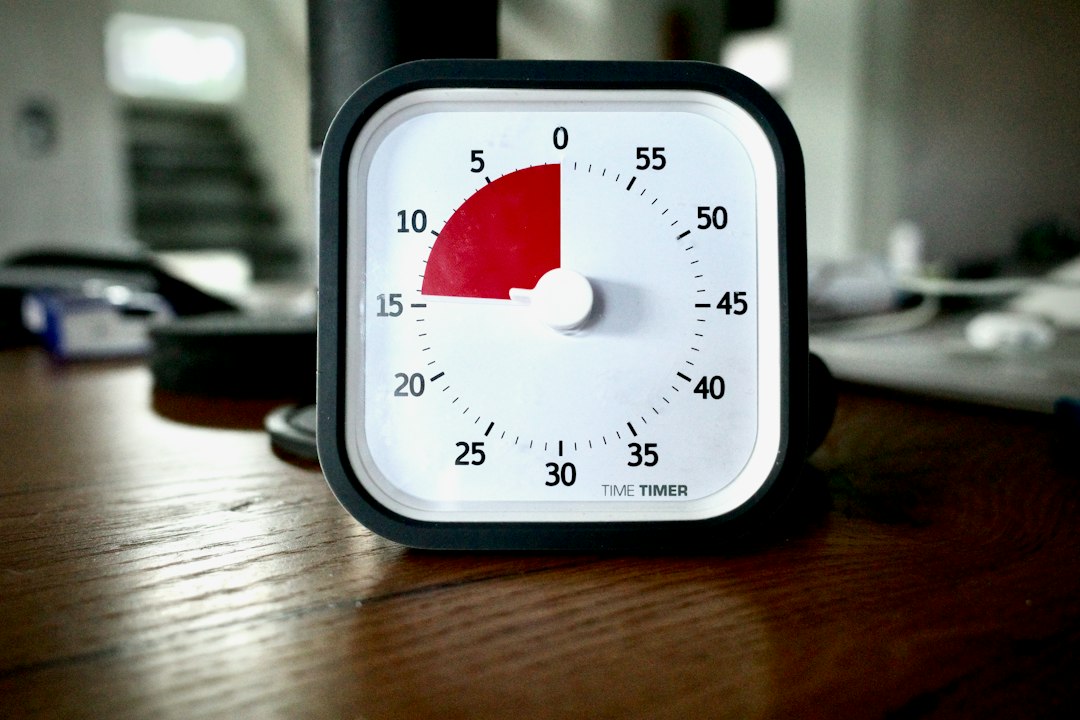
One small purchase transformed these sessions: a magnetic interval timer that lives on the garage door frame. Swings at the top of each minute, get-ups against a running clock, carries for distance but timed anyway — a visible countdown turns a casual session into training. It’s under thirty dollars and my clients quietly blame it for their best months ever.
The Little Upgrades That Protect Your Hands and Your Floor
Bells are grip work, and grip work is skin work. Once my clients move past twenty-minute sessions, torn calluses start showing up in my texts, so I now hand every one of them a block of magnesium chalk in week two. A light dusting before swings keeps the handle from slipping when your heart rate climbs, and it costs pennies per session.

And please, protect your floor. A dropped bell will announce itself through concrete, tile, and every floorboard in between — my neighbors confirmed this during one memorable 6 a.m. session. Thick interlocking tiles under your training corner cost less than replacing one section of hardwood, and they define the space psychologically too. That visual boundary matters more than people think; when your brain sees a training zone, your body shows up for it. If you’re mapping a corner from scratch, the layout philosophy I laid out for building an elite training corner in six square feet works perfectly around a single bell and a timer.
Keeping an Adjustable Bell Honest
Maintenance is simple but non-negotiable. Keep the adjustment mechanism clean — dust and chalk grit are the enemies of any dial or pin system, so a quick wipe after chalked sessions has become my closing ritual. Check that plates seat fully before every set; a half-seated plate is how you meet your floor early. And store the bell on the floor or a low cradle, never on a high shelf, because gravity and cast iron keep no secrets.
Every few weeks, test the dial through its full range even if you never use the lightest weights. Mechanisms that sit unused are the ones that seize, and thirty seconds of rotation keeps everything moving. Treat it like the precision tool it is and it will outlast several generations of gym memberships.
Thirty Days Later, Would I Do It Again?
In a heartbeat. The shelf is gone, the floor space is now a stretching corner, and my training has not lost a single beat. If you’re starting from zero, buy the dial-style bell and the book, and give yourself twelve weeks. If you already train hard and know your numbers, the pin-loaded or competition-style options will feel more like home. And if your budget says not yet, the plate-loaded handle starts you this week for the price of a pizza night.
The adjustable kettlebell isn’t the most glamorous purchase you’ll make this fall. It’s just the one that quietly runs everything else — the way good tools always do. Now if you’ll excuse me, it’s top-of-the-minute swing time.