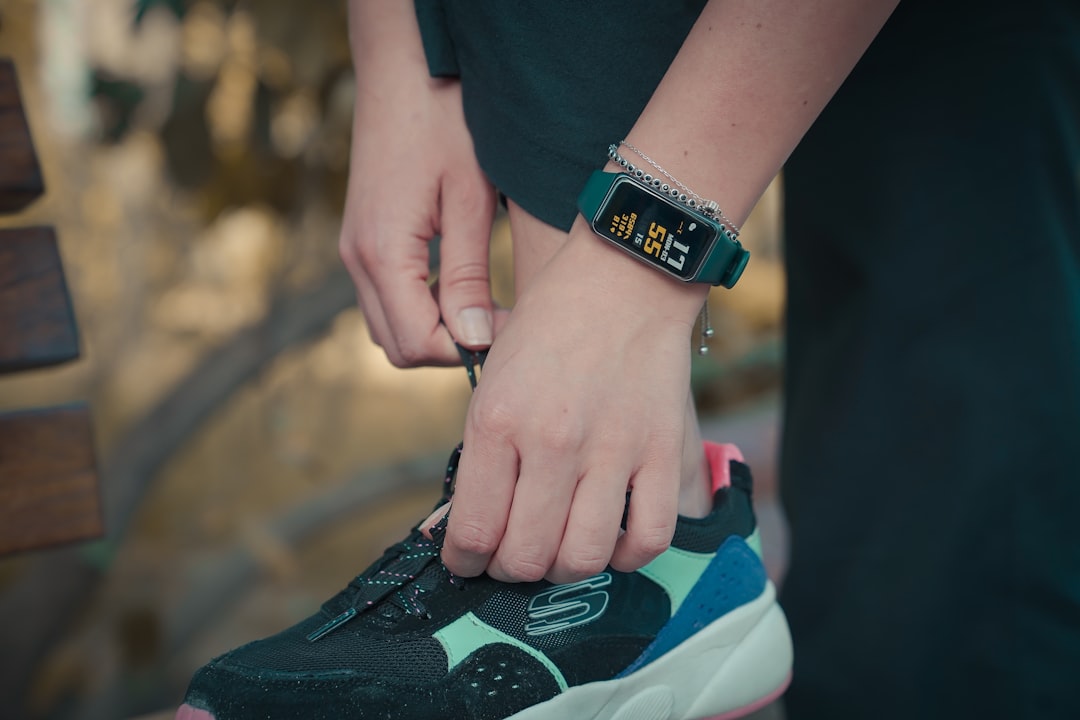
I have a confession that might sound a little unhinged coming from a wellness coach: I strapped three fitness trackers to my body every single day for three months. A Garmin Venu 4 on my left wrist, a WHOOP band on my right, and an Oura Ring 4 on my finger. My partner started calling me the Borg. My clients raised eyebrows. But I needed to know — once and for all — whether the hundreds of dollars we’re all spending on wearable tech is actually changing our health, or just giving us prettier charts to glance at during breakfast.
What I discovered surprised me. Not because one device was clearly superior — they’re all impressive in different ways — but because only one of them actually changed my daily behavior. And it wasn’t the one I expected.
Why I Committed to the Triple-Tracker Experiment
I’ve been in the health and fitness world long enough to remember when a pedometer was cutting-edge technology. The first wearable I ever owned was a clip-on Fitbit that counted steps and basically nothing else. Fast forward to 2026, and we’ve got devices measuring blood oxygen, heart rate variability, sleep architecture, recovery scores, menstrual cycles, stress levels, and even predicting how ready you are to train. It’s remarkable — but it also creates a problem that nobody seems to be addressing.
When three different devices give you three completely different “recovery scores” on the same morning, which one do you trust? When your smartwatch says you slept seven hours but your ring says five, what’s actually happening? These aren’t hypothetical questions for me — they come up constantly with my coaching clients who’ve invested in wearables and feel more confused, not less.
So I decided to become my own lab rat. I’d wear the Garmin Venu 4, the WHOOP Peak, and the Oura Ring 4 simultaneously for 90 straight days. I’d track everything — sleep, workouts, recovery, stress, daily activity — and compare the data against how I actually felt. No cherry-picking, no brand loyalty. Just an honest, messy, real-world test.
Photo: Testing wearables means checking a lot of apps. My morning coffee got cold more times than I can count.
The Three Contenders and What They Promise
The Garmin Venu 4: The Everything Watch
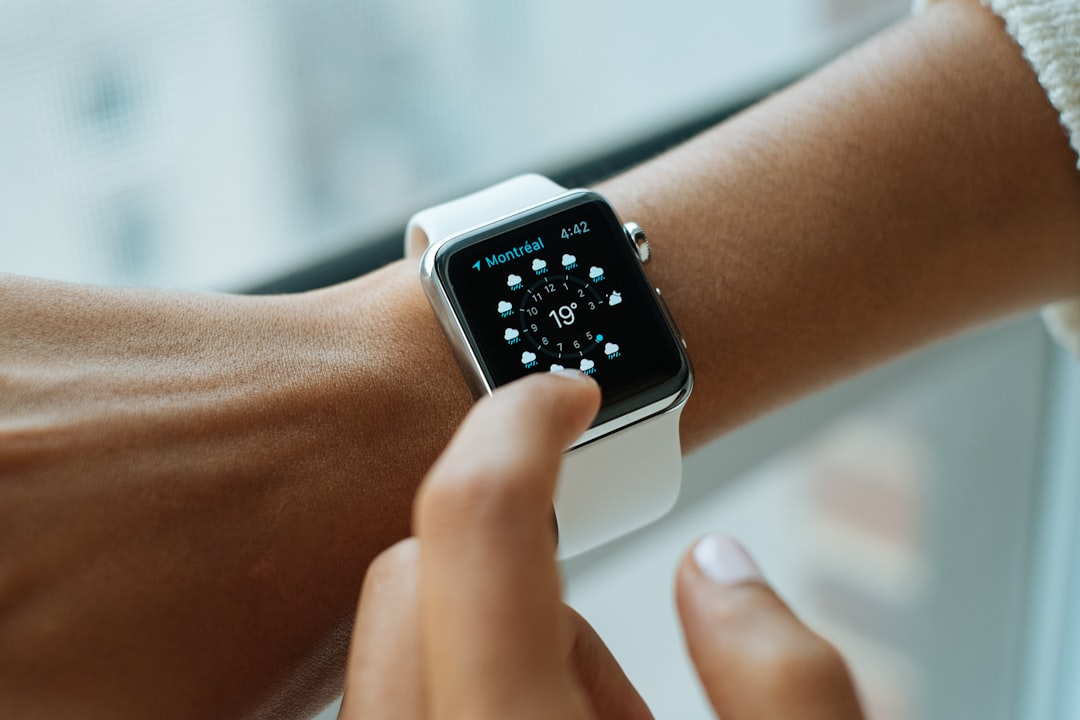
Garmin has been the gold standard for serious athletes for years, and the Venu 4 represents their most lifestyle-friendly flagship yet. It’s a gorgeous AMOLED display with built-in GPS, a flashlight (genuinely useful for early-morning runs), and an absurd 12-day battery life. Garmin positions it as a do-everything device — fitness tracker, smartwatch, health monitor, navigation tool. At around $450, it’s not cheap, but it’s less than an Apple Watch Ultra and does far more for training-focused athletes.
What drew me to Garmin was their Training Readiness score — a composite metric that looks at sleep quality, HRV, stress, acute load, and sleep history to tell you whether you should push hard or take it easy. As someone who’s been guilty of overtraining more times than I’d like to admit, I loved this idea in theory. The question was whether it actually worked.
If you’re considering a more budget-friendly Garmin, the Garmin Vivoactive 6 offers many of the same health metrics for significantly less, though you’ll miss out on some advanced training features.
The Garmin on my left wrist became my default “check my stats” device — the screen is bright enough to read in direct sunlight, which matters more than you’d think.
The WHOOP Peak: The Recovery Obsessive
WHOOP has carved out a fascinating niche. Unlike every other tracker on the market, it has no screen — it’s purely a data collection band that sends everything to your phone. The philosophy is that you don’t need another screen competing for your attention. You need a recovery score, a strain target, and honest feedback about whether your body is ready for what you’re about to put it through.
The new WHOOP Peak, which launched earlier this year, is their most refined device yet, with 14+ days of battery life and their most advanced biometric sensor suite. The subscription model ($239/year for Peak) means you’re paying for the service as much as the hardware. That can feel steep until you realize the depth of coaching insights and the menstrual cycle tracking — which has been genuinely eye-opening for understanding how my training capacity fluctuates throughout the month.
WHOOP also offers tiered memberships so you can choose the level of coaching that fits your goals and budget.
The screenless design meant I checked my phone less. Ironically, the tracker without a display was the one that reduced my screen time.
The Oura Ring 4: The Sleep Specialist
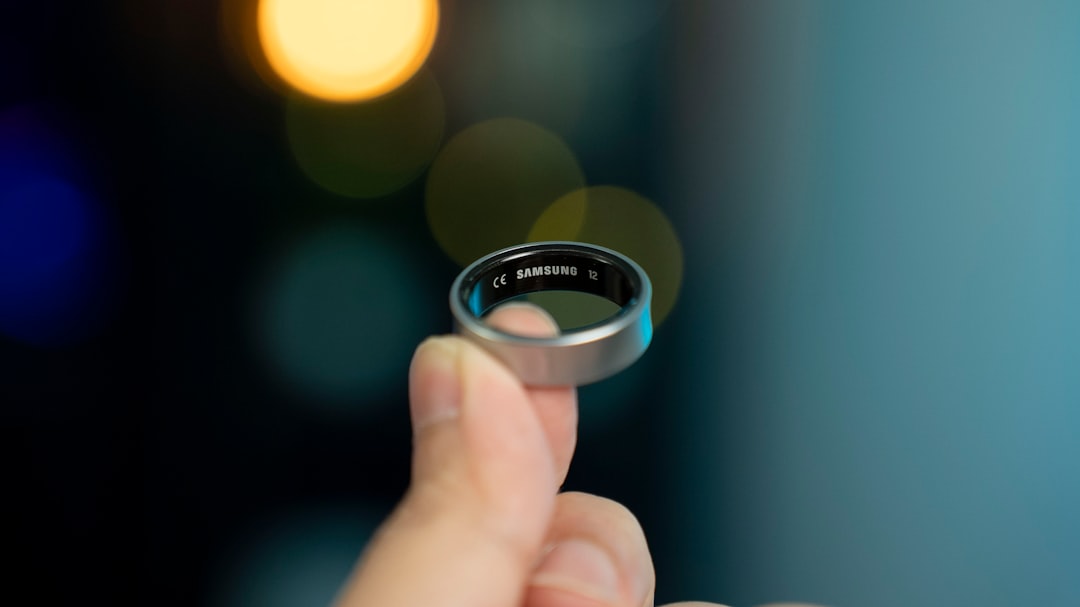
Oura made its name as the sleep tracking company, and the Ring 4 continues that legacy. But what’s changed is how much it’s evolved beyond sleep. The new sensors track over 20 biometric signals, the AI Advisor feature actually provides useful (not annoying) guidance, and the ring form factor means you barely notice you’re wearing it. No wrist bulk, no screen to crack, no band to adjust mid-workout.
The downside? You can’t easily wear it during heavy barbell work — I learned that the hard way when a deadlift session left a scratch on the underside. Oura specifically notes that you may want to remove it for certain activities. The newer Oura Ring 5 addresses some durability concerns, but the Ring 4 remains their most refined mainstream option at a slightly lower price point.
At $349 plus a $5.99/month membership, Oura sits in the middle of the pack on price. Its strength is the depth and personalization of its sleep analysis — nobody else comes close for distinguishing between REM, deep, and light sleep with ring-based sensors.
The ring was the easiest to forget I was wearing — which turned out to be both its biggest advantage and its biggest limitation.
The Setup: Becoming a Walking Data Lab
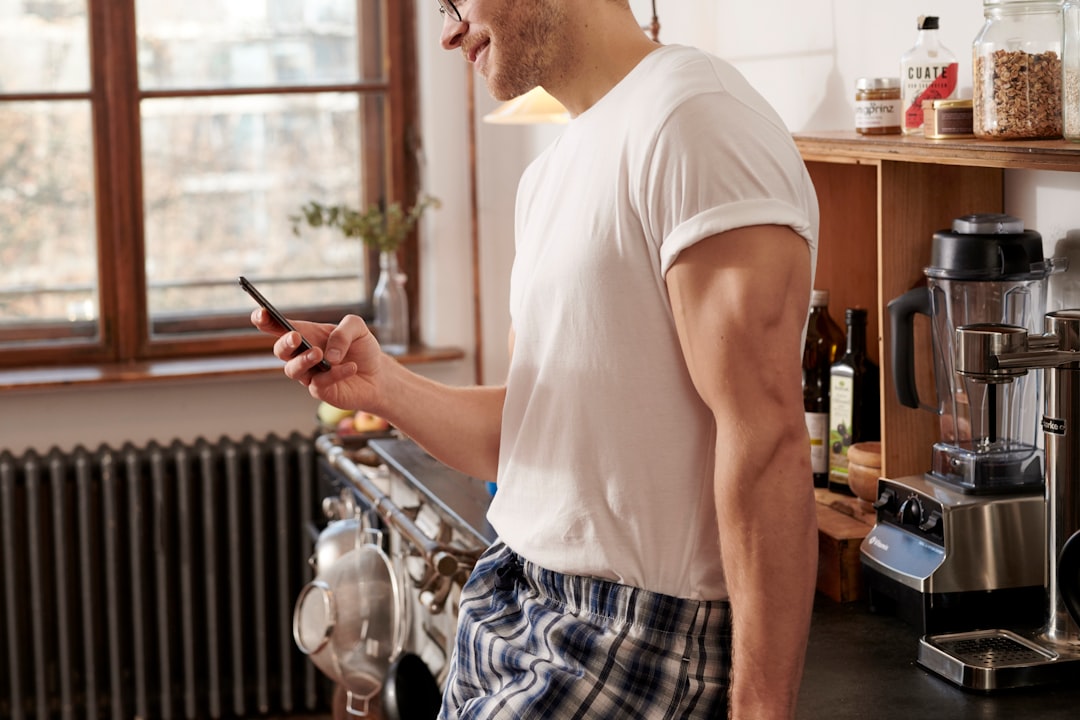
Morning routine got complicated. I’d wake up, lie still for a moment while all three devices finished their overnight analysis, then scroll through three separate apps comparing their verdicts. Garmin’s Training Readiness said 84. WHOOP’s Recovery said 62%. Oura’s Readiness said 91. Same body, same night, three wildly different assessments. On bad mornings, this triple-check routine could eat 20 minutes.
I quickly developed a system. I’d check WHOOP first because it was the strictest — if WHOOP said I was recovered, I could trust the other two would agree. Oura was my sleep deep-dive, the one I’d open when I wanted to understand why a night felt off. Garmin was my training planner, the tool that helped me decide what type of session to do.
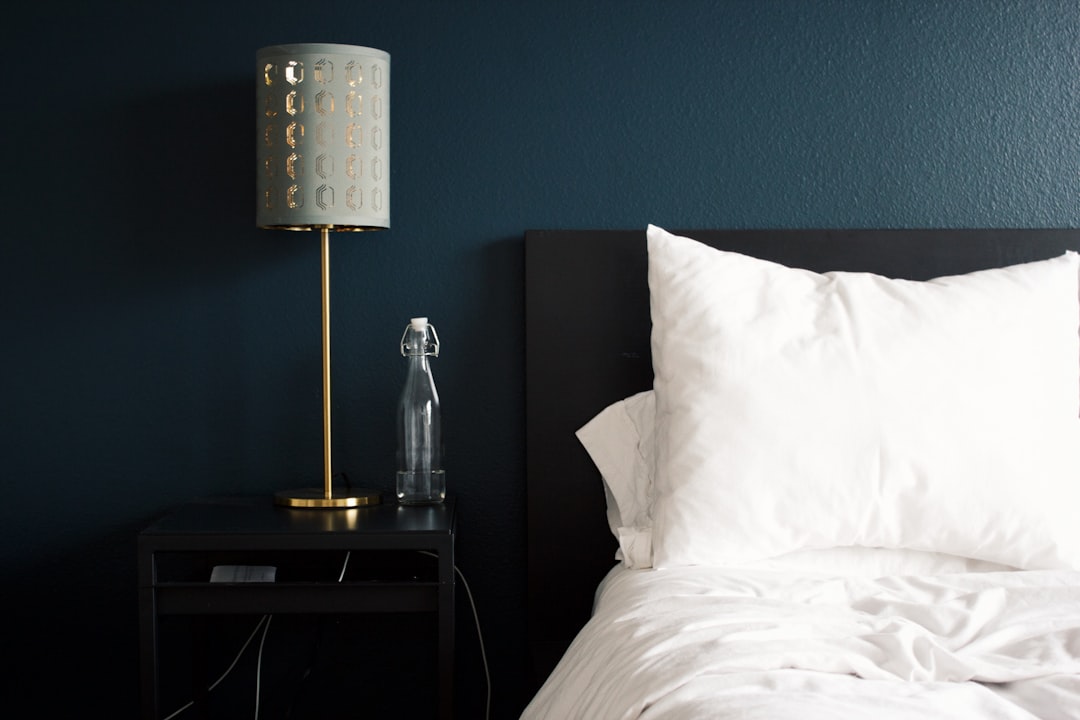
To keep everything charged and organized, I set up a dedicated charging station on my nightstand, which became essential when juggling three devices with different charging protocols. Oura’s ring charger is proprietary and needs its own spot, WHOOP uses a magnetic battery pack that clips on, and Garmin uses a standard USB-C cable.
My nightstand looked like a tech museum. The charging cables alone required a power strip upgrade.
Sleep Tracking: Where the Data Diverged Most
If there’s one area where I expected these devices to agree, it was sleep. They’re all using similar technology — photoplethysmography (PPG) sensors measuring blood flow and heart rate — and they’re all working from established research on sleep architecture. Yet on any given night, the disagreement was startling.
Over 90 nights, I tracked the discrepancies closely. On average, Garmin reported about 25 more minutes of total sleep than Oura, while WHOOP fell almost exactly in the middle. Deep sleep showed the widest gap — one memorable night, Oura credited me with 1 hour 42 minutes of deep sleep, while Garmin gave me just 38 minutes. WHOOP said 1 hour 12 minutes. I felt like I’d slept great, for what it’s worth.
Which one was right? Without a proper polysomnography study (the clinical gold standard, which involves sleeping in a lab with electrodes on your scalp), there’s no way to know for certain. But I found Oura’s sleep scores correlated most closely with how I felt in the morning. When Oura gave me a low sleep score, I usually felt it. When Garmin’s sleep score was low, I didn’t always notice.
This matches what researchers found in a 2025 meta-analysis — ring-based sensors tend to perform better for sleep tracking because they’re less prone to the motion artifacts that plague wrist-based devices. If you’re someone who tosses and turns, a ring might capture more accurate data than a watch.
I’ve written before about my deep dive into rebuilding my sleep setup, and this experiment only reinforced what I learned: the tracker matters less than the habits. Going to bed at the same time, keeping the room cool, and avoiding alcohol before bed did more for my sleep scores than any device upgrade ever could.
The bedroom setup matters as much as the tracker. Cool, dark, quiet — the non-negotiables haven’t changed.
Heart Rate Accuracy During Workouts
Here’s where things got really interesting — and where my competitive athlete background came in handy. I have a Polar chest strap from my track days, so I used it as a reference standard to see how each optical sensor performed during different workout types.
For steady-state cardio — my morning runs and cycling sessions — all three devices stayed within 3-5 beats per minute of the chest strap. Garmin was the most consistent, occasionally matching it exactly. Oura was surprisingly good for a ring, rarely drifting more than 4 BPM. WHOOP occasionally lagged during the first few minutes of a workout as the sensor warmed up, but then locked on reliably.
High-intensity interval training told a different story. During heavy kettlebell circuits and sprint intervals, wrist-based optical sensors struggle with the rapid changes in heart rate and the wrist flexion that comes with gripping weights. Garmin handled this best, probably due to its multi-LED sensor array. WHOOP was decent but occasionally reported peak heart rates 10-15 BPM lower than reality. Oura, which I often removed during lifting anyway, wasn’t designed for this type of real-time tracking.
If you’re serious about training accuracy, nothing replaces a chest strap heart rate monitor for high-intensity work. The Garmin HRM 600 is the most advanced option, but even a budget-friendly chest strap will outperform any wrist or ring sensor for intervals.
For reference, this kind of accuracy question comes up all the time in broader health metric tracking — the data is only as good as the sensor collecting it.
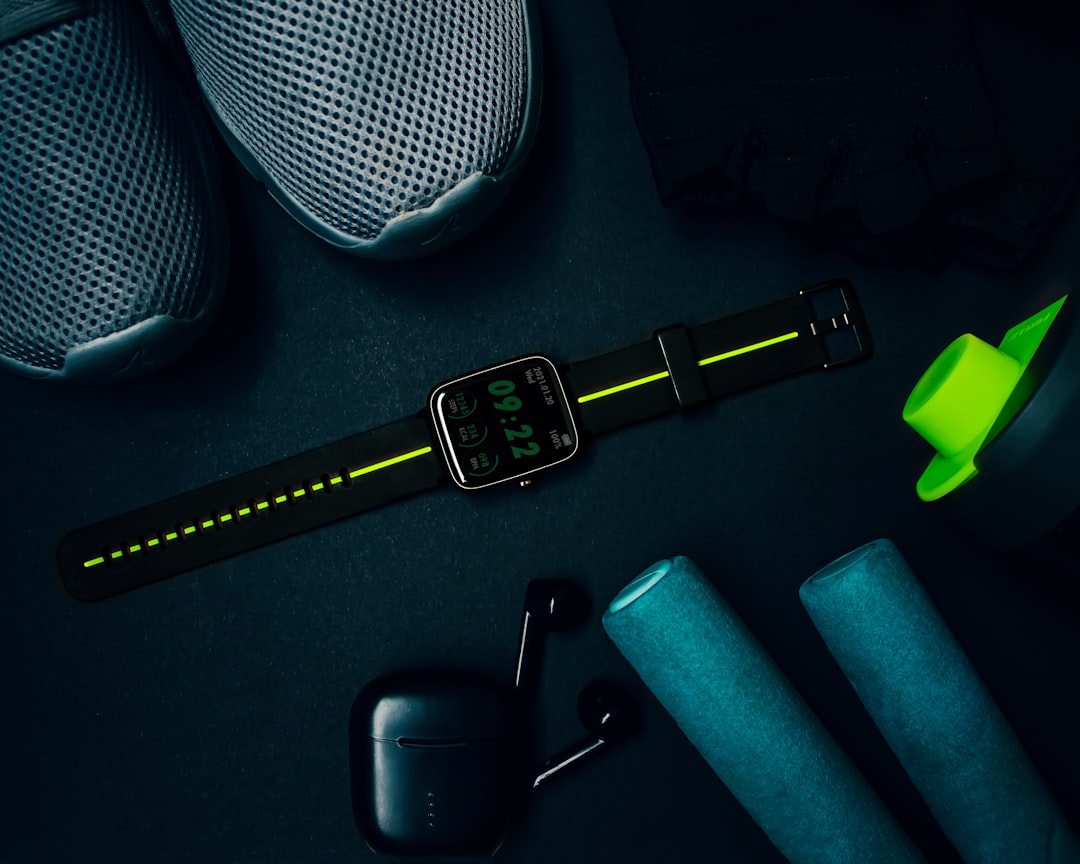
Chest straps aren’t glamorous, but for serious training, they’re still the accuracy benchmark.
Recovery Scores: The Metric That Changed Everything
Here’s where the experiment got really interesting. All three devices offer some version of a “how recovered are you?” score — Garmin’s Training Readiness, WHOOP’s Recovery, and Oura’s Readiness. And they all use different formulas, weigh different factors, and produce different recommendations.
After 90 days of comparing these scores against my actual physical sensation, one pattern emerged clearly. WHOOP’s recovery score was the most conservative — it told me to back off most often, sometimes annoyingly so. There were days when WHOOP said I needed 12 hours of recovery and I felt perfectly fine. But when WHOOP gave me a green light, I could almost always crush a hard workout. It was overly cautious but rarely wrong.
Garmin’s Training Readiness was the most balanced. It factored in my recent training load in a way the others didn’t, which meant it understood context — if I’d done a hard track session two days ago, Garmin expected residual fatigue even if my HRV had normalized. This contextual awareness made its recommendations feel more nuanced.
Oura’s Readiness score was the most generous, frequently telling me I was more recovered than I actually felt. This wasn’t a deal-breaker, but it meant I learned to mentally discount Oura’s score by about 10% to get a more realistic picture.
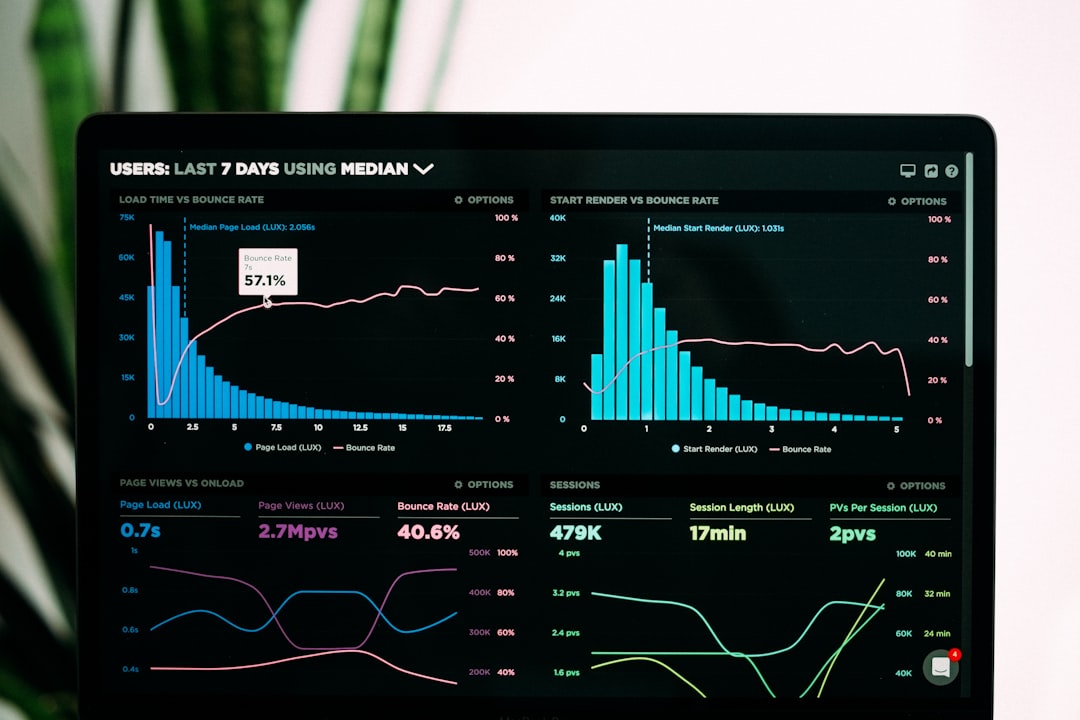
The dashboard comparison became a morning ritual — checking all three apps against each other and against my own body’s signals.
Which Tracker Actually Changed My Behavior?
This is the question that matters most, and the one I was most curious about. Because here’s the thing — data that doesn’t change behavior is just entertainment. Beautiful charts on your phone that you nod at and then ignore. I wanted to know which device made me measurably healthier, not just more informed.
After 90 days, the answer was clear and surprising: WHOOP changed my behavior more than any other device.
Not because it was the most accurate. Not because it had the best features. Because it was the most annoying. WHOOP’s strain target — a daily activity goal based on your recovery — was just pushy enough to get me moving on days when I would have otherwise sat on the couch. When my recovery was high, WHOOP would suggest a strain of 14, and I found myself thinking, “I should probably earn that.” When my recovery was low, WHOOP would cap my strain target, and I actually listened — something I’ve never done with any other device.
The screenless design forced me to check my phone less often, which paradoxically meant I engaged with the data more intentionally. Instead of glancing at my wrist 50 times a day to see random stats, I’d check WHOOP twice — morning and evening — and actually absorb what it was telling me.
Garmin was my favorite to look at. The screen is beautiful, the data is comprehensive, and the workout tracking is the best of the three by a wide margin. But I’ll be honest — it didn’t change my habits. It gave me great information that I mostly ignored because it wasn’t packaged in a way that felt actionable. “Training Readiness: 84” is interesting, but what should I actually do with that number? Garmin’s guidance beyond the score felt generic.
Oura was the most pleasant to use. The app is gorgeous, the ring is comfortable, and the sleep analysis is genuinely the best in the business. But for someone who already has decent sleep habits, Oura didn’t push me to change much. It confirmed things I already knew — that I sleep better when I avoid late meals, that my HRV drops before my period, that Sunday nights are my worst sleep of the week. Interesting, but not transformative.
Who Should Buy What: My Honest Recommendations
After three months of wearing all three, I have strong opinions about who each device is actually for. Not marketing personas — real human recommendations based on what I saw the devices do well and where they fell short.
If You’re a Data-Driven Athlete: Garmin Venu 4
If you regularly do structured training — running plans, cycling intervals, swim splits, triathlon prep — Garmin is still the undisputed king. The workout profiles, GPS accuracy, training load modeling, and race predictor features are miles ahead of anything else. The Venu 4 specifically bridges the gap between Garmin’s Fenix/Forerunner performance watches and mainstream smartwatches. It’s the one I’d reach for if I were still competing.
The 45mm Venu 4 gives you 12 days of battery and a built-in flashlight that’s surprisingly useful for pre-dawn training. The Apple Watch SE 3 is a strong alternative if you’re deep in the Apple ecosystem, though battery life doesn’t compare.
If You Want to Actually Change Habits: WHOOP
WHOOP is for the person who has tried tracking their fitness before and found it interesting but not motivating. The subscription model stings initially, but it funds a level of personalized coaching that no other platform offers. If you’re prone to overtraining — like I was during my competitive years — WHOOP’s recovery scoring will save you from yourself.
The WHOOP Peak membership is the full-featured option. If budget is a concern, the Fitbit Inspire 3 offers basic recovery insights without the subscription, though the analysis is much shallower.
If Sleep Is Your Priority: Oura Ring
Oura is the most elegant solution for people whose primary concern is sleep quality and recovery awareness. The ring form factor is genuinely more comfortable than any wrist device, especially for stomach sleepers or anyone who finds watches annoying at night. The menstrual cycle tracking is comprehensive and continues to improve, making it an excellent choice for women tracking hormonal patterns.
I’d pair it with a Garmin Vivoactive 6 or a basic activity band for workout tracking, since Oura isn’t designed to be your primary exercise companion.
The Bigger Picture: What 90 Days of Triple-Tracking Taught Me
Here’s the truth I arrived at after three months immersed in wearable data: no single device is going to make you healthy. I know that sounds obvious, but it’s easy to forget when you’re surrounded by marketing that implies a $400 purchase will transform your fitness.
What actually moved the needle for me — and what I’ve seen work with my rucking clients and fitness coaching over and over — is the awareness that tracking creates. When you know your resting heart rate, you notice when it creeps up. When you see your HRV trending downward for a week, you start asking better questions about stress and sleep. The device itself doesn’t change anything; the attention it channels does.
I’ve since settled on wearing two devices most days — the WHOOP for recovery coaching and the Garmin for workout tracking. I use Oura primarily for sleep analysis on nights when I want detailed data. This combo works for me, but I guarantee your ideal setup will look different, and that’s the point. The best fitness tracker is the one you’ll actually wear consistently and pay attention to.
My 90-day experiment proved something I probably should have expected: the most sophisticated technology in the world can’t replace the simplest feedback system ever invented — paying attention to how your body actually feels. These devices are tools for amplifying that attention, not replacing it. Use them for that, and you’ll get your money’s worth.




3 Comments on “I Wore Three Fitness Trackers at Once for 90 Days — Here’s Which One Actually Changed My Health”