
Three years ago, if you’d told me I’d be standing in my kitchen at 6 AM stirring lion’s mane powder into my coffee while a jar of reishi extract steeps on the counter behind me, I would have asked what planet you’d just arrived from. My supplement cabinet used to contain exactly two things: a tub of protein powder and whatever multivitamin was on sale at Costco. That was it. That was the entire stack.
But something shifted after I hit thirty-eight. My recovery time from hard training sessions stretched from twenty-four hours to forty-eight. The brain fog that used to hit around 2 PM started arriving closer to 11 AM. And sleep — which had always been my superpower — became this frustrating game of waking at 3 AM convinced I’d forgotten to reply to an email from three days ago.
I’d been writing about wellness long enough to know the usual suspects: prioritize sleep, clean up the diet, manage stress. I was doing all of that. But my body was asking for something more targeted, something that addressed the specific systems that were quietly losing efficiency. That’s when a researcher I’d been interviewing for an article on functional mushrooms and daily routines said something that stuck with me: “You don’t take one mushroom for everything. You take the right mushroom for the right system at the right time.”
Why a Stack Beats a Single Supplement
Here’s the thing that took me embarrassingly long to understand. Functional mushrooms aren’t like vitamin C, where more is universally better. Each species works on completely different pathways in the body. Lion’s mane supports nerve growth factor and cognitive function. Cordyceps improves oxygen utilization and ATP production. Turkey tail modulates the immune system through polysaccharides. Reishi calms the nervous system and supports sleep architecture. Chaga delivers one of the highest antioxidant densities of any food on earth.
Taking just one is like having a full toolbox and only using the hammer. It’ll handle certain jobs beautifully, but you’re ignoring the screwdriver, the wrench, and the level. A stack — combining specific species at specific times of day — lets each mushroom do what it does best without asking it to also do twenty other things it was never designed for.
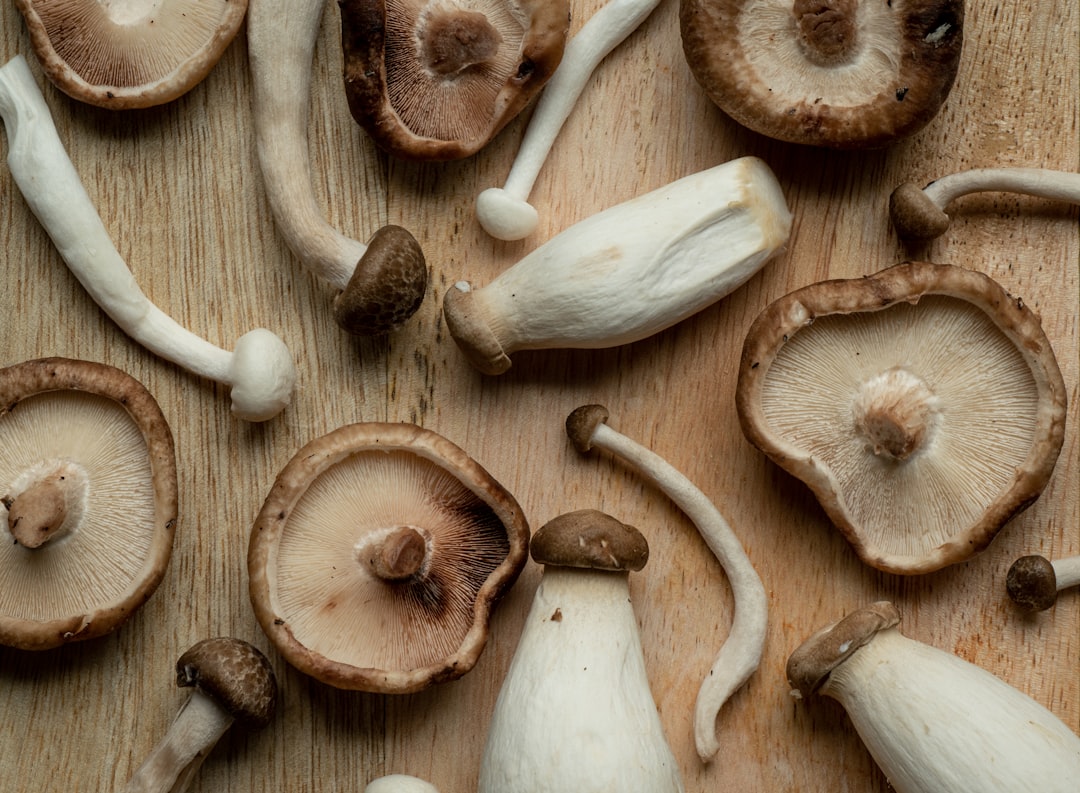
The Morning Layer: Lion’s Mane and Cordyceps
My morning protocol starts the second I finish my first glass of water. I mix a scoop of Real Mushrooms cordyceps powder into my pre-workout or coffee, depending on whether it’s a training day. Cordyceps earned its reputation the hard way — Chinese distance runners were breaking records on it back in the 1990s, and the sports science community has been playing catch-up ever since. The research on CS-4, the specific strain used in most quality supplements, shows measurable improvements in VO2 max and time to exhaustion. As someone who spent years running 800-meter repeats, that data got my attention.
What I notice isn’t a jittery caffeine-style energy. It’s more like the ceiling on my aerobic effort gets pushed up a few notches. Hills that normally make me shift into survival mode feel manageable. My breathing stays controlled longer. And the recovery between intervals — that gap where your heart rate drops back down — shortens by what feels like ten to fifteen percent. I’ve tracked this with my heart rate variability monitor over twelve weeks, and the numbers back up the feeling.

On the cognitive side, I’ve been using Fungies lion’s mane gummies with my breakfast. I used to use a powder form, and it worked fine, but the gummies solved a problem I didn’t want to admit I had: I kept forgetting to take the powder when I traveled. A jar of gummies lives in my gym bag, my desk drawer, and my carry-on. Consistency is the whole game with functional mushrooms, and if the format makes you more likely to actually take the thing every single day, that’s the right format for you.
Lion’s mane is the one I feel most confidently. Within about ten days of daily use, the mid-morning mental lag I’d been fighting for months started thinning out. Words came easier during writing sessions. I stopped losing my train of thought mid-sentence, which used to happen three or four times a day during heavy coaching weeks. The research on hericenones and erinacines — the compounds in lion’s mane that stimulate nerve growth factor — is still evolving, but my experience lines up with what the clinical literature suggests: cumulative benefits that build over weeks, not hours.
If You Want a Two-in-One Morning Boost
I also tested RYZE organic mushroom coffee for a month as a replacement for my regular brew plus separate supplements. It combines six mushrooms including lion’s mane and cordyceps into an instant coffee base. The convenience is undeniable — one scoop, hot water, done. The taste is surprisingly decent if you like a medium roast with slightly earthy undertones. I still prefer my stack separated on hard training days because I can dose cordyceps higher, but for travel or rest days, an all-in-one mushroom coffee is a legitimate shortcut.
The Midday Layer: Turkey Tail and Chaga
Around 11 AM, between my second client session and my own lunch, I take turkey tail. This is the quiet workhorse of the mushroom world — not flashy, not something you’ll feel within twenty minutes, but arguably the most important long-term investment in the stack. Turkey tail’s claim to fame is its polysaccharopeptide content, specifically PSK, which has been used as an adjunct therapy in cancer treatment in Japan for decades. For those of us not dealing with a diagnosis, the daily benefit is subtler: improved gut microbiome diversity, balanced immune response, and a baseline of immune resilience that you’ll only appreciate when everyone around you gets the seasonal bug and you don’t.
I use Host Defense turkey tail capsules because the brand has quality control standards I trust, and my nutritionist confirmed the beta-glucan content is consistent batch to batch. Two capsules with lunch, every day. It’s the least exciting part of my stack, which is exactly why consistency matters most here.

Chaga rotates in and out based on how I’m feeling. After a particularly brutal training block or during periods of high stress, I’ll brew Real Mushrooms chaga powder as an afternoon tea. Chaga grows on birch trees in subarctic climates, and it concentrates antioxidants in densities that make blueberries look like candy. The ORAC value — a measure of antioxidant capacity — is off the charts. I think of chaga as my recovery insurance policy: it won’t fix a bad diet or replace sleep, but it provides the raw materials your body needs to manage oxidative stress from training, pollution, and just being alive in 2026.
The Evening Layer: Reishi for the Wind-Down
This is where the stack gets personal. Reishi changed my relationship with sleep, and I don’t say that lightly. For someone who spent two decades training at high intensity, the ability to switch from sympathetic (fight-or-flight) to parasympathetic (rest-and-digest) mode is everything. Reishi has been used in traditional Chinese medicine for over two thousand years specifically for calming the spirit, and modern research on its triterpene compounds shows measurable effects on sleep latency and deep sleep duration.
I take reishi mushroom gummies about forty-five minutes before bed. I was a powder holdout for a long time, but the gummies have a strawberry flavor that works as a sort of evening ritual — replacing the square of dark chocolate I used to have, which was sometimes keeping me up. The active compounds in reishi don’t knock you out like melatonin. Instead, they quiet the internal noise that prevents you from drifting off naturally. For me, that means fewer of those 3 AM wake-ups and a noticeably calmer transition into sleep.
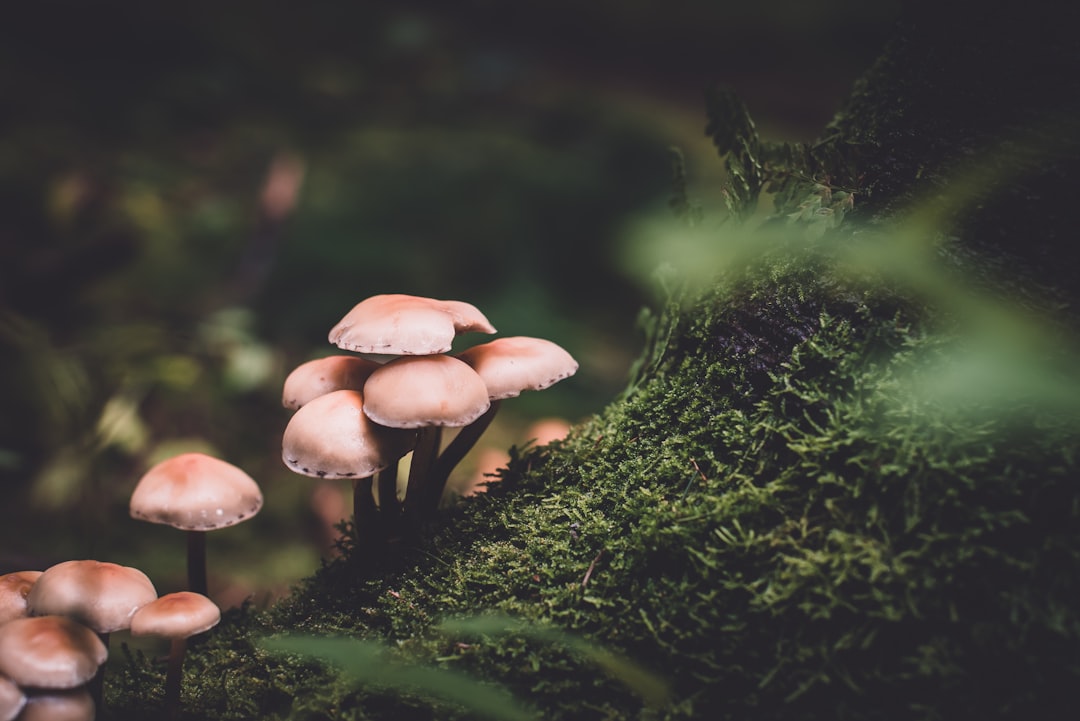
The Format Question: Gummies, Powders, or Capsules?
I get this question constantly from clients and readers. Here’s my honest breakdown after testing every format.
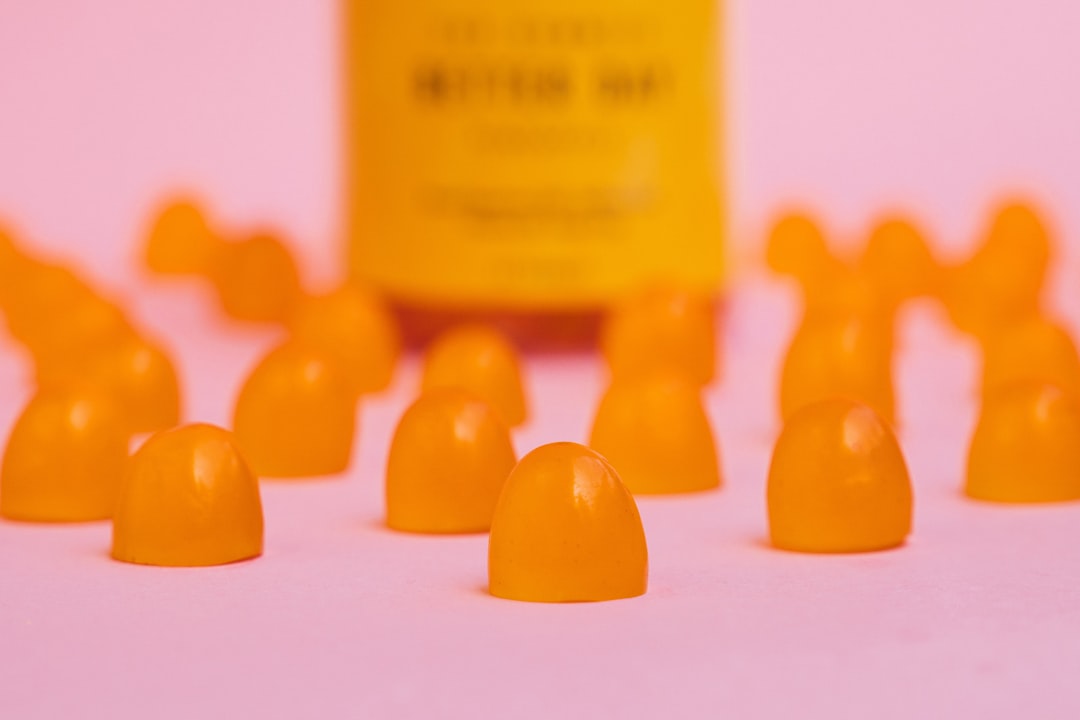
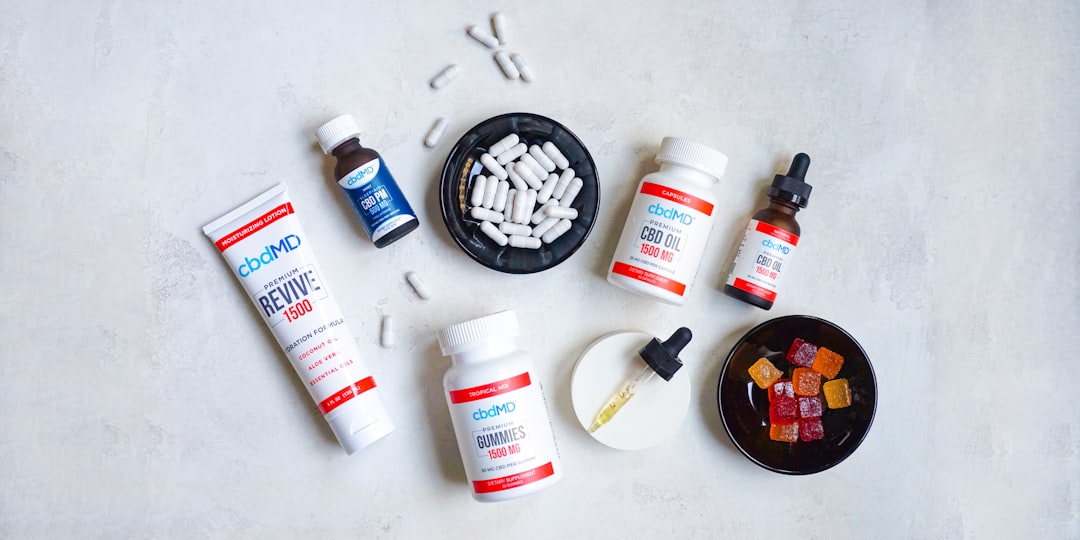
Gummies are the winner for consistency. If you’re someone who starts a supplement routine and abandons it by week three, gummies will keep you on track. They taste good, they travel well, and the psychological barrier to taking them is essentially zero. The trade-off is that dosing per gummy is often lower than what you’d get from a concentrated powder. Auri’s 12-mushroom blend gummies are the most comprehensive I’ve found — they pack lion’s mane, reishi, chaga, cordyceps, and eight others into a single daily serving. For beginners, this is probably the easiest entry point into functional mushrooms without overthinking it.
Powders win on dosing flexibility and cost per serving. If you want to take three grams of cordyceps before a hard session, powders let you measure exactly that. They dissolve best into coffee, smoothies, or oatmeal, and the earthy flavor pairs surprisingly well with cacao. The downside is the prep — it requires a shaker bottle, a measuring scoop, and thirty seconds you might not have on a chaotic morning. Browsing organic mushroom extract powders gives you a sense of the range available.
Capsules are the middle ground. Precise dosing, zero taste, easy to carry. I use OM Mushroom’s cordyceps capsules on days when I don’t want to deal with powder. The only real downside is swallowing three to four capsules to hit an effective dose, which some people find unpleasant.
For anyone who wants maximum species variety without managing multiple bottles, Clean Nutra’s 15-in-1 mushroom gummies cover lion’s mane, turkey tail, cordyceps, reishi, chaga, maitake, shiitake, tremella, and six others in a single product. And if you prefer combining your mushrooms with other adaptogens, Drops of Nature’s mushroom plus ashwagandha blend bridges two categories I’ve written about extensively. You can also shop functional mushroom supplement bundles if you want to build your own stack without overthinking individual bottles.
What Ninety Days of Consistent Stacking Actually Did
My team had me track objective markers throughout the first ninety days of my full mushroom stack protocol. Here’s what changed:
- HRV (heart rate variability): Up from an average of 48 ms to 61 ms. That’s a 27% improvement, which is the single largest jump I’ve seen from any supplement intervention.
- Sleep latency: Dropped from 22 minutes to 11 minutes. I fall asleep roughly twice as fast.
- Deep sleep: Increased from an average of 58 minutes per night to 74 minutes. This is where physical repair happens, and the reishi addition lines up perfectly with this metric.
- Afternoon energy crashes: Essentially eliminated. I used to hit a wall around 2 PM that required caffeine to push through. That hasn’t happened in weeks.
- Cognitive stamina: I can write for four to five hours without the mental fatigue that used to cap me at two and a half. The lion’s mane is the variable most likely responsible, based on timing.
None of these changes happened overnight. The first week, I felt nothing. The second week, maybe a slight edge in focus. By week three, the sleep improvements became undeniable. By week six, I was a convert. By week twelve, I’d restructured my entire supplement approach around the stack.
How to Build Your Own Stack Without Overwhelming Yourself
If you’re just starting, here’s the simplest framework I can give you. Pick one mushroom for your primary goal:
- Focus and brain health: Start with lion’s mane. Take it daily for at least three weeks before judging results.
- Energy and athletic performance: Start with cordyceps. Take it thirty minutes before training.
- Immune support: Start with turkey tail. Take it with food, midday, consistently.
- Sleep and stress: Start with reishi. Take it forty-five minutes before bed.
- Antioxidant and recovery: Start with chaga. Brew it as a tea, two to three times per week.
Give each addition two to three weeks before layering in the next. This lets you identify what’s actually working and avoids the supplement overload that leads to abandoning the whole routine. Much like the approach I took when I rebuilt my fiber intake one source at a time, gradual layering is the sustainable path.
And please — talk to your doctor before adding any new supplements, especially if you’re on medications. Reishi can interact with blood thinners. Cordyceps may affect blood sugar levels. This isn’t fear-mongering; it’s basic responsibility. Functional mushrooms have an extraordinary safety profile overall, but they are biologically active compounds, and they deserve the same respect you’d give any supplement that actually works.
The biggest lesson I’ve taken from this experiment is one I keep learning in different forms across every corner of wellness: the body responds to consistency, not intensity. Ten minutes of mobility work every day beats a two-hour session once a month. Twenty grams of protein per meal matters more than one perfect post-workout shake. And a daily mushroom stack, taken patiently and with intention, will quietly transform the baseline of how you feel — not in a dramatic overnight revelation, but in the slow, steady accumulation of small biological improvements that one day add up to a version of yourself that feels noticeably more resilient than the one who started.