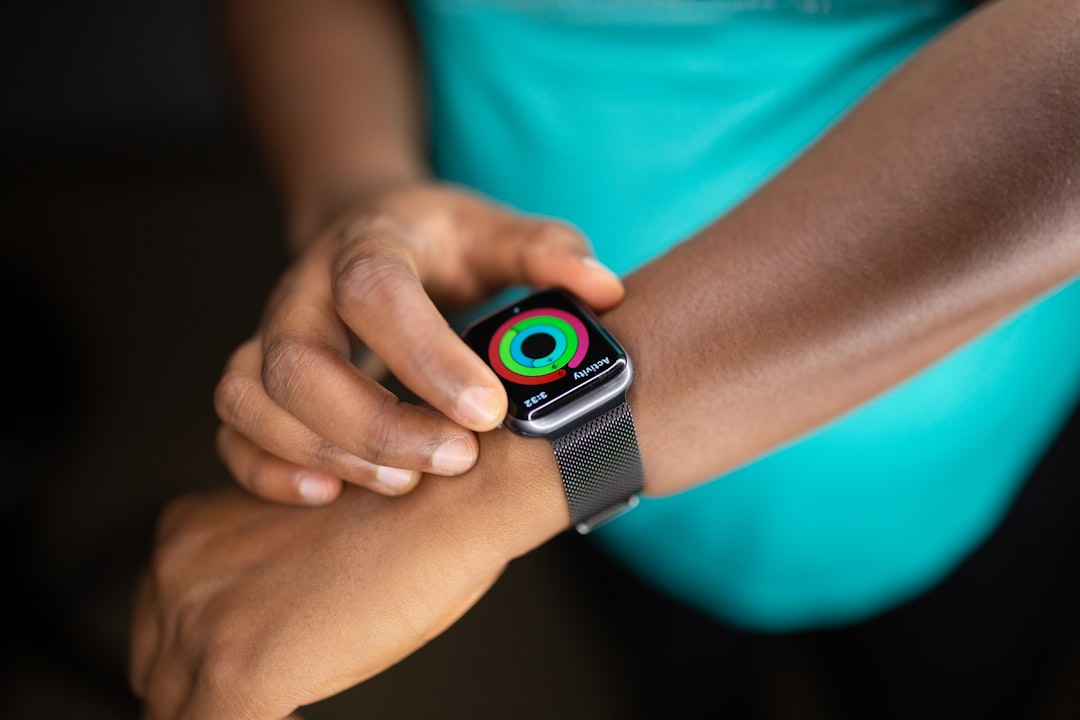
Something strange happened to me at the track last Tuesday. I was mid-interval — 400 meters in, legs burning, lungs doing their job — when I instinctively glanced at my wrist for my split time. There was nothing there. No glowing screen. No digits. Just a slim band of matte black polymer against my sweaty skin. And for the first time in fifteen years of training with a screen bolted to my body, I didn’t feel like I was missing anything.
That band on my wrist was the new Google Fitbit Air, and it represents something I think is the most fascinating shift in fitness technology since the first Garmin Forerunner bolted GPS onto our wrists. The screen is disappearing. Not metaphorically — literally. The biggest wearable launches of 2026 are betting that we’re done staring at our wrists, and frankly, after eight weeks of living with three different screenless devices, I think they might be right.
The Year Fitness Tech Stopped Showing Off
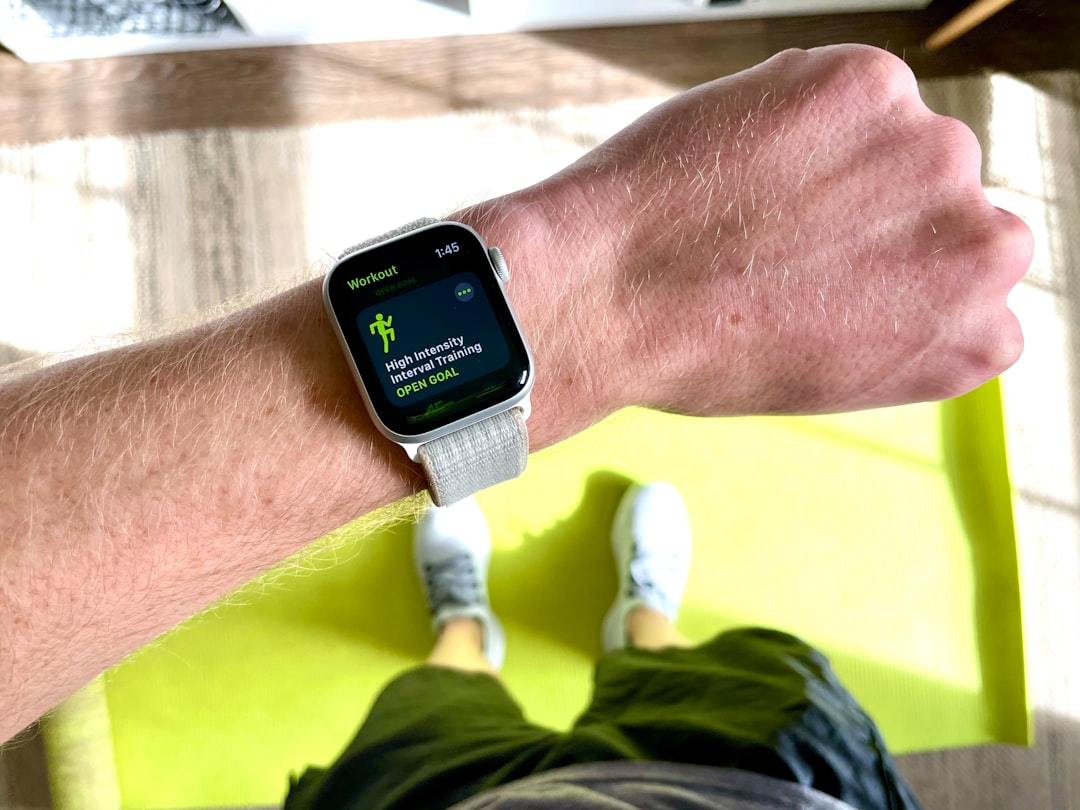
Walk into any gym in 2026 and you’ll notice something: fewer glowing rectangles. The Oura Ring 5 slimmer and more gym-ready than its predecessor, has become the quiet status symbol of the wellness set — a ring so understated that half the people wearing one look like they just got engaged. Google’s Fitbit Air ditched the display entirely, packing heart rate tracking, sleep monitoring, and AI coaching into a $100 pebble that wouldn’t look out of place in a bowl of river stones. Even Whoop, the darling of the recovery-obsessed, went smaller and more discreet with their latest generation of bands.
I’ve been testing all three of these devices simultaneously for the past two months, and the experience has fundamentally changed how I think about the relationship between my body and the data I collect from it. If you’ve been following my journey from wrist-screen devotee to smart ring convert, you know I swapped my fifteen-year watch habit for a ring earlier this year. But what I’m seeing now is bigger than one product. It’s a philosophical shift across the entire industry.
What You Lose When You Lose the Screen
Let me be honest about what I thought I’d miss. During track sessions, I live for real-time pace feedback. On long runs, I check my heart rate zone constantly. When I’m doing my Sunday mobility flow, I want to see how my HRV is trending. Every single one of those habits required a screen, and I was deeply skeptical that removing it would feel like anything other than flying blind.
Here’s what actually happened. During my first track session with the Fitbit Air, I ran by feel — genuinely by feel — for the first time in probably a decade. Without the constant temptation to check my wrist, I tuned back into the physical sensations of effort: breathing rhythm, foot strike cadence, the specific way my shoulders tighten when I’m pushing above threshold. I still got all my data afterward, beautifully organized in the app with AI-generated insights that were more useful than any mid-run glance ever was. The Fitbit Air costs around $100, which makes it one of the most accessible entries into screenless tracking on the market.
What I discovered is that the screen was never really serving me during workouts. It was serving my anxiety. Every glance at my wrist was a micro-check-in born from the fear that I wasn’t working hard enough, or that I was working too hard, or that somehow the raw data knew better than my own body how I should be feeling in that moment. Removing the screen removed the noise.
The Three Devices That Changed My Mind
The Fitbit Air: The Gateway Drug
At $100, the Fitbit Air is the device I keep recommending to friends who are curious about screenless tracking but aren’t ready to commit $400 to a ring. It’s a simple, featherlight band that sits unobtrusively on your wrist and quietly collects heart rate, sleep, activity, and stress data throughout the day. No notifications. No buzzing. No temptation to scroll through widgets when you should be focused on literally anything else.
The AI coaching feature — which synthesizes your daily data into a few actionable insights each morning — has genuinely improved my recovery decisions. After a particularly brutal hill repeat session last month, the app suggested pushing my easy day to the afternoon based on my overnight heart rate variability. I would have ignored that signal with my old smartwatch because I would have been too busy staring at my pace from yesterday’s workout.
The Oura Ring 5: The Gold Standard
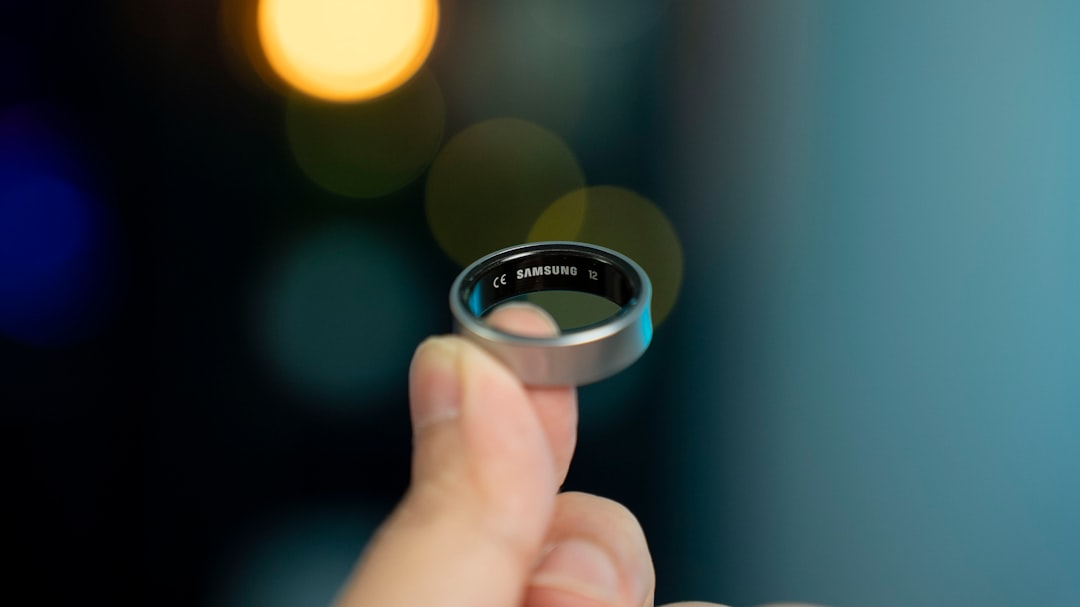
I wrote extensively about my journey into smart rings earlier this year, and the Oura Ring 5 represents everything that approach got right. It’s slimmer than the previous generation — noticeably so, especially for someone who lifts weights regularly and used to catch the older model on dumbbells during presses. The durability improvements mean I can now wear it through every training session without a second thought.
What sets the Oura Ring 5 apart isn’t just the hardware. It’s the depth of insight. With over 50 tracked metrics spanning sleep, activity, heart activity, stress, and metabolic data, this ring produces the kind of comprehensive health picture that used to require a clinical visit. The $399 price point plus the $5.99/month subscription is an investment, absolutely. But after three months of having my recovery, sleep architecture, and physiological stress mapped with this level of precision, I can tell you that even the previous generation Oura Ring 4 — now often discounted — remains a better investment than any smartwatch I’ve ever owned.
The WHOOP Ecosystem: For the Data Addicts
I’ll admit it — I have a love-hate relationship with WHOOP. Their screenless, subscription-based model ($239 for a 12-month WHOOP One membership) is either the best or worst value proposition in fitness tech depending on how you use it. But there’s no denying that the depth of their strain and recovery algorithms is genuinely elite, and the latest generation of bands is the most comfortable yet.
The WHOOP One membership gives you the hardware plus a year of their coaching platform, which dishes out personalized recommendations based on your recovery score each morning. On days when my recovery sits in the yellow zone — adequate but not optimal — WHOOP scales my recommended training load accordingly. It’s like having a coach who actually looks at your biomarkers before telling you what to do. For anyone who wants to geek out on the differences between major platforms, I did a full 90-day comparison earlier this summer.
But What If You Still Want a Screen?

Look, I get it. Screenless isn’t for everyone. If you’re a runner who needs GPS pace data during races, a cyclist who relies on real-time power metrics, or someone who uses their watch for navigation on trails, you still need a display. The good news is that the “hybrid” category — devices that combine traditional analog watch faces with hidden smart features — has gotten genuinely excellent.
The Withings ScanWatch 2 remains my favorite hybrid. It looks like a proper Swiss watch, with real hands and a real face, but underneath that elegant exterior sits an ECG, SpO2 sensor, temperature tracker, and full sleep analysis suite. There’s a tiny PMOLED screen that pops to life for notifications and workout data, but it disappears completely when you’re not actively engaging with it. It’s the closest thing to having your cake and eating it too — the aesthetic of a traditional timepiece with the health tracking of a modern wearable. For those wanting something even bolder, the Withings ScanWatch Nova brings a diver-watch aesthetic to the same feature set.
On the full-screen side, the landscape is stronger than ever. The Samsung Galaxy Watch 8 has earned its reputation for best-in-class sleep tracking insights among Android users, with particular praise for its advanced recovery analysis. The Garmin vívoactive 5 remains the value king for anyone who wants Garmin’s ecosystem without the premium price tag, offering up to 11 days of battery life in a slim, sport-ready package. And the Amazfit Balance 3 has been quietly winning over hybrid fitness athletes with its 180+ activity profiles and innovative HybridCharge feature that blends recovery and training strain data into real-time guidance.
The Honest Truth About Living Screenless
Sixty days into this experiment, I’m not going to pretend it was all smooth sailing. The first week felt like phantom limb syndrome — I’d glance at my bare wrist dozens of times per day, reaching for information that wasn’t there. During one particularly frustrating tempo run, I actually stopped at a mile marker and had to calculate my pace using a wall clock and mental math like it was 2003. I nearly launched the Fitbit Air into a storm drain.
But somewhere around the three-week mark, something shifted. My morning check-ins became more intentional — I’d open the app over coffee and actually sit with the data rather than skim it mid-stride. My workouts became more internally focused. I stopped second-guessing my effort based on what a screen told me and started trusting the conversation between my body and my brain. And paradoxically, I found myself engaging more deeply with my health data, not less, because I was consuming it in dedicated moments of attention rather than fractured glances throughout the day.
The Fitbit Charge 6 still sits in my drawer for days when I want screen-based workout data, and I don’t think there’s anything wrong with that. This isn’t about purity. It’s about finding the tool that serves your relationship with your body rather than hijacking it.
What to Actually Buy If You’re Curious
If the screenless movement has you intrigued, here’s my honest advice based on two months of daily testing across multiple devices:
Start affordable. The Fitbit Air at $100 is the lowest-risk way to find out if screenless tracking works for your lifestyle. If you love it, you can graduate to a ring later. If you hate it, you’re only out the cost of a nice dinner.
Consider your ecosystem. If you’re already deep in the Google/Fitbit world, the Air integrates seamlessly. Apple users should know that the Oura Ring plays nicely with Apple Health, and the WHOOP SportFlex accessories work across both platforms. Android users have the most options, including the Galaxy Watch 8 for those who still want a screen option in their rotation.
Think about subscription costs. Oura requires $5.99/month for full features. WHOOP is subscription-only. Fitbit Air includes basic AI coaching without a premium tier. Over two years, that subscription adds $144 to $478 to your total cost of ownership, so factor it into your decision.
Don’t forget about the previous generation. The Oura Ring 4 is frequently available at a discount now that the 5 has launched, and it still offers the vast majority of the features that make the platform special. If you’ve been waiting for the right moment to try a smart ring, this is it.
Where I Land After Sixty Days
I’m keeping the Fitbit Air for daily wear and workouts. I’m keeping the Oura Ring 5 for sleep and recovery tracking — the depth of its overnight data is simply unmatched. And I’m keeping the screen-based devices in my drawer for the workouts and adventures where real-time data genuinely matters.
What I’m not doing anymore is wearing a screen on my wrist 24/7. And honestly? I feel more present, more attuned to my body’s signals, and more intentional about how I consume my own health data than I have in years. The screenless revolution isn’t about doing less with technology. It’s about doing more with attention. It’s about letting the devices do what they’re best at — collecting, analyzing, and synthesizing — while we do what we’re best at: moving, feeling, and living in these remarkable bodies of ours.
If you’ve been feeling overwhelmed by notifications, exhausted by constant data streams, or just ready for a simpler relationship with your fitness technology, this might be the season to try going screenless. Your wrists — and honestly, your nervous system — will thank you.




5 Comments on “The Screenless Wearable Revolution: Why I Stopped Looking at My Wrist and Started Listening to My Body”