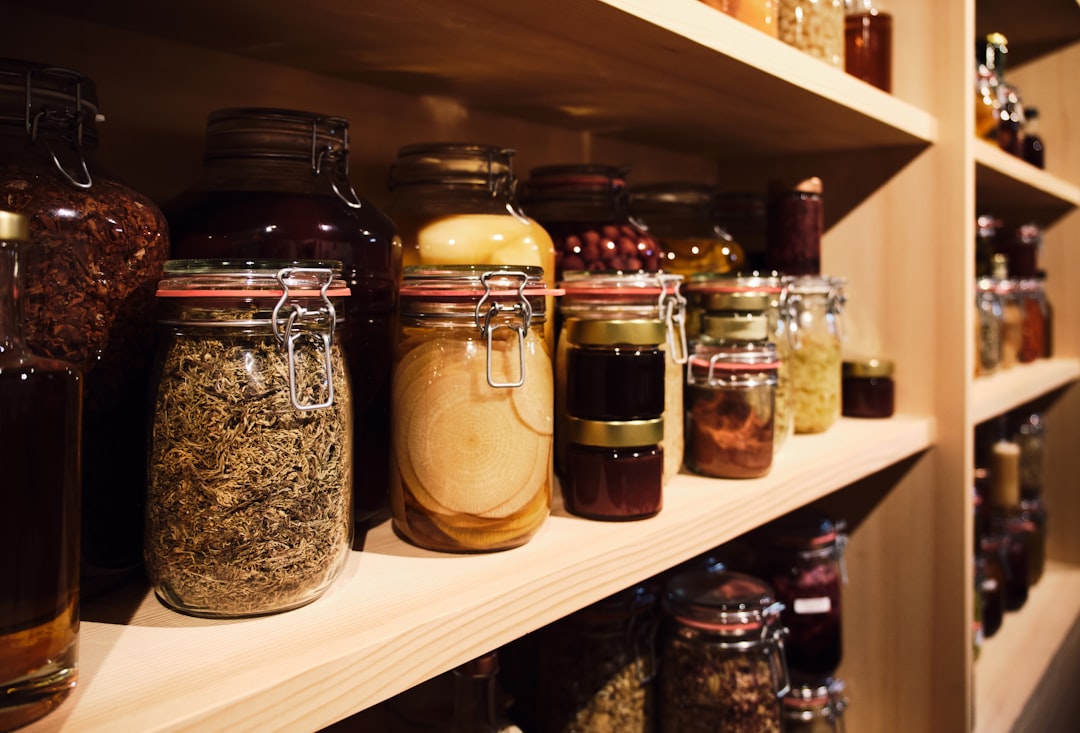
I spent two years standing in the probiotic aisle like it was a pharmacy confessional — fifty-dollar bottles, promises in foil packaging, and a nagging feeling that most of those little capsules were taking a very expensive ride through my digestive system. Then last spring, one of the dietitians I work with on client meal plans said something that stopped me mid-lecture about gut health: “You know the most reliable probiotic on earth is two dollars of cabbage and a tablespoon of salt, right?”
She was mostly joking. I took it as a dare. Six months later, a corner of my kitchen counter looks like a tiny science lab — sauerkraut burping quietly in one jar, kimchi glowing red in another, milk kefir doing its thing in a third — and I haven’t bought a probiotic capsule since. This is the story of how I got here, what gear actually earned its spot on the counter, and what happened when my team and I tracked the results for six straight weeks.
Why I Stopped Buying What My Gut Could Make
Let’s be clear about the science before the romance. Fermented foods deliver live cultures alongside the food matrix those microbes actually like to live in — fiber, organic acids, and pre-digged nutrients that capsules can’t replicate. Research on gut microbiome diversity keeps circling the same conclusion: regular small servings of fermented foods do more for your internal ecosystem than most supplement regimens. If you read my piece on postbiotics and what your gut bacteria actually produce, you already know I’ve been down this rabbit hole before — the fermentation route just cut out the middleman entirely.
There’s also the math. A quality probiotic runs $30 to $60 a month for strains that may or may not survive the trip. A head of cabbage costs about two dollars and yields three quarts of sauerkraut that keeps for months. When I laid that out for my coaching group at the YMCA, half of them signed up for a “ferment-along” before I finished the sentence. That’s how this became a group project, which honestly made it more fun — and gave me eight households of data instead of one.
The Starter Shelf: What Actually Earned Counter Space
Here’s where I’ll save you the detour my team and I went through. You do not need a crock imported from Germany, a temperature-controlled chamber, or anything with an app. The setup that survived our six-week gear shakeout was almost embarrassingly simple: quart-sized wide-mouth jars, airlock lids that let fermentation gas escape while keeping oxygen out, and glass weights to hold the vegetables under the brine.

I started with a case of Ball wide-mouth quart jars because they’re the standard every recipe and tool is built around, then added a set of airlock fermentation lids — these are the single biggest quality-of-life upgrade, since they bubble away on their own and mean you’re not burping lids daily like I did my first batch. If you’d rather skip the piece-by-piece approach, my assistant tested the Masontops complete fermentation kit and declared it the easiest beginner on-ramp: jars, lids, weights, and a pickle pipe all in one box.
Two supporting tools matter more than people expect. Glass weights keep everything submerged — anything poking above the brine is where trouble starts — and a four-pack of easy-grip fermentation weights covers a full batch. And a digital scale, which I’ll defend in a minute.
Week One: Sauerkraut Is the Gateway
Every fermentation teacher says start with sauerkraut, and every one of them is right. It’s cabbage and salt. That’s the whole ingredient list. The microbes that do the fermenting are already living on the leaves — you’re just creating the conditions where they outcompete everything else.

The method that’s become muscle memory: quarter and core the cabbage, slice it thin, then weigh it. Here’s the scale confession — fermentation runs on ratios, not vibes. The classic rule is 2 percent salt by weight, so 800 grams of cabbage needs exactly 16 grams of salt. Eyeballing that is how I ruined batch number two (soup, technically). A basic digital kitchen scale that reads to the gram removed all the guesswork, and I use it for baking, coffee, and portioning client meal plans besides.

Massage the salt into the shredded cabbage with your hands — five solid minutes — and it starts weeping brine on its own. My grandmother used a wooden stomper, and I’ll admit I bought a wooden cabbage tamper mostly for the ritual of it; pounding the cabbage in the jar is deeply satisfying after a long day of coaching. Pack it tight, pour the brine over, drop in a weight, seal the airlock, and wait.

One note on the salt itself: use something pure and non-iodized. Iodine and anti-caking agents inhibit the very bacteria you’re trying to hire. A bag of fine non-iodized sea salt costs about the same as regular table salt and lasts for months of batches.
Seven to fourteen days on the counter, tasting from day five, and you’ll hit a moment where the funk balances into something bright and sour. Move it to the fridge. It keeps for six months, though ours never survives two.
The Kimchi Escalation
Kraut was always going to be a stepping stone, because kimchi is where flavor people end up. Same core technique — salted vegetables, weights, patience — but with garlic, ginger, fish sauce, and the deep red warmth of gochugaru, the coarse Korean chili flake that gives kimchi its signature color and gentle heat.

I buy gochugaru sold specifically for kimchi in one-pound bags because the grind matters — too fine and it turns pasty, too flaky and it never fully blooms. Kimchi ferments faster than kraut (three to seven days at room temperature) and keeps fermenting slowly in the fridge, which means a jar that’s mild on Sunday is genuinely assertive by Friday. Half my coaching group now argues about the ideal fridge-day count like it’s a fine wine. I love them.
Kefir: The Daily Workhorse
Jar number three changed my mornings more than the other two combined. Milk kefir is a lightly effervescent, pourable dairy drink — think drinkable yogurt with a tangy edge — cultured by “grains” that are actually cauliflower-looking clusters of bacteria and yeast. You drop them in milk, leave it on the counter for twenty-four hours, strain, and repeat. Forever. The grains grow. People genuinely pass kefir grains down like sourdough starters.

I started with live milk kefir grains rather than powdered starter, because live grains are reusable indefinitely — one purchase, daily kefir, done. A morning glass covers my breakfast protein gap alongside whatever I’m eating, and it plays beautifully with the fiber work I’d already done rebuilding my daily thirty-gram fiber stack. The two projects turned out to be teammates: fermented foods feed the microbiome, fiber feeds everything else living down there.
What Six Weeks of Fermented Breakfasts Did to My Numbers
Now for the part you actually care about. Nine of us fermented consistently for six weeks — a serving of kraut or kimchi with lunch most days, kefir every morning. Nobody did anything else differently. Eight of nine reported measurably better digestion and more consistent mornings, which tracks with what researchers keep finding about fermented food frequency and the gut’s role in everything else.
The honest caveats: one friend’s kimchi stayed stubbornly salty (she’s since mastered it), and I had one batch develop kahm yeast — a harmless white film, but I tossed it because I’m cautious that way. Fermentation is safe when you follow the rules, and the rules are short: everything submerged, clean jars, room temperature, and when in doubt, throw it out. The visual and smell test serves you well — good ferments smell sour and pickle-y; bad ones smell like old gym socks and you will know.
The routine itself turned out to be the quiet victory. Fermentation asks for ten focused minutes on a Sunday and then does all the work without you — no daily pill organizers, no timers, nothing to remember while rushing out the door to a client session. The kraut just sits there, bubbling on its own schedule, and breakfast pours itself from a jar that refills every twenty-four hours. In fifteen years of coaching, I’ve learned that the habits people actually keep are the ones that run themselves, and this is the most self-sustaining health habit I’ve ever put on a counter.
Your First Ferment: The Only Shopping List You Need
If you want the shortest possible path: jars, airlock lids, weights, a scale, good salt, and one live culture to fall in love with. If you also want a mentor on the shelf, the book I hand everyone is Wild Fermentation by Sandor Katz — it’s the reason half my YMCA crew now labels jars with painter’s tape and argues about brine percentages at potlucks.

Run the total and it still surprises me: the whole three-jar setup cost less than one month of the premium probiotic I used to buy, and every batch after the first is priced like produce. The scale earns its drawer space ten times over, the jars outlast us all, and the kefir grains literally multiply — this is the rare wellness purchase that gets cheaper the longer you stick with it. In a year of testing gadgets that promised transformation, three quiet jars and a two-dollar cabbage delivered more than anything with a battery in it.
Start this weekend. One head of cabbage, sixteen grams of salt, one jar, one week. By the time the bubbles start, you’ll understand why I cleared a shelf for the whole operation — and why the probiotic aisle has lost its power over me. Your gut has been waiting for this, and honestly, so has your grocery budget.