Ruth, one of my favorite Tuesday-morning regulars at the Y, cornered me by the stretching mats last week. She is seventy-one, sharp as a tack, and she wanted to know why three different people had told her to buy a “shaking platform” for her bones this month alone. I laughed, and then I started counting. Between my clients, my inbox, and the longevity clinic that just opened two streets from my gym, I had fielded the same question eleven times in September. Vibration plates — those humming platforms that quietly faded from gym floors a decade ago — are having a full-blown comeback moment, and this time the buyers skew older, wiser, and far more research-hungry.
So my team and I did what we always do when a category gets hot: we bought a small stack of them, put them through three weeks of daily use across every kind of body I coach, and took notes. Here is the buying guide I wish someone had handed Ruth — and you — before the marketing got loud.
Why the Humming Platform Came Back From the Dead
The short answer is that the audience changed. A decade ago, vibration plates were sold on spot-reduction fantasies and celebrity endorsements, and they deserved the eyerolls they got. Today the conversation has shifted to longevity: bone density, balance, circulation, and gentle lymphatic movement. Recent research on whole-body vibration for postmenopausal bone health has been genuinely encouraging, particularly the work around hip and spine loading, and physical therapists have quietly kept oscillating platforms in clinical settings this whole time.
What a plate actually does is simpler than the brochures admit. The vibration forces your muscles to make dozens of tiny reflex contractions per second just to keep you upright. That is real work — low-intensity, but real. It will not melt fat, and anyone who promises otherwise is selling you a fantasy. But for warming up stiff tissue, adding light loading on days you cannot lift, supporting balance work, and giving sedentary bodies a reason to wake up, the mechanism is sound. Think of it as one tool in the recovery drawer, right next to the percussion massagers my team now treats as everyday gear — useful, not magic.
Oscillating, Linear, or Both: The Motion Decision Comes First
Before you compare a single price tag, you need to understand the one spec that explains almost every difference between plates: how the platform moves. This is where most buyers get lost, and it is genuinely the make-or-break decision.
Oscillating plates (sometimes called pivotal) tilt like a seesaw, raising one side while the other drops. The motion is gentle, feels natural, and sends most of its energy through the legs and hips instead of rattling your spine. This is the style clinical researchers tend to prefer for older adults and bone-density work, and the one I put under nearly every beginner I coach.
Linear plates move the whole surface straight up and down, faster and more aggressively. Athletes use them for warm-ups and power work because they load tissue more intensely, but the buzzing travels straight up the skeleton, which is exactly wrong for anyone with a sensitive back or fragile vertebrae. Triplanar and 4D machines combine multiple motors — oscillation, linear, and pulsation — and let you switch modes as your needs change. They cost more and weigh more, but they grow with you.
My rule of thumb after watching three generations of clients use these: oscillating for anyone past fifty or brand new to training, linear only if you already train hard and want a warm-up tool, and multi-motor if the whole household plans to share one machine.
The Spec-Sheet Fields That Actually Predict a Good Plate
Here is where the category gets swampy, because vibration plate marketing has inherited the worst habits of the wellness industry. Wattage is shouted from the rooftops, and it means almost nothing. A “2,000-watt” claim usually refers to peak motor draw, not delivered output at your feet. What matters is far less glamorous.
- Frequency range. You want a stated range of roughly 5 to 40 Hz. Below that floor the plate is furniture; above roughly 40 Hz you are mostly paying for vibration you cannot use safely.
- Amplitude. How far the platform actually displaces — the difference between a massage and a jackhammer. Look for a published figure of 1 to 10 mm, with lower settings you can actually select.
- Weight capacity. Buy a machine rated at least 100 pounds above the heaviest person who will stand on it. Motors straining near their ceiling die young and vibrate unevenly.
- Platform size. Anything under 20 inches wide forces narrow-stance standing, which changes the exercise entirely. Wide enough for a comfortable squat stance is the target.
- Motor count and mode switching. Single-motor plates do one motion. Triple-motor machines let you layer oscillation and linear work, which matters if plate use becomes a real habit.
Ignore the speed count entirely. “99 speeds” sounds impressive, but nearly all of those plates offer maybe six perceptibly different settings across that dial. And be suspicious of any brand that will not publish frequency and amplitude numbers at all — that omission is telling you something.
What Three Weeks of Side-by-Side Testing Revealed
We ran four plates through my coaching crew: a compact budget model, the mid-tier favorite, a triple-motor machine, and one genuinely premium unit. Different bodies, different decades, different goals. A few honest findings came out of it.
The surprise star was the LifePro Waver, the oscillating workhorse that shows up in half the physical therapy offices I visit. It is not fancy — one motion type, 99 speeds that are really about a dozen — but the motion is smooth, the remote is genuinely useful for seniors, and the presets make it approachable for people who will never read a manual. At its typical price, it is the machine I now recommend to most first-time buyers, and it earned its spot in my own morning warm-up.

At the budget end, the MERACH plate with Bluetooth programming and a silicone-surfaced deck held up better than its price suggests, and the no-frills AXV platform proved that under fifty dollars you can still get a legitimately usable oscillating motion — just do not expect quiet operation or refined controls. The HTM plate with resistance-band anchors earned its keep for my clients who treat band work as half their program; the slots are a small thing that changes how often the machine gets used.
The LifePro Rumblex Plus 4D was the tester my strength clients fought over. Three motors, oscillation plus linear plus pulsation, and a curve that makes long sessions comfortable. If you already train seriously and want one machine that warms you up, loads bone, and doubles as a recovery station, this tier earns its price. Its curved sibling, the Rumblex 4D curved model, was the version my taller clients preferred for the deeper stance room.
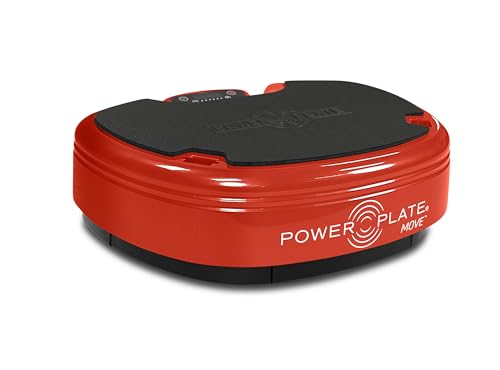
And the Power Plate Move — the platform you see in pro training rooms — is a different animal entirely. The frequency precision is superb, the build feels like gym equipment rather than consumer electronics, and the price reflects it. My verdict for most readers: gorgeous, but overkill unless you are a performance athlete or a coach. The compact Power Plate Personal splits the difference if you want the brand’s tuning in a smaller footprint.
Matching the Plate to the Person
After a month of this, I am convinced the category fails buyers mostly because nobody matches the machine to the body that will stand on it. So here is the cheat sheet my team now hands out.
Older adults chasing balance and bone support: oscillating only, gentle frequency floor, remote control, and a weight rating with a wide margin. The Waver or the HVX plate with its 450-pound capacity — the extra headroom makes the motion smoother for every user, not just heavier ones.
Apartment dwellers: noise and footprint rule everything. The LifePro HexaPlate Lite is the compact pick that survived our small-space tester — it stores under a bed and hums rather than roars.
Lifters and runners: prioritize frequency range and linear or multi-motor capability for warm-ups and calf and hip work. This is Rumblex territory.
The whole-family household: buy the triple-motor machine once and let everyone from the teenager to the grandparent find their mode. One versatile plate beats three cheap ones.
And if your hesitation is floor space rather than budget, my earlier experiment with the walking pad under my desk applies here too: measure the spot first, then fall in love with a machine.
Worthwhile Accessories and the Ones to Skip
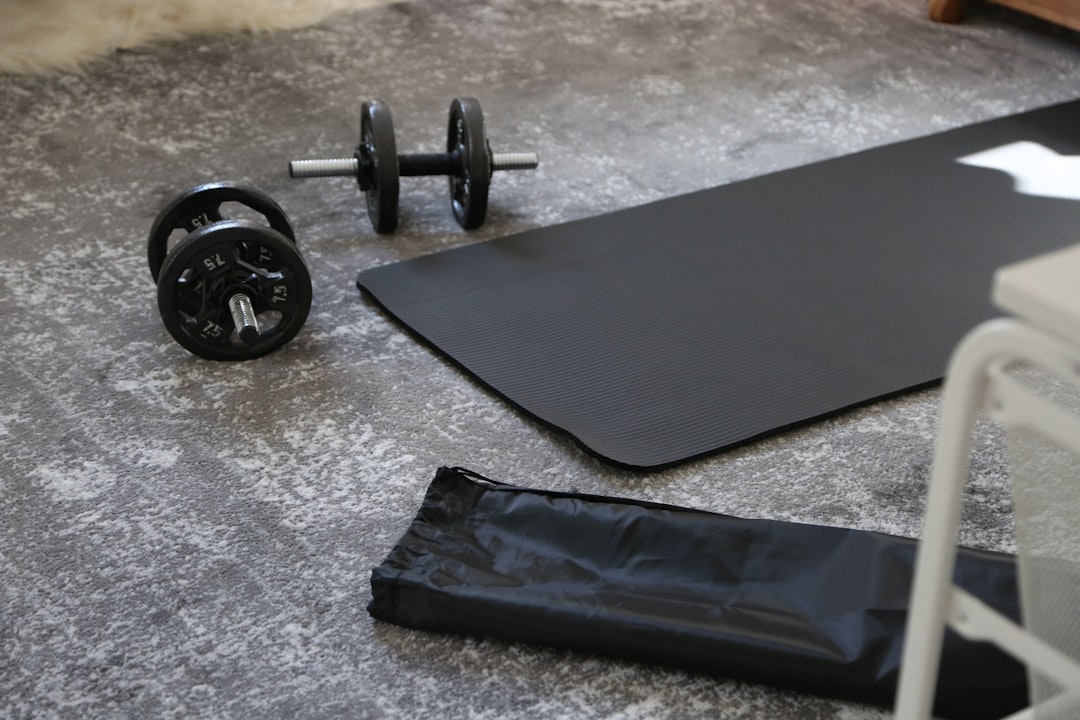
Two accessories matter. A dense mat under the plate protects your floor, dampens noise for downstairs neighbors, and keeps the machine from walking across the room mid-session. And whatever resistance bands ship with your plate, upgrade them eventually — the bundled ones are almost always the first thing to wear out. Skip the “vibration-enhancing” creams, ion trackers, and any gizmo whose entire product description is the word lymphatic. Your lymphatic system responds to the movement itself, not to a forty-dollar gel.
A Gentle Five-Minute Way to Begin
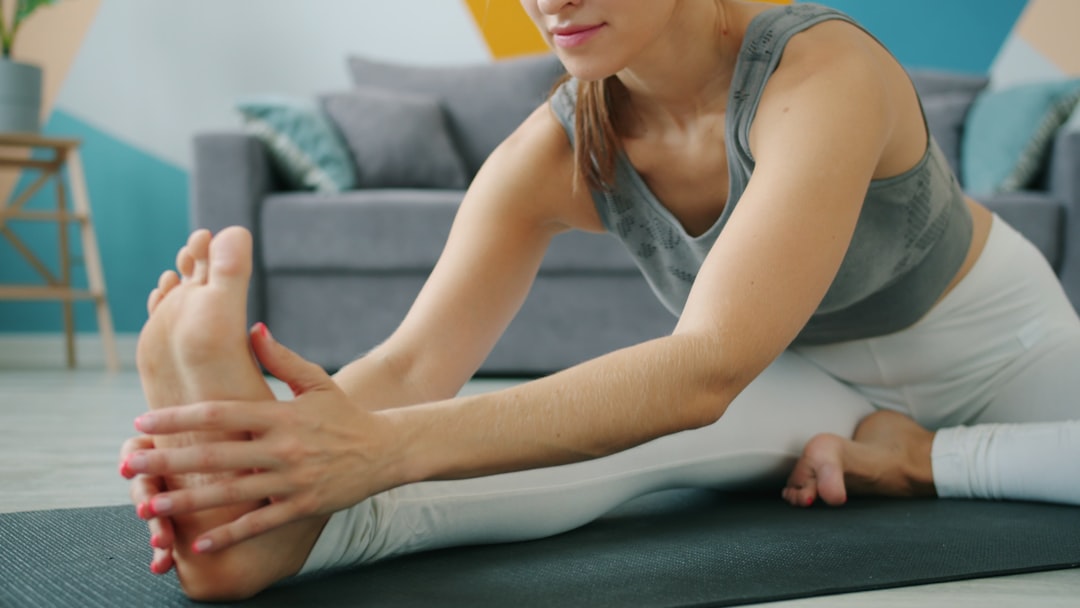
Start lower than you think. Feet hip-width, knees soft, hands on a chair back if balance is any question — five minutes at the lowest comfortable setting, once a day, for the first week. Week two, add a minute and try a shallow squat hold. By week three you can experiment with calf raises, split stances, or light band rows. The goal for the first month is not intensity; it is showing your nervous system that standing on this thing is safe and boring. Boring is how habits are built.
One serious note, coach to reader: if you are pregnant, have a pacemaker, deal with acute herniated discs, or are recovering from a fresh joint replacement, talk with your doctor before stepping on any plate. Vibration is a real stimulus, and real stimuli deserve respect.
The Shake-Test Verdict
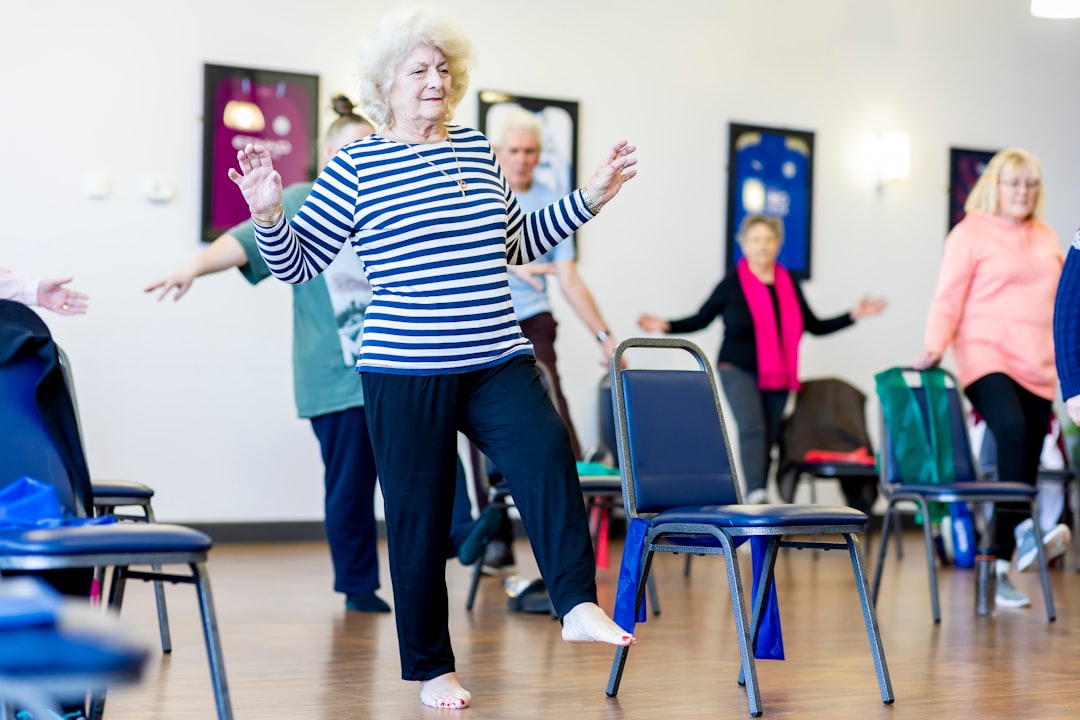
For most people reading this, the answer is the LifePro Waver: smooth oscillation, senior-friendly remote, fair price, and a motion type the research actually supports. Budget buyers can start happily with the MERACH or AXV and lose nothing but refinement. Serious trainers should look hard at the Rumblex Plus, and performance athletes already know if they need a Power Plate. Whichever you choose, track something — how your balance feels on one foot, how stiff your mornings are, like I do with the tools in my fall-reset measurement stack. The plate will not transform you in a week. But for the right body and the right goal, it quietly earns its floor space — something I only fully believed after I saw Ruth, seventy-one, doing single-leg stands on hers while gossiping about the longevity clinic down the street. That, friends, is the whole picture.
If you are curious how vibration work stacks up against other recovery tools in a real routine, my write-up on the red light panel that almost went back in the box covers the other half of my own nightly setup.