Every November of my competitive years, our team trainer taped a sign above the kitchen in the training house: “Soup is not a side dish.” She meant it. When the light went thin and the sessions went long, she wanted a pot on the stove that could actually rebuild a heptathlete, not a bowl of salty broth with three noodles floating in it. Her soups had beans, real meat, fistfuls of greens, and a squeeze of lemon at the end. We would come in from the track with wet hair and frozen fingers, and dinner was already done.
I still cook that way. Every Sunday from the clock change until the crocuses come up, I make one big pot of soup that has a job to do. It has to carry real protein, real fiber, and enough flavor that I look forward to it on a gray Wednesday. Today I want to hand you my whole system: the formula, the two-hour Sunday session, the three soups in my rotation, and the freezer rules my team and I have learned the hard way.
Why Soup Earns a Spot in the Dark Months
Soup is having a moment, and not just because it is cozy. Food industry trackers this year report that broth-based soups have grown at roughly twice the rate of the overall category, meal-replacement style soups are up close to 18 percent, and more than half of shoppers now say they want high protein in their soup. That lines up with what I hear from the folks I coach at the YMCA: people want food that keeps them full, supports their training, and does not take an hour on a weeknight.
There is good science behind the instinct. Barbara Rolls and her team at Penn State have spent years studying energy density, which is simply how many calories a food carries per bite. In one of their best-known studies, people who started lunch with a bowl of low-calorie vegetable soup ate about 20 percent fewer total calories at that meal, without feeling any less satisfied. Water bound into food takes up room in your stomach and slows you down in a way that a glass of water on the side does not.
Soup also quietly helps with hydration, which drops off for a lot of us once the weather turns and we stop feeling thirsty. And when cold season arrives, a warm bowl that is easy to eat is exactly what you want in the freezer. I wrote about how to train through cold season with my three-light plan; on a yellow-light day, a ready-made bowl of lentil soup is half the plan.
The Problem With Most Soups
Here is the catch. Most soups are underpowered. A typical can of vegetable or chicken noodle soup gives you somewhere around 6 to 10 grams of protein for the whole bowl, plus a big dose of sodium. A light homemade vegetable soup is lovely and full of color, but by itself it is a starter, not a meal. You eat it, you feel virtuous, and at 3:30 you are standing in front of the pantry.
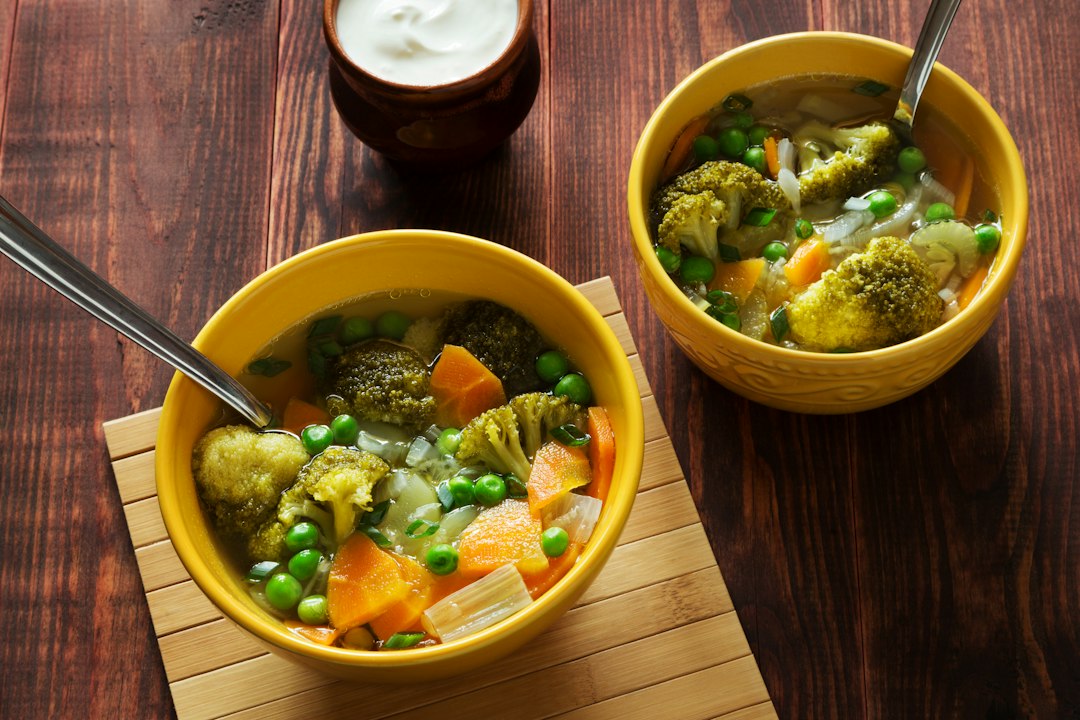
Protein is the piece that gets left out most often, and it matters more as we age. Most active adults do well somewhere around 1.2 to 1.6 grams per kilogram of body weight per day, and athletes and people working hard to keep muscle often go higher. More importantly, it helps to spread that protein across the day rather than piling it all into dinner. That was the whole point of my piece on why you should stop saving the chicken for dinner. A protein-forward soup is one of the easiest ways I know to put 25 to 35 grams into lunch without thinking about it.
My Formula: Protein, Fiber, Color, Finish
I do not follow recipes very closely anymore. I follow a four-part formula, and it works for almost any soup you can dream up.
- Protein, two ways. One animal or soy protein (chicken thighs, ground turkey, lean sausage, tofu, shrimp added at the end) plus one plant protein (lentils, split peas, white beans, chickpeas). The pair gives you texture and a more complete amino acid profile, and the plant half brings fiber along for the ride.
- Fiber, on purpose. Beans and lentils do most of the work. A cup of cooked lentils carries roughly 18 grams of protein and 15 grams of fiber, which is about half of what most adults need for fiber in a whole day. Barley and farro add more, though I keep them out of anything bound for the freezer (more on that below).
- Color, by the fistful. At least six cups of vegetables per pot: the onion, carrot and celery base, then something dark and leafy (kale, chard, spinach), then something sweet (squash, sweet potato, tomatoes).
- A finish. Acid and freshness at the very end: lemon juice, a splash of vinegar, a handful of chopped herbs. This is what makes Wednesday’s bowl taste alive instead of tired.
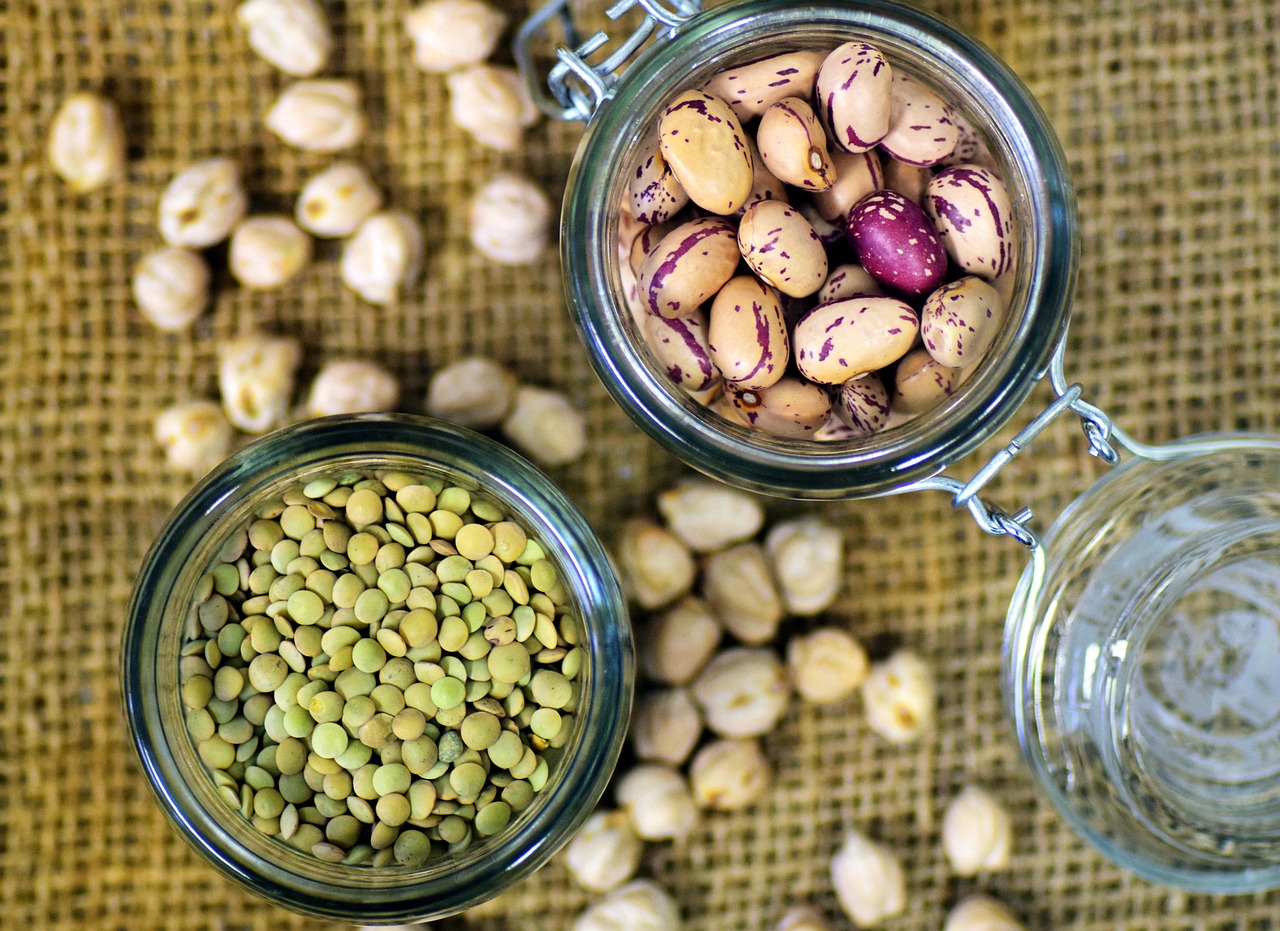
If fiber is your weak spot, my thirty-gram fiber challenge walks through how to build up slowly so your gut keeps up. Soup is a gentle way to do it, because the beans and lentils are well cooked and arrive with plenty of fluid. I keep a bag of Bob’s Red Mill Red Lentils in the pantry at all times. Red lentils melt into the broth in about 20 minutes and thicken it without any cream.
The Sunday Session: Two Hours, Ten Bowls
My Sunday pot happens in the late afternoon, usually while a podcast plays and the light goes orange over the yard. The whole thing takes about two hours, but only about 40 minutes of that is hands-on. Here is how it runs.
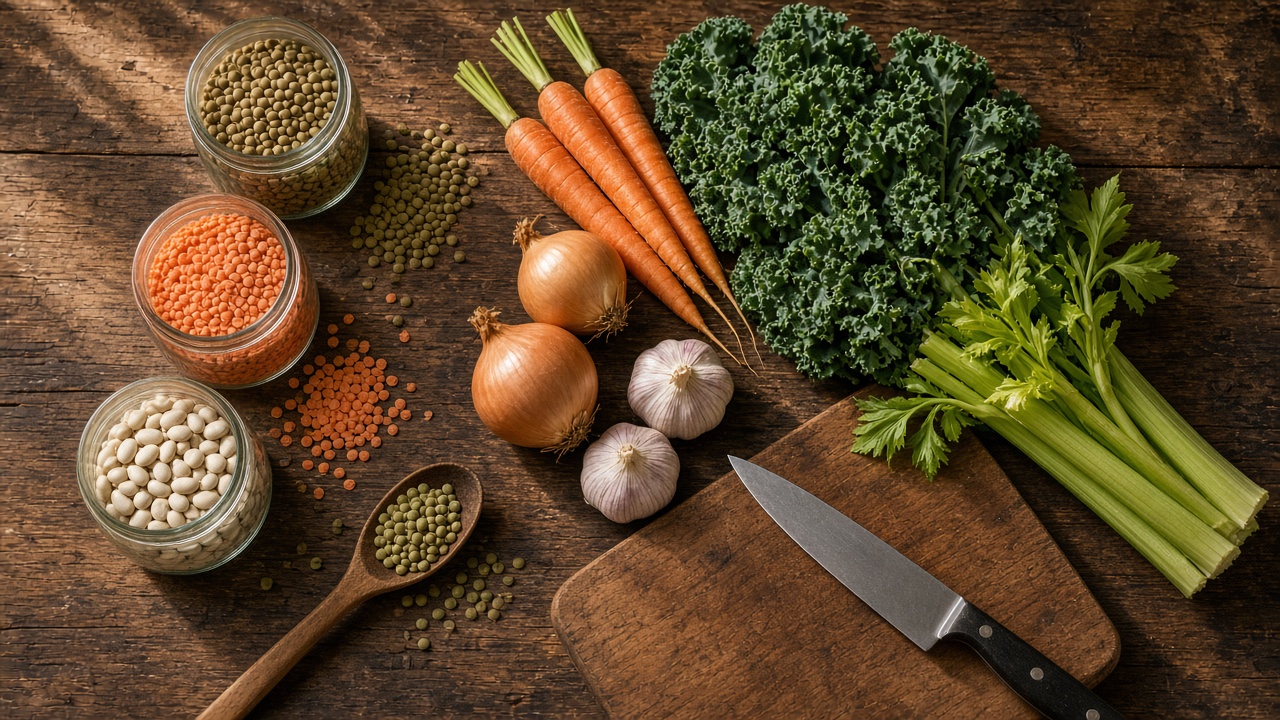
Minutes 0 to 25: chop everything. Onions, carrots, celery, garlic, greens. I do it all before the burner goes on, so I never end up scorching garlic while I hunt for the cutting board. A sharp knife and a big board make this the most peaceful part of my week.
Minutes 25 to 45: build the base. Brown the meat in batches in a heavy pot, set it aside, then soften the onion, carrot and celery in the drippings. My workhorse is a Lodge 6 Quart Enameled Cast Iron Dutch Oven. It holds heat beautifully, browns without burning, and goes from stove to table. If you want to dig into pot sizes and materials, my friends over on the home side wrote a terrific stock pot guide written over twenty soup seasons.
Minutes 45 to 120: simmer and walk away. Broth, beans, lentils and tomatoes go in, and the pot simmers gently while I fold laundry or take a walk. If your Sunday is packed, an Instant Pot Duo 6 Quart gets you to the same place in about 35 minutes under pressure, and it will keep the soup warm while you portion.
One more tool I would not give up: a Etekcity Digital Kitchen Scale. I do not weigh my food obsessively, but weighing the meat and dry lentils once lets me know what each bowl carries, and that takes the guesswork out of hitting my protein targets all week.
Three Soups in My Winter Rotation
These are the three my team and I come back to most. Each makes about ten 1.5-cup bowls in a 6-quart pot. The numbers are honest estimates from the labels, not lab results, but they will put you in the right neighborhood.
1. Red Lentil, Chicken and Kale
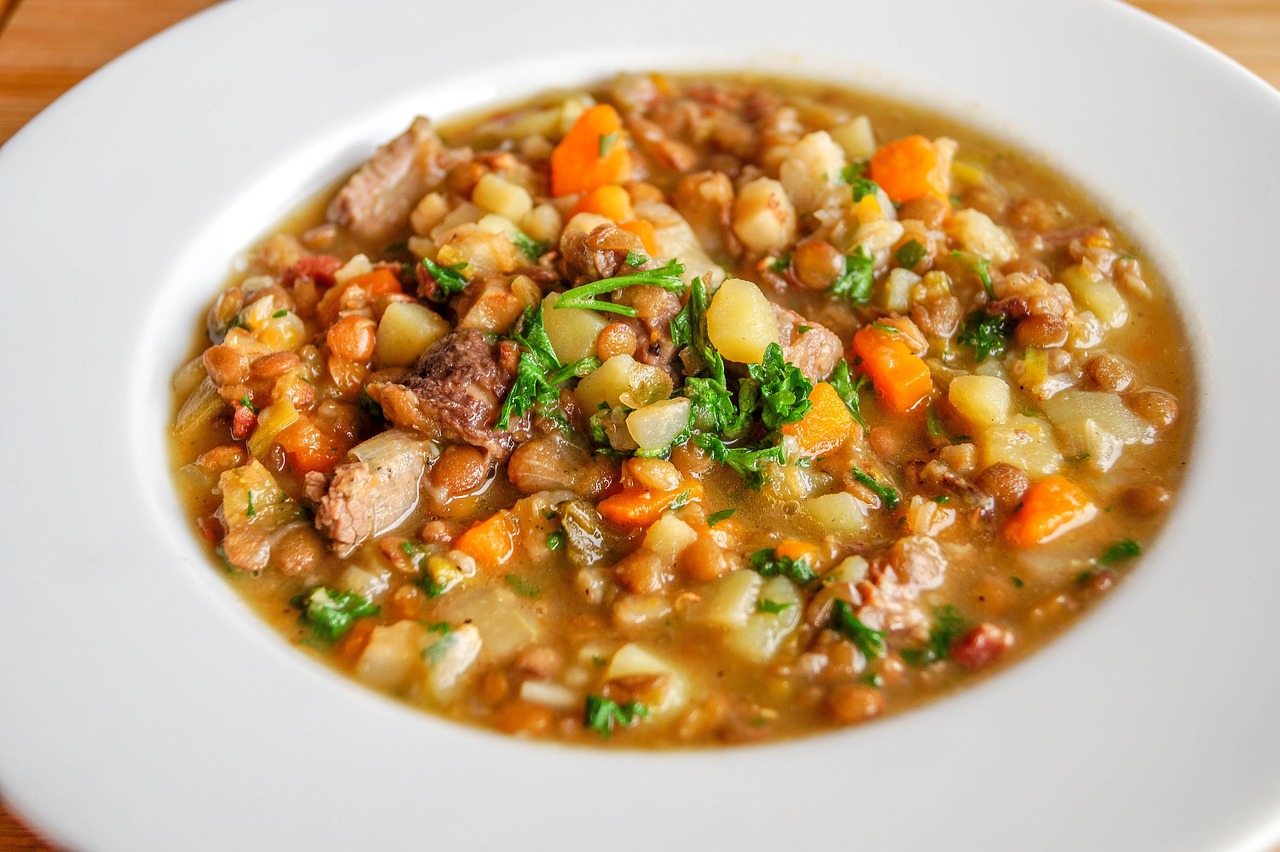
Two pounds of boneless chicken thighs, a cup and a half of dry red lentils, two cans of drained white beans, a can of crushed tomatoes, the usual base, a bunch of kale, cumin and smoked paprika, finished with lemon. Roughly 30 to 35 grams of protein and 9 to 10 grams of fiber per bowl. This is my default, and it is the one I bring to friends who just had a baby.
I use half water and half bone broth. A carton of Kettle and Fire Chicken Bone Broth adds around 9 or 10 grams of protein per cup compared with a gram or two in standard stock. It is not magic and it is not a collagen miracle, but it is an easy upgrade to the base.
2. Turkey, White Bean and Escarole
Ground turkey browned with fennel seed and chili flakes, three cans of cannellini beans, escarole or spinach, a Parmesan rind in the simmer, and a splash of red wine vinegar at the end. About 28 grams of protein and 8 grams of fiber per bowl. It tastes like a hug from an Italian grandmother I never had.
3. Blended Butternut and White Bean
For anyone who says they do not like chunky soup, this is the answer. Roast a large butternut squash, simmer it with onion, garlic, two cans of white beans and broth, then blend it smooth and top with a spoonful of Greek yogurt and lemon. The beans disappear into a velvety texture and quietly add protein and fiber. A Mueller Immersion Hand Blender lets you purée right in the pot, which means one less hot-soup-in-a-blender adventure.
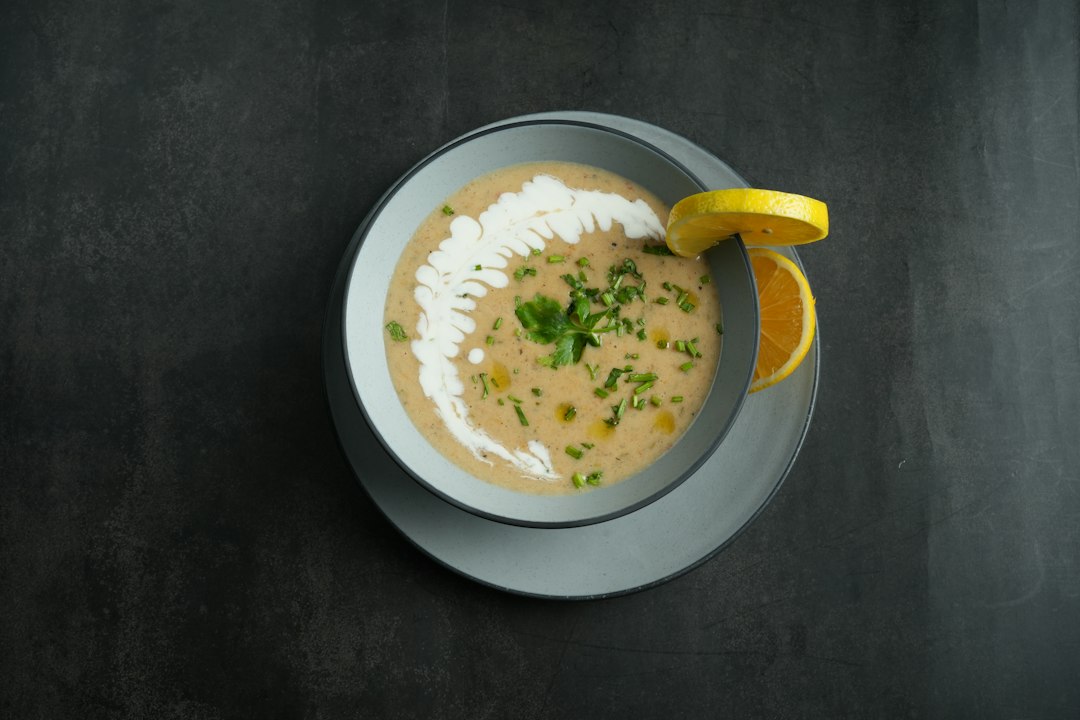
On its own the blended soup lands lower in protein, closer to 15 grams per bowl, so I treat it as a side to a chicken sandwich or I stir in a scoop of cottage cheese before blending. Nobody at my table has ever noticed.
Freezing Without Regrets
Soup is one of the most freezer-friendly foods there is, but a few rules separate a great bowl in January from a sad, grainy one.
- Cool it fast. Food safety guidance is to get cooked food into the fridge within two hours. I divide the pot into shallow containers so it chills quickly, rather than putting the whole hot Dutch oven in the refrigerator.
- Leave headspace. Liquid expands as it freezes. Leave about an inch at the top of any container, or you will find a cracked lid and a frozen soup glacier.
- Keep pasta and rice out. They turn soft and swell in the freezer. Cook a small batch fresh and add it to the bowl when you reheat.
- Hold the dairy. Cream, milk and yogurt can separate when frozen. Stir them in after reheating.
- Use it within about three months. Frozen soup stays safe longer, but flavor and texture are best in the first two to three months. Label everything with a name and date.
- Reheat to steaming. Bring soup to a full simmer, 165°F if you have a thermometer, before eating.
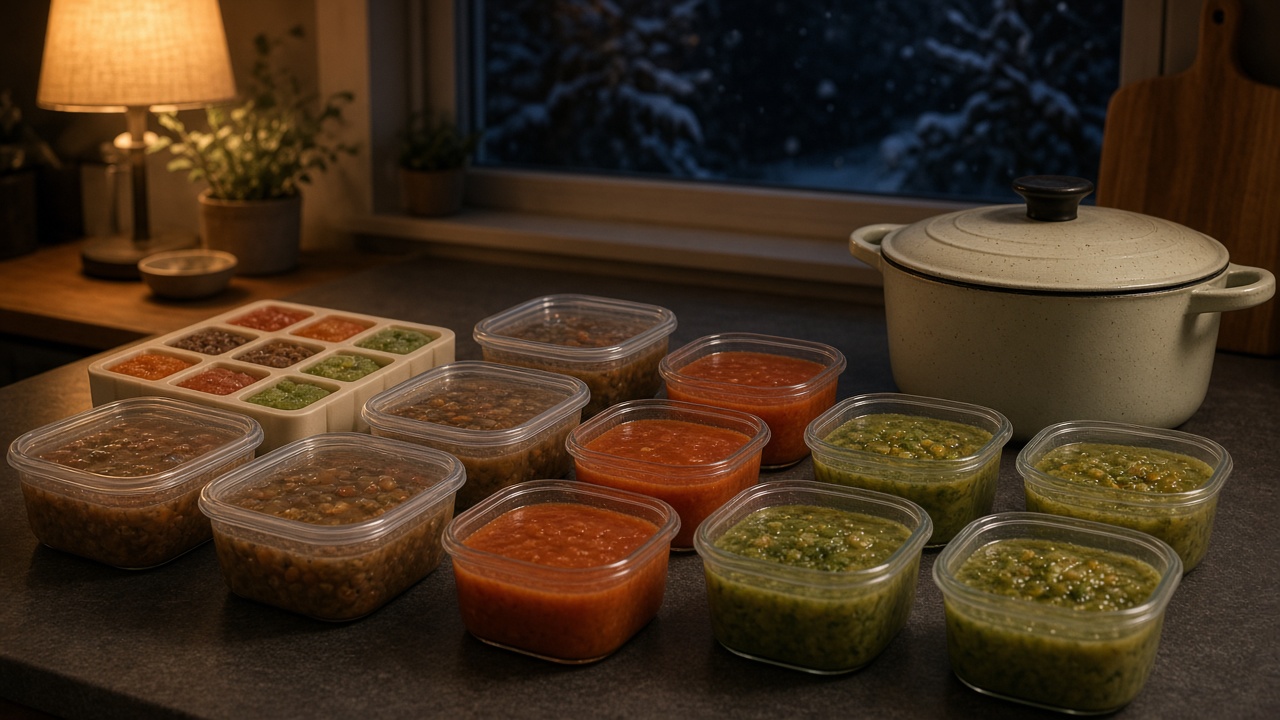
The single best freezer purchase I have made is a set of Souper Cubes 1-Cup Freezer Trays. You freeze the soup in neat one-cup blocks, pop them out, and stack them in a bag. Two blocks make a lunch, three make a hungry-athlete dinner, and you never have to thaw a whole quart for one person. For the fridge portions I use Pyrex Simply Store Glass Containers, which go straight into the microwave and do not stain orange from tomato.
Toppings That Do the Heavy Lifting
Toppings are where a good soup becomes a complete meal, and they are the easiest place to add protein, healthy fat and crunch without changing the pot.
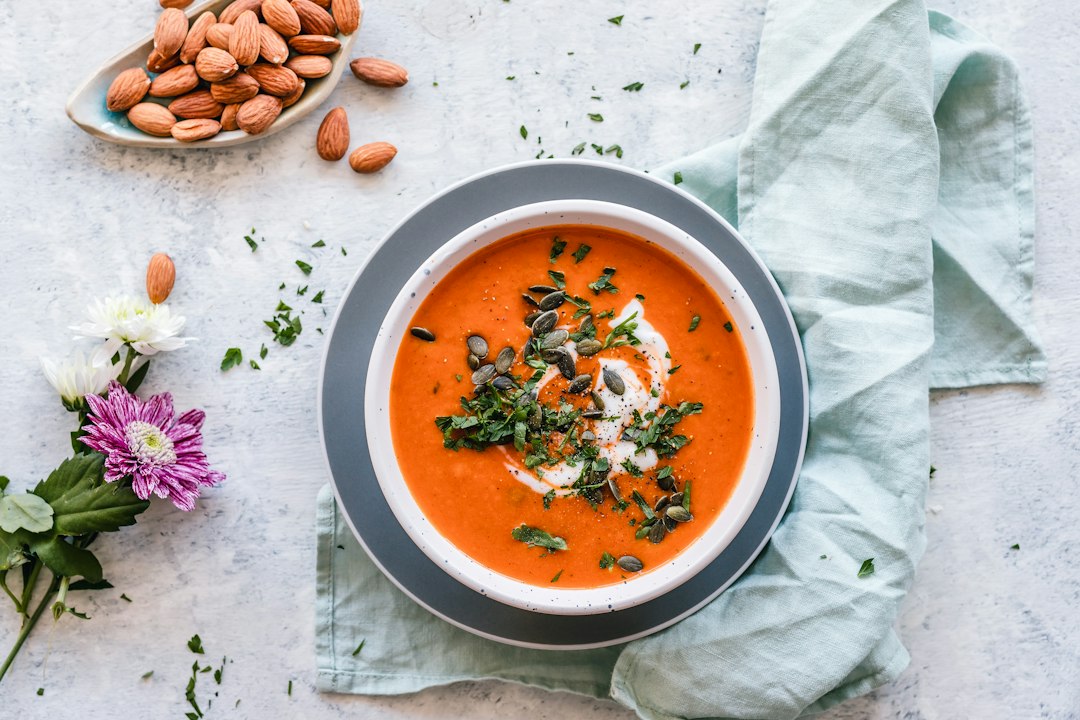
- Greek yogurt: a quarter cup adds about 6 grams of protein and a tangy creaminess.
- Toasted pumpkin seeds: two tablespoons add a few grams of protein, magnesium and crunch.
- A soft-boiled egg: 6 grams of protein, and it turns brothy soups into something close to ramen.
- Parmesan and herbs: a little goes a long way for flavor, which matters when you are eating the same pot three times.
- Lemon or vinegar: I said it before and I will say it again. A bright finish wakes up leftover soup.
If Your Appetite Is Small Right Now
A growing number of readers have written to me about eating on a GLP-1 medication, or simply finding that they are less hungry than they used to be. Soup is a quiet ally here. It is easy to eat, gentle on the stomach, and it lets you pack meaningful protein into a smaller volume. If that is you, lean toward the protein-dense soups, keep your portions modest, and prioritize the protein in each bowl first. My piece on what the booster aisle cannot promise next to the new GLP-1 pill explains why food, not supplements, is still the foundation. And as always, if you are managing kidney disease or any condition that affects how much protein or sodium you should eat, check with your doctor or dietitian before changing things.
Soup That Travels
A pot of soup in the freezer does not help if lunch is at your desk. I heat my bowl in the morning until it is steaming, pour it into a Thermos Stainless King Food Jar, and it is still hot at noon. Here is the trick my old trainer taught me: fill the jar with boiling water for five minutes first, dump it out, then add your soup. It stays hotter for hours longer.
Why Soup Night Matters More Than the Recipe
On Tuesday nights in the winter, a few of us at the YMCA bring soup to share after the evening strength class. Someone brings chili, someone brings a pot of minestrone, I usually bring the red lentil and chicken. There is always a ladle, a stack of mismatched bowls, and a lot of laughter. The soup is good, but the real benefit is that people linger and talk, and they come back the next week.
That is what I love most about soup in the dark months. It is a habit that makes the rest of your habits easier. It feeds your training, steadies your energy and invites people in. You do not need to be a great cook. You need one good pot, a Sunday afternoon, and a formula you trust.
My Soup Shelf Quick Picks
If you want to set yourself up for a winter of easy, high-protein bowls, here is everything I mentioned, in one place:
- The pot: Lodge 6 Quart Enameled Cast Iron Dutch Oven for browning and long simmers
- The shortcut: Instant Pot Duo 6 Quart for busy Sundays
- The smoother: Mueller Immersion Hand Blender for velvety blended soups
- The scale: Etekcity Digital Kitchen Scale for knowing what is in each bowl
- The pantry staple: Bob’s Red Mill Red Lentils for protein, fiber and body
- The broth: Kettle and Fire Chicken Bone Broth for a protein boost in the base
- The freezer system: Souper Cubes 1-Cup Freezer Trays for perfect portions
- The fridge containers: Pyrex Simply Store Glass Containers for reheat-ready lunches
- The commuter: Thermos Stainless King Food Jar for hot soup at noon
Pick one soup from my rotation this Sunday, make the whole pot, and freeze half. When the first truly miserable evening of November arrives, and it will, you will open the freezer and thank yourself. That is my favorite kind of training: the kind that pays you back on the days you need it most.