The first time I really paid attention to my nose on an airplane, I was twenty-two, flying home from a meet in a seat over the wing, and I woke up somewhere over Kansas with a nostril that felt like it had been sanded. By the time we landed I had a thin streak of blood on my napkin, a headache sitting right behind my eyes, and ears that refused to pop until I was halfway through baggage claim. I blamed the race, the hotel, the bad sleep. It took me years to figure out the real culprit was the air I had been breathing for three hours straight.
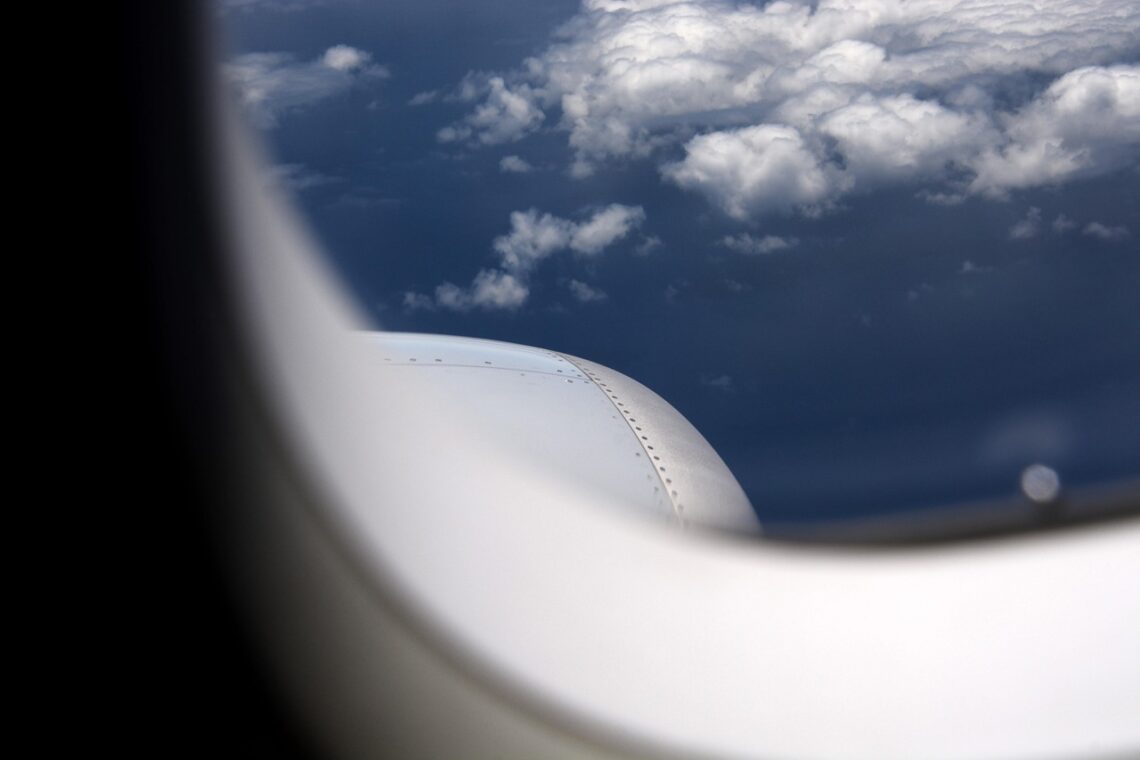
Here is the number that changed how I travel: the air inside a commercial airplane cabin usually sits around 10 to 20 percent relative humidity. The CDC’s Yellow Book uses that range, and so does Northwestern Medicine, which points out that a comfortable indoor room lives somewhere between 30 and 65 percent. Some of the driest deserts on Earth post afternoon readings in that same low band. So when you board a flight to Grandma’s next week, you are essentially volunteering your nose for a few hours in the desert, at a pressure that feels like 6,000 to 8,000 feet, packed shoulder to shoulder with people who are coughing in the middle of an early, busy flu season.
Your nose is not a passive tube. It is a humidifier, a filter, and a conveyor belt all at once. A thin layer of mucus traps dust and germs, and tiny hair-like cilia sweep that layer toward your throat so you can swallow it and move on. When the lining dries out, the mucus thickens, the sweep slows down, and the whole system gets sloppy. That is why I treat the nose like any other part of the body I am asking to perform: I prepare it, I keep it fueled during the event, and I help it recover afterward.
This is the saline routine I pack for every holiday flight. It is cheap, it is boring, and it has saved me from that sandpaper feeling every single November since I started doing it.

Why the Thanksgiving Week Cabin Hits Harder
Holiday flights stack a few things against you at once. Thanksgiving falls on November 26 this year, which means the Tuesday and Wednesday before and the Sunday after are some of the busiest travel days of the year. Fuller planes mean more people breathing the same air, longer waits on the jet bridge, and more time sitting at the gate with the doors closed. Add early-morning departures, a short night of sleep, and the coffee you grabbed in the terminal, and you have a body that is already a little dry before the wheels even leave the ground.
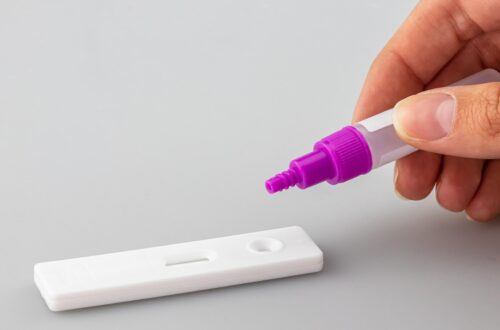
Then there is the bug factor. Respiratory viruses are circulating early and strong this fall, and you are going to be close to a lot of strangers. Saline is not a vaccine and it is not a force field, so please do not read this as “spray your nose and skip the flu shot.” What I am after is simpler: a comfortable, working nasal lining that does its normal job instead of cracking, bleeding, and swelling shut. I wrote about the bigger picture of training through this time of year in my three-light plan for cold season. If you are hosting, a few home flu-and-COVID tests in the hall closet are worth having before people start arriving.
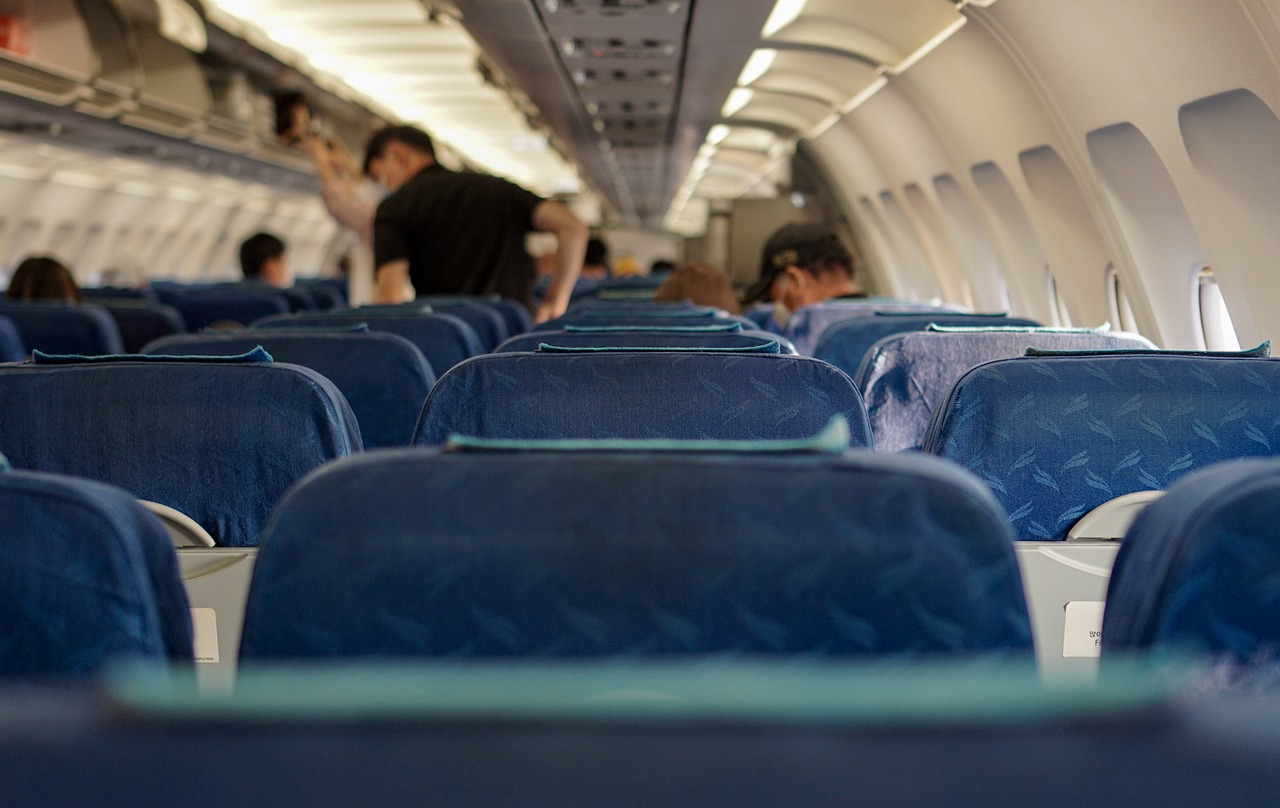
The other piece people forget is pressure. When the cabin climbs and descends, the air in your sinuses and middle ears has to equalize through tiny openings. A dry, swollen nose makes those openings narrower. That is how a little stuffiness at the gate turns into the ear pain that has you clutching the armrest on the descent into Denver or Atlanta. Keeping the tissue moist and calm is the foundation; everything else in this routine builds on it.
Saline Mist vs. Saline Gel vs. Everything Else in the Aisle
Walk into any pharmacy and the nasal aisle looks like a wall of nearly identical bottles. They are not the same, and grabbing the wrong one for a flight is the most common mistake I see. Here is how I sort them.
Plain saline mists: the everyday workhorse
This is the foundation of the whole routine. A plain saline spray is salt water at roughly the same concentration as your body’s fluids, so it moistens without medicating. You cannot really overdo it in the way you can with a decongestant, which is exactly why it is my first reach. I like a continuous-mist can such as Simply Saline Nasal Mist because it delivers a fine, even spray even when you hold it at an awkward angle in a cramped seat. For something smaller and squeezable, a classic pump bottle like Ocean Saline Nasal Spray fits easily in a seatback pocket and has been a pharmacy staple for decades.
The American College of Allergy, Asthma and Immunology suggests using a saline spray about once an hour in the air to keep the nasal lining moist, and ear, nose and throat doctors recommend a dose before boarding and before landing. That is the rhythm I follow: one or two sprays per nostril at the gate, then again every hour or so, and once more about thirty minutes before landing. Tilt your head slightly forward, aim the nozzle toward the outer wall of the nostril (toward your ear on that side, not toward the middle of your nose), and sniff gently. You do not need to snort it to the back of your throat.
Saline gels: the overnight armor
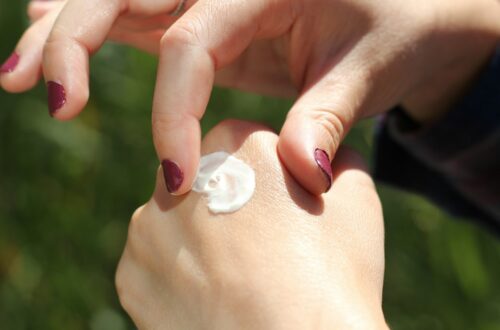
Mists evaporate. On a long flight, or for anyone who already gets nosebleeds in winter, I add a gel. Ayr Saline Nasal Gel is the one I have carried for years: a small dab on a clean fingertip or cotton swab, swiped just inside each nostril, leaves a moisture film that hangs around much longer than a spray. Otolaryngologists at UAB suggest a similar trick, a pea-sized amount of a non-menthol balm inside the nose, for people prone to dryness. I put the gel on before boarding and again at the hotel or guest room that night, because the house you are visiting is probably running the furnace hard.
For the outside of the nostrils and the lips, which take a beating from all the tissue-wiping that happens in December, I keep a little tube of Aquaphor Healing Ointment in my bag. It does double duty on cracked knuckles after a week of holiday dishwashing, too.
Xylitol saline: a nice-to-have, not a miracle
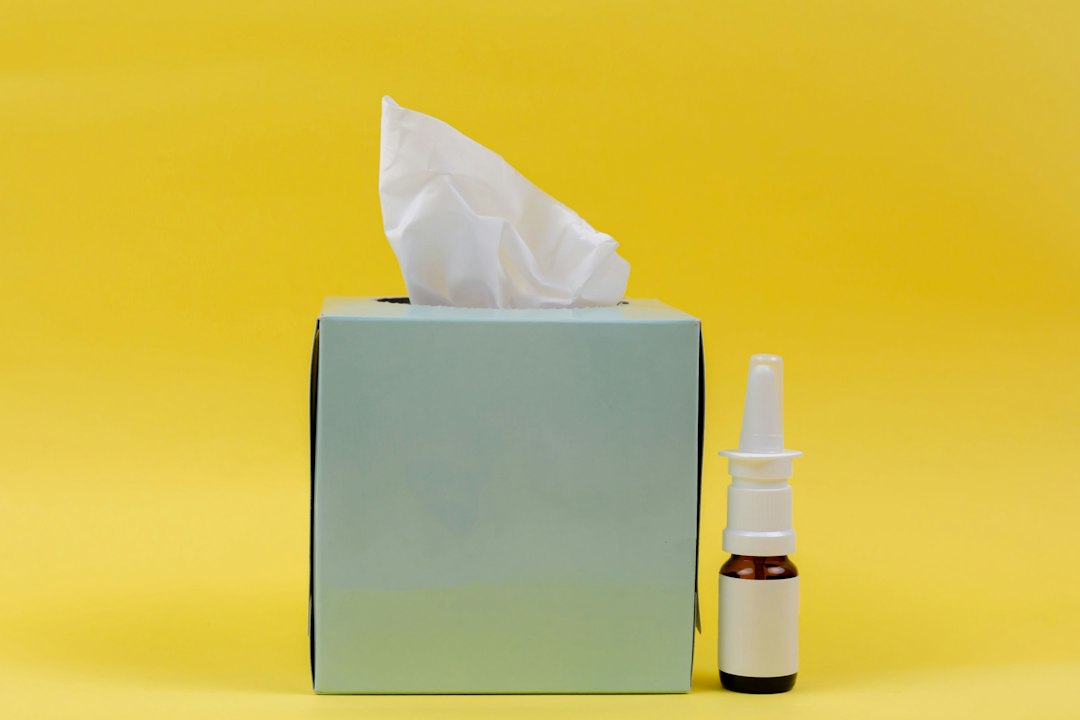
Some of my clients swear by Xlear Nasal Spray, which blends saline with xylitol. It feels a little more soothing to some people, and it works fine as the moisturizing spray in this routine. Just be honest with yourself about what the evidence supports: think of it as a comfortable saline option, not a shield against whatever the person in 23C is carrying. If you already like it, pack it. If you do not, plain saline does the core job.
What about hypochlorous sprays?
Hypochlorous acid sprays are having a moment, and search interest is climbing fast. Most of what you see on the shelf is labeled for skin, eyelids, or surfaces, not for spraying inside the nose. Unless a product is specifically labeled and directed for nasal use, it does not belong in this routine. Saline is boring for a reason: it is what your nasal lining is built to handle.
The Decongestant and Allergy Sprays: Useful, With Rules
This is the part of the aisle where people get into trouble, so I want to be clear and careful. Two other kinds of sprays live next to the saline, and they do very different jobs.
Steroid allergy sprays like Flonase Allergy Relief calm allergic inflammation over time. They are not instant. If you know you are flying to a house with two cats and a dusty guest room, and your doctor or pharmacist agrees it is right for you, starting a daily allergy spray several days before the trip makes more sense than reaching for it at the gate. These are not moisturizers, so you still want saline in the rotation.
Decongestant sprays like Afrin Original Nasal Spray shrink swollen blood vessels in the nose within minutes. The allergy college actually mentions a long-acting decongestant spray before takeoff and landing for travelers who are congested, because it can help the ears and sinuses equalize. But MedlinePlus is blunt about the limits: oxymetazoline is not meant to be used for more than three days, and overuse can cause rebound congestion, where your nose swells back up worse every time it wears off. It can also dry the lining further. My rule: it is a one-flight tool, used exactly as labeled, only if you are already stuffy, and only after you have checked with a pharmacist if you have high blood pressure, heart issues, or take other medications. It is never the daily routine, and it is not for young kids unless a pediatrician says so.
And the honest truth? If you are genuinely sick with a fever and a head full of congestion, the best move is often to change the flight. Flying with blocked sinuses is a reliable way to end up with painful ear barotrauma, and you will feel worse for days. Fever-free and breathing through your nose is a reasonable bar before boarding, the same bar I use in my five-day return ramp after the flu.
The Night-Before Rinse (and the Water Rule I Never Break)
If you already deal with sinus trouble or allergies, a gentle rinse the night before you fly can clear out the gunk so the morning spray works on clean tissue. I use a squeeze bottle like the NeilMed Sinus Rinse Kit, which comes with premixed salt packets so you are not guessing at concentrations at 10 p.m. while you are also trying to pack.
Here is the rule I will not bend: never rinse with plain tap water. The FDA says to use water labeled distilled or sterile, or tap water that has been boiled for three to five minutes and cooled to lukewarm. Boiled water can sit in a clean, closed container for up to 24 hours. Tap water that is perfectly safe to drink can carry organisms that your stomach acid handles easily but your nasal passages cannot, and in rare cases those infections are serious. Wash and dry the bottle between uses, too.
I do not rinse on the plane, obviously, and I do not need to rinse every day of the trip. One rinse the night before, one the night I arrive if I feel crusty, and the mist and gel cover the rest. If you have never rinsed before, do your first try at home, not in a hotel bathroom at midnight.
Water, Eyes and Ears: The Rest of the Desert Kit
Saline handles the nose, but the same dry air is pulling moisture from your eyes, your throat, and the rest of you. A few simple pieces round out the kit.
Water you will actually drink. Northwestern Medicine suggests about eight ounces of water for every hour you are in the air, and going easy on alcohol and extra caffeine. I carry an empty CamelBak Chute Mag Water Bottle through security and fill it at a station near the gate. The magnetic cap stays out of your way when you are drinking in a cramped row, and a full bottle on the tray table is a visual reminder. Bonus: those bathroom trips get you up and moving, which your legs need anyway. For more on what actually helps puffy travel legs, see what really moves lymph before holiday travel.

Eyes. Dry cabin air is rough on eyes, and doubly so if you wear contacts or plan to stare at a screen for three hours. A preservative-free single-use vial or a bottle of Systane Ultra Lubricant Eye Drops is my pick for a quick refresh. Look for “lubricant” or “artificial tears” on the label; the redness-relief drops are a different product for a different job.
Ears. If descents usually make your ears ache, EarPlanes Pressure-Reducing Earplugs slow down the rate of pressure change against the eardrum. I put them in as we start the descent. Swallowing, yawning, and chewing gum help too, and so does staying awake for the last twenty minutes so you are actually swallowing. Small kids do better sipping from a cup or bottle on the way down.
Getting It Through Security Without a Fight
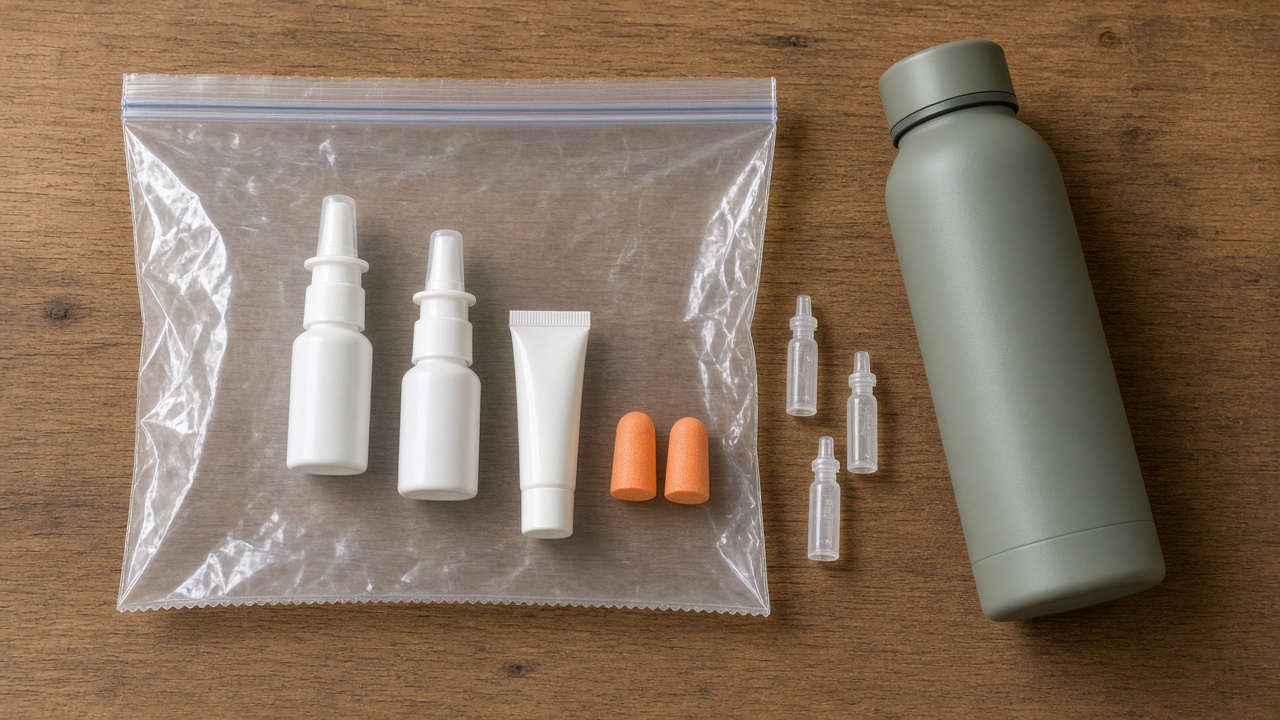
The TSA’s 3-1-1 rule has not changed, no matter what you may have read about new scanners. Liquids, gels, aerosols, creams, and pastes in your carry-on must be in containers of 3.4 ounces (100 milliliters) or less, all fitting in one quart-size bag per person. New CT scanners at some airports mean you may be able to leave that bag inside your carry-on, but the size limit still applies at every checkpoint.
The good news is that nearly everything in this routine is small. Most saline mists, gels, and eye drops come in travel sizes well under the limit. Check the label on any spray can before you pack it, since some continuous-mist cans are larger than 3.4 ounces and need to go in your checked bag. I keep my nose kit in a Clear Quart-Size Toiletry Bag that lives in the outside pocket of my carry-on, so it comes out once at security and then goes straight into the seatback pocket on the plane. Medications are exempt from the size limit, but tell the officer and expect extra screening.
My Gate-to-Guest-Room Timeline
This is the whole routine on a timeline, the way I actually run it. Nothing here takes more than a minute.
- Three to five days out (only if you have allergies): talk to your pharmacist about starting your daily allergy spray so it is working by travel day.
- Night before: one gentle rinse with distilled or boiled-and-cooled water. Pack the clear liquids bag. Fill nothing yet.
- Morning of: a big glass of water with breakfast. Saline mist after you brush your teeth.
- At the gate: fill the water bottle. Mist in each nostril, a dab of gel inside each nostril, eye drops if you wear contacts.
- Every hour in the air: a sip schedule and one or two sprays per nostril. Stand up and walk the aisle when the seatbelt sign allows.
- Top of descent: spray once more, earplugs in, start swallowing and chewing gum.
- Night one at your destination: gel before bed, and if the house is dry and warm, run a small humidifier near your pillow.
That last line matters more than people think. Many homes run their heat hard over the holidays, and guest rooms are often the driest rooms in the house. A tiny bottle-top unit like the Pure Enrichment MistAire Travel Humidifier screws onto a standard water bottle and adds enough moisture around your pillow to make a difference. Use clean, ideally distilled, water and rinse it out every day. I explained why I care so much about bedroom humidity in the bedroom-air fix I make before the furnace wakes up.

When a Dry Nose Is Not Just a Dry Nose
A routine like this handles ordinary dryness. It is not a substitute for medical care, and a few signs mean it is time to call someone instead of reaching for another spray.
- Nosebleeds that will not stop after 15 to 20 minutes of steady pressure, or that keep coming back.
- Ear pain that lingers for more than a day or two after landing, muffled hearing that does not clear, or fluid draining from the ear.
- Facial pain, fever, and thick discolored mucus that last more than about a week or get better and then worse.
- Needing a decongestant spray beyond three days to breathe at all. That is the rebound cycle, and it is worth getting help to break it.
- Any breathing trouble, chest pain, or swelling in one leg after a long flight. Those are not nose problems.
If you have a chronic sinus condition, a deviated septum, a history of ear surgery, or you take blood thinners, check with your doctor before trying any new nasal product, even the “harmless” ones.
Treat the Flight Like an Event, Not an Accident
When I was competing, I would never have shown up to a meet without thinking about fuel, hydration, and recovery. Somewhere along the way I realized I was treating flights as dead time, something that just happened to me, and then wondering why I arrived wrecked. The fix was the same mindset I use for any training day: prepare, maintain, recover.
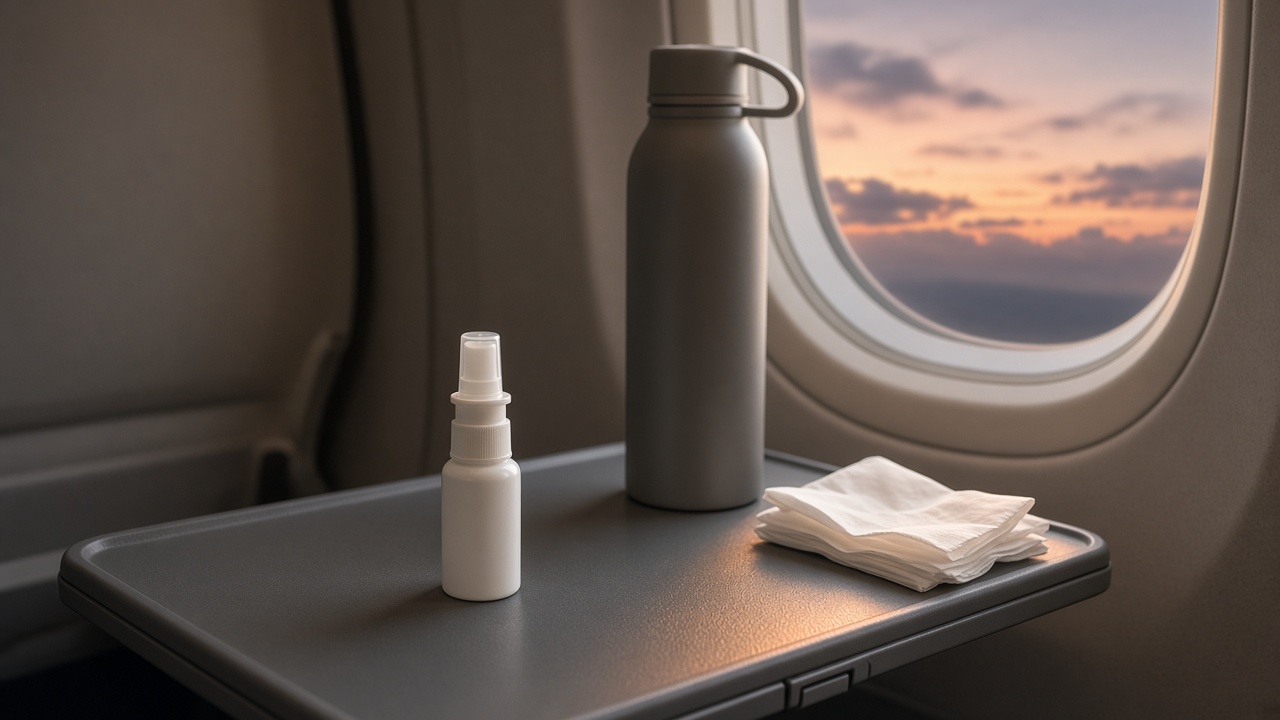
The saline routine is the smallest possible version of that. A couple of dollars of salt water, a gel you dab on in five seconds, a water bottle you actually fill, and a plan for the guest room. It will not make a middle seat on the Sunday after Thanksgiving pleasant, but it will make you a lot more comfortable in it. If you are still deciding whether to fly at all this year, my colleague over on the travel site broke down how to work around the November 29 airport crush, which is worth a look before you book your return.
Pack the little bag tonight. Put it by your keys. And when you land, I hope the only thing you notice about your nose is the smell of the turkey.