Somewhere around the second week of September, without fail, a text lands in my phone from at least one client: “I don’t know what’s happening. I’m crashing at 8:30 p.m. and my 6 a.m. run feels like someone snuck weights into my shoes.” Every single year. For a long time I chalked it up to back-to-school chaos or the mental exhale that follows a busy summer. Then I started paying closer attention to the calendar instead of the client, and the pattern became impossible to miss.
Here’s what’s actually going on: we are in the steepest daylight decline of the entire year. The autumnal equinox lands on September 22, and in the weeks surrounding it, most of North America loses somewhere between two and three minutes of daylight every day. That doesn’t sound like much. But stack it up and you’ve surrendered nearly a full hour of light by mid-October — and your biology notices every minute of it long before your conscious brain catches on.
The Arithmetic Nobody Feels
Your body runs on an internal clock that gets reset daily by light, especially morning light. When the sun rises later and sets earlier, that clock drifts. Melatonin — the hormone that makes you sleepy — starts creeping earlier into your evening. Cortisol, which should spike to help you wake, arrives late and sluggish. Serotonin production dips with reduced daylight exposure. None of this shows up on a scale or in a mirror, which is exactly why it catches people off guard.
My coaching team and I track session compliance across our whole client roster, and September is our most predictable soft spot — more skipped mornings, more “just not feeling it” cancellations than any month besides mid-December. The motivation dip isn’t a character flaw. It’s a light problem. And light problems have light solutions.
That’s why I treat September as a preparation month. Not a grind month, not a goal-setting month — a preparation month. You have roughly seven weeks before daylight saving time ends on November 1 and plunges your evenings into darkness. What you build now determines whether winter runs you over or merely waves as it passes.
Anchor the Morning Before Anything Else
The single highest-leverage habit I assign every September client costs nothing: get outside within an hour of waking, even if it’s gray, even if it’s only for ten minutes. Here’s the part most people don’t grasp — an overcast morning sky still delivers around 1,000 lux of light to your eyes. Your bright kitchen ceiling? Maybe 200. A trip to the mailbox in dim dawn light outperforms an hour indoors, because your circadian system is calibrated for outdoor light levels that no living room can touch.
That morning anchor keeps your body clock from drifting when sunrise slips from 6:15 to 6:45 to 7:00 over the coming weeks. Walk the dog, sip coffee on the porch, do your mobility routine by the front door — the delivery method matters far less than the dose of daylight.
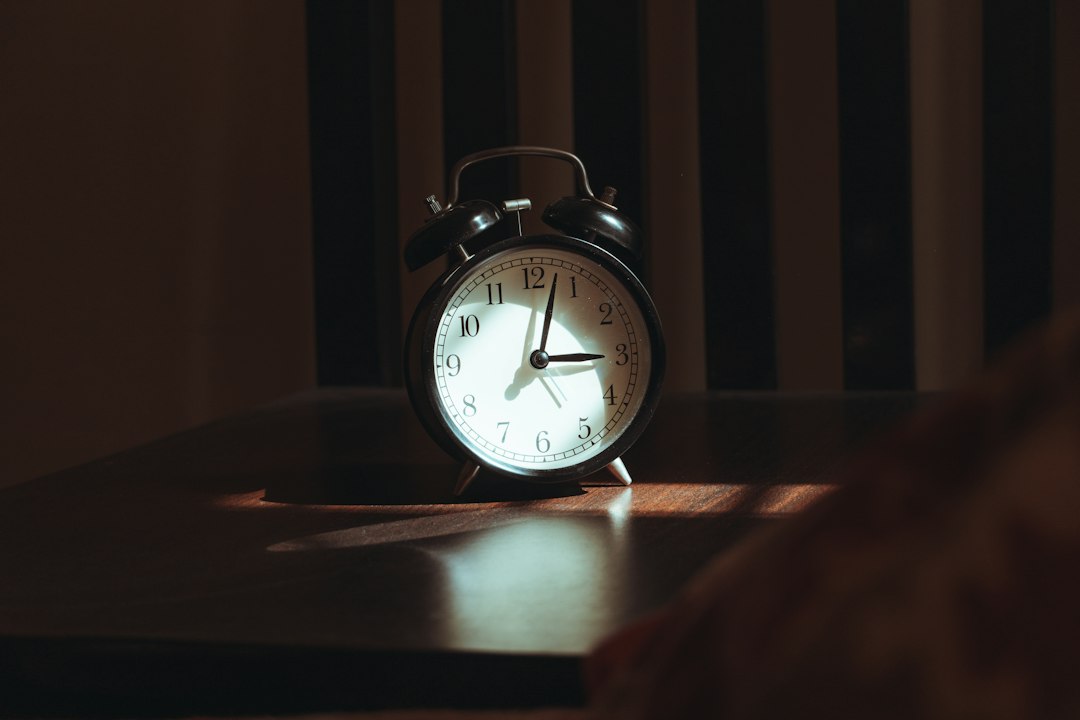
Now, if your wake-up time lands before the sun does — and by late October it will — a sunrise-simulating alarm clock is the one gadget I recommend without hesitation. I’ve had my Philips Wake-up Light on the nightstand for three autumns now, and it eases you awake with a gradually brightening glow instead of a heart-attack siren. My clients who struggle hardest with dark mornings report the same thing I felt the first season: waking up feels less like being dragged and more like being coaxed.
The 10,000-Lux Breakfast Trick
Some mornings, outdoor light simply isn’t on the menu — stormy weather, brutal schedules, small humans who need wrangling. This is where a proper light therapy lamp earns its counter space. The research standard is 10,000 lux, delivered for 20 to 30 minutes, ideally in the first couple hours after waking. You don’t stare at it. You set it beside your breakfast and let it wash over you while you eat, the way morning sun through a window would.
I keep a Verilux HappyLight parked next to the toaster from October through March, and it has quietly become the most-used “recovery tool” in my house that has nothing to do with muscles. Consistency beats intensity here — twenty minutes daily through the dark half of the year does more for your afternoon energy than any single heroic sunny weekend hike.
One myth I have to bust while we’re here, because it’s everywhere this time of year: a light therapy lamp will not make vitamin D. These lamps are UV-free by design — UV is the skin-damaging part of sunlight — so they brighten your mood and steady your clock, but they do nothing for the nutrient side of the equation. That requires a different plan entirely.
The Vitamin You Quietly Stop Making
Here’s the detail almost nobody talks about: your skin makes vitamin D from UVB light, and UVB only reaches the ground when the sun sits high enough in the sky. Through the deep summer months, a twenty-minute lunch walk generates a respectable dose. But as the sun’s angle drops through September and October, the UVB window shrinks — and across most of the United States, by late autumn your skin could stand outside at noon all day and make almost none, no matter how bright it feels.
So the internal tank you filled in July starts draining right as your immune system heads into its busiest season. Not a coincidence, and not something I leave to chance anymore.
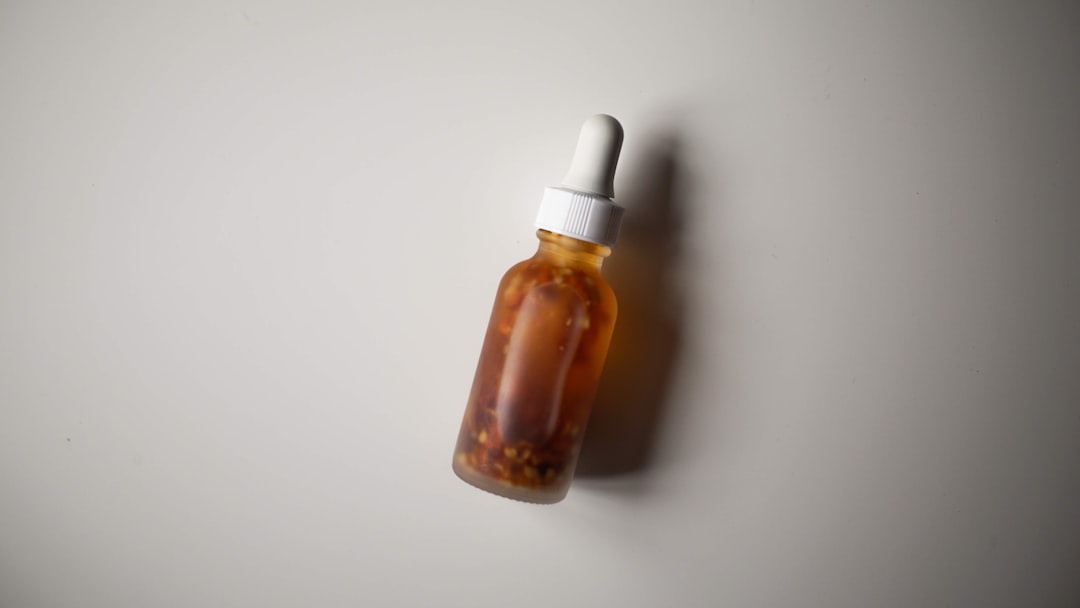
Step one: test, don’t guess. An at-home vitamin D test kit runs about the cost of a spin class and tells you where you’re actually starting from — I have mine done each fall, and the results have surprised me twice. Step two: supplement with intention. My personal pick is liquid D3 with K2, because the drop format makes dose adjusting effortless and K2 helps direct calcium where it belongs. Pair this with the six-week immune protocol I start every August, and you’ve front-loaded the season instead of chasing it.
Training in the Dim Hours
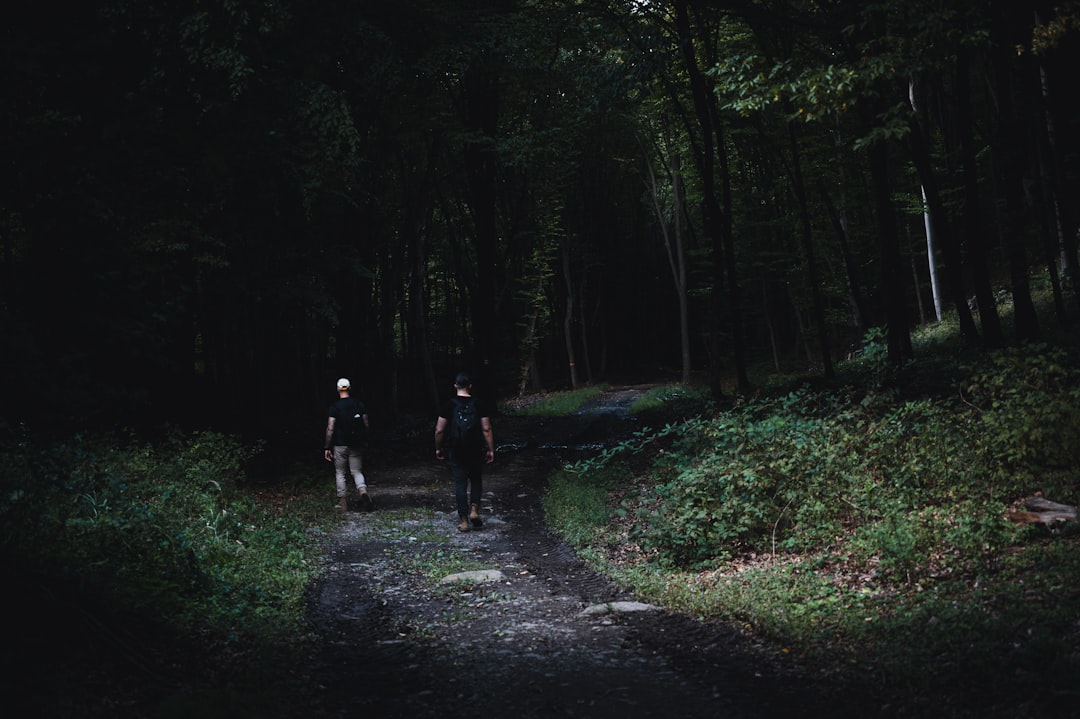
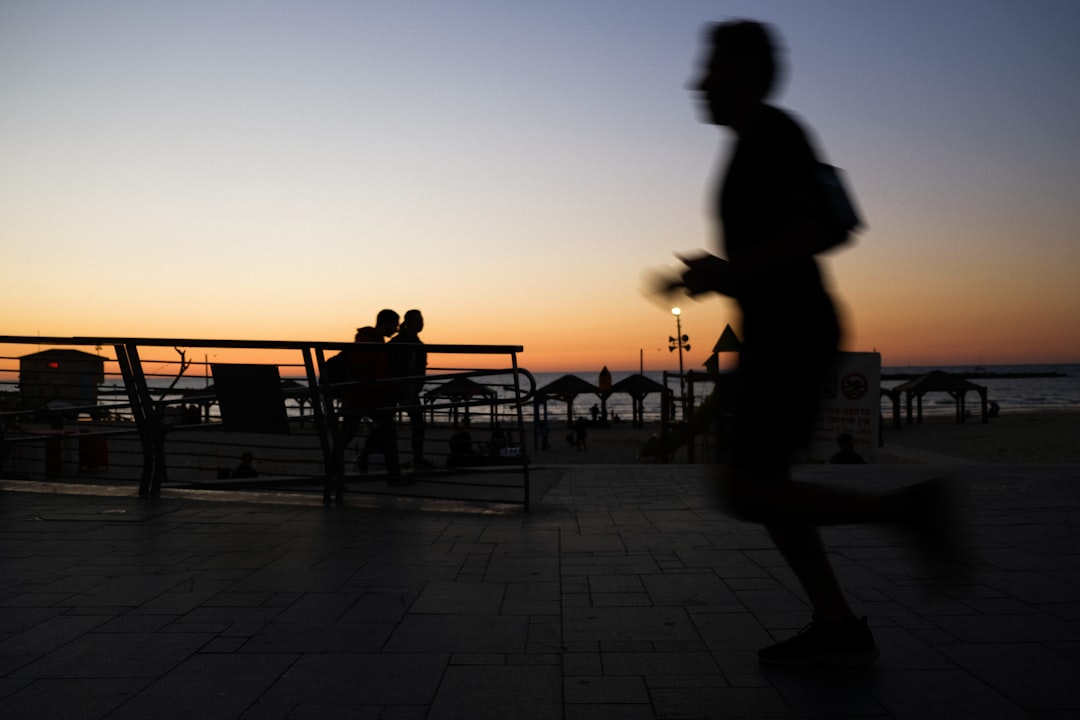
The after-work crowd gets squeezed first. That 6 p.m. run you’ve been doing in full daylight since May? By mid-October you’re doing it in dusk, and by November you’re doing it in the dark. You can either let the darkness shrink your training window or you can outfit yourself for it — and I promise the second option is cheaper than three months of skipped sessions.
Sight comes first. A good rechargeable running headlamp does two jobs at once: it lights the pothole before your ankle finds it, and it makes you visible to the cyclist who isn’t looking for you. Then add a reflective running vest with active LED lighting, because reflectivity only works when headlights hit it — an illuminated vest announces you from blocks away. My evening-group regulars learned this the year one of them nearly became a hood ornament; the whole squad showed up lit like Christmas trees the following week.
Some of my clients solve it differently and simply move training to midday or mornings — and I wrote about how I restructured my own schedule when daylight collapsed if you want the full playbook. The specific choice matters less than making one before the darkness makes it for you.
Guard the Evening Like It’s Part of Your Workout
Morning light sets your clock, but evening light scrambles it. Every bright overhead bulb and blue-white screen you face after dinner pushes your melatonin release later, which makes tomorrow’s wake-up harder, which makes you reach for more caffeine, which deepens the whole cycle. In September this spiral is subtle. By December it’s a full tailspin.
The fix is almost embarrassingly simple: dim your world after dinner. I swapped my living room and bedside lamps to smart bulbs that shift to warm tones on a schedule — they fade toward amber at 8 p.m. without me touching anything, and the whole house starts whispering “wind down” instead of shouting “second wind.” If your evenings are welded to a screen (no judgment, mine too some nights), a pair of blue-light blocking glasses takes the sharpest edge off. And on the nights I need extra help downshifting, my four-minute wind-down drink closes the loop beautifully.
Start Before the Clocks Do
November 1 arrives with a thud — one weekend night, and suddenly your 5:45 p.m. world is black. The clients who glide through that transition aren’t tougher or more disciplined. They simply started six weeks earlier, while it was still easy, so the change arrived at a jog instead of a sprint.
Your September checklist is short on purpose:
- Morning anchor: ten minutes of outdoor light within an hour of waking, every day that the sky cooperates.
- Backup brightness: a sunrise alarm for pre-dawn wake-ups and a 10,000-lux lamp for breakfast on the gray mornings.
- Nutrient insurance: test your vitamin D once, then supplement through winter based on the number.
- Dark-hour kit: headlamp plus illuminated vest stationed by the door before the time change, not after.
- Evening dim-down: warm bulbs on a timer, screens tempered, lights low after dinner.
That’s it. No overhaul, no dawn patrol extremism — just five small arrangements made while the sun is still doing half the work for you.
Autumn rewards the prepared. The athletes who show up in January with their fitness intact were forged in exactly these weeks, when the light leaves quietly and most people let their habits follow it out the door. Step outside tomorrow morning, look east, and let your body clock know the plan. It will thank you by December — and so will the version of you lacing up for a dark 6 a.m. run, warm-lit, well-rested, and ready.