Two Decembers ago, one of my Tuesday-night regulars at the Y walked up to the rack looking like someone had stolen her dog. She’d bought a treadmill on Black Friday. It was a door-buster, a big red “SAVE $700” banner, a box that said 4.0 HP in letters as tall as my hand. By the second week of January, the belt was hesitating every time she pushed past a jog, and the console smelled faintly hot after forty minutes. “It said four horsepower,” she kept saying. It did. It also said “peak” in letters about one-twentieth that size, and the motor’s continuous rating was buried in a spec sheet she never opened.
Black Friday is November 27 this year, ten days from today, and treadmill deals are already everywhere. Brands are advertising “up to 40% off” in early sales, and my inbox is full of clients asking which one to grab. My answer is always the same: don’t read the discount until you’ve read the deck. So this is the checklist my team and I hand out every November. It covers the motor number that actually matters, how long the belt has to be for your stride, the room math, the outlet nobody checks, and the warranty fine print. I’ve also included three machines that pass it this week and the few small things that keep a treadmill healthy through March.
The Number on the Box Is Not the Motor
Every treadmill motor has two ratings, and marketing departments love the wrong one. Peak horsepower is what the motor can hit for a moment, usually at startup with no load on it. Continuous horsepower, written CHP, is what it can sustain hour after hour with a real human pounding the belt. A box that shouts “4.0 HP” can hide a motor that holds well under two continuous horsepower. That was my regular’s problem exactly.
Here’s the rough guide I give clients, and it lines up with what most independent reviewers use:
- Walking only: 2.0 to 2.5 CHP is plenty.
- Walking with some jogging: 2.5 to 3.0 CHP.
- Regular running: 3.0 CHP or more.
- Daily running, two runners sharing, or anyone over about 220 pounds: 3.5 CHP gives the motor breathing room.
If the listing only gives you “peak” or just “HP” with no label, assume it’s peak and go hunting for the spec sheet. A motor that’s too small for the job runs hot, gets noisy and wears out the motor control board, and that board is often the most expensive part to replace. A bigger motor working at half effort runs cooler and quieter and lasts longer. It’s the same reason I’d rather you lift a weight you can control for eight reps than one you can barely move for two.
Stand on the Deck in Your Head First
The belt is your whole workout space, and a short one changes how you move. On a deck that’s too short, people shorten their stride without noticing, watch their feet and drift back until their heels clip the motor hood. None of that helps your knees or your confidence.
My rule of thumb: about 50 to 55 inches of belt length for walking, 55 to 60 for jogging, and a full 60 inches for anyone who runs, and for anyone near or above 5’10” no matter how they plan to use it. Width matters less, but it matters. Twenty inches is standard and fine for most people. Twenty-two inches is a real comfort upgrade if you’re tall, broad through the shoulders, or the kind of runner whose arms swing wide when you get tired.
Weight capacity is the other number to check. I like a machine rated at least 50 pounds above the heaviest person who’ll use it. It isn’t just about safety. A frame and motor that aren’t working at their limit feel more solid and last longer. If you can, go stand on a few treadmills at a gym or a store before you buy online, and pay attention to how the deck feels when you land. Some decks are firm, some are bouncy, and the right one is a matter of what your joints like.
If you only ever walk, and you walk while you work, you may not need a full treadmill at all. I wrote about that choice in detail in my walking pads and folding treadmills review. My colleague on the tech side also spent three months on five models for his walking pad experiment. A flat, compact pad like the UREVO Under-Desk Walking Pad slides under a couch and handles 2 to 3 miles an hour all day. Just don’t expect it to handle intervals, hills or running.
Measure the Room Before You Fill the Cart
This is the step that sends more treadmills back than any other, and it takes ten minutes. Grab a good Stanley 25-Foot PowerLock Tape Measure and check four things.
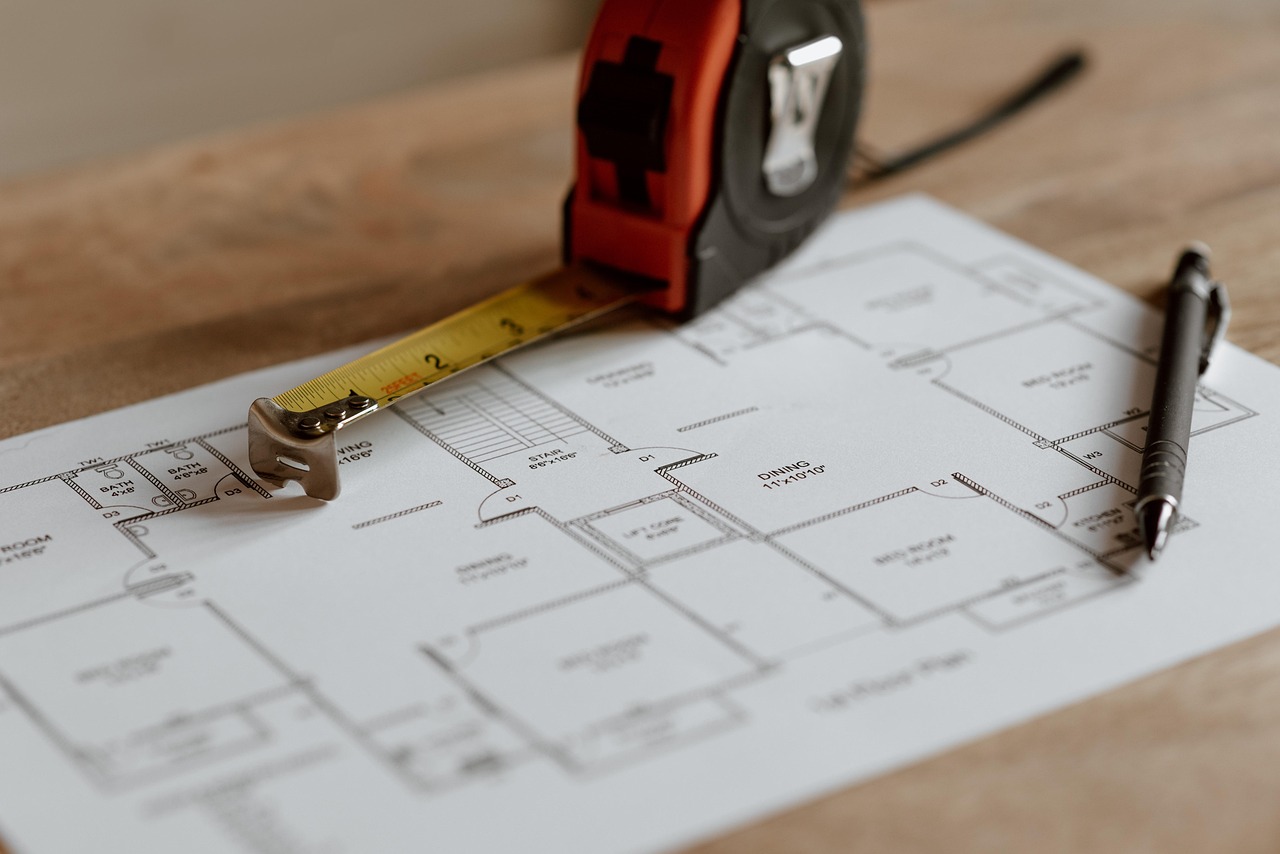
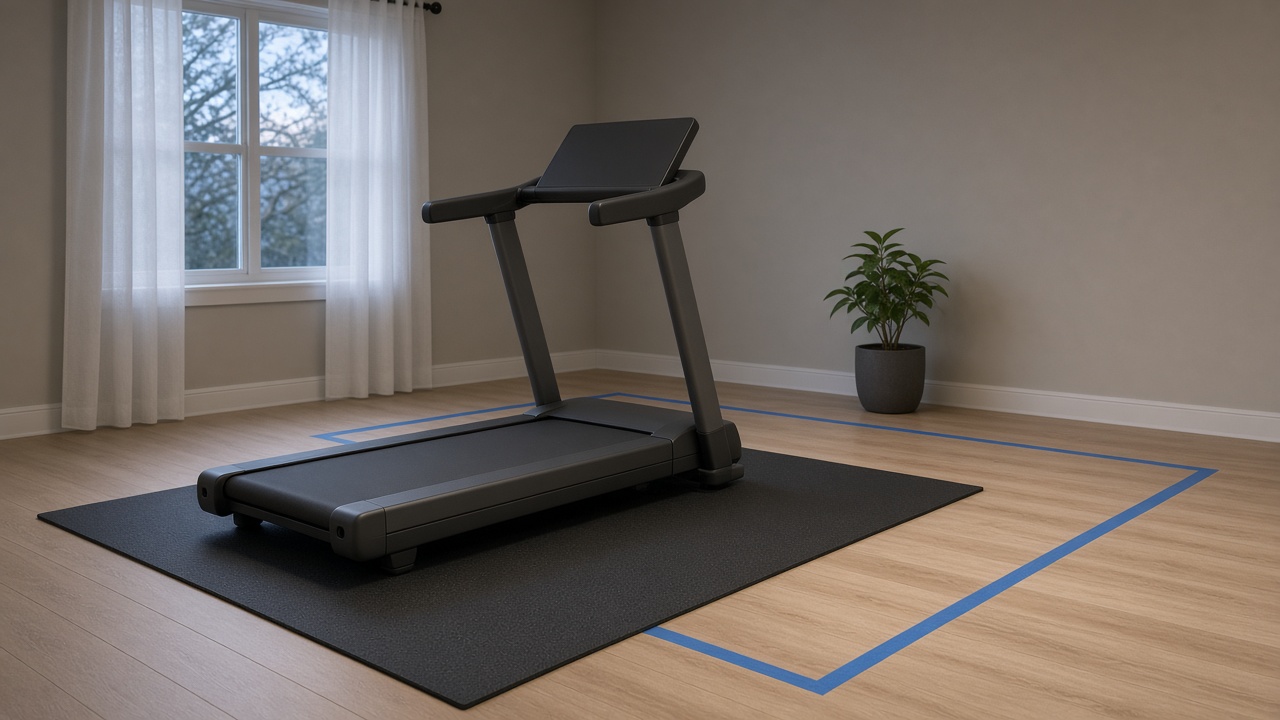
1. The footprint plus clearance. The treadmill’s listed length and width are only the start. The ASTM safety standard for home treadmills calls for clear space of about 20 inches on each side and about 78 inches, six and a half feet, behind the deck. That space is there for the moment you trip or step off, so it’s the one number I won’t let a client cut corners on. A wall, a sofa or a dresser in that zone turns a stumble into an injury.
2. Ceiling height. Add your height, the deck’s step-up height (often 8 to 10 inches), the extra rise at maximum incline and a few inches for the bounce in your stride. Basements with 7-foot ceilings and tall runners are a bad combination. If you’re over six feet and the room is low, measure before you fall in love with a machine that goes to 15% incline.
3. The route in. These machines usually arrive in one very heavy box, often well over 250 pounds. Measure every doorway, hallway turn and stairwell between the truck and the room. Then check whether delivery means curbside, the garage or the room you choose, because that changes the real price.
4. Folded height. If it folds, check the folded height against the ceiling and against the space where you’ll actually park it. A folding machine that can’t fold in its own room isn’t saving you any space.
The Outlet Nobody Checks
Most treadmill manuals ask for a dedicated 15- or 20-amp circuit. That means the treadmill is the only thing on that breaker, not one outlet sharing a circuit with the space heater and the TV. Almost every manual also says no extension cords. A motor pulling hard up a hill can draw a lot of current, and a thin cord or an overloaded circuit is how you get tripped breakers, a stressed motor board and, at worst, a fire risk.
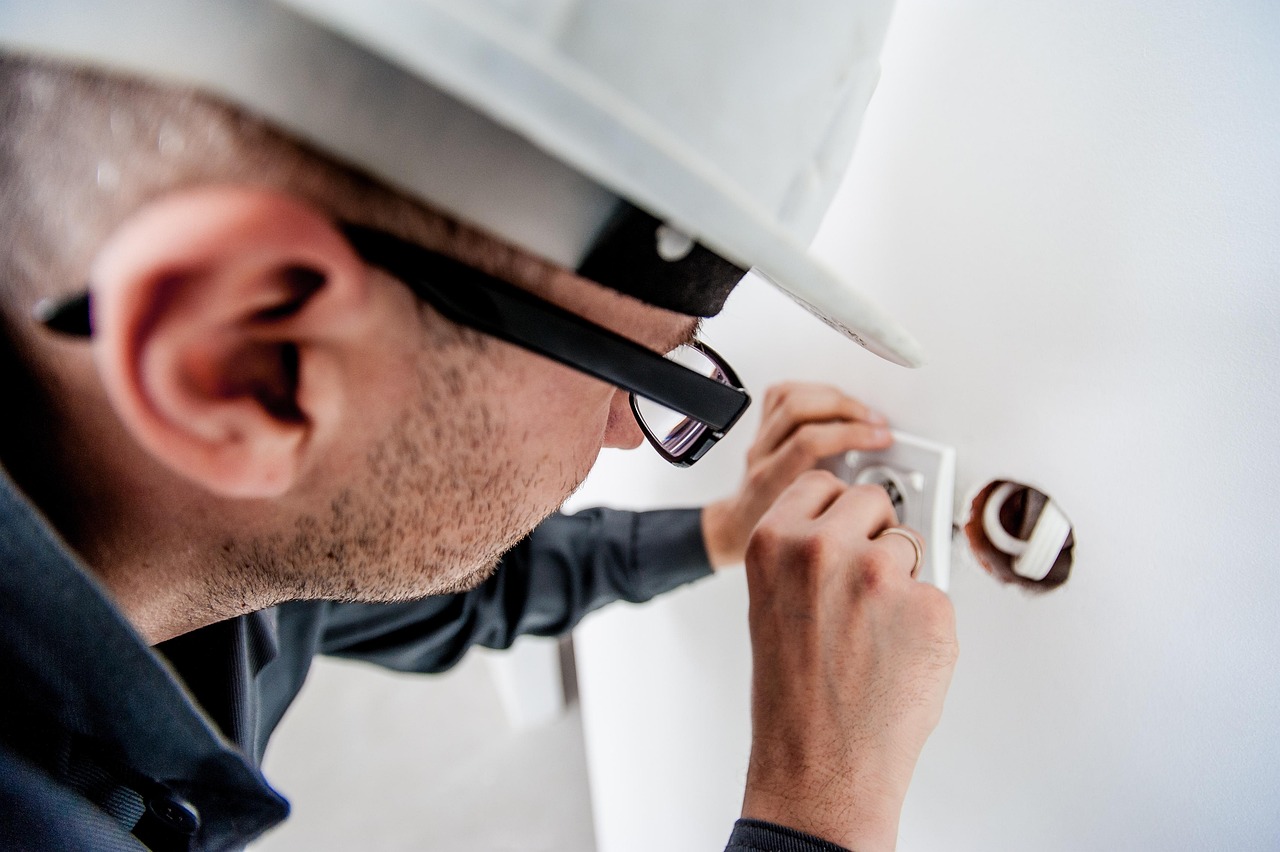
Before the box arrives, find the outlet you plan to use and check which breaker it’s on. Plug a lamp into it and flip breakers until the lamp goes out, then see what else on that circuit goes dark. If the answer is “half the basement,” call an electrician now. Adding a dedicated circuit is usually a modest job, and it’s a lot cheaper than a new motor controller in February. I’d rather you spend part of your Black Friday savings here than on a fancier screen.
Read the Warranty Like a Lease
“Lifetime warranty” is the most misleading phrase in fitness retail. It almost always means the frame, and often the motor, which are the two parts least likely to fail. What actually breaks on treadmills is the stuff underneath: motor control boards, belts, rollers, incline motors and consoles. That’s covered by the “parts” warranty, which might be three years or might be one, and the “labor” warranty, which is often a single year.
So when you compare machines, put four lines side by side: frame, motor, parts and labor. A machine with a ten-year motor warranty and one year of parts is a different deal from one with a lifetime motor warranty and three years of parts, even when the sticker price is the same. At the budget end of the market, the return window is your real warranty. Check how long it is, who pays return shipping, and whether there’s a restocking fee before you click buy.
The Screen Is Often a Subscription
A 22-inch touchscreen looks wonderful on the product page. Ask one question before you pay for it: does the console still control speed, incline and programs if you never pay for the app? Some brands lock their best features, or even basic manual controls, behind a monthly membership after the free trial ends. Others work completely offline and treat the app as optional.
Neither one is wrong. Some of my clients love guided classes and use them five days a week. But be honest about which kind of person you are, and add a year or two of subscription to the purchase price when you compare. A simple console and a tablet on a shelf is often the better deal, and the better motor.
Three Machines That Pass My Checklist This Week
My team pulled specs from the brands and from independent reviewers and checked them against everything above. These three clear every line at very different prices. Deal prices are moving daily, so treat the numbers here as a guide and check the current price before you buy.
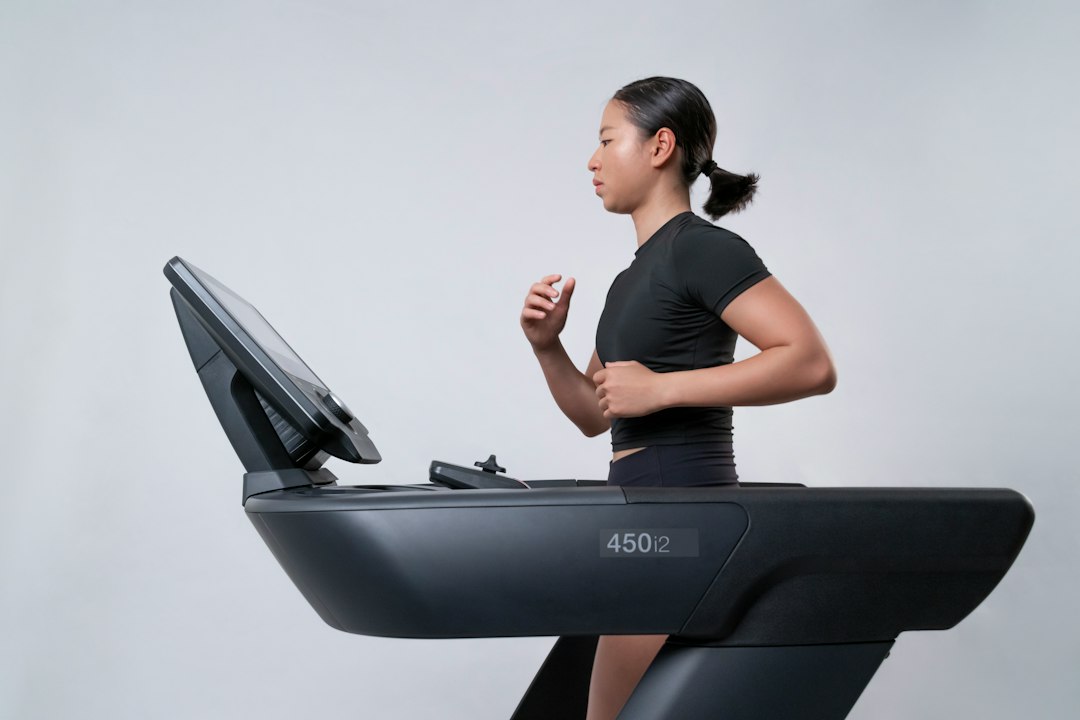
The workhorse value pick: Sole F63 Treadmill. 3.0 CHP motor, a full 20-by-60-inch deck, 0 to 15% incline, a 12 mph top speed and a 325-pound capacity. It folds with a hydraulic assist, and the console works entirely without an account. Sole’s warranty is lifetime on the frame and motor, three years on parts and one year on labor. It’s on sale through Sunday, November 29, a little under $1,100 at this writing. For most people who walk hills and run a few days a week, this is the one I’d send you to first.
The interval lover’s pick: Horizon 7.0 AT Treadmill. Same 3.0 CHP and 20-by-60 deck, with a 0 to 15% incline. The selling point is how fast it changes speed and incline, which matters if your favorite workouts are 30-second hill repeats. It works with third-party apps and doesn’t require a subscription. It’s been showing up around $1,000 or a bit less, which makes it one of the best spec-per-dollar machines of the season.
The big-runner pick: NordicTrack Commercial 1750 Treadmill. A full 60-inch deck, a sturdier frame and the decline setting that hill runners like. The catch is the one I described above: the iFIT experience is the point of this machine, so budget for the membership if you want the guided runs. It’s been listed around $2,000 against a $2,499 list price. NordicTrack’s holiday price guarantee pays back the difference if their price drops before November 30. That’s a nice cushion if you buy early.
Notice what all three have in common. Each one has a continuous motor rating of 3.0 or more, a 60-inch deck and published parts and labor terms. Any machine you’re considering should meet the same bar before you even look at the discount.
The Deal Calendar: Why I’m Not Rushing Anyone
Treadmill sales don’t work like toaster sales. The early-November prices are often very close to the Black Friday prices, and some of the biggest brands have already published price guarantees or sale windows running into the last weekend of the month. In practice that gives you room to think. Measure the room this weekend, check the outlet, decide which of the three tiers you’re in, and then buy when a machine that passes your checklist hits a price you’re happy with.
I go deeper on the timing in my guide to when home gym gear actually goes on sale. The short version is to set a target price per model, write it down and stop refreshing the page once you’ve hit it. The stress of chasing an extra $40 is worse for your health than the $40.
Shoes for the Belt Months
Searches for stability running shoes are up about 80% in the last three months, and I think I know why. A lot of people are moving indoors, putting in more miles than they did in summer and noticing their knees. A treadmill belt is a very consistent surface. That’s great for pacing, but it means every stride lands the same way, so any wobble in your gait gets repeated thousands of times.

Flip over your current running shoes. Heavy wear along the inside edge of the forefoot, a midsole that’s visibly squashed on the inner side, or shoes that tip inward when you set them on a table are all clues you might do better in a stability shoe. If that’s you, something like the Brooks Adrenaline GTS 24 is a classic starting point. It has gentle guidance without feeling like a cast. If your wear is even and nothing hurts, stay neutral. Fixing something that isn’t broken is how people end up with new aches. I walk through the whole fitting process in my shoe field guide for walkers, and the same advice holds for runners.
The First Two Weeks on the New Machine
Once it’s assembled, resist the urge to celebrate with a hard workout. For the first two weeks, I keep clients mostly in easy effort, at a pace where you could chat in full sentences. Your legs need time to adjust to the belt, and the treadmill needs a break-in period too. Many manuals recommend a few easy sessions before you lean on high speeds or steep inclines.
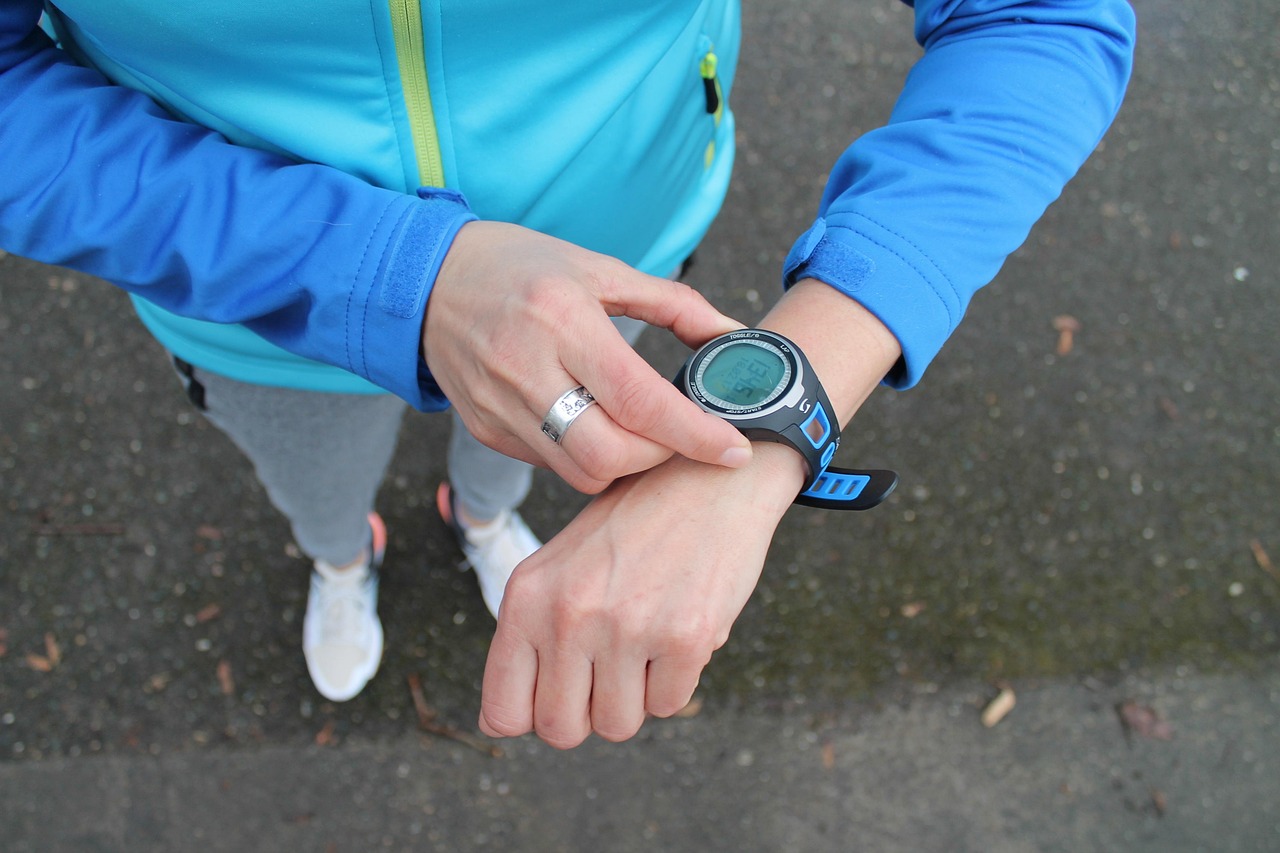
Treadmill heart rate from the handlebar grips is a rough estimate at best. If you want numbers you can actually train by, a chest strap like the Polar H10 Heart Rate Sensor is still the most accurate option most people can buy, and it pairs with almost every console and app. If you’d rather have pace, heart rate and indoor run tracking on your wrist all in one place, the Garmin Forerunner 165 is a lovely, uncomplicated running watch at a fair price. Calibrate its indoor pace against the treadmill display over your first few runs.
One more thing nobody warns you about: indoor running is hot. There’s no breeze, so your body has nowhere to dump heat, and you’ll sweat more and feel worse at the same pace. A Lasko High-Velocity Floor Fan aimed at your chest makes a bigger difference to how a treadmill run feels than almost any upgrade on the machine itself. If you’re easing in with slow, steady sessions, my cozy cardio audit for dark evenings pairs perfectly with a new treadmill.
Keep It Running Past March
Treadmills mostly die of neglect. Two small purchases and a ten-minute habit keep yours healthy for years.
A real mat underneath. A dense rubber SuperMats Heavy-Duty Treadmill Mat protects your floor, cuts down on the vibration that travels through the house, and keeps carpet fibers and dust from being pulled up into the motor compartment. If your treadmill lives on carpet, I consider it mandatory.
Lubricant, but only the right kind. Most belts need periodic lubrication. A common schedule is every three months or every 150 miles, but follow your manual, because some decks come pre-waxed and shouldn’t be touched. When it’s time, use only what the manufacturer specifies, usually a 100% Silicone Treadmill Belt Lubricant. Never use WD-40 or household sprays. A dry belt makes the motor work harder, and that brings us right back to the motor control board.
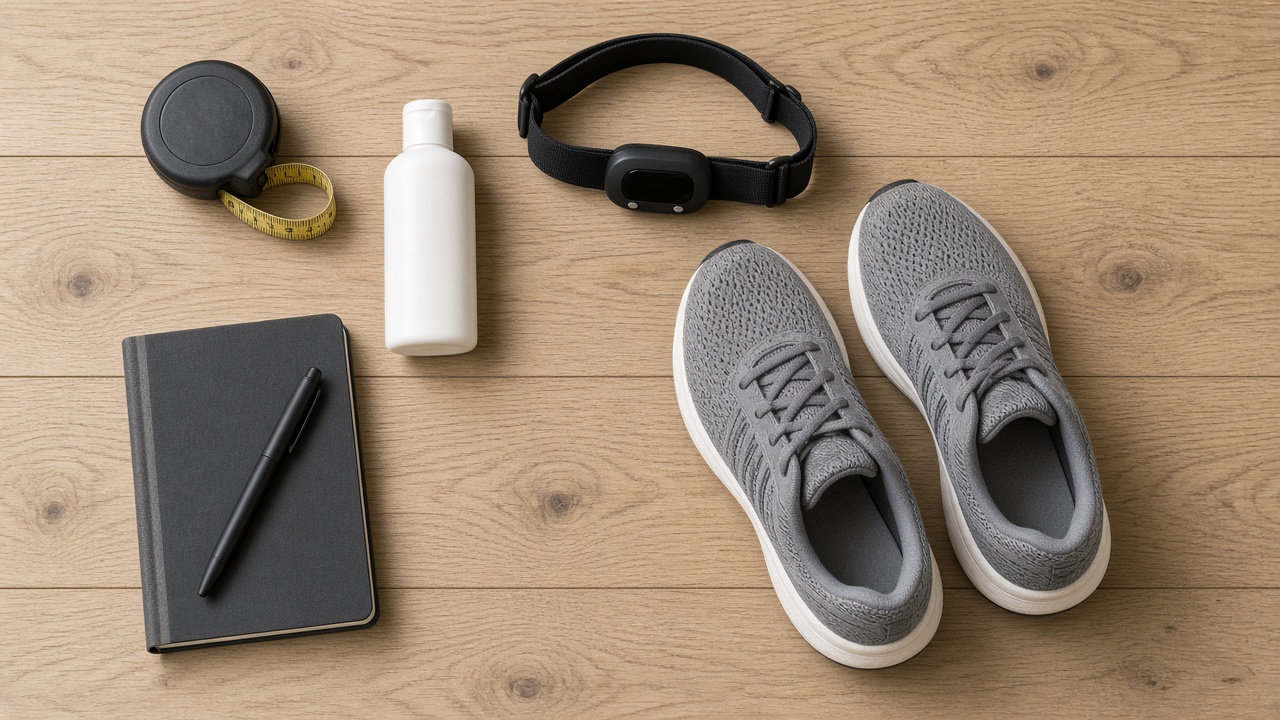
The ten-minute monthly check. Unplug the machine, vacuum under and around it, wipe the belt edges and side rails, and check that the belt is centered and isn’t slipping when you plant a hard stride. A belt that drifts to one side or hesitates under load should be adjusted following the manual’s instructions before it frays.
The Whole Checklist in One List
- Value running treadmill: Sole F63 Treadmill, with 3.0 CHP, a 20-by-60-inch deck and a console that needs no account.
- Interval and hill treadmill: Horizon 7.0 AT Treadmill, which changes speed and incline fast and needs no subscription.
- Big-runner, decline-ready treadmill: NordicTrack Commercial 1750 Treadmill. Budget for iFIT if you want the classes.
- Walk-while-you-work alternative: UREVO Under-Desk Walking Pad.
- Room measuring: Stanley 25-Foot PowerLock Tape Measure.
- Floor and motor protection: SuperMats Heavy-Duty Treadmill Mat.
- Belt care: 100% Silicone Treadmill Belt Lubricant, only if your manual calls for it.
- Accurate heart rate: Polar H10 Heart Rate Sensor.
- Wrist tracking: Garmin Forerunner 165.
- Stability shoes, if your soles say so: Brooks Adrenaline GTS 24.
- Cooling: Lasko High-Velocity Floor Fan.
What My Regular Bought the Second Time
My Tuesday-night regular did get her happy ending. The store took the door-buster back after a long phone call. The following November she sat at my kitchen table with a tape measure, a printed spec sheet and a highlighter. She checked the continuous horsepower first, then the deck length, then the clearance behind the couch, then the breaker panel, and only then the price. She bought a machine that was “only” $300 off, and it has outlasted two of her running watches and one very energetic golden retriever.
The discount banner is the loudest thing on the page this week, but it’s the least important number on it. Read the deck first, measure the room, check the outlet and read the warranty line by line. Once a machine passes all of that, any discount you get is a bonus. See you on the belt.
This article is for general education and isn’t medical advice. If you have heart, joint or balance concerns, talk with your doctor before starting a new cardio program, and follow your treadmill manufacturer’s installation and safety instructions.