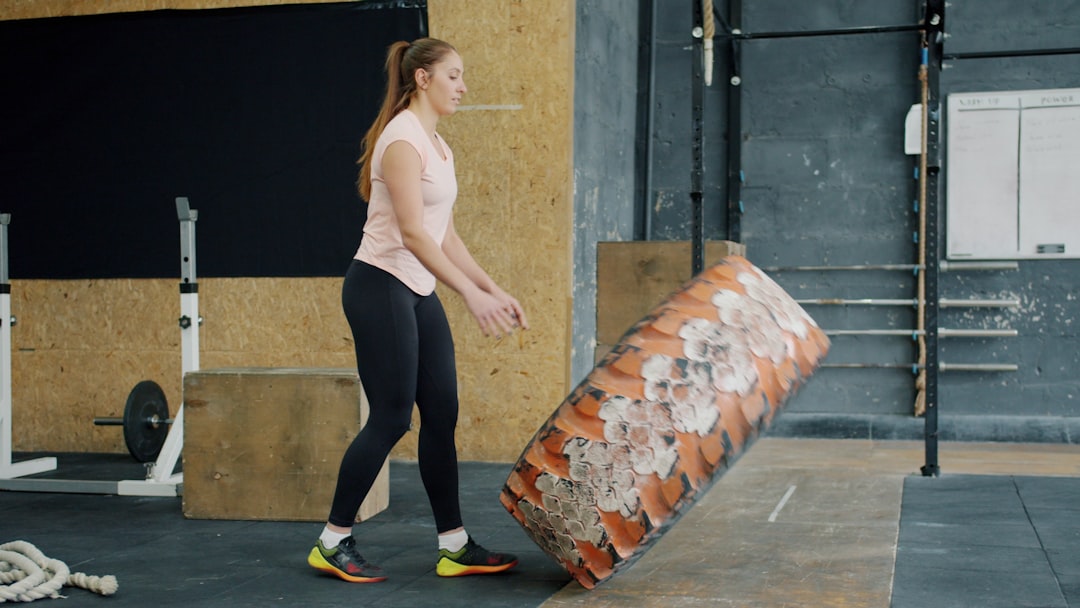
I used to believe training harder was the only secret to getting stronger. For years, I pushed through soreness, ignored recovery, and wondered why my progress plateaued despite clocking countless hours in the gym. The turning point came when I finally realized that what I did between workouts mattered just as much as the training itself. Today, I’m sharing the recovery and nutrition stack that completely transformed my results—and how Amazon Prime Day deals (running June 23-26) make it the perfect time to stock up on these essentials.
Before we dive in, let me be clear: this isn’t about buying fancy gear for the sake of it. Every item on this list serves a specific purpose in my training routine, backed by both research and real-world testing. These are the tools that helped me break through plateaus, recover faster, and finally see consistent progress after years of frustrating stagnation.
Why Recovery Matters More Than You Think
I’ve covered my summer recovery arsenal before, but this article takes a deeper dive into the specific tools that made the biggest difference over time. What I’m sharing here isn’t just another list of products—it’s the stack that finally moved the needle after years of trial and error.
When you train, you’re creating microscopic damage to your muscle fibers. The real magic happens during recovery, when your body repairs that damage and builds back stronger. Skip proper recovery, and you’re not just limiting progress—you’re actively sabotaging it. Overtraining syndrome, nagging injuries, and stalled strength gains all trace back to inadequate recovery.

But here’s what most people get wrong: recovery isn’t just about rest days. It’s about active recovery, proper nutrition, hydration, and targeted muscle work. The right approach keeps you training consistently without burnout or injury. Let me break down exactly what’s in my stack and why each piece matters.
The Foundation: Smart Muscle Recovery
As I wrote in my piece on movement variety, sticking to the same exercises without proper recovery creates imbalances and overuse injuries. The first non-negotiable in my recovery toolkit is the TriggerPoint Grid 1.0 Foam Roller. I’ve used dozens of foam rollers over the years, and this one stands out for a simple reason: it actually work.
The multi-density surface varies pressure across your muscles, mimicking the feel of a massage therapist’s hands. Unlike smooth foam rollers that just glide over tight spots, the Grid’s textured surface digs into trigger points and knots.

I spend 5-10 minutes every evening rolling out major muscle groups—quads, hamstrings, glutes, and back. The difference? I wake up feeling mobile instead of stiff, and my workouts feel smoother because I’m not fighting against tight, restricted tissue. At 13 inches, it’s portable enough to toss in a gym bag, and the compact size means I can target specific areas with precision. During Prime Day, this essential tool is discounted, making it an easy add to any home setup.
For deeper, more targeted work, the TheraGun Relief Handheld Percussion Massage Gun has been a game-changer. Unlike bulky massage guns that feel like you’re holding a power tool, this one is designed for everyday use—it’s light, comfortable, and surprisingly quiet. I reach for it post-workout on specific problem areas: tight shoulders from desk work, sore calves after a run, or my glutes after heavy lifting sessions.

What sets percussion massage apart from foam rolling is the depth. While foam rollers work surface-level tissue, massage guns penetrate deeper into muscle bellies, increasing blood flow and breaking up adhesions. The TheraGun Relief is perfect because it’s not intimidating—unlike pro-level models that feel overwhelming, this one is approachable enough to use daily without it feeling like a chore. Plus, the Prime Day pricing makes it an excellent entry point if you’ve been curious about percussion therapy but didn’t want to invest hundreds.
Hydration: The Missing Link in Most Training Programs
While full-day wellness setups often focus on morning routines and sleep hygiene, I’ve found that mid-workout hydration is just as critical. Here’s something I learned the hard way: dehydration sabotages performance long before you feel thirsty. Even mild dehydration (2% body water loss) can reduce strength by up to 15% and significantly impair endurance. I used to think water was enough, but once I started training seriously, especially in summer heat, I realized electrolytes were non-negotiable.
That’s where Ultima Replenisher Daily Electrolyte Powder comes in. Unlike sugary sports drinks that are basically soda with electrolytes, Ultima is zero sugar, plant-based, and contains all six key electrolytes your body actually loses through sweat: sodium, potassium, magnesium, chloride, calcium, and phosphorus. The variety pack is perfect because I can rotate flavors—lemonade for morning workouts, fruit punch for afternoon sessions—so I never get bored.

I mix one packet into 16-20 ounces of water during workouts lasting longer than an hour, or anytime I’m training in hot conditions. The difference is tangible: fewer cramps, sustained energy throughout the session, and faster recovery afterward. Prime Day deals on the variety pack make it an ideal time to stock up for summer training.
Protein Timing and Quality: What I Wish I’d Known Sooner
For years, I treated protein as an afterthought—grabbing a shake when I remembered, sometimes skipping it entirely after workouts. That was a massive mistake. Protein provides the amino acids your muscles need to repair and grow, and timing matters. Consuming protein within 30-60 minutes post-workout maximizes muscle protein synthesis.
The Optimum Nutrition Gold Standard 100% Whey Protein Powder is my go-to for several reasons. First, it’s whey protein isolate, which means it absorbs quickly—perfect for that post-workout window when your muscles are primed to uptake nutrients. Second, it’s banned substance tested, so I know exactly what I’m putting in my body. Third, the flavor profile is solid (Double Rich Chocolate mixes well with water or milk), and it doesn’t have that chalky, gritty texture that cheaper proteins do.

I aim for 25-30g of protein post-workout, and one scoop of Gold Standard hits that target. For me, it’s not just about muscle growth—it’s about recovery. Quality protein reduces muscle soreness and supports immune function, which means I can train consistently without getting sick or run down. The 5-pound tub lasts me months, and Prime Day discounts make stocking up cost-effective.
Performance Supplements: Creatine for Strength Gains
Creatine is one of the most researched supplements on the planet, and for good reason: it works. Unlike trendy supplements with hype but no science, creatine monohydrate has decades of studies supporting its effectiveness for increasing strength, power output, and muscle mass. I added Optimum Nutrition Micronized Creatine Monohydrate to my stack six months ago, and the strength gains have been undeniable.

Here’s how it works: creatine increases your muscles’ phosphocreatine stores, which fuels ATP production during high-intensity exercise. In practical terms, this means more reps, heavier lifts, and better performance on sprints or explosive movements. I take 5g daily (timing doesn’t matter, though I mix it with my post-workout shake for consistency), and within weeks, I noticed I could grind out extra reps on my heaviest sets.
The micronized formula mixes easily—no clumping, no gritty texture—and Optimum Nutrition is a brand I trust for quality control. Prime Day pricing on creatine is an excellent opportunity to commit to a 3-6 month protocol, which is how long you need to take it to see full benefits.
Versatile Training: Resistance Bands for Every Workout
The final piece of my stack isn’t a supplement—it’s a set of Fit Simplify Resistance Loop Exercise Bands. These flat, continuous loops might not look like much, but they’re incredibly versatile. I use them for warm-ups (shoulder external rotations, hip activations), strength work (banded squats, lateral walks), and even stretching (assisted pull-ups, mobility work).

What makes loop bands essential is progressive resistance: as you move through the range of motion, the tension increases, challenging your muscles at their weakest points. This is different from free weights, where resistance is constant. The set of five bands ranges from light to extra-heavy, so I can scale any exercise to my current ability level.
I keep a set in my gym bag and another at home. They’re perfect for travel workouts, hotel room training, or quick sessions when I can’t make it to the gym. At under $20 (even less with Prime Day deals), they’re one of the most cost-effective training tools you can own.
Putting It All Together: My Daily Recovery Protocol
Here’s how I integrate all these tools into my routine. I’m not suggesting you need to copy this exactly—recovery is personal, and what works for me might need tweaking for you. But this framework might give you ideas for your own setup.
Pre-Workout: I mix Ultima Replenisher into my water bottle, especially if training in heat or for longer than an hour. If I’m doing a heavy strength session, I’ll take my daily creatine now (though timing doesn’t strictly matter, doing it with food helps absorption).
During Workout: I sip my electrolyte drink as needed. If I’m working out at home, I’ll use the resistance bands for activation warm-ups—band walks, glute bridges, shoulder rotations—before diving into the main workout.
Immediately Post-Workout: Within 30 minutes, I mix one scoop of Gold Standard whey with water or almond milk. This starts the muscle repair process immediately. If I’m particularly sore or tight, I’ll grab the TheraGun for 5 minutes on problem areas.
Evening Recovery: After dinner, I spend 10-15 minutes foam rolling with the TriggerPoint Grid. I focus on areas that feel tight from the day’s training—usually quads, hamstrings, and back. This nightly routine has made a huge difference in how I feel the next morning.
Why Prime Day is the Time to Buy
Here’s the reality: quality recovery tools and supplements add up. If you bought everything on this list at retail price, you’d easily spend over $300. But Amazon Prime Day (June 23-26) brings significant discounts on all of these items, making it the ideal time to invest in your recovery stack.
The strategy is simple: bookmark the products now, check the deals during Prime Day, and stock up for 3-6 months. Supplements like creatine, protein, and electrolytes have long shelf lives, so buying in bulk during sales saves money in the long run. For tools like the foam roller, massage gun, and resistance bands, you’re buying them once and using them for years—so getting a good deal matters.
One tip: some deals sell out quickly or have limited quantities. If you see something you want at a good price, grab it rather than waiting. These aren’t impulse purchases—they’re investments in your training, and the payoff comes in the form of better workouts, faster recovery, and consistent progress.
Final Thoughts: Recovery Is Training
After two decades of training, the biggest lesson I’ve learned is this: recovery isn’t optional—it’s part of the training process. You can’t out-train poor recovery, and you can’t build a strong body on a foundation of neglect. The tools I’ve shared here—foam rolling, percussion massage, electrolytes, quality protein, creatine, and resistance bands—are all part of a system that keeps me training consistently without burnout or injury.
If you’re reading this and feeling overwhelmed, start small. Pick one or two items that address your biggest recovery gaps. Maybe it’s foam rolling for tight muscles, or electrolytes for cramping, or protein for better recovery. Build from there. The goal isn’t to buy everything—it’s to build a recovery toolkit that supports your training and helps you show up consistently.
Prime Day is a great opportunity to invest in these tools at a discount. But remember: the gear doesn’t do the work for you. It’s what you do with it that matters. Use these products to support a consistent training routine, prioritize recovery, and watch how your results transform over the coming months.
Here’s to training smarter, recovering better, and finally breaking through those plateaus. Your future self will thank you.





8 Comments on “After Two Decades of Training, Here’s the Recovery Stack That Finally Transformed My Results”