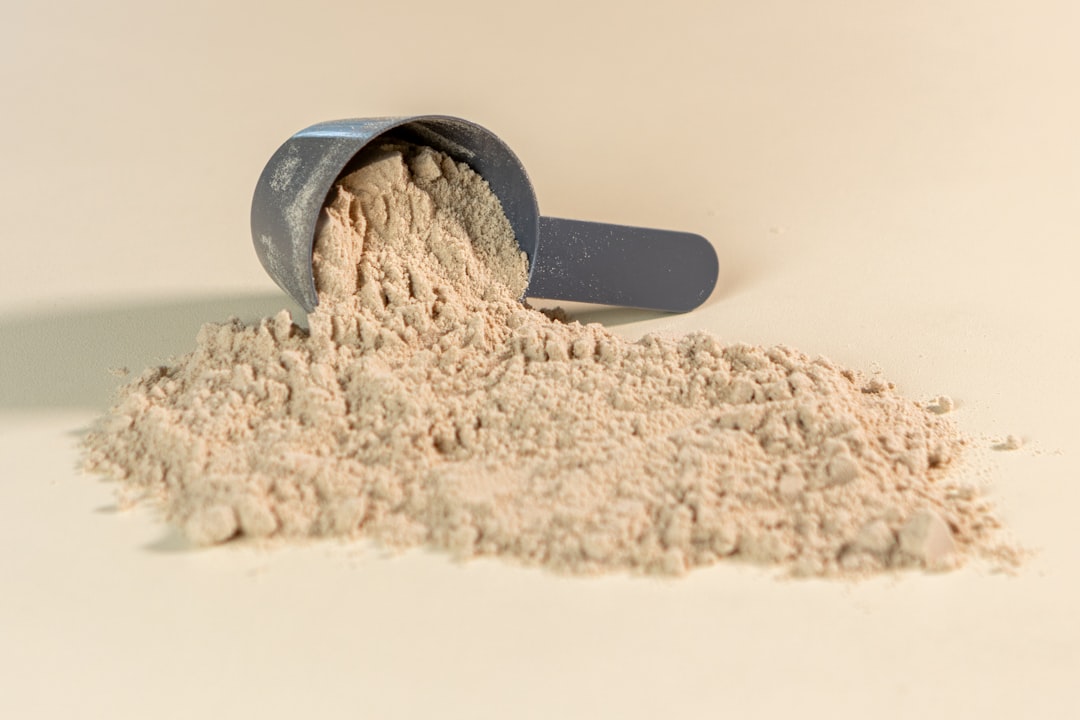
I’ve been lifting weights for over two decades. And for most of those years, I walked into the supplement aisle, grabbed whatever pre-workout had the flashiest label, mixed a scoop into my shaker cup, and hoped for the best. Sometimes I’d feel that caffeine tingle. Sometimes nothing. Sometimes I’d get a “pump” that lasted twenty minutes and left me wondering if I’d just paid $45 for flavored water.
It wasn’t until my team and I decided to do a systematic label audit — forty pre-workout supplements, spread across a spreadsheet, with every single ingredient cataloged by dosage — that the picture came into focus. And honestly? It changed everything about how I shop for training fuel.
Why Most Pre-Workouts Disappoint (It’s Not Your Imagination)
Here’s the dirty secret of the supplement industry: most pre-workout powders are essentially caffeine with a dusting of other ingredients thrown in for label appeal. The caffeine dose gets all the attention — and sure, 200mg will get you going. But if that’s all you’re getting, you could drink a $2 coffee and save yourself $38.
The ingredients that actually change how your training session feels — citrulline for blood flow, beta-alanine for endurance, creatine for power output — are expensive. So manufacturers include them at token doses, then hide the actual amounts behind “proprietary blends.” A proprietary blend sounds impressive. All it means is they don’t have to tell you how much of each ingredient is in there. When my team ran the numbers, we found products listing “pump blends” of 5,000mg that contained maybe 800mg of actual L-citrulline. The rest? Cheap fillers.
If you want to understand why your pre-workout feels inconsistent — great one day, flat the next — this is why. You’re not getting consistent doses of the compounds that actually matter.
The Five Ingredients Worth Paying For
After weeks of research and cross-referencing peer-reviewed studies, I narrowed the pre-workout landscape down to five ingredients that have genuine scientific backing at specific doses. Here’s what to look for on the label.
L-Citrulline (6,000-8,000mg)
This is your pump ingredient. L-citrulline converts to L-arginine in your kidneys, which then produces nitric oxide — the molecule that dilates blood vessels and increases blood flow to working muscles. More blood flow means better oxygen delivery, nutrient transport, and that satisfying full-muscle feeling during reps. The effective dose is six to eight grams. If your pre-workout lists anything under three grams, you’re getting a cosmetic dose. Products like BulkSupplements L-Citrulline Powder let you see exactly what a pure 6,000mg dose feels like, and Kaged L-Citrulline offers a tested, flavored version if you want something that doesn’t taste like chalk.

Beta-Alanine (3,200-4,000mg)
Beta-alanine buffers lactic acid buildup in your muscles, which delays fatigue during high-intensity sets. That tingling sensation (paresthesia) you feel from some pre-workouts? That’s the beta-alanine working. The performance benefit is real — studies show a 2-3% improvement in muscular endurance at 3.2 grams per day, accumulated over several weeks. If you’re training in the 8-15 rep range or doing intervals, this ingredient earns its spot. Nutricost Beta Alanine Powder gives you a clean 3g per serving at a fraction of what blended pre-workouts charge.

Caffeine (150-300mg)
Caffeine is the most studied ergogenic aid in existence. It works. But more isn’t always better — doses above 350mg tend to increase anxiety and jitters without additional performance benefit, especially for women, who metabolize caffeine differently than men at certain points in their cycle. My sweet spot is 200mg. That’s enough for alertness and reduced perceived exertion without the crash two hours later. Most commercial pre-workouts nail this range, so caffeine is rarely the problem — it’s everything surrounding it that falls short.
Creatine Monohydrate (3,000-5,000mg)
Some pre-workouts include creatine, and that’s fine if the dose is right. But here’s the thing — creatine doesn’t need to be taken pre-workout specifically. It works through saturation, not timing. What matters is getting 3-5 grams daily. I actually wrote about this extensively when I stopped side-eyeing creatine and started taking it every day. If your pre-workout includes it, great. If not, you’re better off buying it separately. Nutricost Creatine Monohydrate runs about $0.25 per serving, and Optimum Nutrition’s version has been a staple in my pantry for years.
Electrolytes (Sodium, Potassium, Magnesium)
This one gets overlooked constantly. If you train hard enough to sweat, you’re losing electrolytes that your muscles need for contraction and nerve signaling. Depletion leads to cramping, premature fatigue, and that weak feeling halfway through your third set. I learned this the hard way during a summer training block, and it completely rewired my hydration strategy for good. A good pre-workout should include at least 200mg of sodium and some potassium.
The Proprietary Blend Trap (And How to Spot It)
When you pick up a pre-workout container, flip it around before you check the price. Look for the words “proprietary blend” or “energy matrix” or “pump complex.” If you see those phrases without individual ingredient amounts listed, set it back on the shelf. That company is legally allowed to include 0.1mg of an active ingredient and still list it on the label.
The products worth your money list every ingredient with its exact dose. No hiding. No blend language. Just transparency.
My team tested RAW Essential Pre-Workout by Chris Bumstead and found it to be one of the more transparent options — fully dosed ingredients with no proprietary blend nonsense. ProSupps Mr. Hyde Signature also lists individual doses and includes both creatine and beta-alanine at functional levels. On the budget end, Cellucor C4 Sport at 135mg caffeine and a modest but honest ingredient panel makes sense if you’re sensitive to stimulants or just starting out.
The Caffeine-Free Path (Don’t Skip This Section)
If you train in the evening, are sensitive to caffeine, or already had three coffees before lunch (no judgment — I’ve been there), a stimulant-free pre-workout is genuinely worth considering. I used to think these were pointless. Then I tried one before a 7 PM session and realized I could still get a phenomenal pump and solid focus without lying awake until 2 AM.
Transparent Labs Stim-Free has become my evening go-to — full doses of citrulline, beta-alanine, and betaine anhydrous with zero caffeine. Nutricost Stim-Free is another solid budget option if you want to test the concept without committing $40+. And for those who want pure pump focus without any extras, Six Star Pre-Workout offers a middle ground.
The right shaker matters here too — there’s nothing worse than a clumpy, poorly mixed pre-workout drink. I’ve been using the VOLTRX electric shaker bottle for months and it genuinely solves the mixing problem, especially for supplements that don’t dissolve easily.
Building Your Own Pre-Workout Stack
Here’s where the label-reading rabbit hole leads: you start wondering if you should just build your own. I did. And honestly, for about six months, I did exactly that.
The math works out. Buying L-citrulline, beta-alanine, and creatine separately costs less per serving than almost any pre-mixed product on the market — and you control every variable. You can adjust your caffeine source (coffee, matcha, or pill), scale your citrulline dose up on heavy training days, and skip beta-alanine entirely on rest days.
The downside? You’re mixing three different powders into your shaker every morning. It’s inconvenient. And if you travel, it’s a pain. That’s why I eventually went back to a quality pre-mixed product for convenience, with my own add-ins on the side.
My current setup: a solid pre-workout base, plus 5g of standalone creatine every morning regardless of whether I’m training. That separation matters because creatine timing is irrelevant — it’s about daily consistency. If you want the deep dive on why I separate the two, my full recovery stack breakdown covers the reasoning.

The Final Filter: What Actually Earns Your Money
After all the testing, the spreadsheet analysis, and more tubs of powder than I care to count, here’s the framework my team uses to evaluate any pre-workout in under sixty seconds:
- Full label transparency? Every ingredient listed with its dose. No proprietary blends.
- Citrulline at 6g+? This is non-negotiable for me. Below that, the pump claims are fiction.
- Beta-alanine at 3g+? Optional for pure strength days, essential for hypertrophy and intervals.
- Caffeine between 150-300mg? Unless it’s stim-free, which is a separate category entirely.
- Price under $2.00 per serving? Anything above that and you’re paying for marketing, not ingredients.
Products that check all five boxes are rare. Products that check four are still worth considering if the missing box isn’t critical for your goals. Products that check two or fewer? Walk away.
The supplement industry thrives on confusion. Colorful labels, exotic ingredient names, and influencer endorsements are designed to make you feel like you need a biochemistry degree to choose a pre-workout. You don’t. You need five benchmarks and the willingness to flip the container around.
Once you start reading labels with intention, the supplement aisle stops feeling overwhelming. It starts feeling obvious. And your training sessions? They get noticeably better — not because you found a magic powder, but because you finally started giving your body the right fuel in the right amounts.
That’s not marketing. That’s just science, applied consistently, one scoop at a time.