I almost didn’t write this article. Magnesium? Really? The supplement your grandmother keeps next to her calcium tablets? The boring mineral that every wellness blog has already covered to death? I thought so too β until I quit taking it cold turkey for two weeks and watched my sleep, recovery, and mood quietly unravel. What follows is the unglamorous, deeply personal story of how a $25 bottle of magnesium glycinate became the single most consequential supplement in my recovery stack β and why I’ll never let it run out again. The Supplement I Kept Ignoring For context, I’m not someone…
-
-
I almost sent it back. The box sat in my hallway for three days β enormous, heavy, and radiating the kind of buyer’s remorse that creeps in when you’ve spent the equivalent of a car payment on what is essentially a very large, very bright nightlight. My partner gave me that look. You know the one. The “what has wellness Instagram done to you now” look. But I’d been reading studies on photobiomodulation for nearly a year, and after my track coach mentioned that two of her Olympic-bound athletes were using full-body red light panels daily, I decided it was…
-
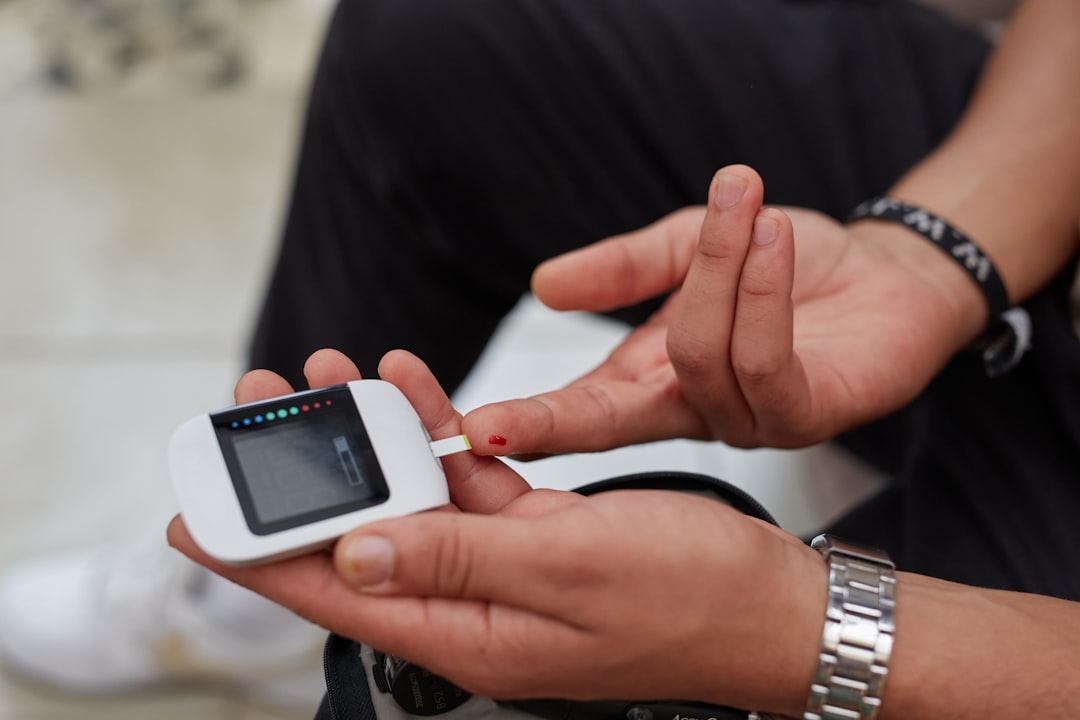
Let me tell you about the moment everything I thought I knew about my nutrition fell apart. It was a Tuesday morning, and I’d just eaten my “perfect” pre-workout breakfast β Greek yogurt, a banana, and a drizzle of honey. Within forty minutes, the little graph on my phone was showing a spike so steep it looked like a mountain range. My blood glucose had shot past 160 mg/dL and was crashing just as fast. I felt it too β that mid-workout energy crash I’d been blaming on poor sleep for months. The tiny device responsible for this revelation? A…
-
I wore a fitness watch every single day for fifteen years. Garmin, Apple, Fitbit, Polar β you name it, I strapped it to my wrist and let it track my steps, my sleep, my heart rate, my training load. I was that athlete who’d glance at her watch mid-interval to check her split, then check it again during cooldown to see if her heart rate was dropping fast enough. The data felt like oxygen. Until one Tuesday morning in April, I caught myself staring at a readiness score of 71 instead of warming up for my session, and I realized…
-
Every June, I watch the same thing happen at my YMCA. The parking lot thins out. The 6 AM class that was packed in May suddenly has half its regulars. My inbox fills with messages like, “Sophia, it’s just too hot β I’ll pick it back up in September.” And I get it. When the air feels like breathing through a wet towel and your heart rate spikes twenty beats higher than it should for an easy jog, summer training can feel punishing. But here’s what I’ve learned after twenty summers of coaching athletes through the heat: the problem isn’t…
-
The Day I Realized My Recovery Routine Was Missing Something Huge Three months ago, I was standing in my bathroom staring at a folding chair and a canvas tent that had just arrived via Amazon, feeling equal parts ridiculous and intrigued. This $180 portable steam saunaβwhich looked more like something you’d take camping than a legitimate recovery toolβwas supposed to transform my post-workout routine. As someone who’d spent two decades obsessively studying exercise physiology and recovery science, I was skeptical. How could something this basic, this… budget-friendly, possibly compete with the high-end infrared sauna I’d been using at my gym?…
-
I never thought about my breathing muscles until I couldn’t catch my breath on a hill sprint last spring. I’d been training consistently β strength work, intervals, mobility sessions β but there I was, hands on knees, gasping like a beginner. My legs felt fine. My heart rate wasn’t the problem. It was my lungs. Or more specifically, the muscles powering them. That moment sent me down a rabbit hole I didn’t expect. It turns out your diaphragm and intercostal muscles β the ones between your ribs β respond to training just like your quads, glutes, and biceps. You can…
-
I’ve been foam rolling since before it was cool. Back in my heptathlon days, we used simple foam cylinders that smelled like old gym socks and did exactly one thing: you rolled on them until you wanted to cry, then you told yourself it was making you faster. Spoiler alert: it probably wasn’t. But the foam roller persisted, evolving from humble PVC pipe wrapped in foam to textured, vibrating, and now artificially intelligent devices that promise to revolutionize how we recover from training. When I first heard about AI-powered automatic massage rollers at CES this year, my initial reaction was…
-
The Night I Realized I Was Flying Blind For twenty years, I treated sleep like a time-banked nuisance. Something to power through so I could wake up early enough to train. You know the routine β alarm goes off at 4:30 AM, you’re already lacing up your running shoes while most people are still snoozing. But last summer, something shifted. I hit a wall that no amount of grit could smash through. My recovery times slowed down. My performance plateaued. And worst of all, that vibrant energy I prided myself on started flickering like a dying bulb. So I did…
-
The Night I Realized I Was Flying Blind For twenty years, I treated sleep like a time-banked nuisance. Something to power through so I could wake up early enough to train. You know the routine β alarm goes off at 4:30 AM, you’re already lacing up your running shoes while most people are still snoozing. But last summer, something shifted. I hit a wall that no amount of grit could smash through. My recovery times slowed down. My performance plateaued. And worst of all, that vibrant energy I prided myself on started flickering like a dying bulb. So I did…